



































 Iconic place
Travel to Laos: discover one of Asia’s last hidden gems
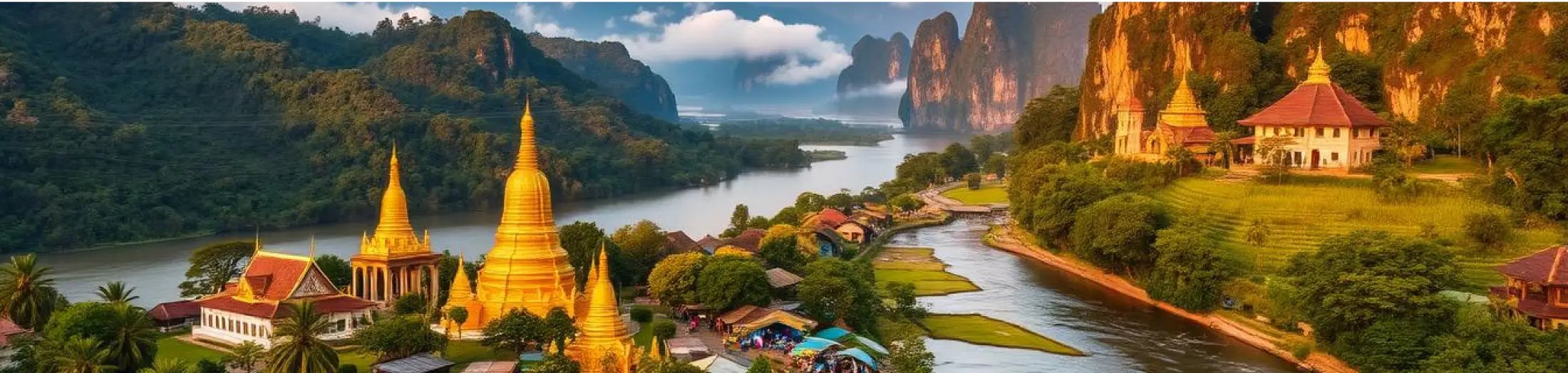
Travel to Laos: few destinations still offer the feeling of traveling back in time. Between the tranquil banks of the Mekong River, the golden temples of Luang Prabang, mist-covered mountains, and villages where traditions remain deeply rooted, Laos offers an experience that is profoundly different from its Southeast Asian neighbors.
Here, travel is not simply about visiting one attraction after another. It becomes a journey of meaningful encounters—a shared smile at a local market, a meal with welcoming hosts, or a sunset admired along the Mekong. Time naturally slows down, leaving more room for observation, contemplation, and cultural discovery.
For travelers seeking authenticity, rich heritage, and a gentle pace of life, Laos has become one of Asia’s most captivating destinations. In this guide, we invite you to discover the country’s must-see attractions, unforgettable experiences, as well as our practical tips for planning your trip to Laos.
Laos: a hidden gem in the heart of Southeast Asia
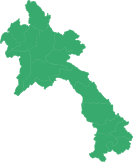
Nestled between Vietnam, Thailand, Cambodia, China, and Myanmar, Laos remains one of Asia’s most underrated destinations. Having long remained outside the region’s major tourist routes, the country has preserved a strong cultural identity and an authentic charm that appeals to travelers looking for more meaningful experiences.
The Mekong River, the country’s lifeline, accompanies visitors throughout their journey. As a source of sustenance, a transportation route, and the center of daily life, it has shaped both the landscape and the lives of millions of people for centuries.
One of the first things that strikes visitors upon arrival is the peaceful atmosphere found throughout the country. Cities remain human-sized, traditions are deeply rooted in everyday life, and nature still plays a central role. This remarkable harmony is one of Laos’ greatest charms.
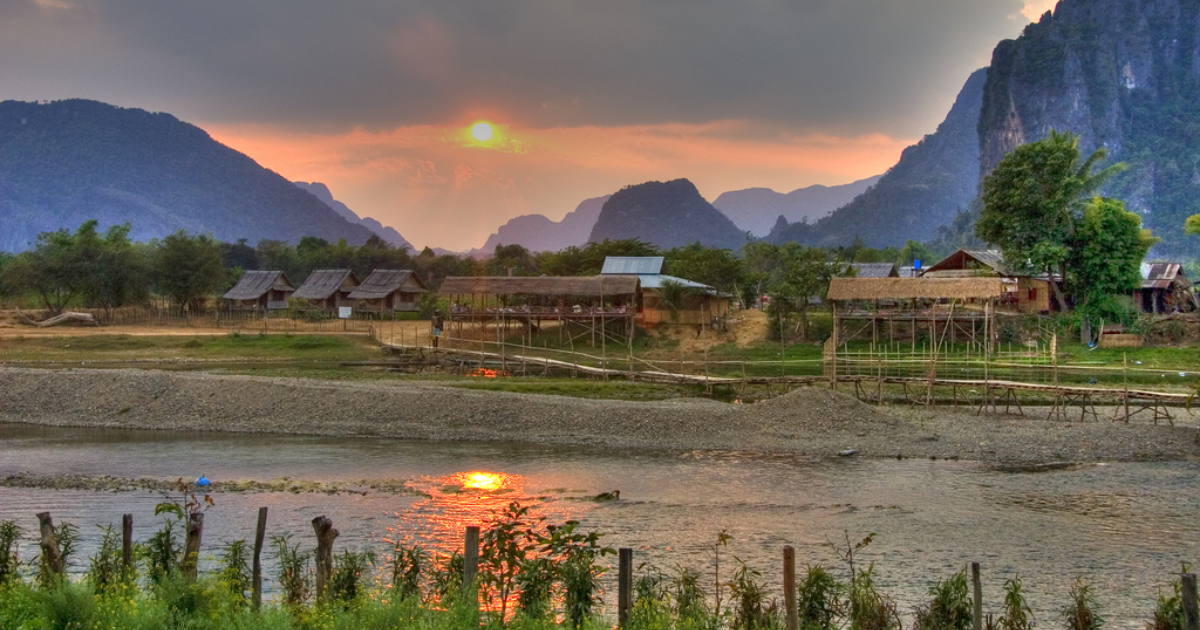
Why choose a trip to Laos?
Laos is not a destination people choose by chance. Those who travel here are usually looking for more than a typical holiday—they want to discover an unspoiled country, experience a living culture, and embrace a slower, more meaningful way of traveling.
An authentic and unspoiled destination
Laos remains one of Southeast Asia’s most authentic countries. Despite its gradual opening to tourism, many regions have preserved their original character and traditional way of life.
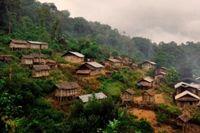
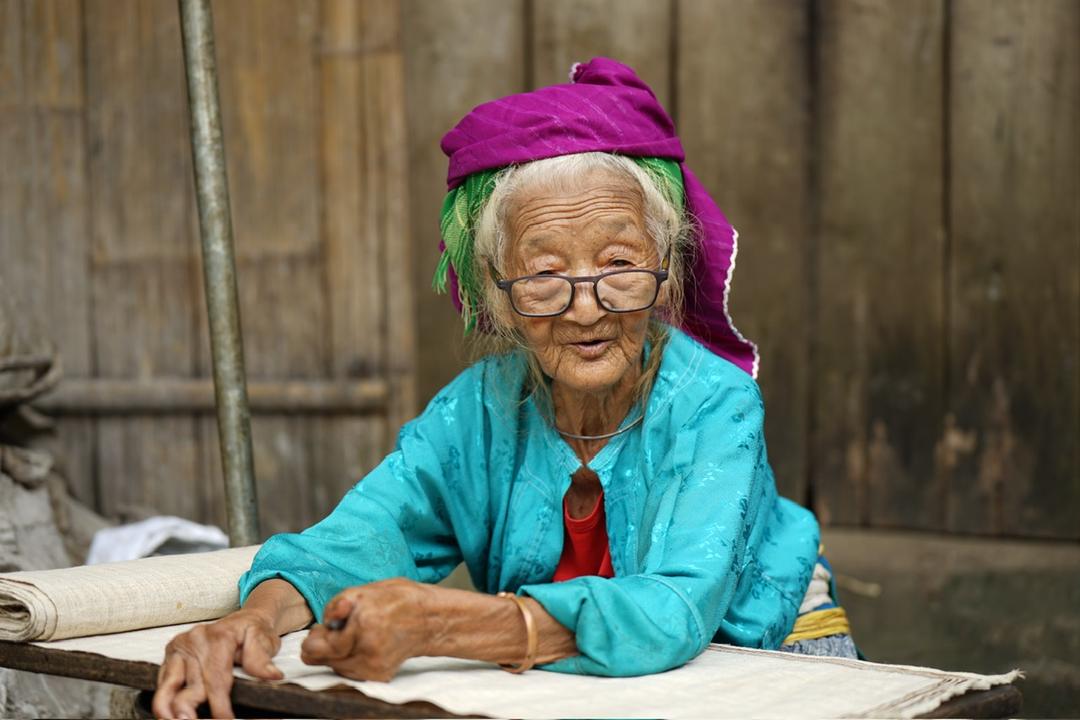
In rural villages, everyday life often seems unchanged for generations. Local markets, stilt houses, and agricultural activities continue to shape daily life. This authenticity is undoubtedly one of the country’s greatest treasures.
A vibrant and living culture
Buddhism lies at the heart of Lao identity. Temples, religious ceremonies, and spiritual traditions continue to play an important role in everyday life.
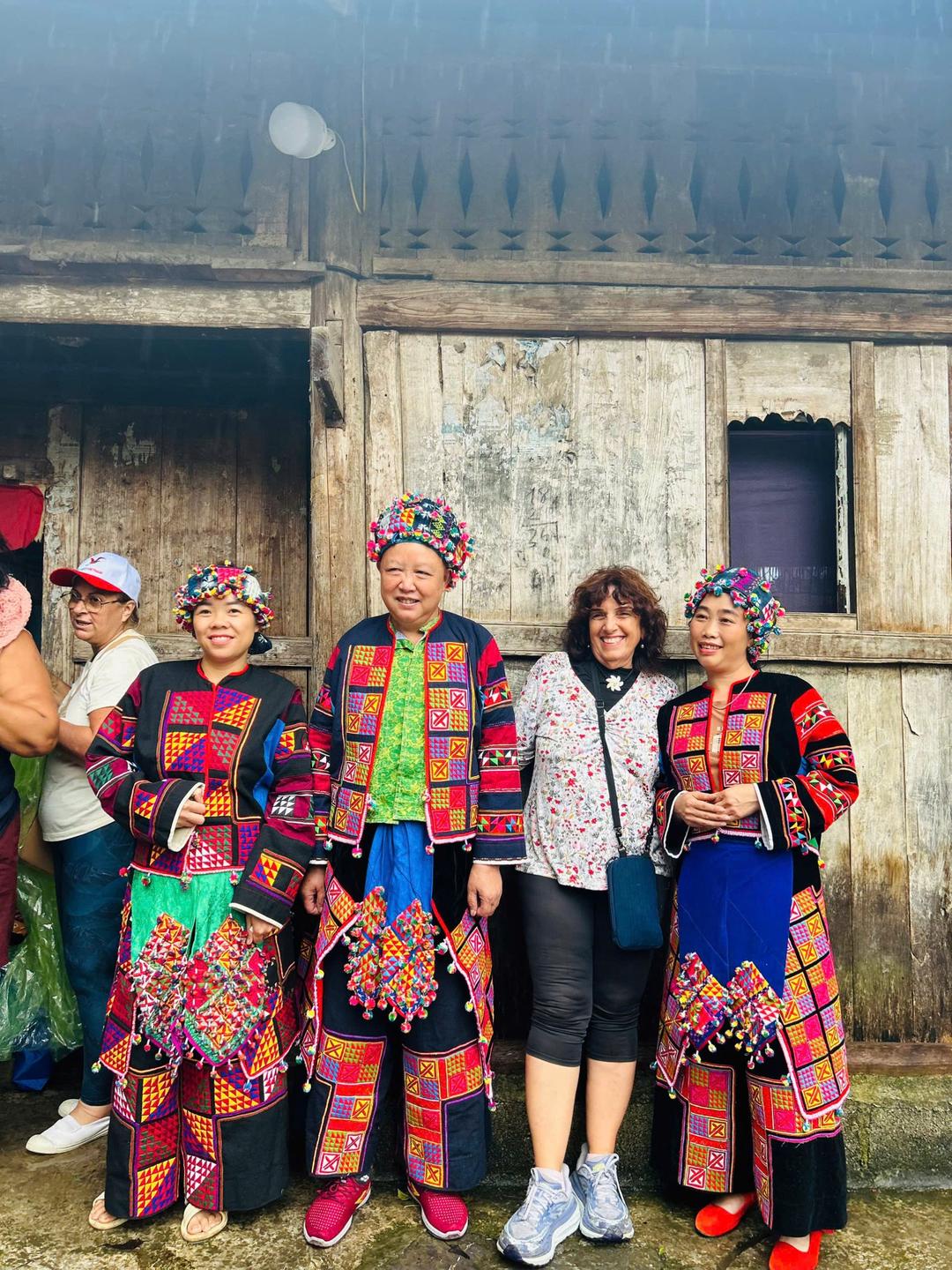
Yet Lao culture extends far beyond its temples. It is expressed through traditional handicrafts, music, festivals, local cuisine, and the remarkable diversity of ethnic communities across the country. Each region reveals a different side of Laos.
A slower pace that enriches the journey
In Laos, everything seems to encourage travelers to slow down. Days unfold peacefully, far from the hustle and bustle of Asia’s major cities.
This relaxed lifestyle particularly appeals to travelers who enjoy immersive journeys and itineraries that leave room for genuine encounters. The result is a richer, more personal, and often more memorable travel experience.
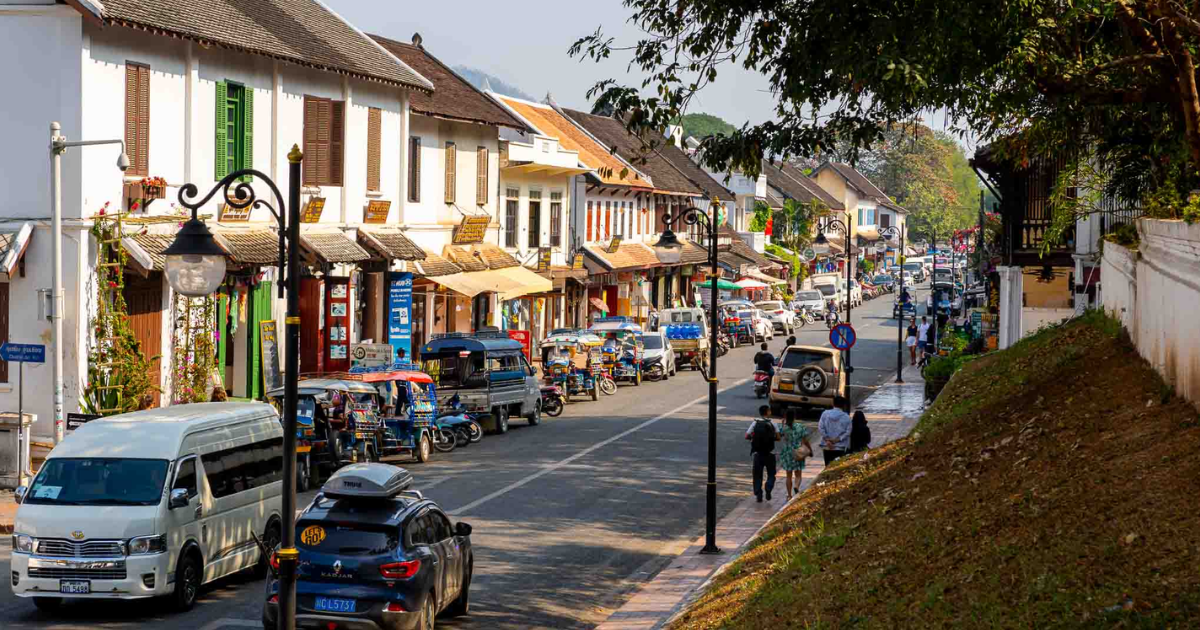
Must-see destinations in Laos
From its mountainous north to the Mekong’s fertile plains, Laos offers an impressive variety of landscapes and experiences. Some destinations have become essential stops thanks to the way they embody the country’s cultural and natural heritage.
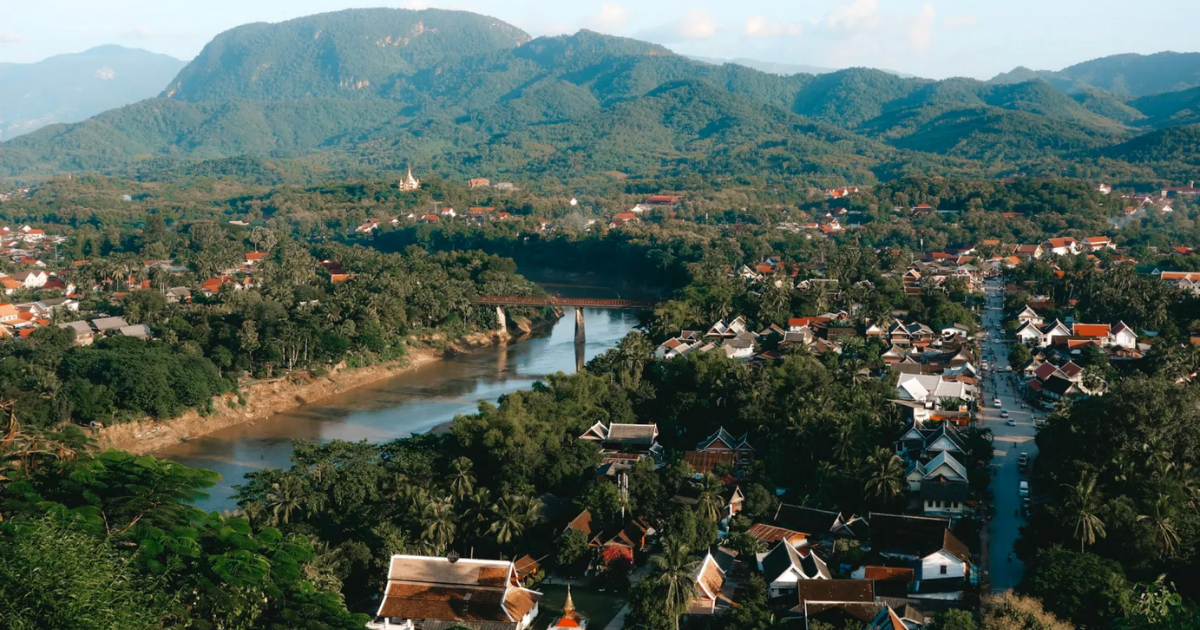
Luang Prabang, the cultural heart of Laos
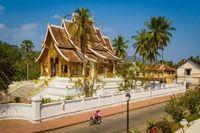
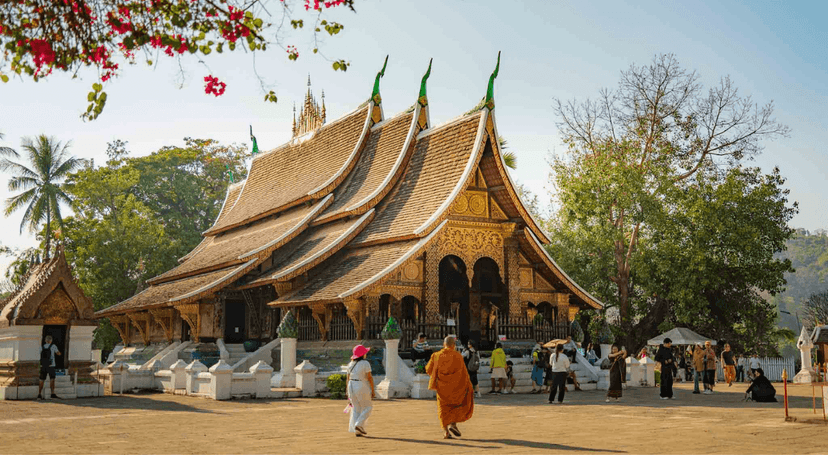
Recognized as a UNESCO World Heritage Site, Luang Prabang is often regarded as the jewel of Laos. Its unique appeal lies in the harmonious blend of Buddhist heritage, colonial architecture, and an exceptionally relaxed way of life.
At dawn, the streets come alive with the famous alms-giving ceremony, as monks quietly collect offerings from local residents. Later in the day, golden temples, traditional markets, and the Mekong riverbanks invite visitors to wander at their own pace. Few cities in Asia offer such a peaceful and elegant atmosphere.
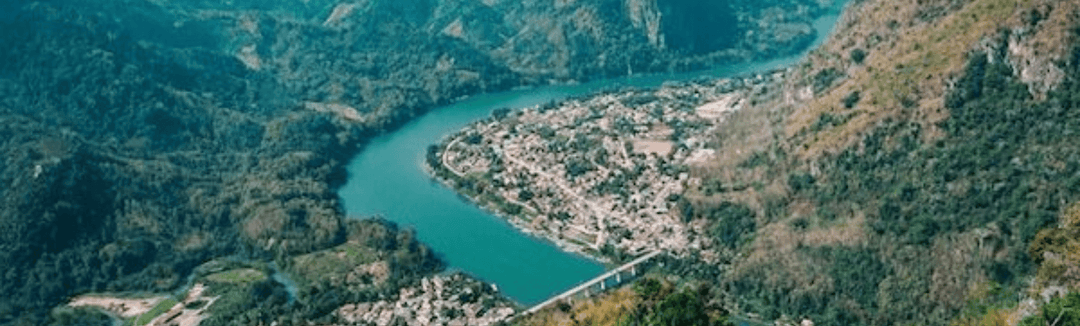
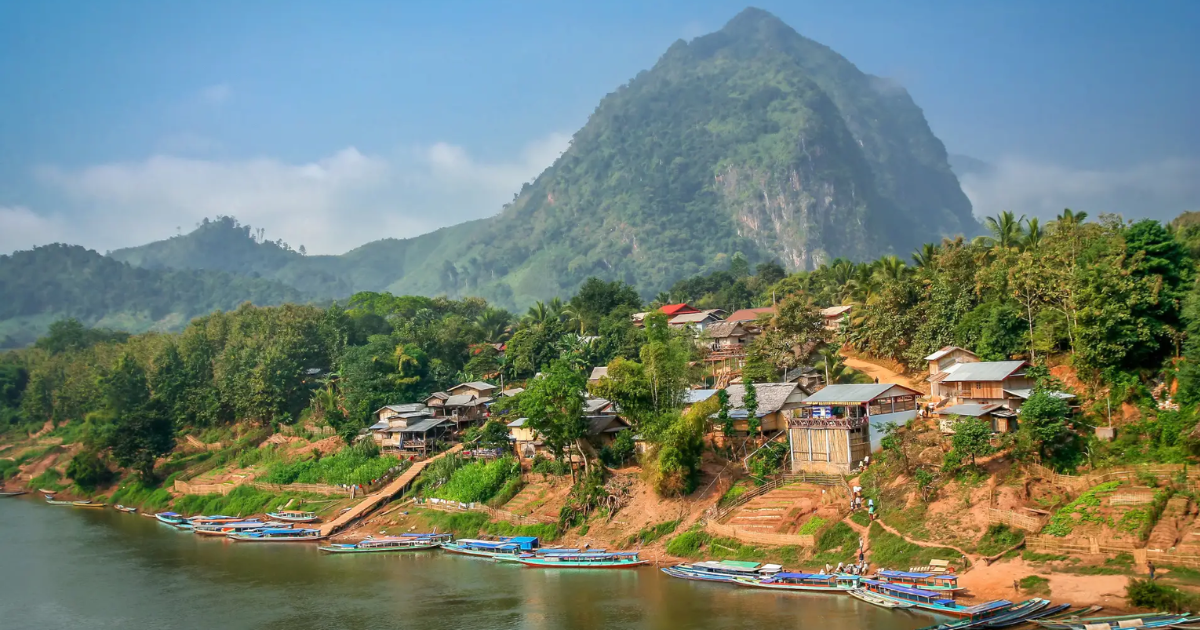
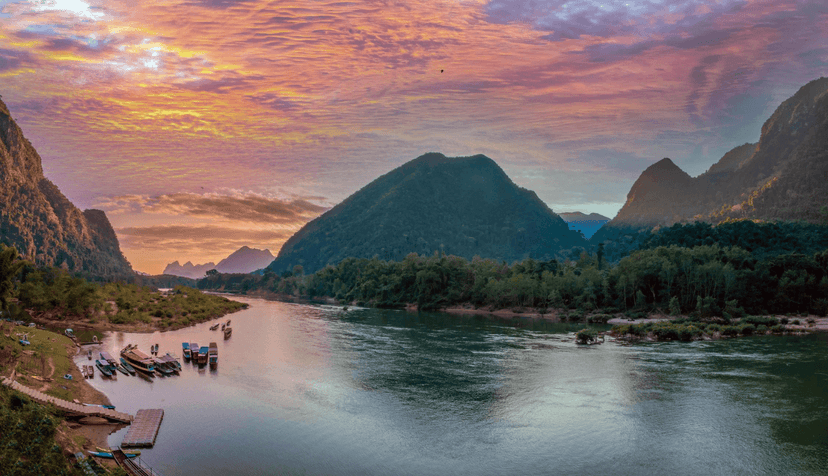
Nong Khiaw, where limestone mountains meet the Nam Ou River
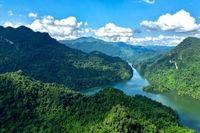
Nestled in the heart of a spectacular karst landscape, Nong Khiaw is one of the most beautiful destinations in northern Laos. Surrounded by towering limestone cliffs and crossed by the Nam Ou River, this small village captivates visitors with its peaceful atmosphere.
Travelers come here to admire breathtaking viewpoints, enjoy scenic hikes, or simply relax and soak in the tranquil surroundings. It is the perfect destination for discovering a more authentic side of Laos, far from the country’s busiest tourist routes.
Muang Khua, a hidden stop along the Nam Ou River
Located near the Vietnamese border, Muang Khua remains one of Laos’ lesser-known destinations. This small riverside town often serves as a gateway to the remote valleys of northern Laos.
Its greatest attraction lies in its pristine natural surroundings and scenic boat trips along the Nam Ou River, which connect several isolated villages. The journey offers valuable insight into rural life and the country’s rich ethnic diversity.
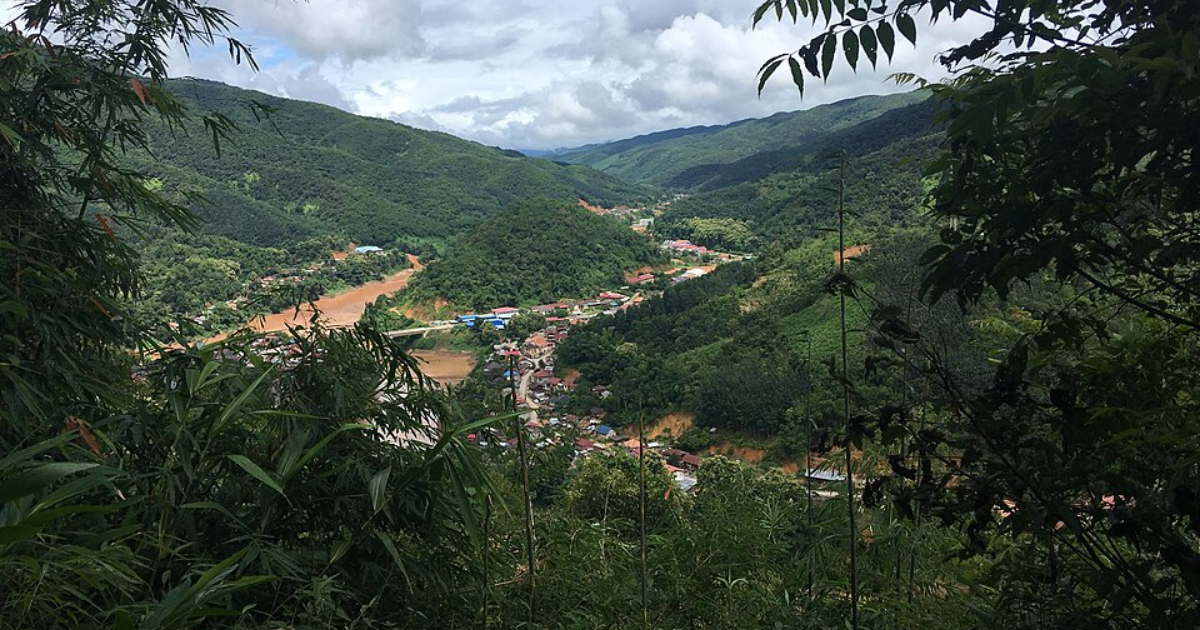
Huay Xai, the gateway to northern Laos
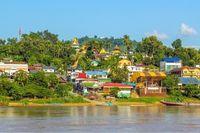
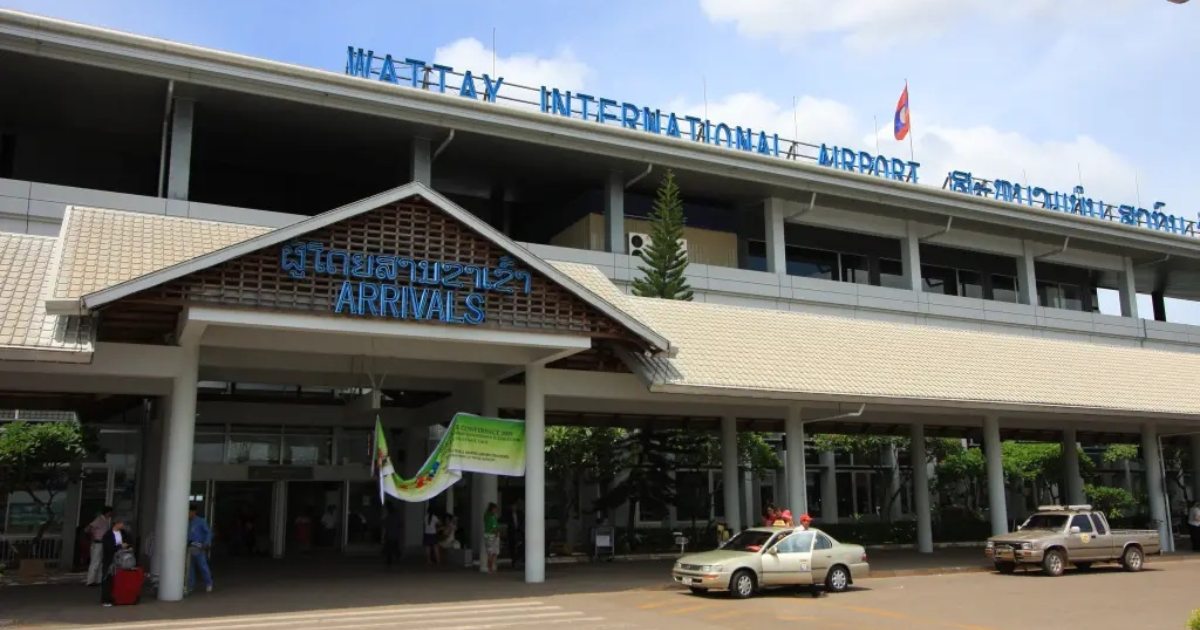
Located on the banks of the Mekong River opposite Thailand, Huay Xai is one of the country’s main entry points. The town often marks the beginning of a journey through the wild landscapes of northern Laos.
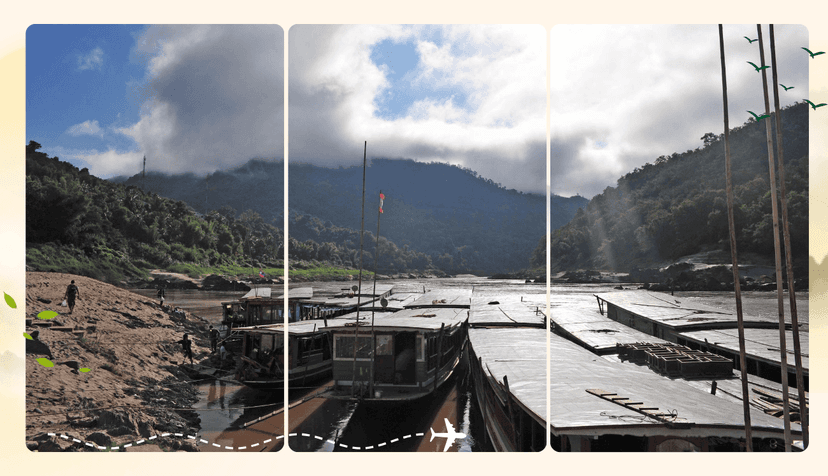
It is also well known as the departure point for Mekong cruises to Luang Prabang. This river journey is considered one of the most memorable ways to discover the region’s breathtaking scenery and traditional riverside villages.
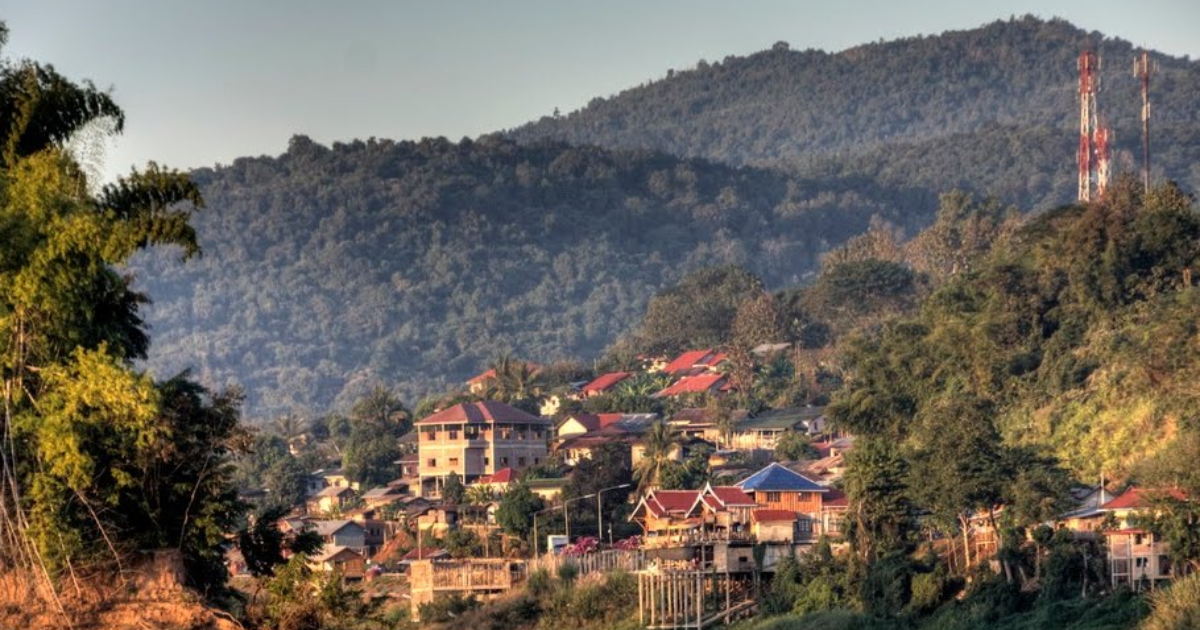
Vang Vieng and its spectacular karst landscapes
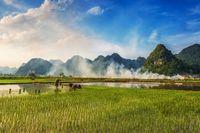
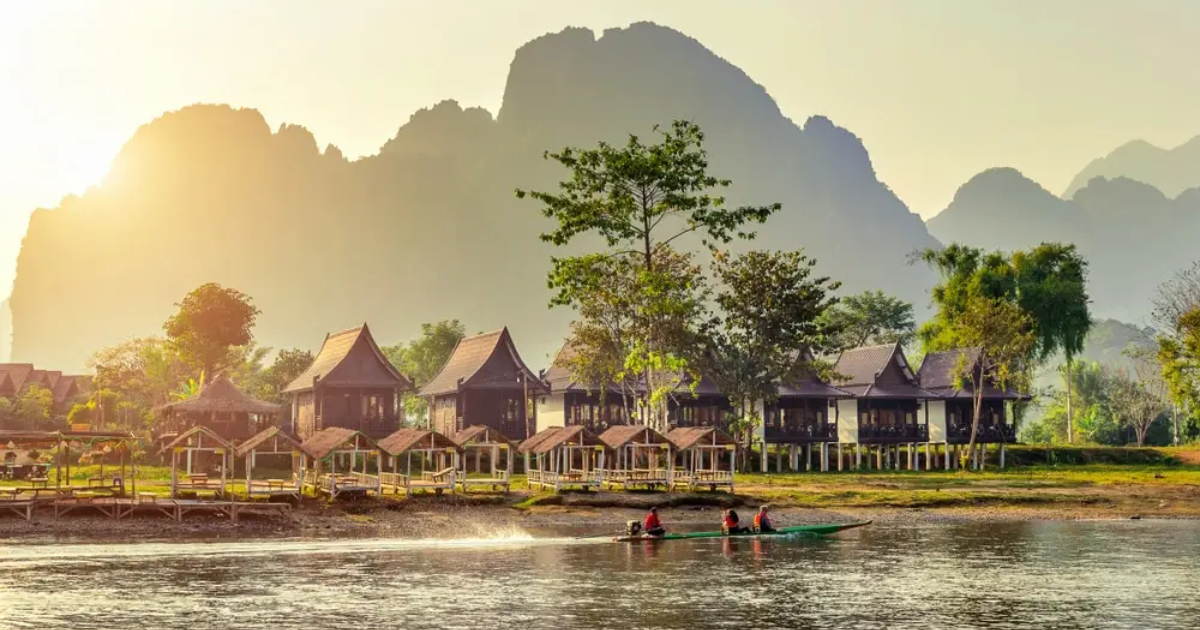
Surrounded by dramatic limestone mountains, Vang Vieng boasts some of the country’s most stunning natural scenery. Towering peaks are reflected in rice fields and winding rivers, creating remarkably photogenic landscapes.
The region is best explored at a leisurely pace, with opportunities for gentle walks, cave visits, and peaceful moments admiring the scenery. Travelers especially appreciate the calm atmosphere that now defines this spectacular valley.
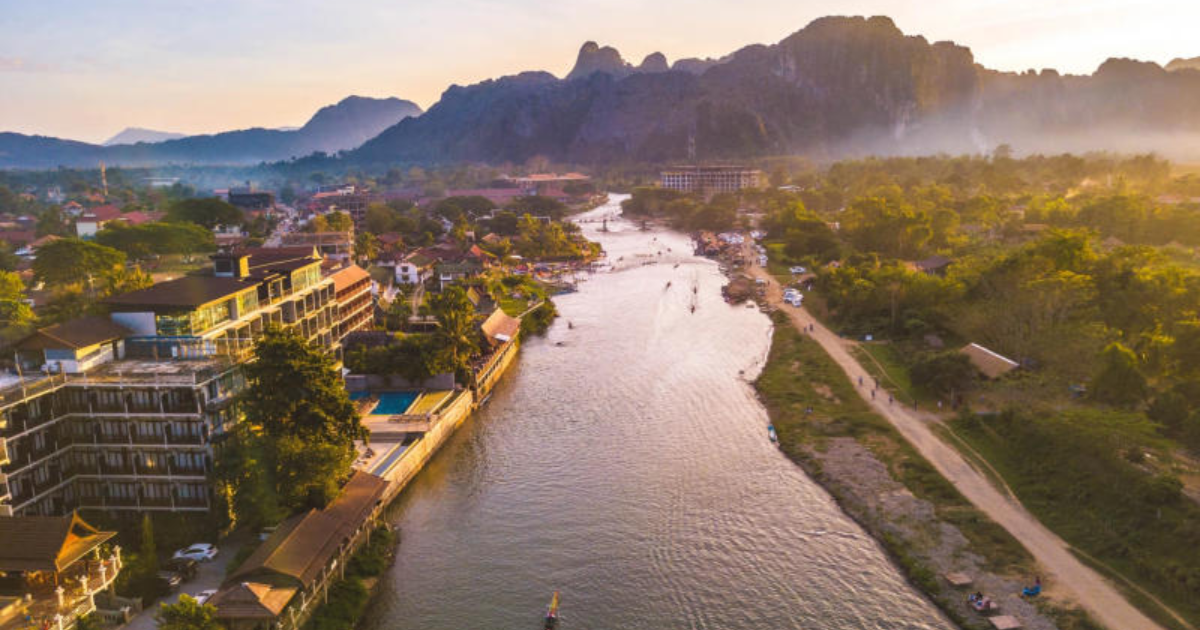
Vientiane, the laid-back capital
At first glance, Vientiane surprises visitors with its simplicity. Unlike many Asian capitals, it has maintained a relaxed and easygoing pace of life.
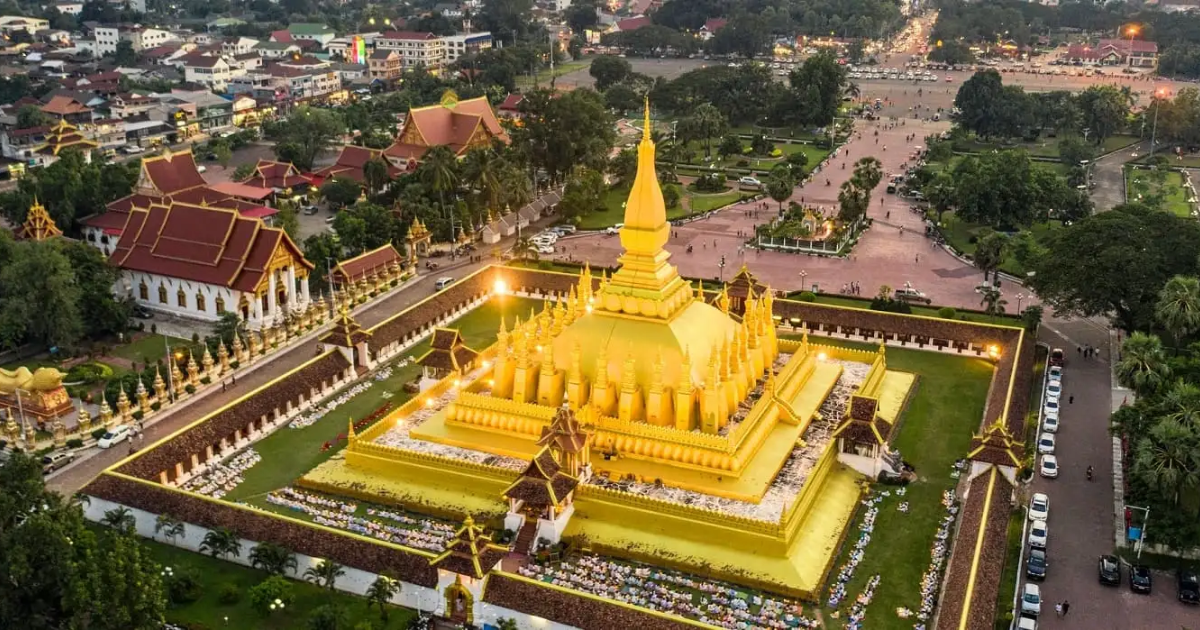
The iconic Pha That Luang stupa, historic temples, and scenic walks along the Mekong River provide an excellent introduction to Lao culture. Vientiane is also an ideal starting point for travelers arriving in Laos.
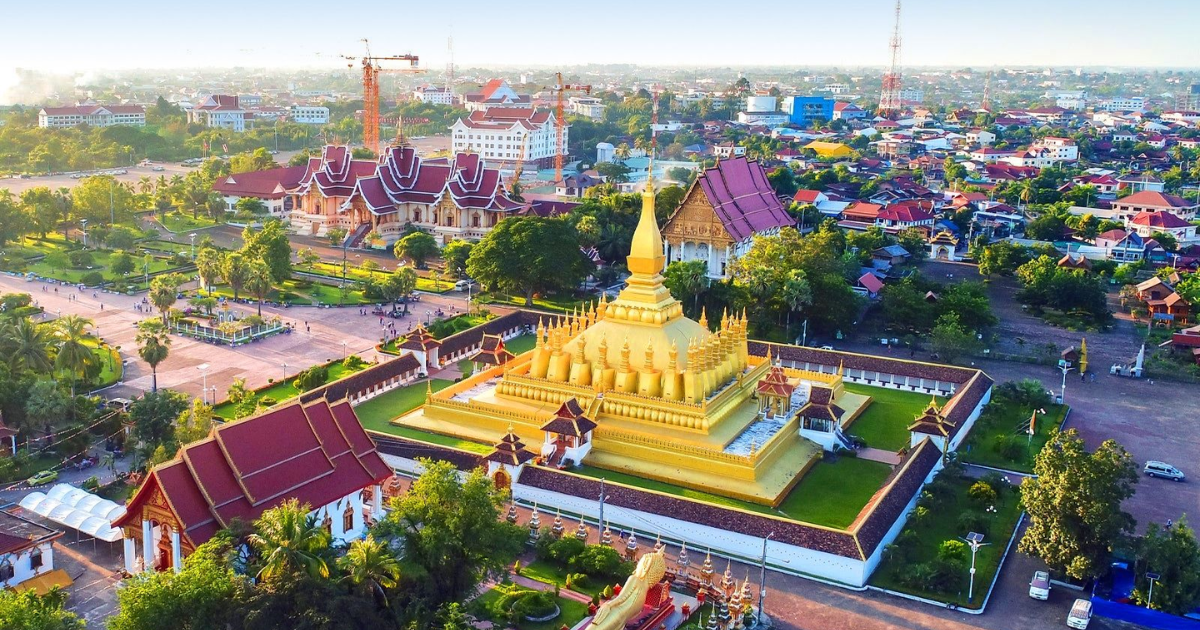
Pakse and the treasures of southern Laos
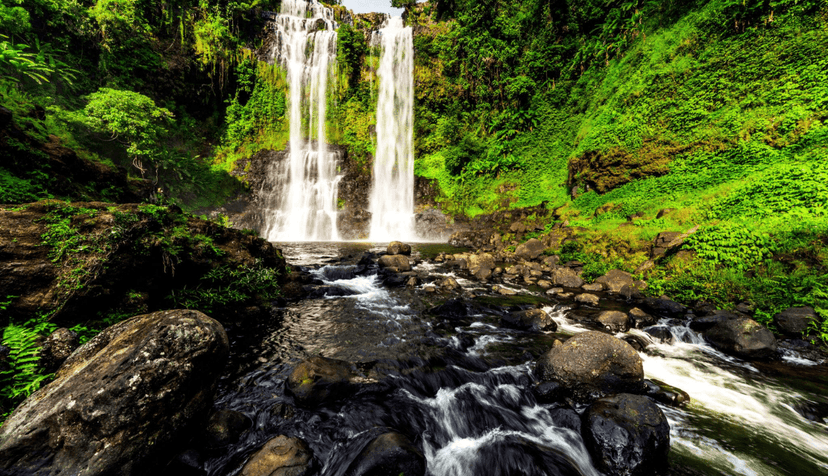
As the gateway to southern Laos, Pakse is an excellent base for exploring the region’s diverse landscapes. It provides easy access to the Bolaven Plateau, renowned for its coffee plantations, waterfalls, and traditional villages.
From Pakse, travelers can also reach the famous 4,000 Islands, where the Mekong River divides into countless islets. This lesser-known region captivates visitors with its unspoiled nature and exceptionally peaceful atmosphere.
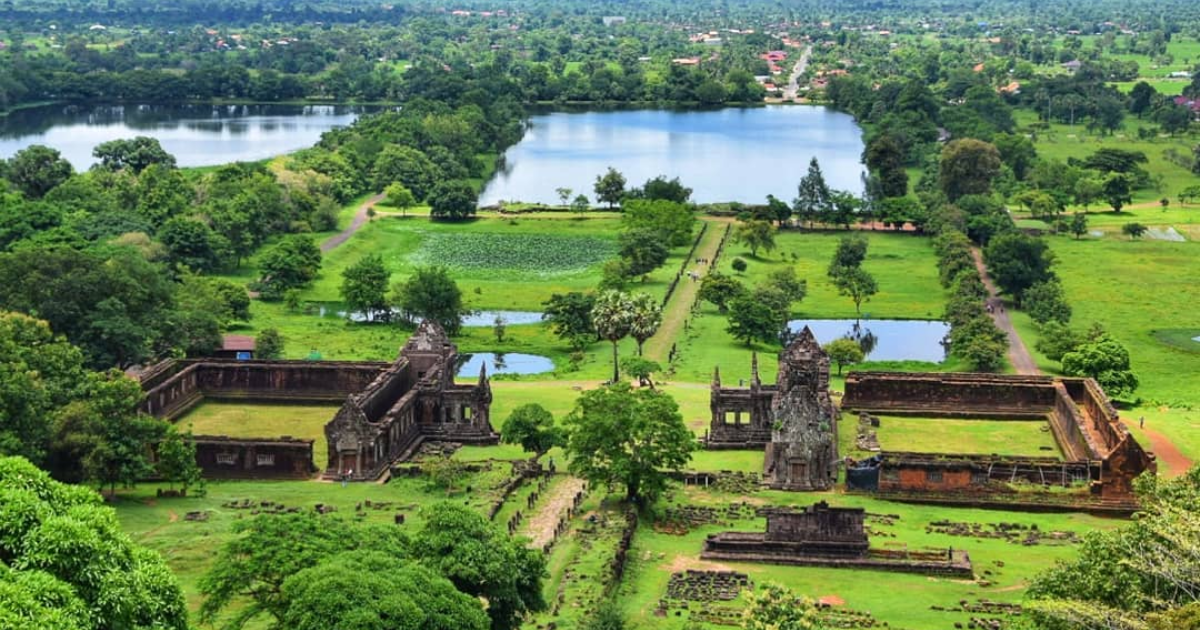
Southern Laos and the 4,000 Islands
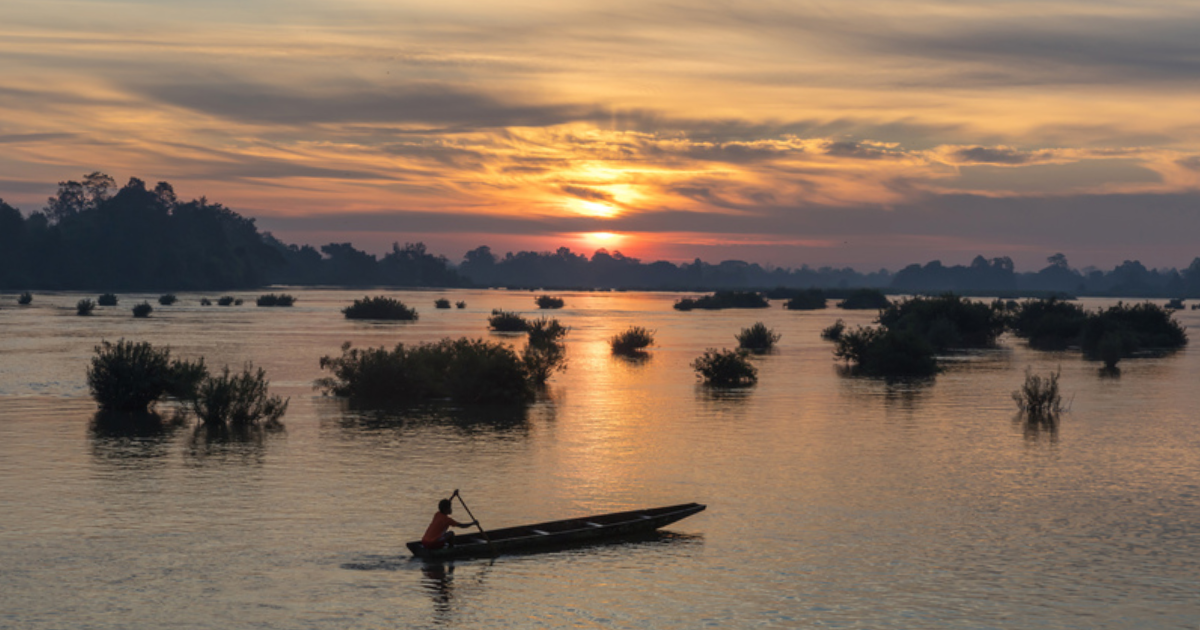
Further south, the Mekong River branches into countless channels, creating the 4,000 Islands archipelago. This region is one of the most peaceful areas in the country.
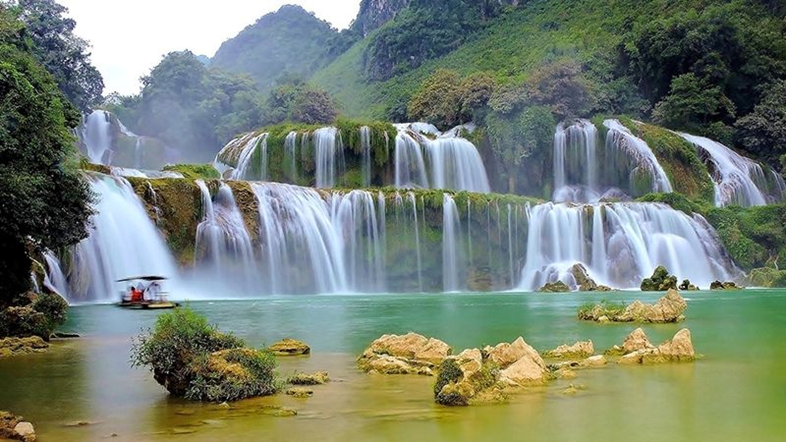
Its landscapes remain remarkably unspoiled. Villages follow the rhythm of the river, while travelers come in search of tranquility, nature, and authenticity. The spectacular Khone Phapheng Falls complete the discovery of this lesser-known side of Laos.
Unmissable experiences in Laos
Beyond its iconic landmarks, it is often the experiences themselves that leave the most lasting memories. Laos has the rare ability to turn simple moments into unforgettable ones.
Witnessing the alms-giving ceremony is one of the country’s most memorable experiences. In the silence of early morning, local people offer sticky rice to monks dressed in saffron robes. This daily ritual reflects the important role Buddhism continues to play in Lao society.
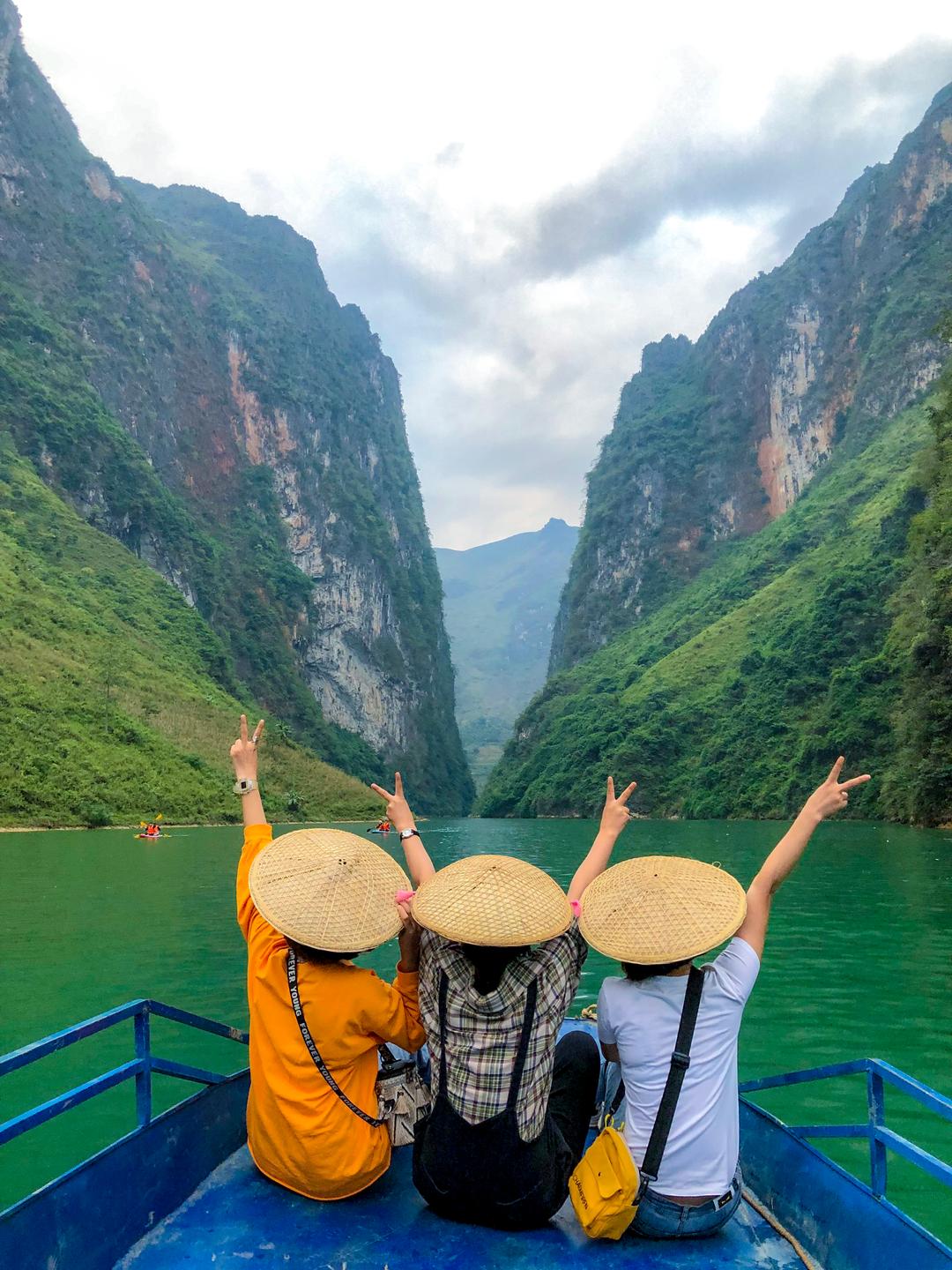
Cruising along the Mekong River is another highlight of any trip to Laos. From the deck of a boat, the scenery unfolds slowly as riverside villages appear around each bend. It is one of the most authentic ways to experience the country.
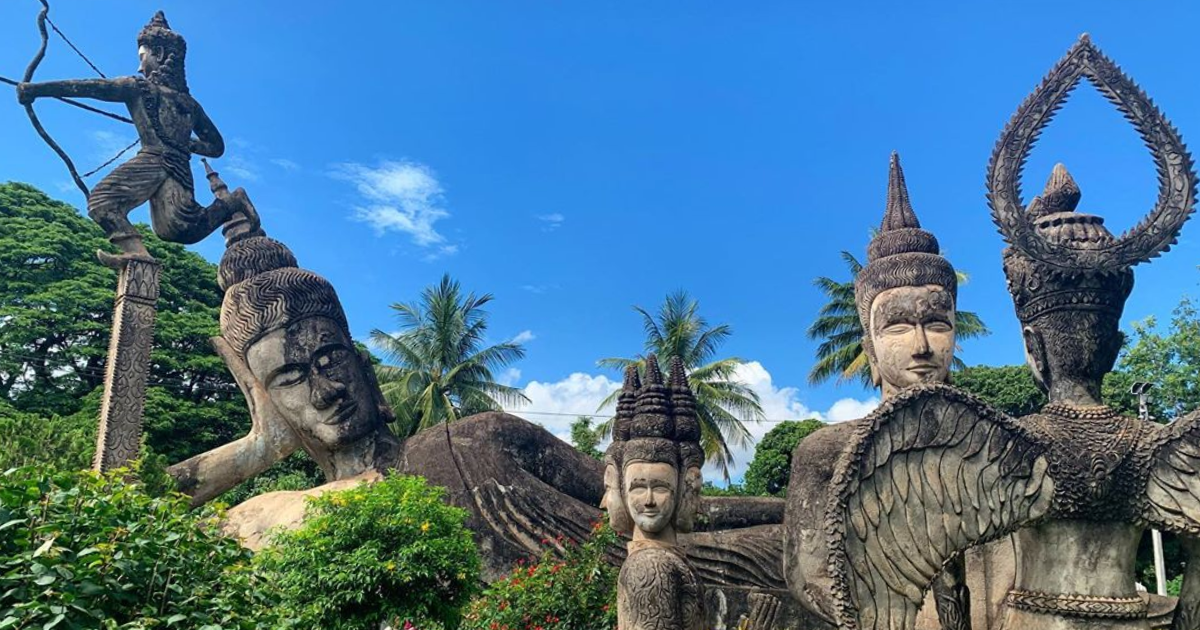
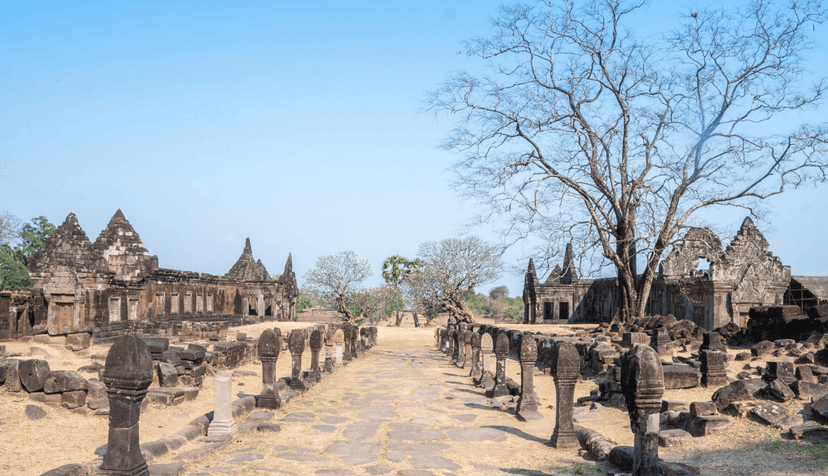
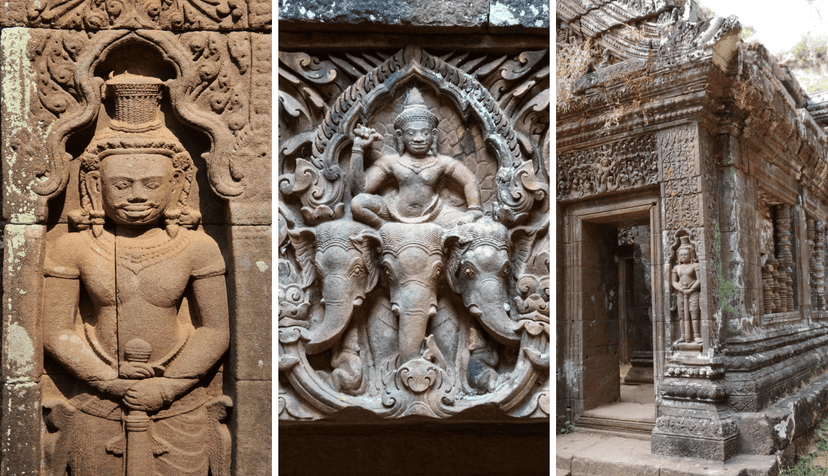
Visiting Buddhist temples offers another opportunity to immerse yourself in the local culture. Some of these temples are among the finest religious monuments in Southeast Asia and showcase the country’s rich spiritual heritage.
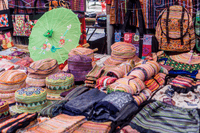
Finally, taking time to stroll through local markets, sample traditional cuisine, or chat with local residents is an essential part of the journey. These spontaneous encounters are often what give a trip to Laos its greatest meaning.
How much time should you allow to explore Laos?
Laos is best discovered at a relaxed pace. Depending on how much time you have, several itinerary options are possible.
One week to discover the highlights
One week is enough to explore the main attractions of northern Laos. Luang Prabang, Vang Vieng, and Vientiane can easily be combined into a well-balanced itinerary that offers an excellent introduction to the country.
This option is particularly suitable for travelers who wish to include Laos as part of a longer journey through Southeast Asia.
Two weeks for a more in-depth journey
With two weeks, the experience becomes much more complete. You’ll have more time to enjoy cultural sites and explore southern Laos.
For most travelers, this duration offers the ideal balance between rich experiences and comfortable travel.
More than two weeks for complete immersion
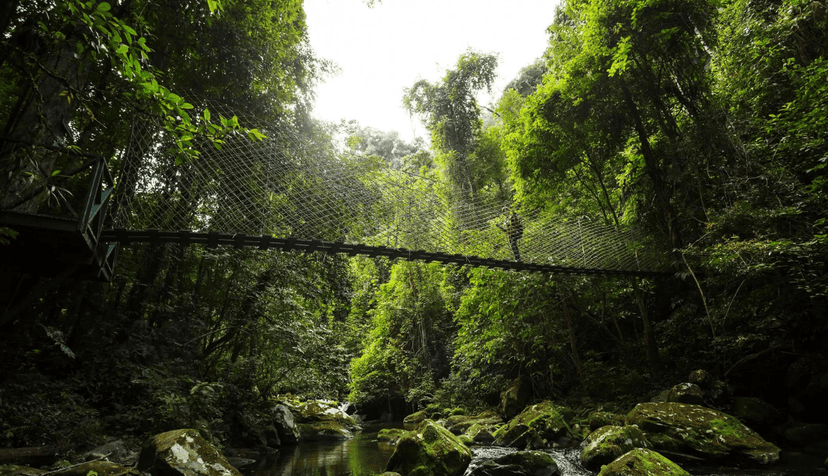
Travelers with extra time can venture into lesser-known regions and enjoy even more authentic local experiences.
This approach reveals a more secluded side of Laos, far from the classic tourist routes, while creating opportunities for genuinely rewarding encounters.
When is the best time to visit Laos?
Laos’ climate varies from one region to another and throughout the year. However, every season has its own advantages and can provide a rewarding travel experience.
The dry season: the ideal time to explore
From November to February, temperatures are pleasant and rainfall is limited. These conditions are ideal for cultural sightseeing, Mekong cruises, and exploring the country’s cities.
This period also corresponds to the peak tourist season, especially among European travelers.
The green season: lush landscapes and authentic experiences
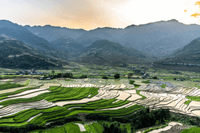
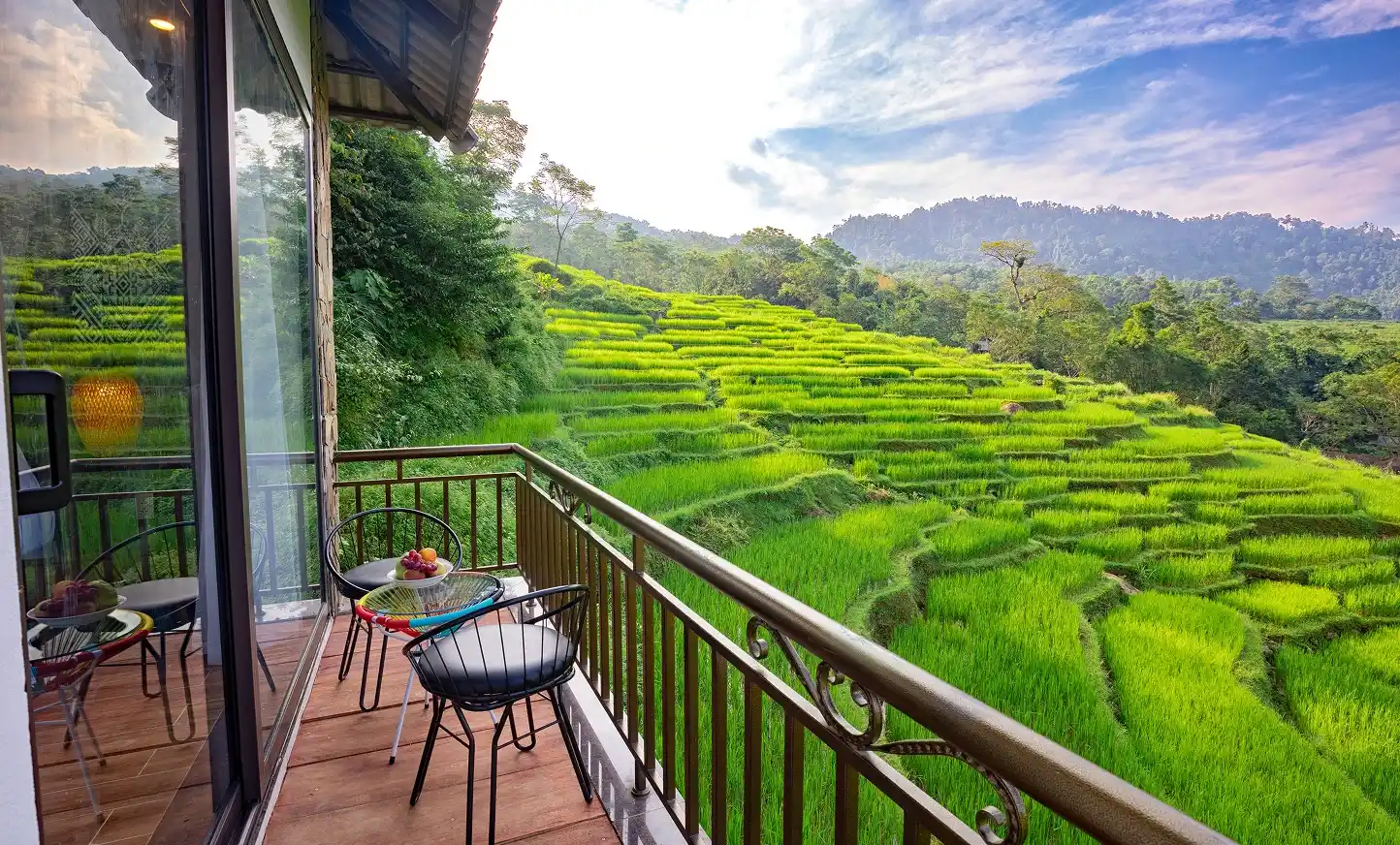
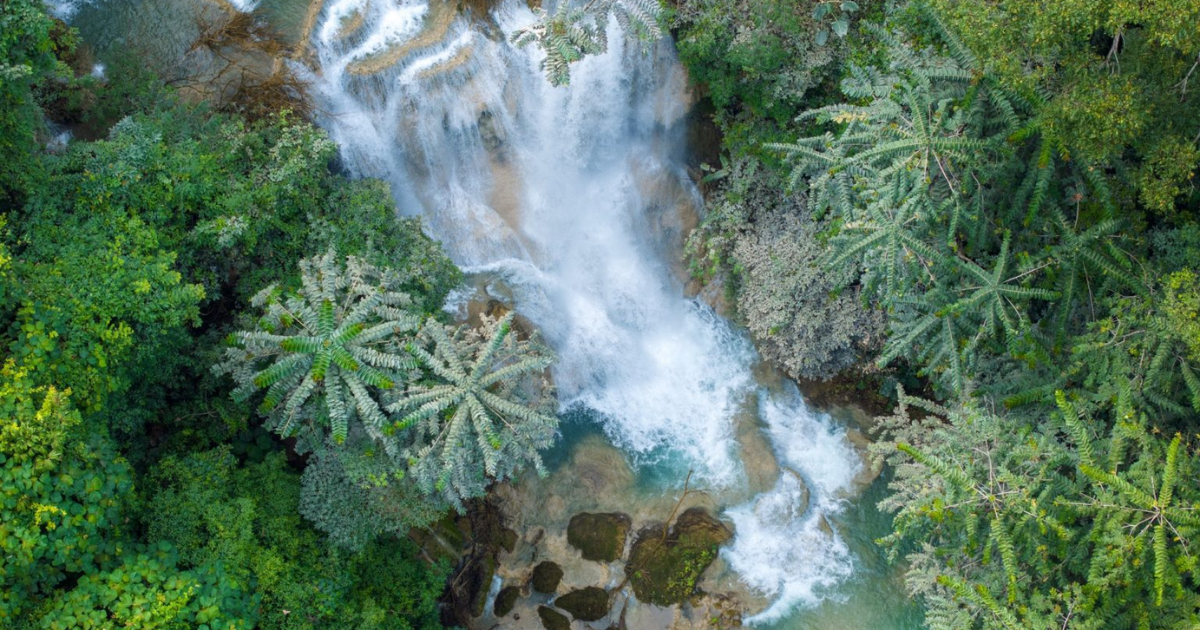
From June to October, seasonal rains transform the landscape into vibrant shades of green. Rice fields become especially spectacular, while waterfalls reach their most impressive flow.
This season is perfect for travelers seeking lush scenery and fewer tourists.
Practical information for planning your trip to Laos
A few essential tips will help you prepare for your journey with confidence and make the most of your time in Laos.
Entry requirements and visas
Entry requirements may change over time, so it is advisable to check the latest regulations with the relevant authorities before departure.
For most travelers, the visa process is generally straightforward.
Budget and transportation
Laos remains a relatively affordable destination. Food, accommodation, and transportation are reasonably priced, offering excellent value for money.
The country’s infrastructure has improved considerably in recent years, particularly with the development of its railway network, which has made traveling between certain destinations much easier.
Is Laos suitable for senior travelers?
Laos is especially well suited to senior travelers thanks to its peaceful pace of life and relaxed atmosphere. Cultural experiences play a central role, and itineraries can easily be adapted to suit individual preferences.
Many travelers over the age of 55 particularly appreciate this slower, more contemplative style of travel, far removed from fast-paced tours.
Can you combine Laos and Vietnam in one trip?
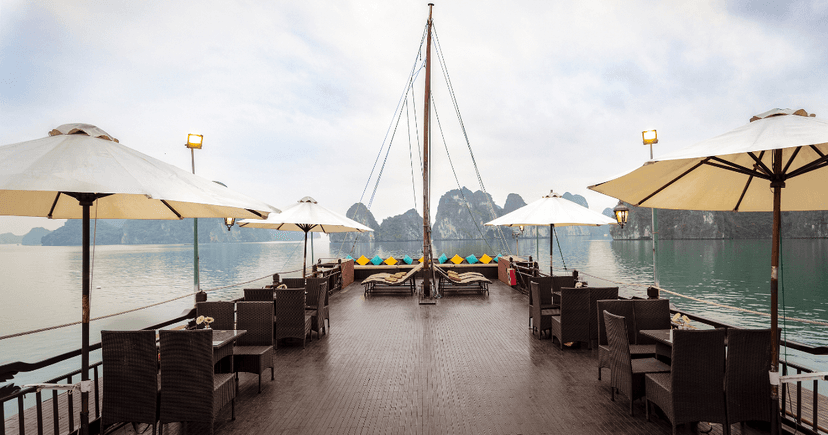
Laos and Vietnam make an excellent combination for travelers. Although the two countries share certain historical influences, each offers a distinctly different travel experience.
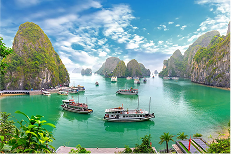
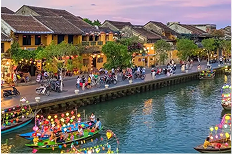
Vietnam impresses with its diversity, vibrant energy, and spectacular landscapes, while Laos invites visitors to slow down, reflect, and immerse themselves in local culture. Together, they create a well-balanced and deeply rewarding itinerary.
If you wish to explore Indochina in greater depth, combining Laos and Vietnam in a single journey is an excellent option. Discover our tours in Laos and Vietnam to create an itinerary that matches your travel style and interests.
Frequently asked questions
Before traveling to Laos for the first time, many travelers have similar questions. Here are the answers to the most frequently asked ones.
Is Laos a safe country?
Laos is generally considered a safe destination for travelers. As with any destination, basic precautions are always recommended, but the country enjoys a reassuring reputation for safety.
How many days should you spend in Laos?
For a first visit, around ten days is a comfortable minimum. However, two weeks allows you to explore more regions and fully appreciate the country’s relaxed pace.
Is Laos suitable for a first trip to Asia?
Absolutely. Its peaceful atmosphere, the warm hospitality of its people, and its easygoing style of travel make Laos an excellent introduction to Southeast Asia.
Laos: a timeless journey along the Mekong
In a world that seems to move faster every day, Laos reminds us of the pleasure of slowing down. Slowing down to watch the morning mist drifting over the Mekong, to listen to the bells of a Buddhist temple, or simply to enjoy a conversation with local people.
It is this quiet authenticity that makes Laos so unforgettable. More than just a destination, it offers a different way of traveling—more meaningful, more contemplative, and deeply rewarding.
If you dream of a journey that combines culture, nature, and authentic encounters, discover our tours in Laos. From the cultural heritage of Luang Prabang to the breathtaking landscapes of southern Laos, every itinerary reveals one of Asia’s last great unspoiled treasures.
Let Villages Vietnam guide you beyond the horizon
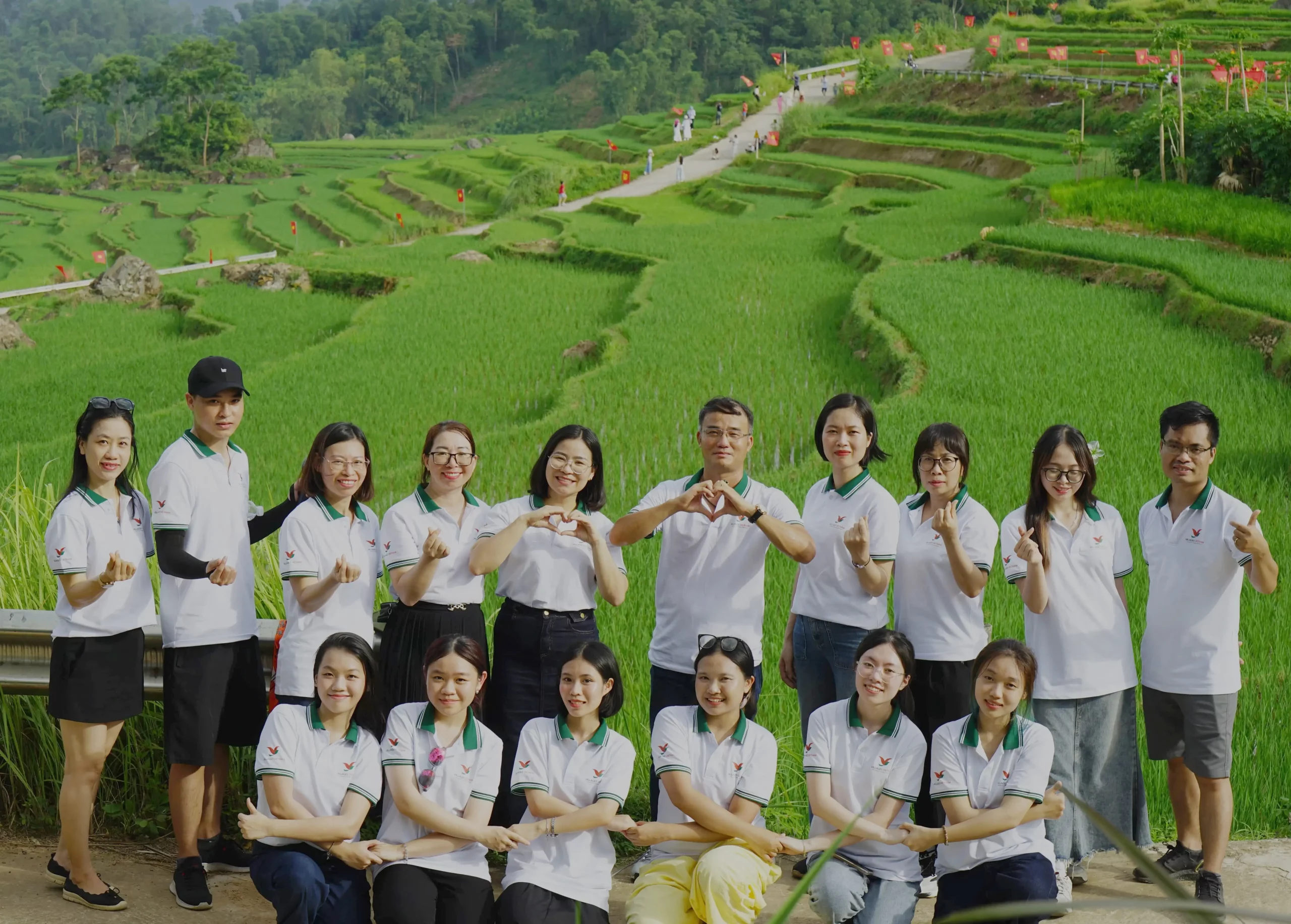
Let Villages Vietnam guide you toward new horizons. Gentle, meaningful, and deeply immersive experiences. Simple yet unforgettable encounters.
We invite you to live rare moments:
- Lose yourself in the picturesque landscapes of Vietnam
- Follow the peaceful rhythm of the rice fields in Laos
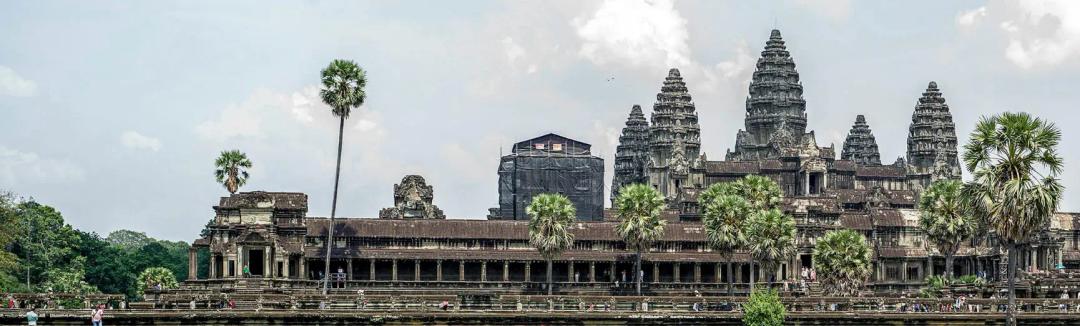
- Walk in silence toward the ancient temples of Cambodia, hidden deep within lush forests
Villages Vietnam proudly creates authentic cultural journeys, crafted with care and heart. Our tours highlight the soul of Indochina — its traditions, gentleness, and the warmth of its people.
If you dream of a unique journey, designed just for you, a journey that leaves a mark on the heart, our team will be there, attentive and available.
We promise you the most beautiful discoveries: stories to share, emotions to feel, and our deep knowledge of the lands you will explore.
- Contact: Ms. Jade VU
- WhatsApp: +84 0986 527 836
- Email: info@villagesvietnam.com
- Office in Vietnam: 7th floor, 30 Tran Phu Boulevard, Ha Dong District, Hanoi, Vietnam
- Office in France: 726 Chemin de la Croix du Sud, 83200 Toulon, France
- Office in Thailand: Klang Muang Village, Soi Srinakarindra 24, Srinakarindra Road, Suan Luang District, Bangkok 10250, Thailand
Published by:
Villages Vietnam
Publication date:
23/07/2026
Beautiful journeys
Travel guide

Frequently Asked Questions
In general, the best time to visit Vietnam is from November to April. But you can travel all year round. The weather changes a lot from region to region, so when it rains or gets cold in one place, it can be sunny somewhere else.
Internet access is easy and affordable. Most hotels, cafés, and restaurants offer free Wi-Fi. If you want to stay connected all the time on your phone, you can buy a local SIM card. It gives you a stable connection during your trip for a very good price.