






















 Iconic place
Pakse & the Bolaven Plateau: a vibrant highland in the heart of Laos
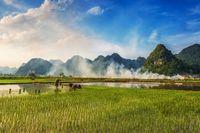
Exploring southern Laos means leaving behind the classic tourist routes to discover a region that remains largely untouched, where nature and traditions come together. Between Pakse and the Bolaven Plateau, the journey takes on another dimension: slower, deeper, and more authentic.
For French travelers who value responsible tourism, this region offers a rare immersion, combining spectacular waterfalls, traditional villages, and coffee plantations. Exploring Pakse and the Bolaven Plateau means discovering a vibrant and sincere Laos that has preserved its original character.
Pakse & Bolaven Plateau: between city and living nature
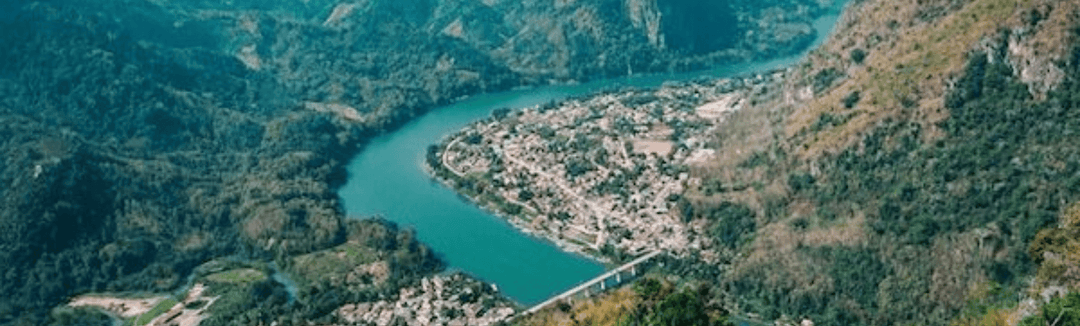
Pakse is often seen as a transit city. However, it plays a key role in discovering southern Laos. Located at the confluence of the Mekong River and the Xe Don River, it serves as an ideal starting point for exploring the Bolaven Plateau.
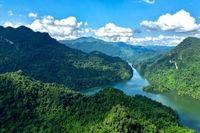
Rising more than 1,000 meters above sea level, the plateau enjoys a cooler and more humid climate. This unique environment makes it an exceptional agricultural region, especially famous for coffee cultivation.
Exploring this area means gradually moving from the lively atmosphere of Pakse to the peaceful landscapes of the countryside. The roads pass through villages, plantations, forests, and waterfalls. Each stop reveals a different side of Laos.
With a well-designed itinerary, such as those offered by Villages Vietnam, this transition unfolds smoothly, with regular stops allowing travelers to discover local know-how and the cultural richness of the plateau.
The must-see places around Pakse and the Bolaven Plateau
Before setting out to explore, it is important to understand that the experience is not limited to a simple succession of attractions. Discovering the Bolaven Plateau means following a living route, shaped by encounters and diverse landscapes.
Each stop reveals a different aspect of this region: craftsmanship, nature, agriculture, and local culture.
The Bolaven Plateau – an exceptional coffee-growing region
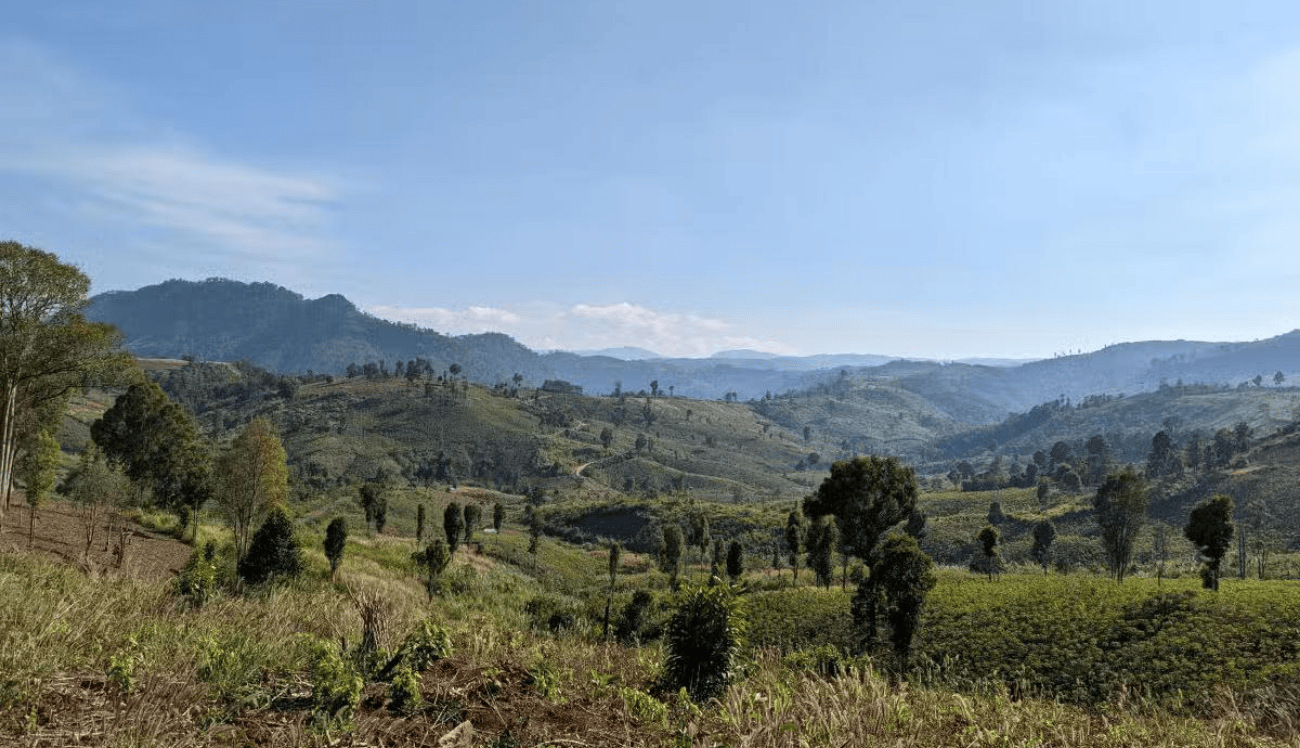
The Bolaven Plateau is located around 30 to 50 km from Pakse. This vast highland is known for its fertile soil and temperate climate, both of which are rare in Laos.
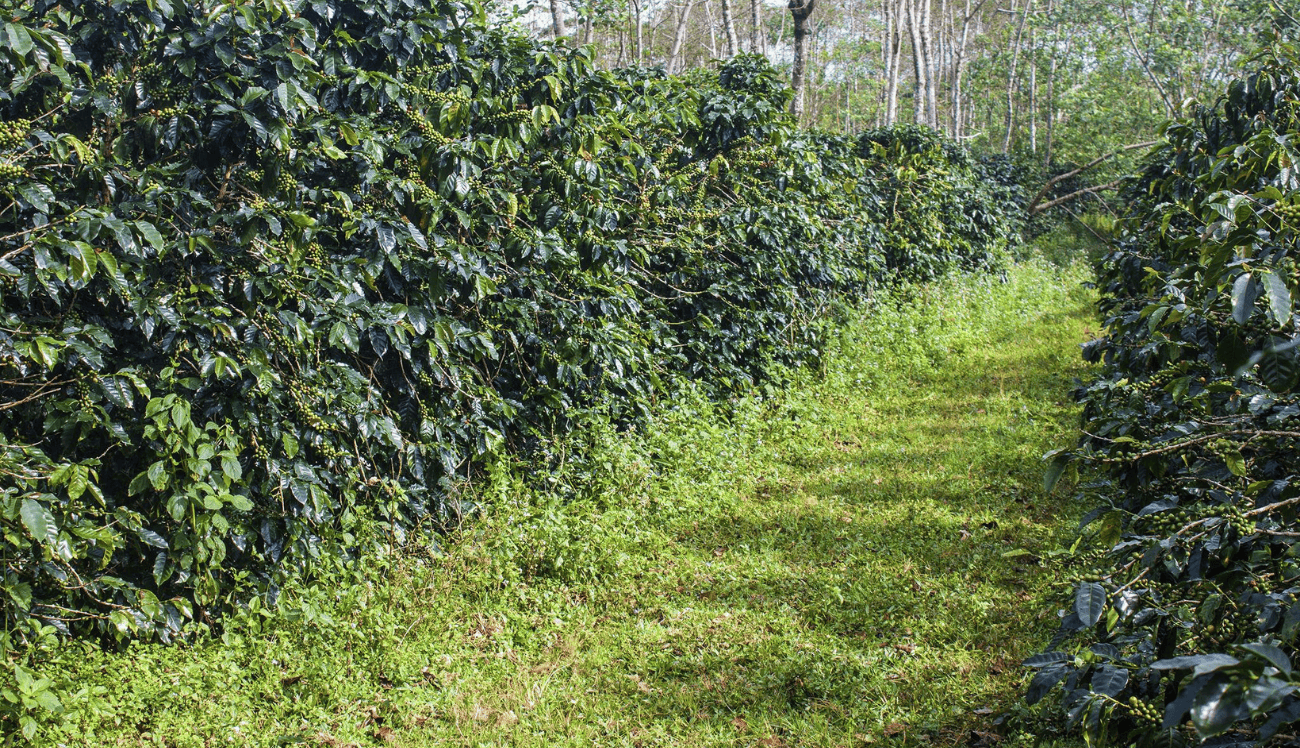
Here, coffee plantations stretch as far as the eye can see. The Arabica and Robusta coffee grown on the plateau are renowned for their quality.
Exploring this region means traveling along roads bordered by plantations, observing farming methods, and meeting local producers. It is also a place to reconnect with nature, where the peaceful surroundings invite travelers to slow down.
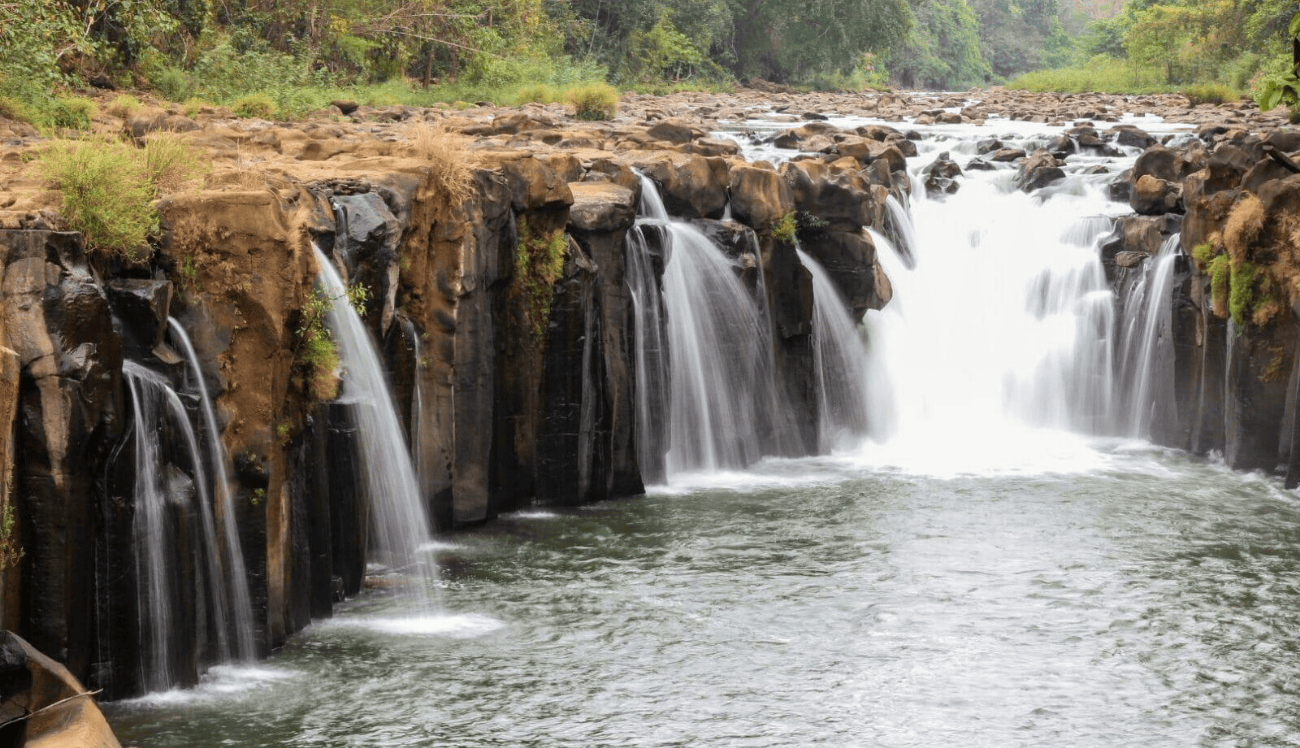
Don Kho Island – a traditional craft heritage
Don Kho Island is located on the Mekong River, north of Pakse. This small village is renowned for its traditional textile craftsmanship.
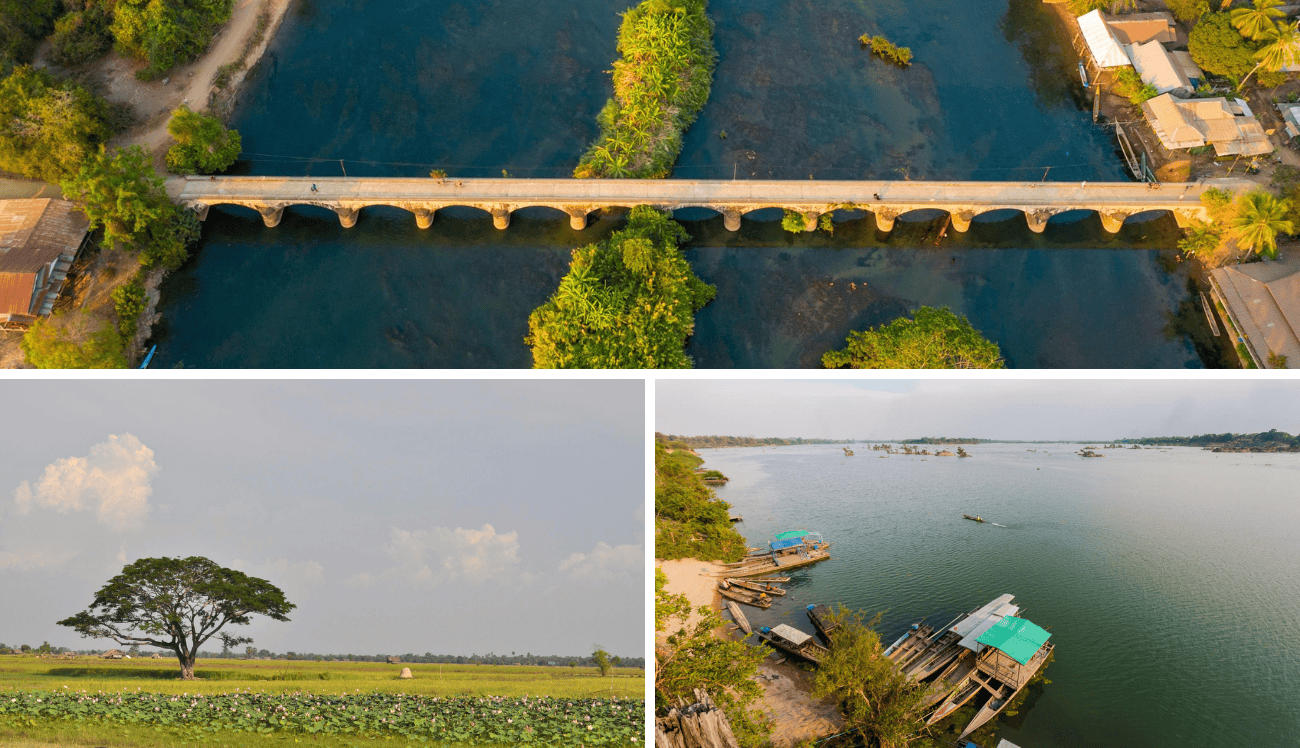
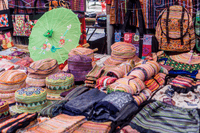
The local community continues to preserve traditional weaving techniques, particularly silk weaving. Exploring Don Kho means discovering a craft heritage passed down from generation to generation.
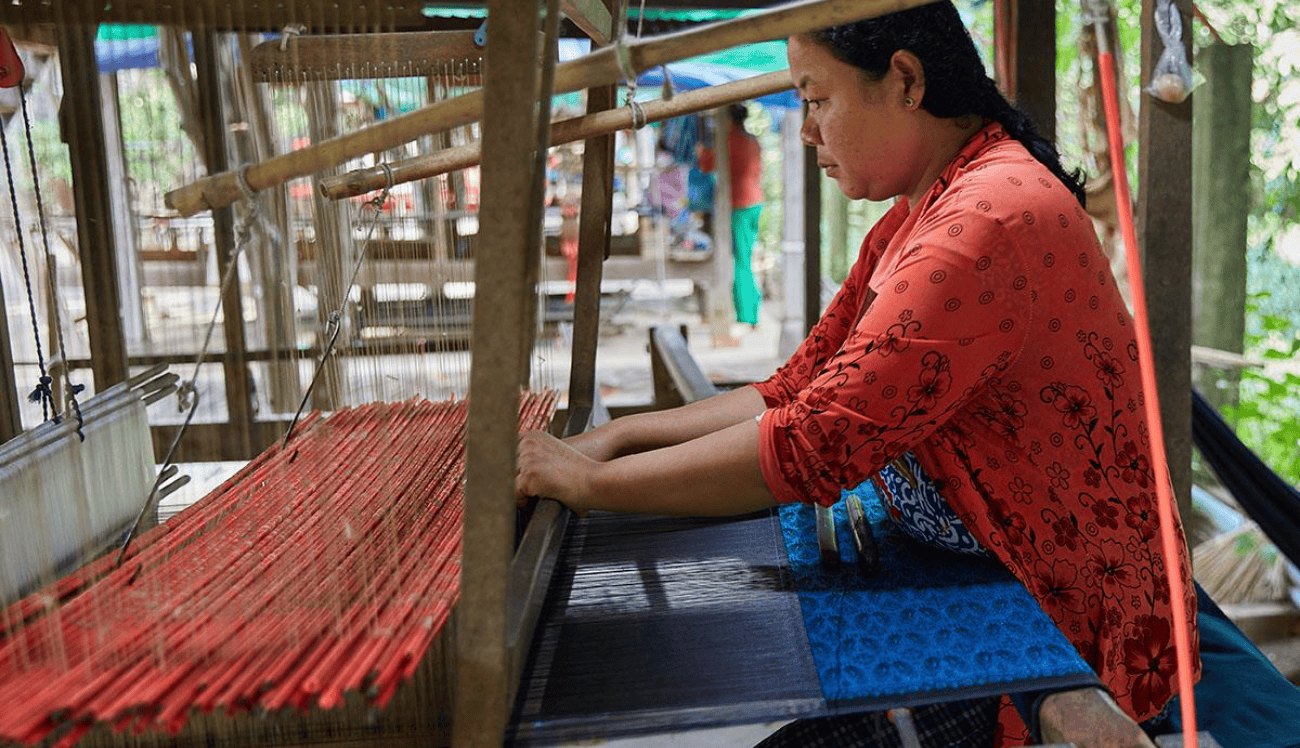
The visit offers an opportunity to observe artisans at work and understand the importance of textiles in Lao culture.
Craft villages – Ban Saphai and surrounding areas
Villages such as Ban Saphai, Ban Lak Sipchet, and Ban Lak Samsip showcase the rich craftsmanship of the region.
In Ban Saphai, silk weaving is a central activity. Elsewhere, visitors can discover the making of traditional knives or bamboo baskets.
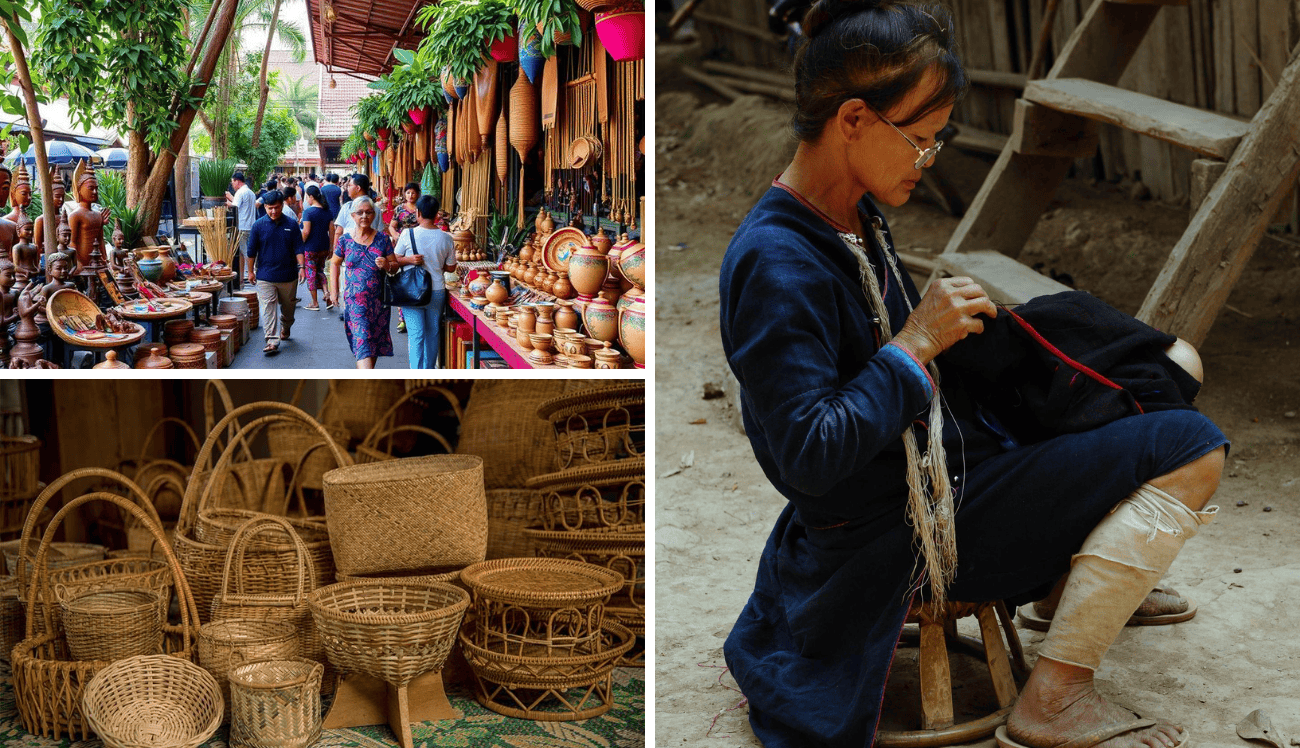
Exploring these villages means stepping into the daily lives of local communities, understanding their gestures, and discovering their relationship with natural materials.
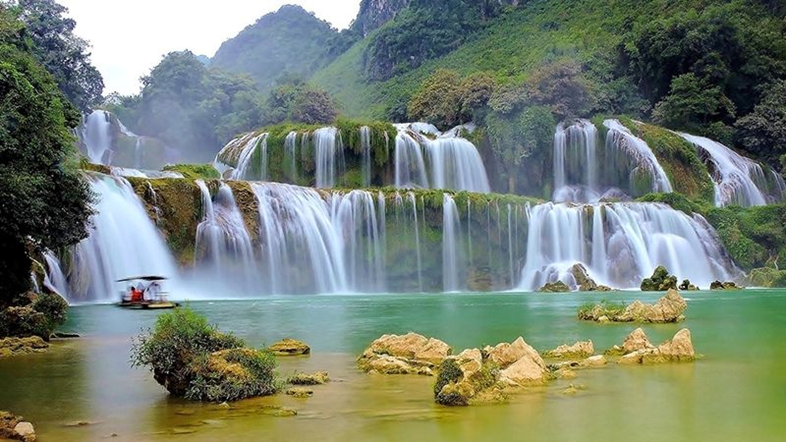
Tad Fan Waterfall – a spectacular twin cascade
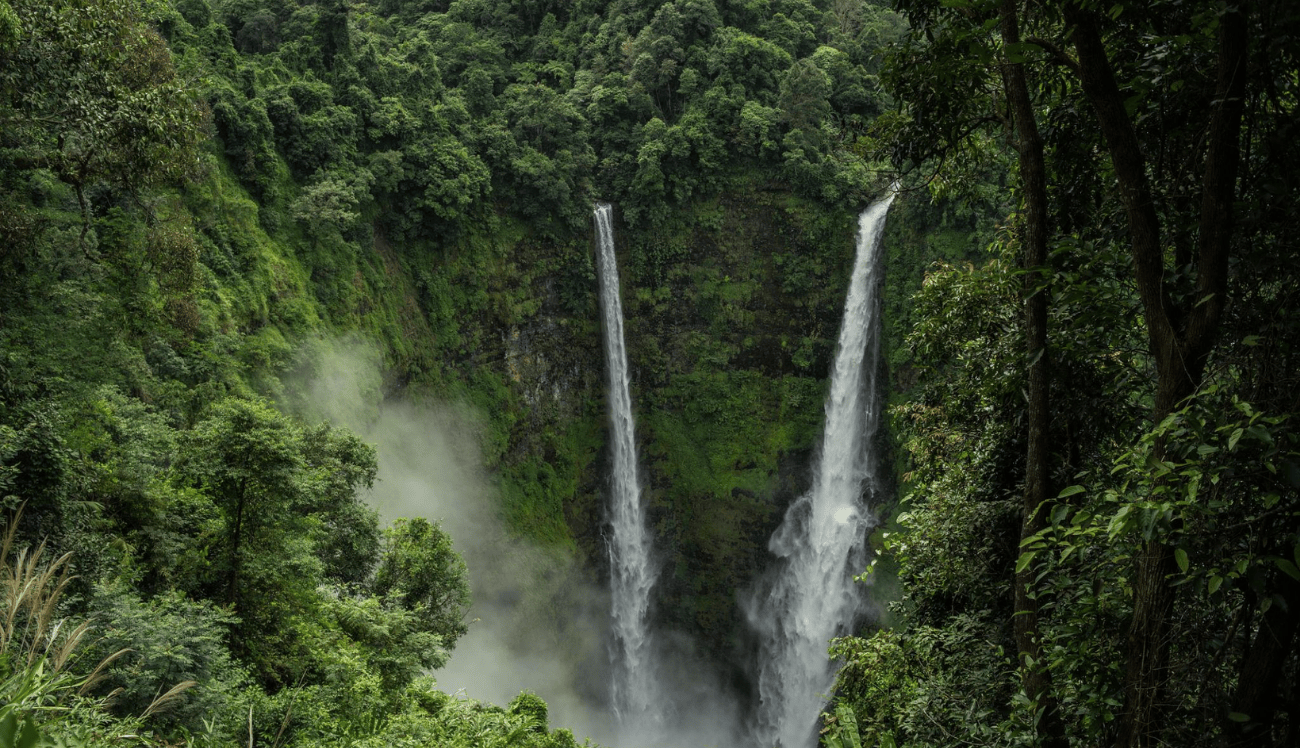
Tad Fan Waterfall is one of the most impressive waterfalls in Laos.
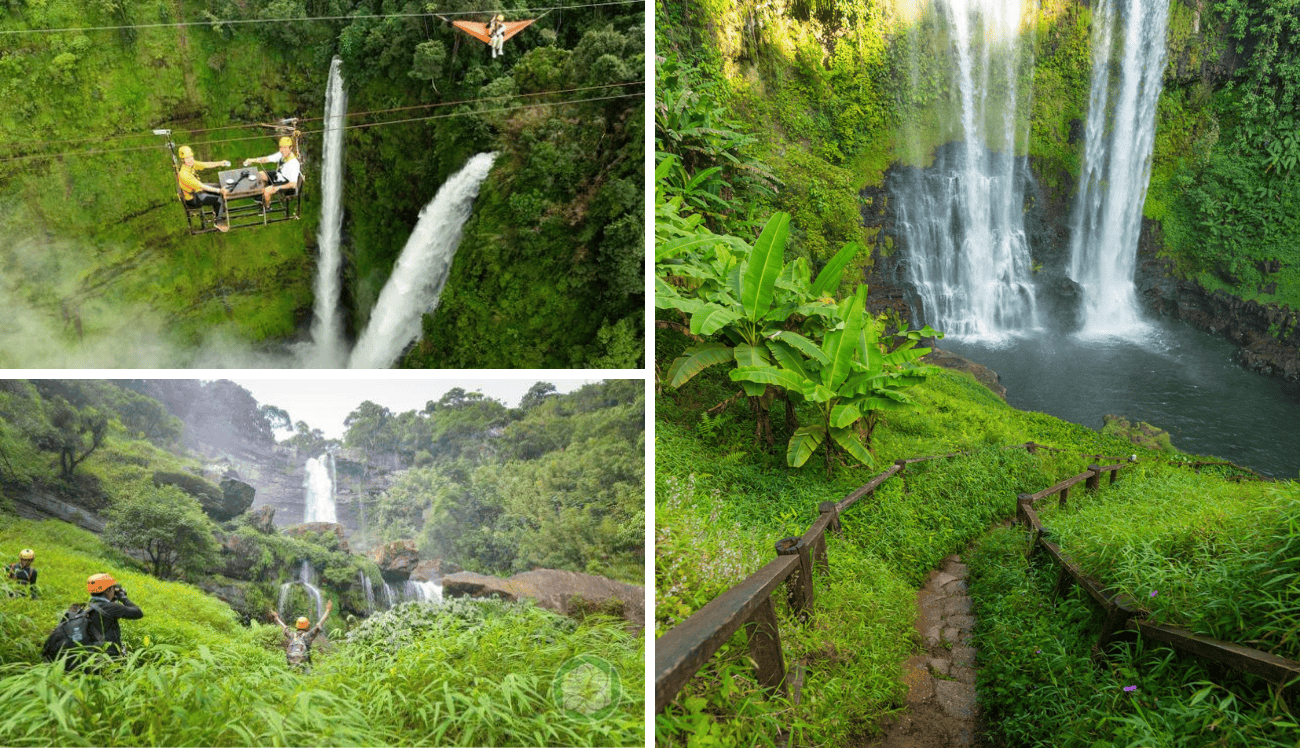
Its two parallel cascades plunge into dense vegetation, creating a breathtaking natural spectacle. The site can be admired from a viewpoint offering a panoramic view over the valley.
Exploring Tad Fan means experiencing the raw power and beauty of nature.
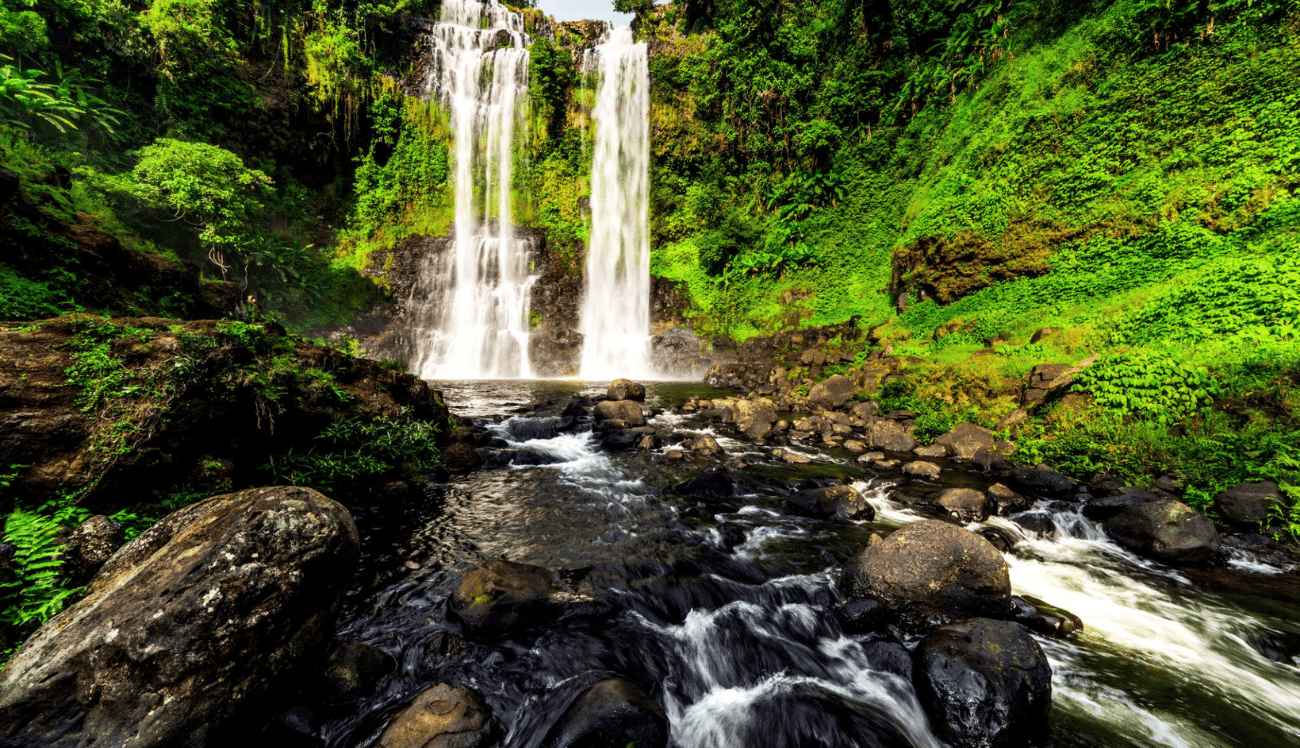
Tad Yeung Waterfall – freshness and easy access
The Bolaven Plateau is located east of Pakse. Known for its fertile volcanic soil and mild climate, it is the heart of Laos’ coffee production.
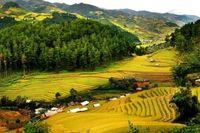
Exploring this region allows travelers to discover open landscapes dotted with plantations and villages. Life here follows the rhythm of agriculture, from harvesting and drying to coffee processing.
The plateau also offers a peaceful atmosphere, ideal for slow and contemplative travel.
Coffee plantations – at the heart of the plateau’s identity
Coffee plantations are inseparable from the identity of the Bolaven Plateau.
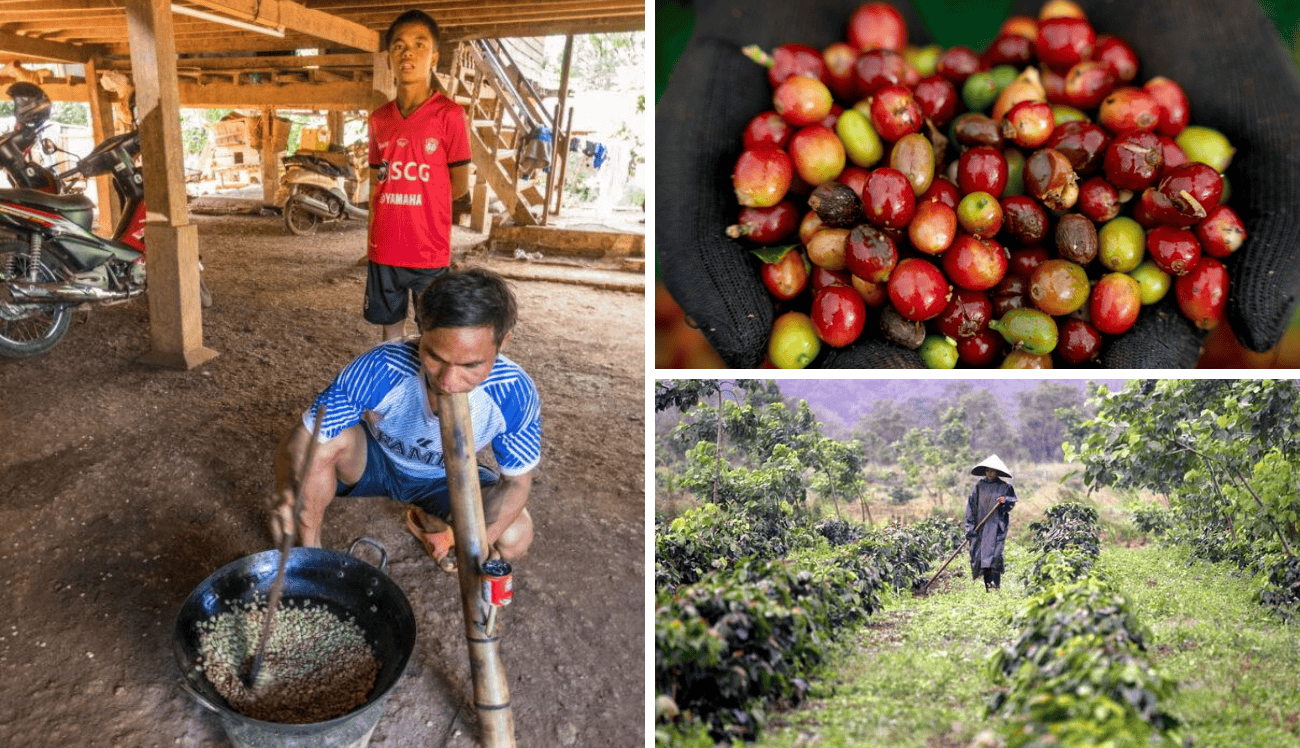
Exploring these plantations allows visitors to understand the entire process: cultivation, harvesting, drying, and roasting. Lao coffee, often produced using organic methods, is recognized for its quality.
It is also an opportunity to meet local producers and taste one of the region’s most iconic products.
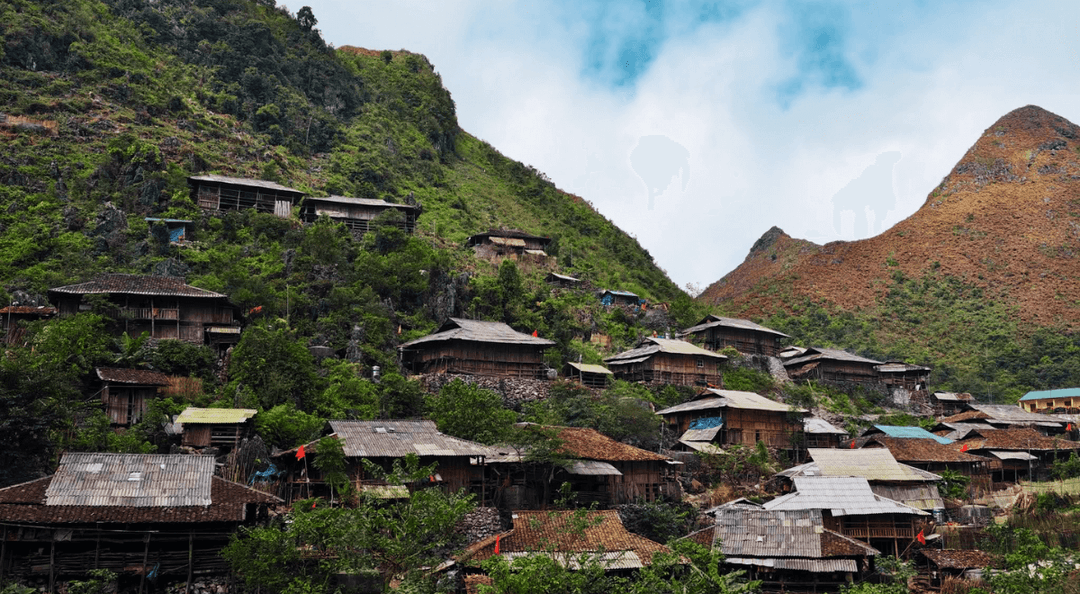
Ethnic villages – Alak, Katu, and others
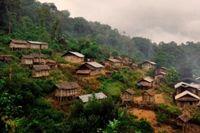
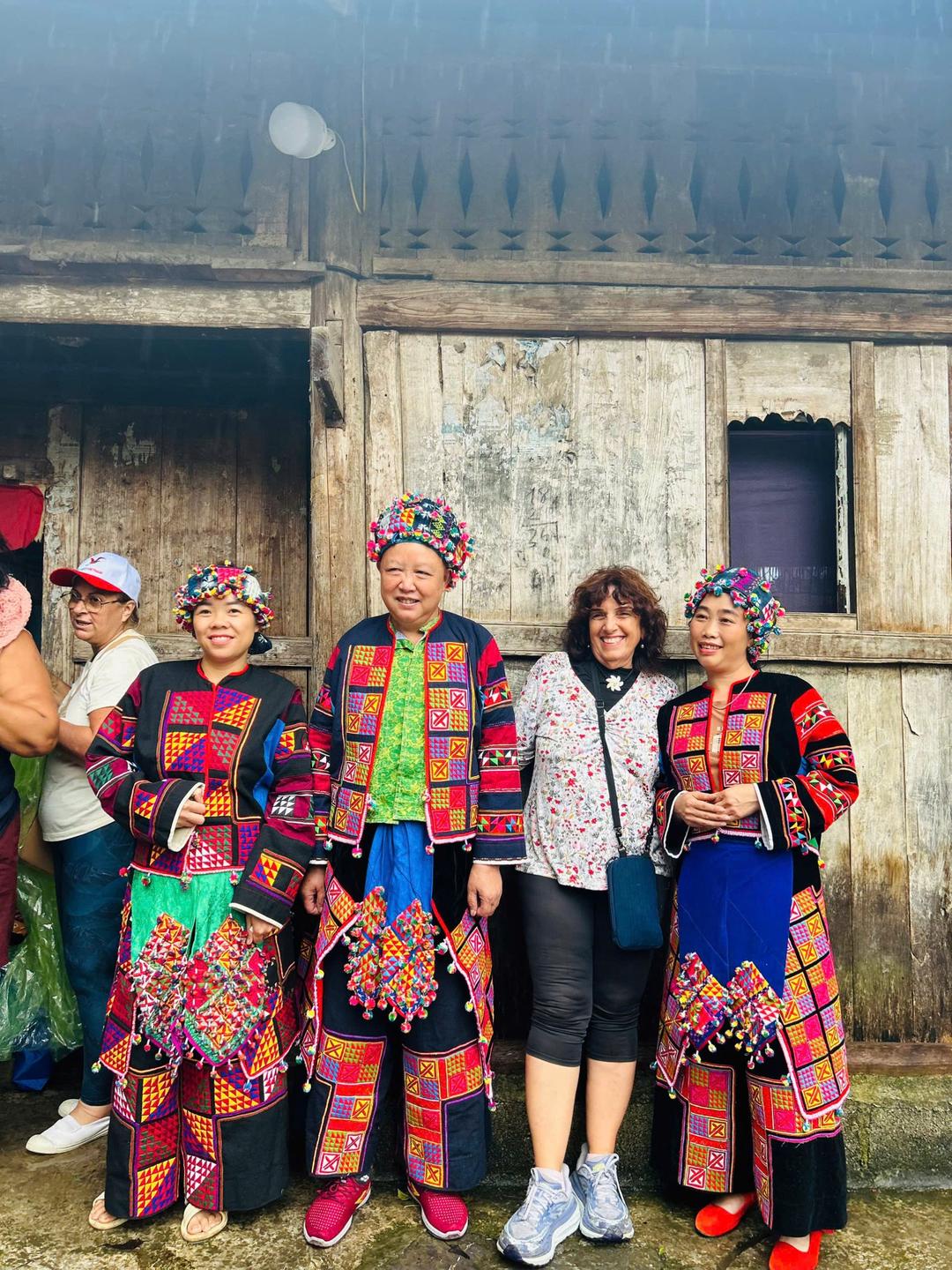
The villages of the Alak and Katu ethnic groups offer a unique cultural immersion. Exploring these communities means discovering preserved lifestyles, living traditions, and a deep connection with nature.
These encounters should take place with respect, following a responsible and well-guided approach.
Tips for exploring the Bolaven Plateau
To fully enjoy this region, it is recommended to plan at least one full day, or even spend a night on the plateau. This allows travelers to experience its cooler and more peaceful atmosphere. The roads can be winding, and some sites are located far from the main routes. For a comfortable and safe journey, it is preferable to travel with a local guide and driver.
Choosing a specialized agency like Villages Vietnam allows you to:
- optimize travel arrangements
- discover authentic places
- benefit from cultural insights
Exploring Pakse and the Bolaven Plateau then becomes a smooth, enriching experience, perfectly adapted to your expectations. Between Pakse and the Bolaven Plateau, southern Laos reveals an unexpected wealth of experiences.
Exploring this region means choosing a slower journey, closer to nature and local communities. Waterfalls, coffee, and villages: every stop tells a story. With the right support, this discovery becomes not only simple but also deeply memorable.
Let Villages Vietnam guide you beyond the horizon
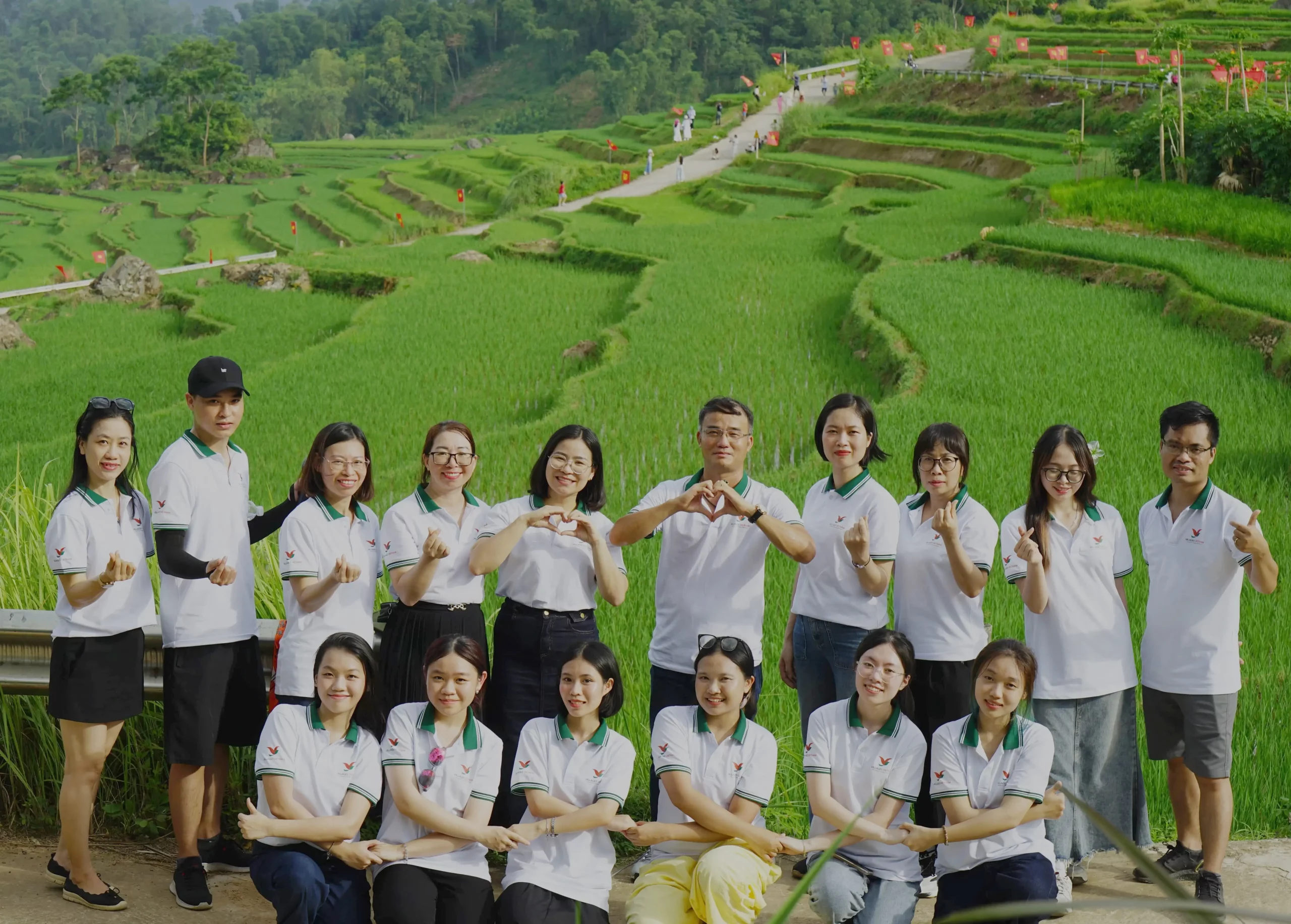
Let Villages Vietnam guide you toward new horizons. Gentle, meaningful, and deeply immersive experiences. Simple yet unforgettable encounters.
We invite you to live rare moments:
- Lose yourself in the picturesque landscapes of Vietnam
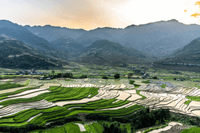
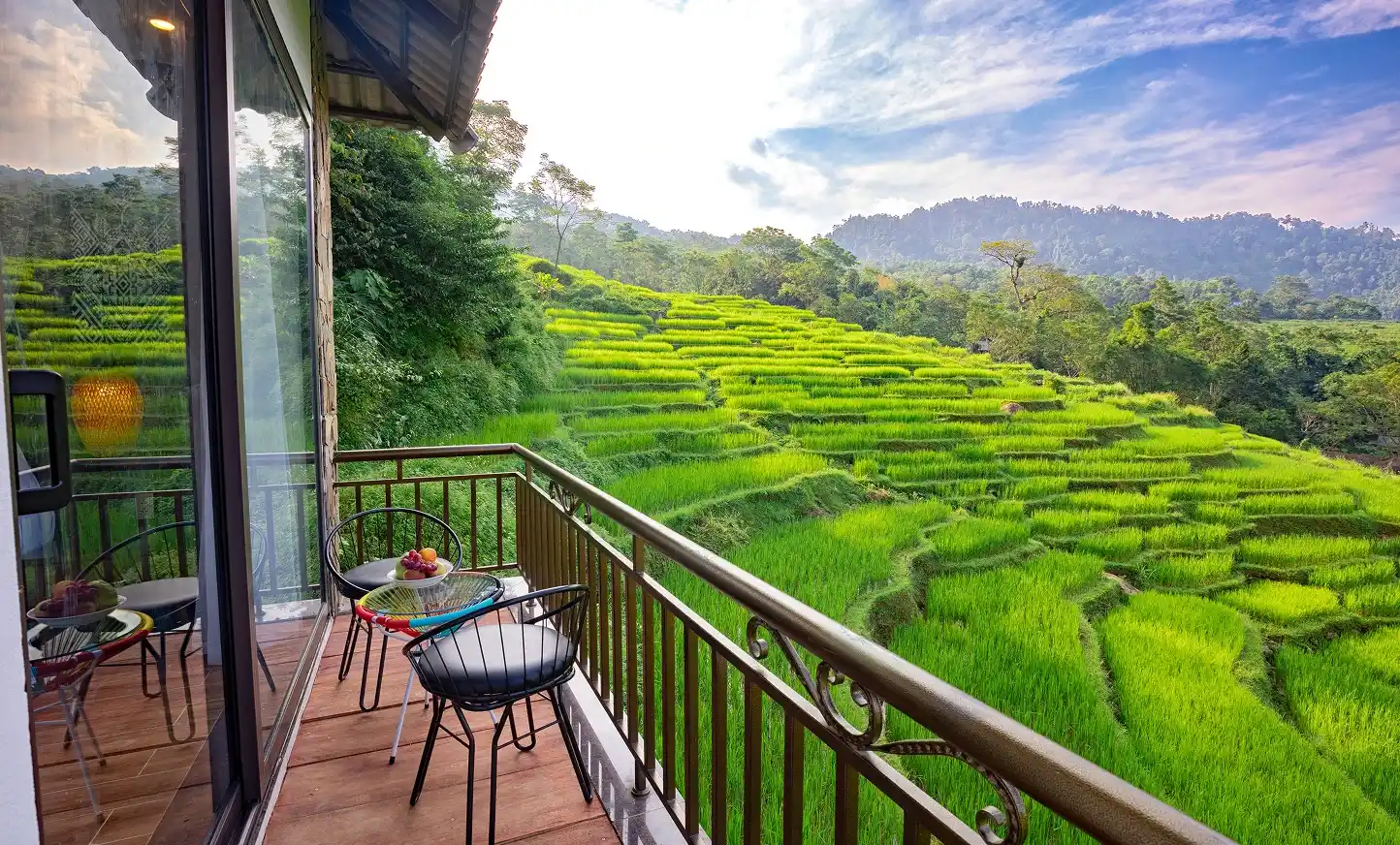
- Follow the peaceful rhythm of the rice fields in Laos
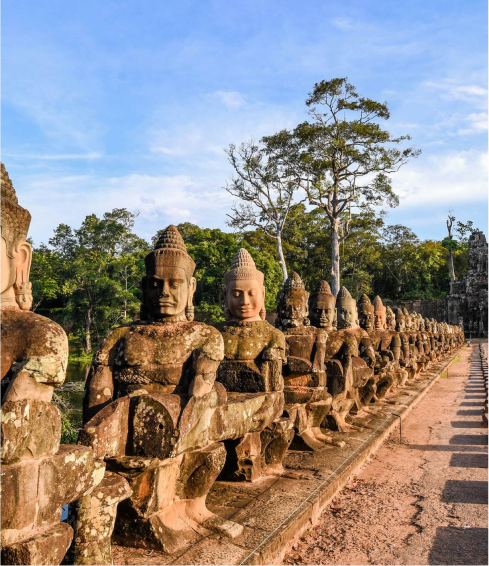
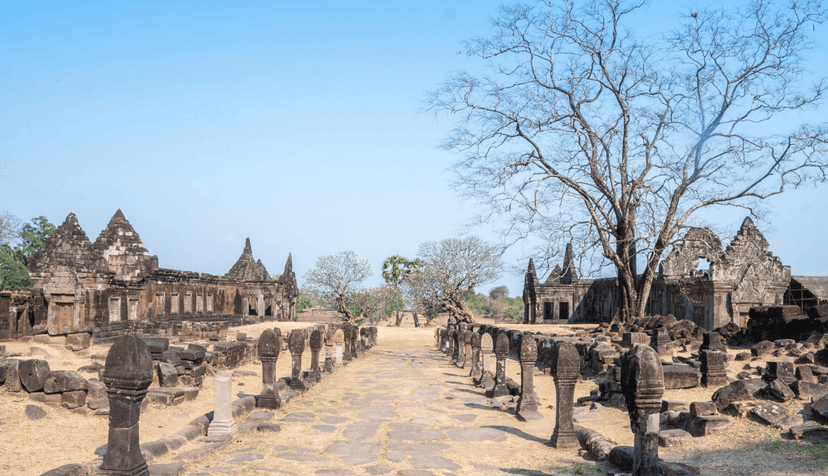
- Walk in silence toward the ancient temples of Cambodia, hidden deep within lush forests
Villages Vietnam proudly creates authentic cultural journeys, crafted with care and heart. Our tours highlight the soul of Indochina — its traditions, gentleness, and the warmth of its people.
If you dream of a unique journey, designed just for you, a journey that leaves a mark on the heart, our team will be there, attentive and available.
We promise you the most beautiful discoveries: stories to share, emotions to feel, and our deep knowledge of the lands you will explore.
- Contact: Ms. Jade VU
- WhatsApp: +84 0986 527 836
- Email: info@villagesvietnam.com
- Office in Vietnam: 7th floor, 30 Tran Phu Boulevard, Ha Dong District, Hanoi, Vietnam
- Office in France: 726 Chemin de la Croix du Sud, 83200 Toulon, France
- Office in Thailand: Klang Muang Village, Soi Srinakarindra 24, Srinakarindra Road, Suan Luang District, Bangkok 10250, Thailand
Published by:
Villages Vietnam
Publication date:
23/07/2026
Beautiful journeys
Travel guide

Frequently Asked Questions
In general, the best time to visit Vietnam is from November to April. But you can travel all year round. The weather changes a lot from region to region, so when it rains or gets cold in one place, it can be sunny somewhere else.
Internet access is easy and affordable. Most hotels, cafés, and restaurants offer free Wi-Fi. If you want to stay connected all the time on your phone, you can buy a local SIM card. It gives you a stable connection during your trip for a very good price.