


















 Iconic place
Explore Luang Prabang: between spirituality and nature
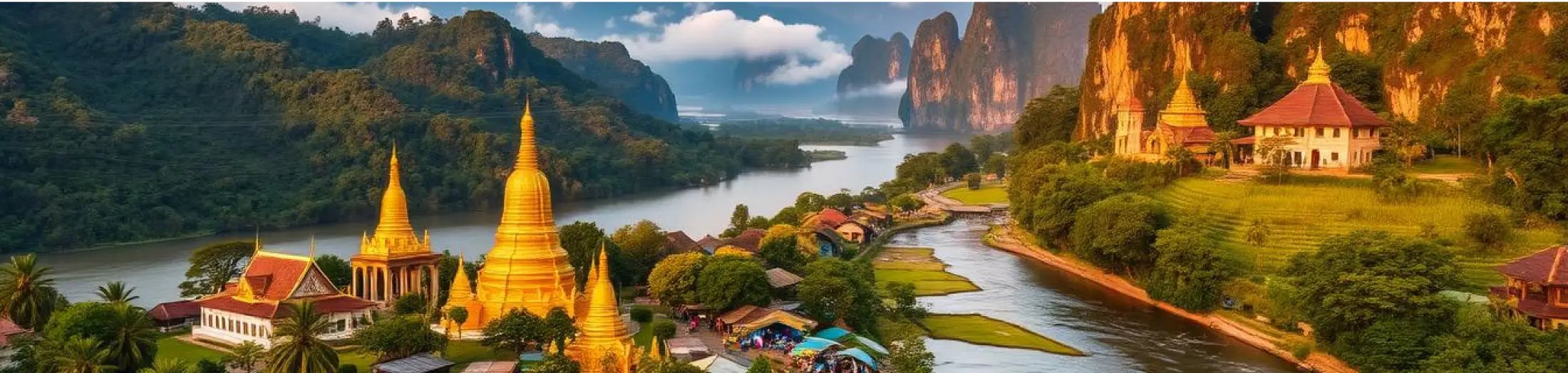
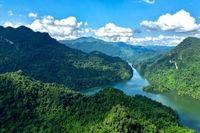
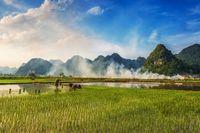
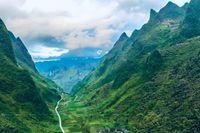
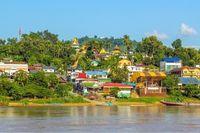
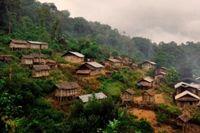
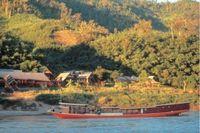
Exploring Luang Prabang means entering another rhythm of life. Here, time seems suspended between the peaceful banks of the Mekong River, golden-roofed temples and mist-covered mountains. This former royal capital of Laos attracts travellers seeking authenticity, culture and tranquillity.
Through this article, you will discover the essential places to visit, as well as practical advice to organise your journey between Luang Prabang and Vang Vieng, with a focus on slow, respectful and meaningful travel.
Luang Prabang, an art of living between spirituality and heritage
Listed as a UNESCO World Heritage Site, Luang Prabang is often considered one of the most beautiful towns in Southeast Asia. Its charm lies in a rare balance: a city deeply rooted in its traditions while preserving the traces of its colonial history.
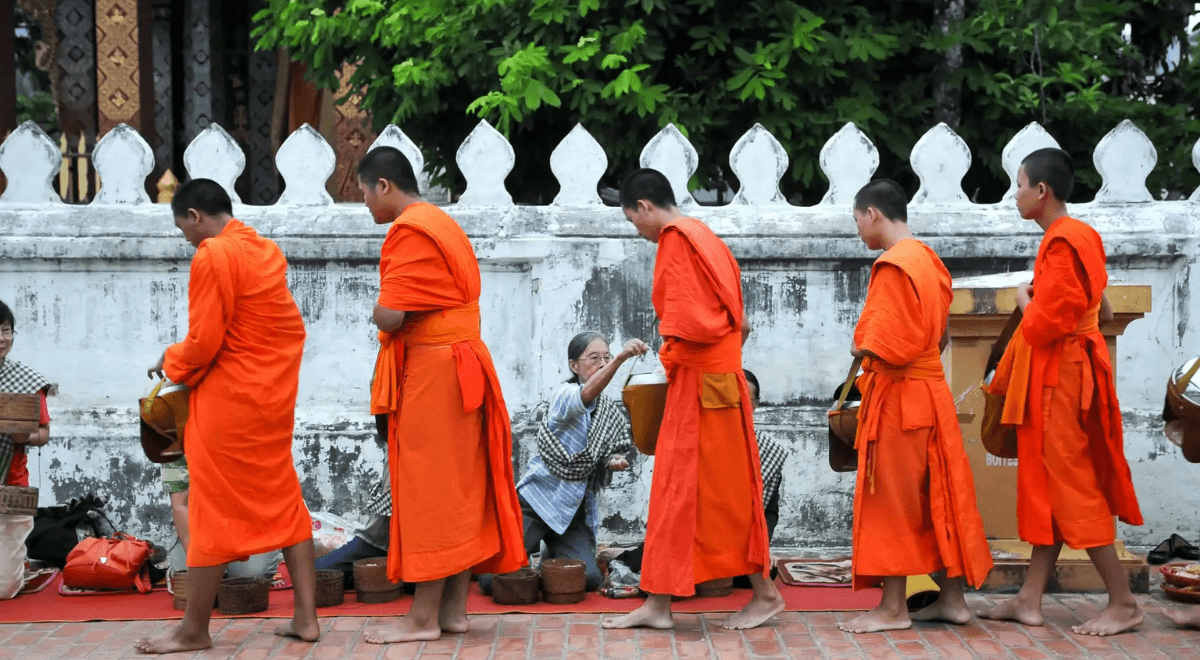
Buddhist temples shape daily life. Each morning, the monk alms-giving ceremony (Tak Bat) reminds visitors of the central role of spirituality in Lao society. Wooden houses stand alongside former French colonial buildings, creating an elegant and discreet atmosphere.
Luang Prabang is not a city to be discovered in a hurry. It reveals itself slowly, on foot, by bicycle, or by boat along the Mekong River. Travellers come here to observe, feel and understand. For French visitors, often drawn to cultural and heritage experiences, it is a deeply inspiring destination.
The must-see places in Luang Prabang
Luang Prabang is not discovered as a simple succession of tourist sites. Each place tells a story, extends a unique atmosphere and contributes to the feeling of harmony that makes the city so special. Between royal heritage, Buddhist spirituality and natural landscapes, Luang Prabang offers a complete experience, to be enjoyed slowly.
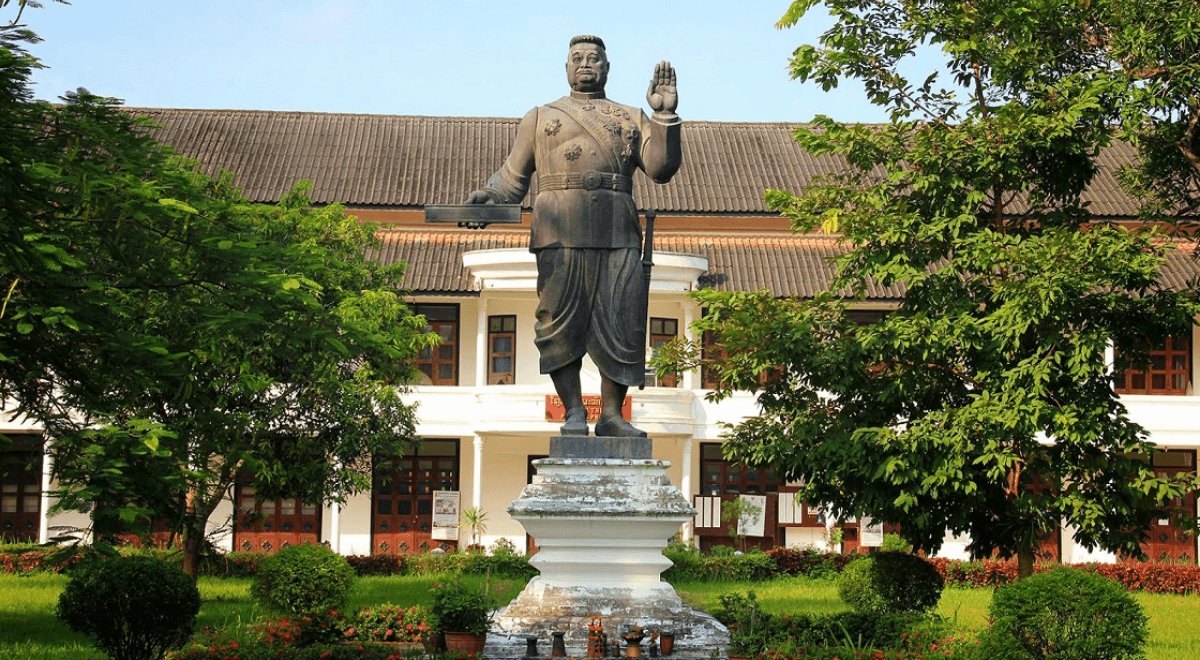
The Royal Palace
Former residence of the kings of Laos, the Royal Palace is now a museum that traces the history of the country throughout the 20th century. Its architecture combines traditional Lao influences with French colonial touches, reflecting a significant period in Laos’ history.
Inside, the rooms preserve royal objects, furniture and symbols of monarchical power. The visit, quiet and intimate, allows visitors to better understand the evolution of modern Laos while offering a glimpse into the life of the royal family.
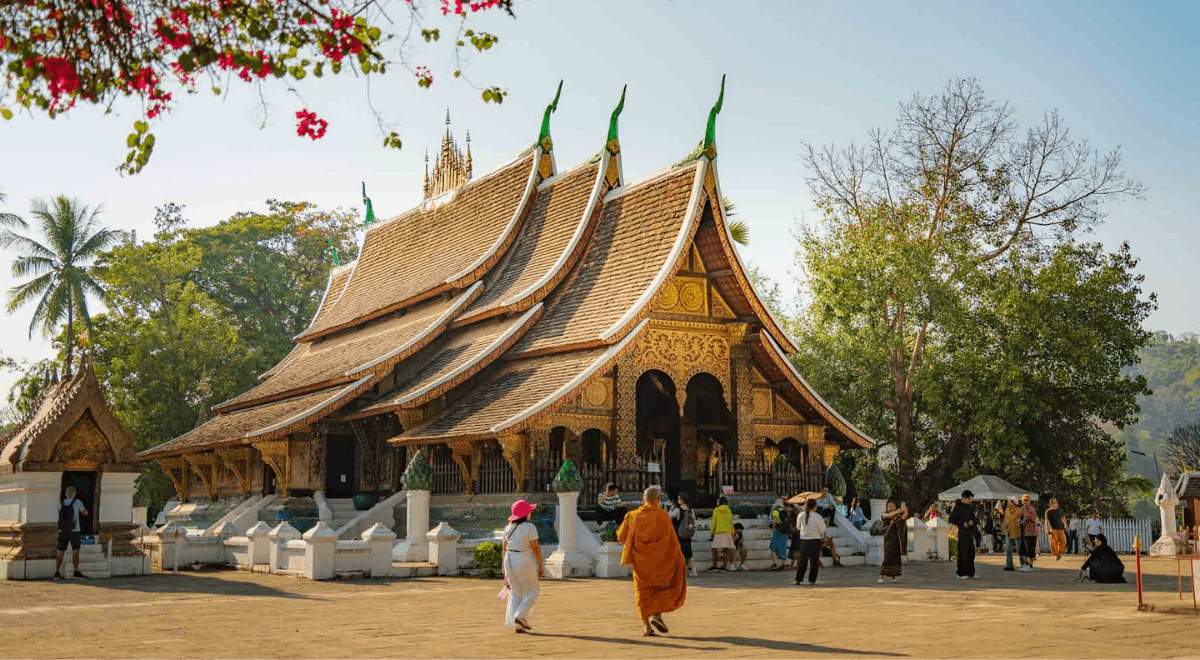
Wat Xieng Thong
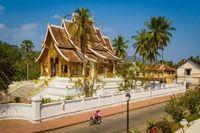
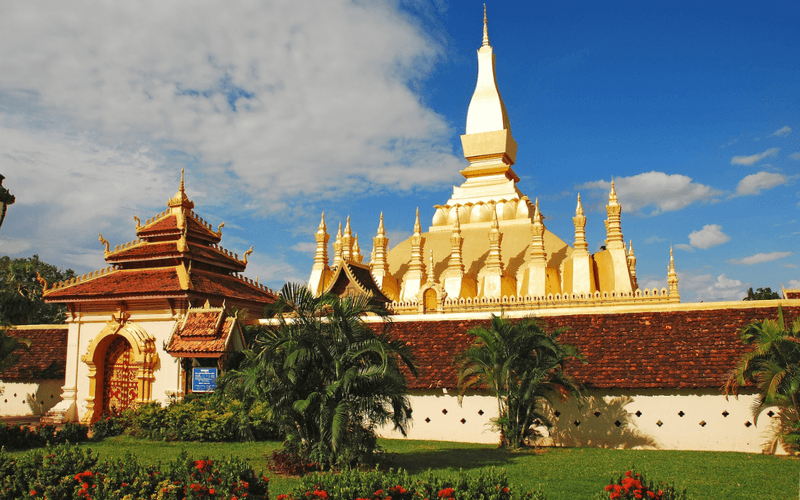
Considered the most beautiful temple in the city, Wat Xieng Thong embodies the essence of Lao religious architecture. Its layered roofs seem to almost touch the ground, while its mosaics depict scenes of life and spiritual beliefs.
The temple invites visitors to slow down and contemplate. Every detail reveals remarkable craftsmanship, gentle colours and the peaceful presence of monks. It is a place where time naturally seems to stand still.
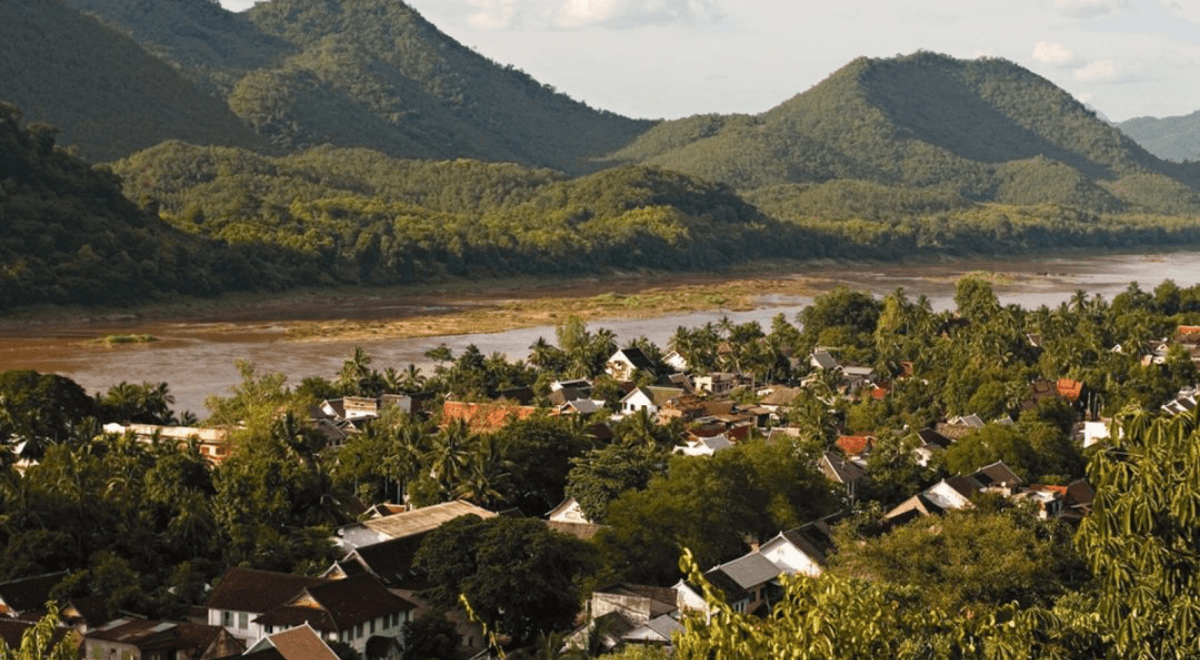
Mount Phousi
Located in the heart of the city, Mount Phousi offers an exceptional view over Luang Prabang and the Mekong River. The climb, dotted with small temples and statues, is already part of the experience.
At the summit, the view opens onto the surrounding mountains and rivers. Sunset is particularly appreciated here, not only for its colours but also for the peaceful atmosphere that gradually settles over the city.
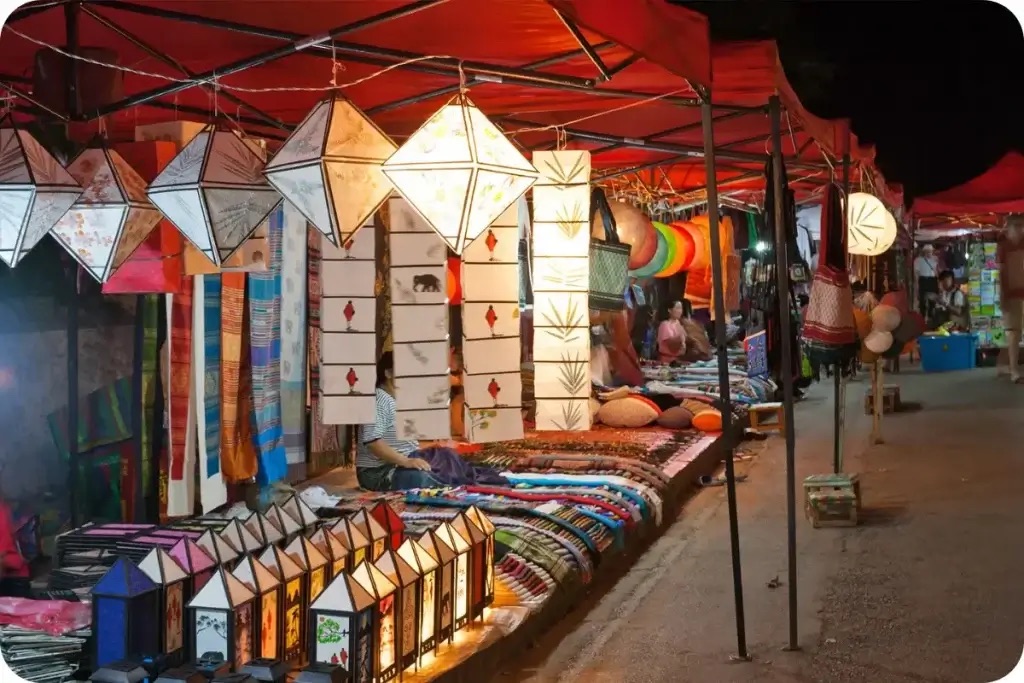
The night market
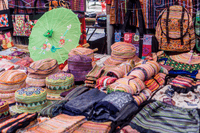
Every evening, the main street of Luang Prabang transforms into a lively but never overwhelming market. The night market is a place of connection, where local artisans and travellers meet in a simple and welcoming atmosphere.
Visitors can discover textiles, handicrafts, souvenirs and local specialities. It is also a pleasant opportunity to taste Lao cuisine while enjoying a relaxed atmosphere, perfect for a peaceful stroll.
The monk alms-giving ceremony (Tak Bat)
At sunrise, the city transforms into a place of quiet reflection. The Tak Bat ceremony consists of a silent procession of monks who receive food offerings from local residents.
This daily ritual, deeply rooted in Lao culture, should be observed with respect and discretion. It is not a tourist performance, but a meaningful spiritual moment that reflects the relationship between the community and Buddhism.
The Pak Ou caves
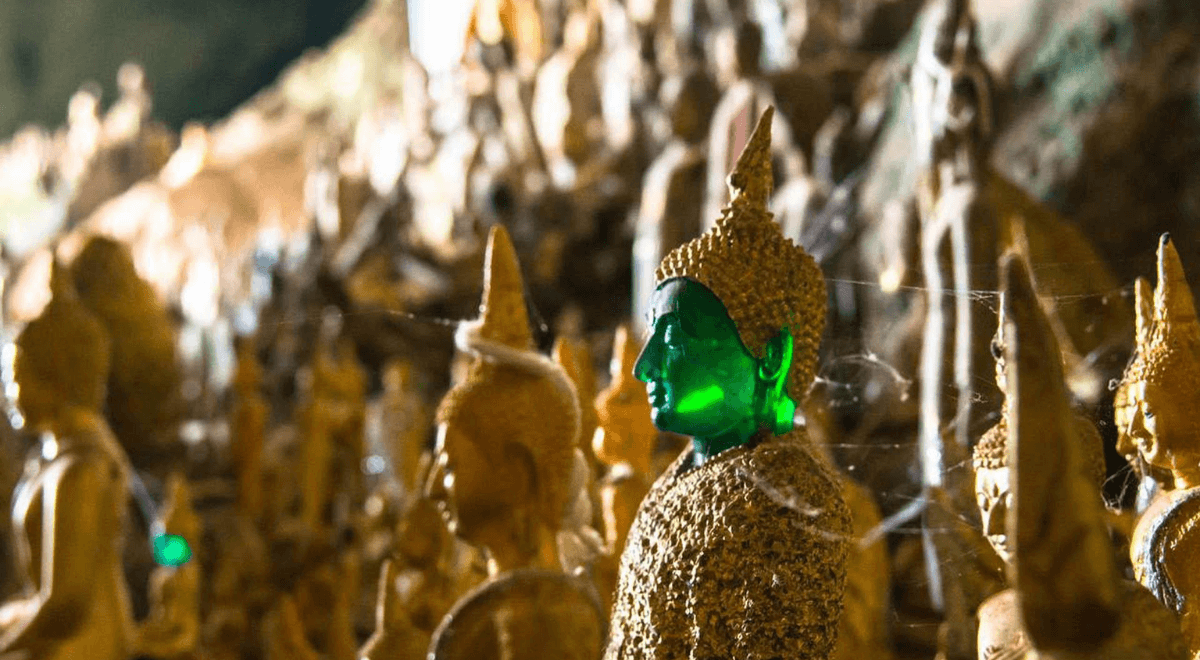
Located at the confluence of the Mekong River and the Nam Ou River, the Pak Ou caves shelter thousands of Buddha statues placed there over centuries by devoted followers.
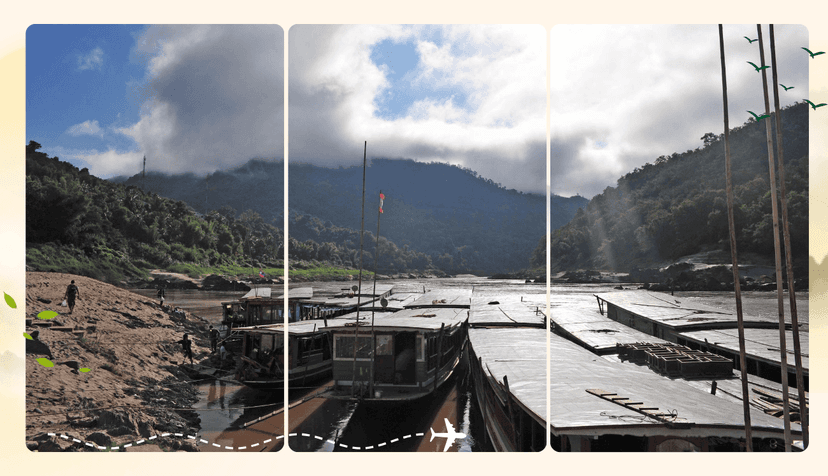
The caves are usually reached by boat, adding a contemplative dimension to the visit. The slow and peaceful journey along the Mekong River allows visitors to observe the surrounding landscapes and daily life along the riverbanks.
The Kuang Si waterfalls
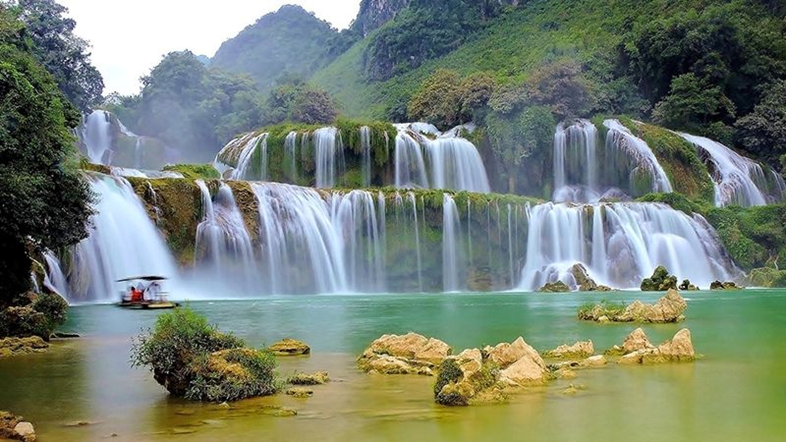
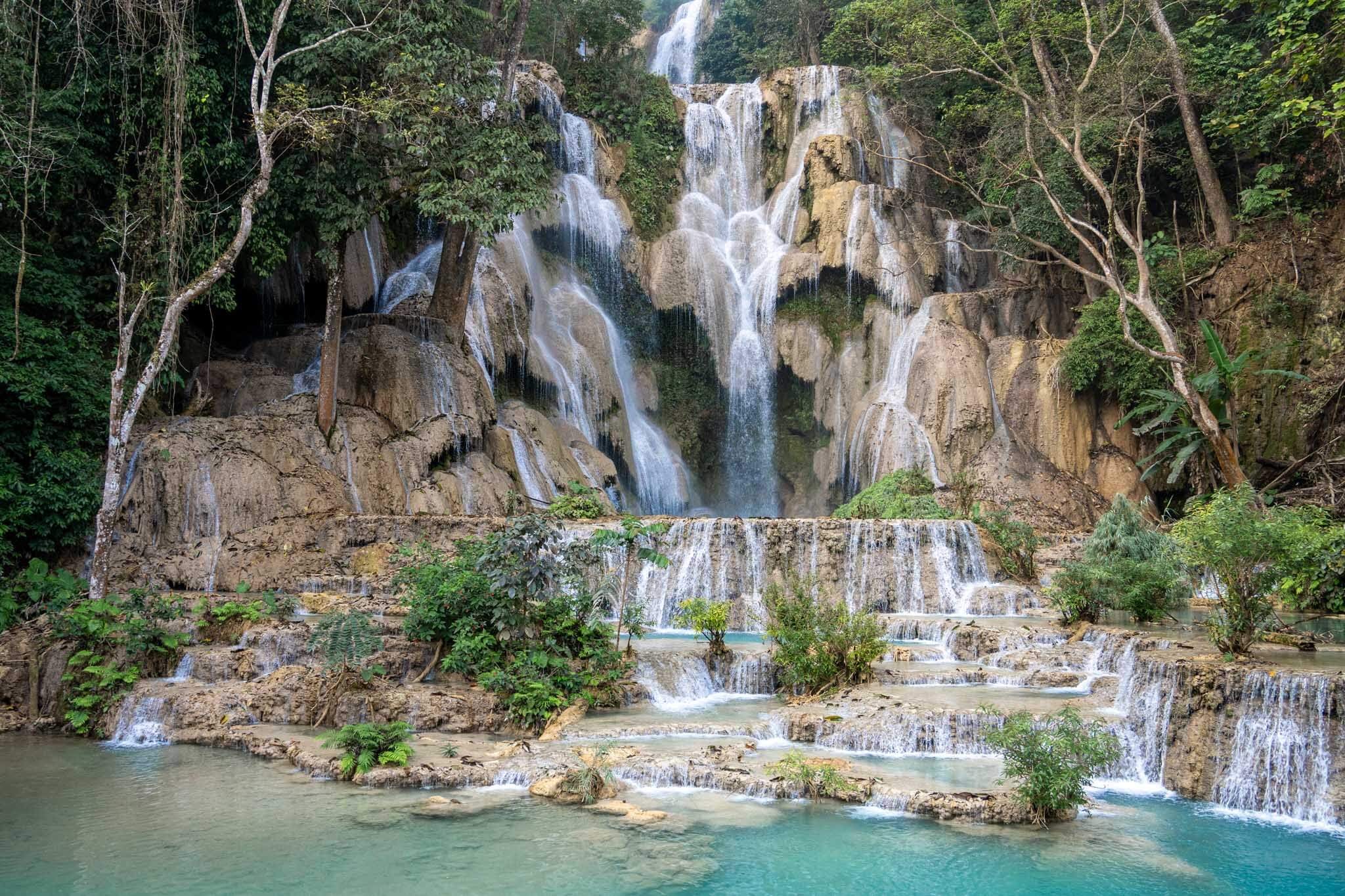
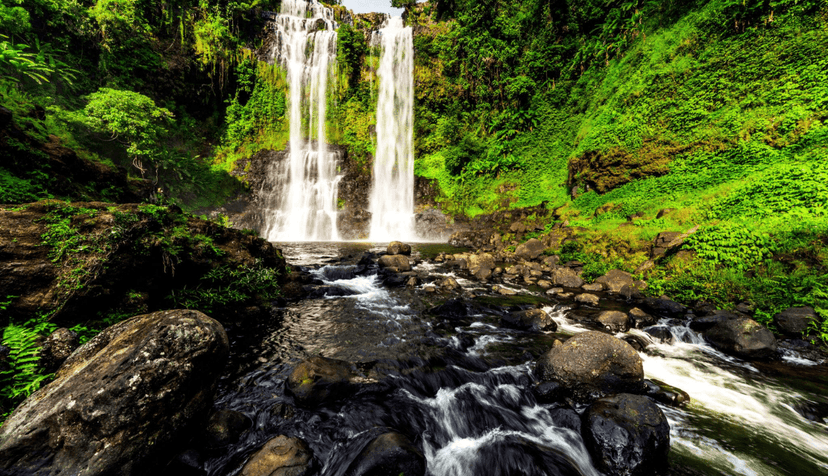
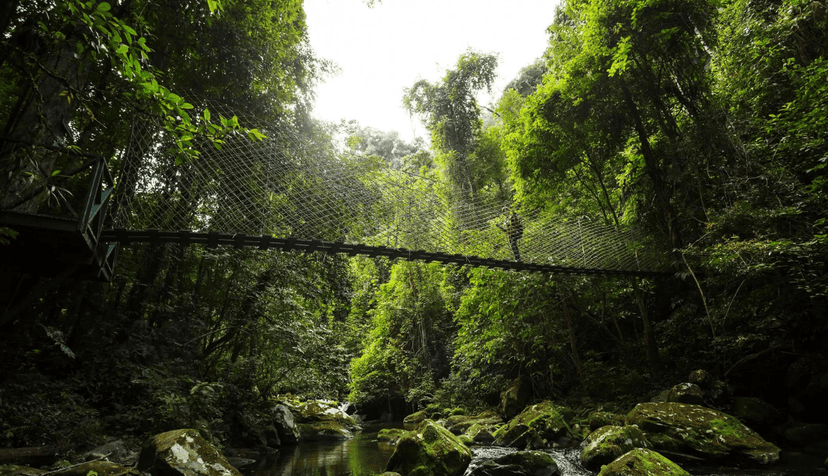
Located about thirty kilometres from the city, the Kuang Si waterfalls offer a striking contrast with the atmosphere of Luang Prabang. Turquoise waters flow through a series of cascades in the heart of a lush forest.
The site is perfect for swimming, walking and relaxation. It is a place where visitors can take the time to pause, listen to the sound of the water and enjoy a natural environment that remains largely preserved.
Mandalao
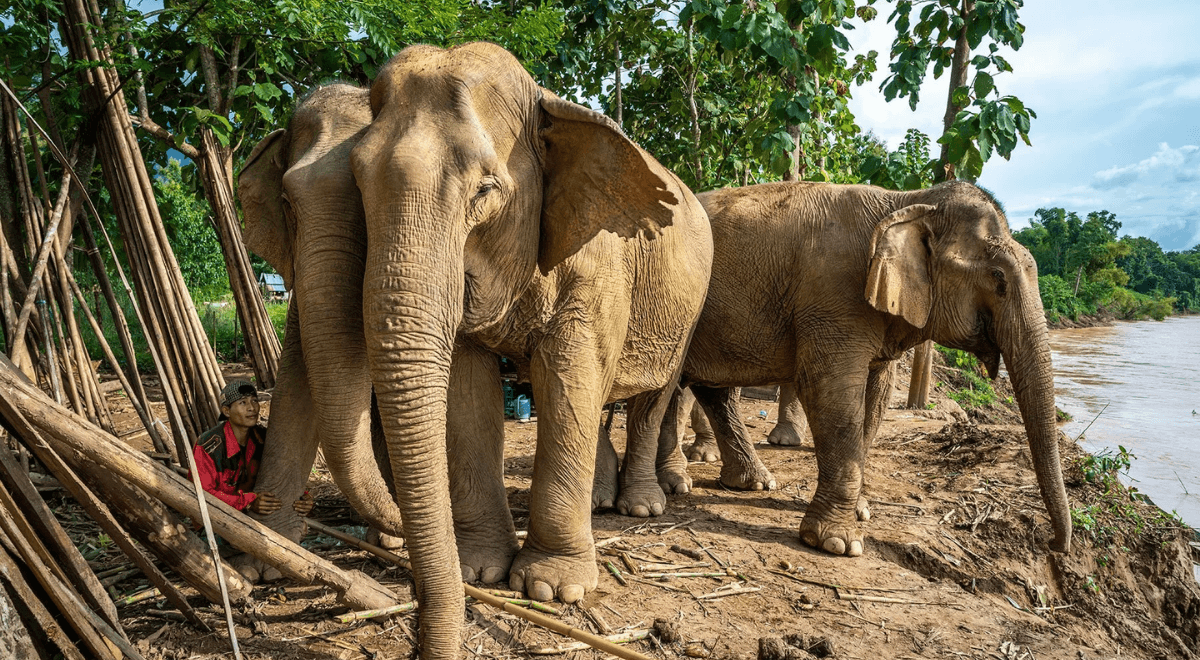
Mandalao offers a different approach to discovering Laos, focusing on animal welfare and local communities. This ethical centre allows visitors to meet elephants in their natural environment, without any form of tourist exploitation.
The activities focus on observation and gentle interaction, accompanied by local guides. This experience perfectly reflects a responsible tourism approach, with a strong commitment to protecting ecosystems and preserving local cultures.
Practical tips for travelling to Luang Prabang
Choosing the right season to fully enjoy the city
Travelling to Luang Prabang, and more broadly to Laos, requires first adopting a different rhythm. Here, travel is not measured by the number of kilometres covered, but by the moments experienced. To fully appreciate this destination, a few simple guidelines can help you enjoy your stay with peace of mind.
The best time to discover Luang Prabang is from November to March. During this period, the weather is drier, temperatures are pleasant and the light is particularly soft. This season is ideal for cultural visits, walks around the city and excursions to waterfalls or nearby villages. Between April and May, the heat becomes more intense, while the rainy season from June to October brings lush landscapes but sometimes less predictable conditions.
Getting around simply, without rushing
Luang Prabang can be reached mainly by plane from Hanoi, Bangkok or other major cities in Southeast Asia. Once there, the city is easy to explore on foot or by bicycle. Excursions to the Pak Ou caves or Kuang Si waterfalls usually require boat transfers or private vehicles. The high-speed train, recently developed, also makes it possible to travel between Luang Prabang, Vang Vieng and Vientiane in comfortable conditions.
Adopting suitable clothing for the climate and sacred places
Regarding clothing, it is recommended to choose light and comfortable outfits adapted to the tropical climate while respecting local traditions. When visiting temples, shoulders and knees should be covered. A comfortable pair of shoes is essential, especially for walking tours or climbs such as Mount Phousi.
Travelling respectfully in a land of traditions
Travelling in Laos also requires cultural sensitivity. Simple gestures — speaking softly, asking for permission before taking photographs and respecting sacred places — contribute to a more authentic and respectful experience. The Tak Bat ceremony, in particular, should be observed with a discreet and respectful attitude.
The value of thoughtful and well-planned support
Although Luang Prabang remains an accessible destination, organising a journey beyond the classic routes can quickly become complex. Choosing the right schedules, optimising transfers, selecting quality accommodation or accessing more confidential experiences requires a good knowledge of the destination.
This is where the support of a specialised agency like Villages Vietnam becomes particularly valuable. Beyond simple logistics, it acts as a true travel partner, creating a smooth and coherent itinerary enriched with local encounters. This approach transforms a stay into a deeper experience, where each step finds its place naturally.
Let Villages Vietnam guide you beyond the horizon
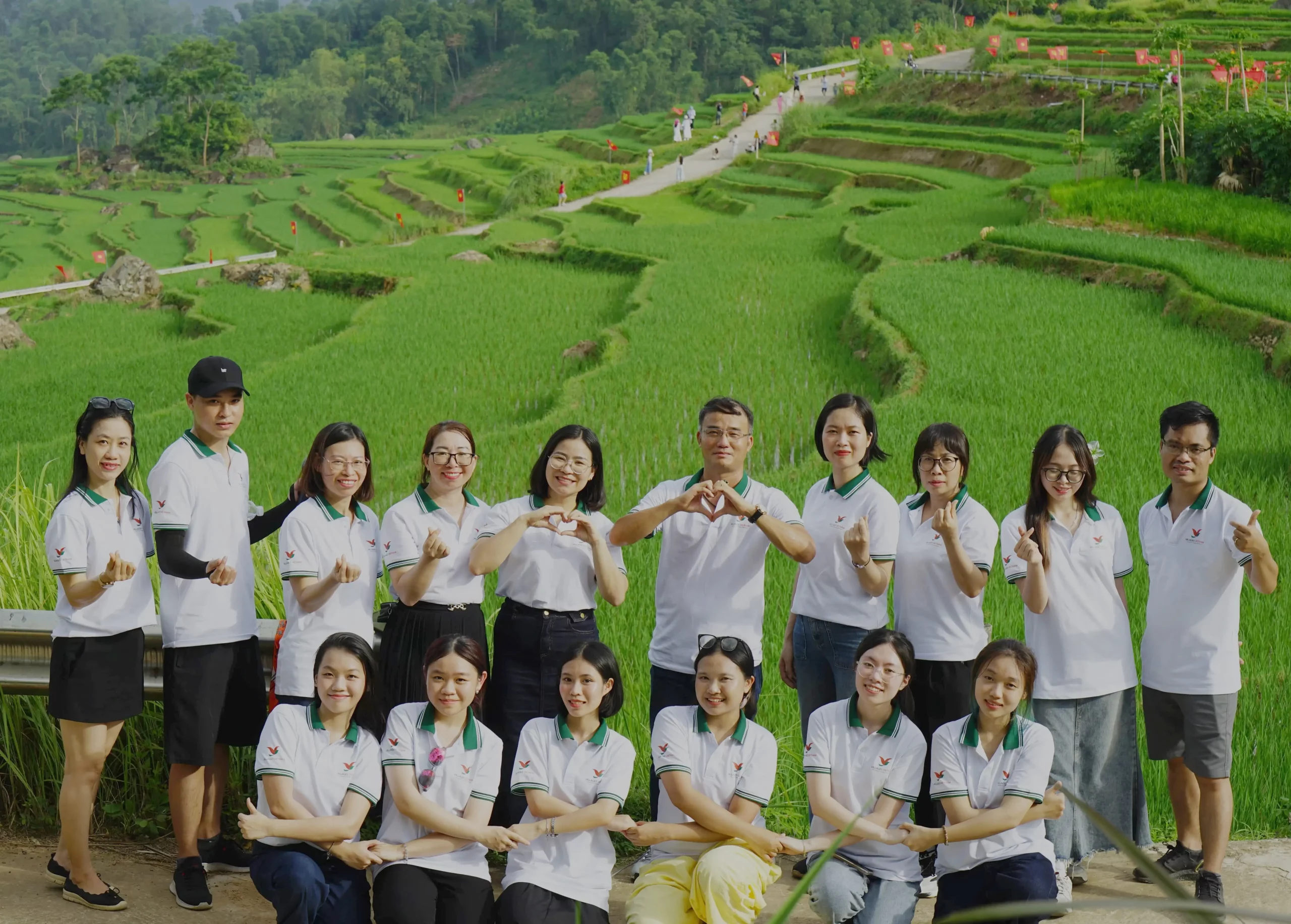
Let Villages Vietnam guide you toward new horizons. Gentle, meaningful, and deeply immersive experiences. Simple yet unforgettable encounters.
We invite you to live rare moments:
- Lose yourself in the picturesque landscapes of Vietnam
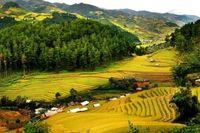
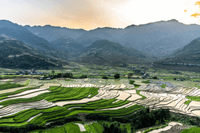
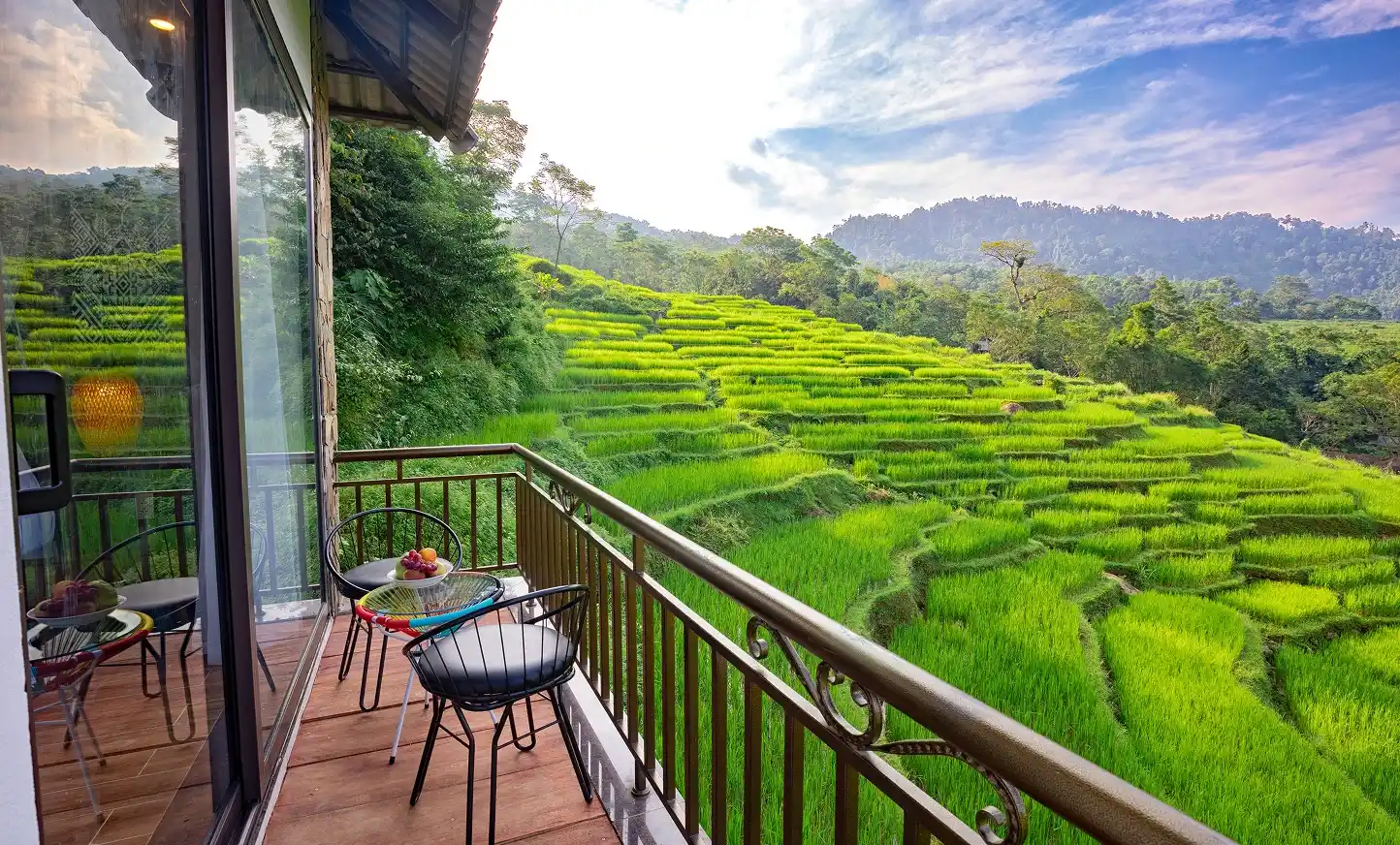
- Follow the peaceful rhythm of the rice fields in Laos
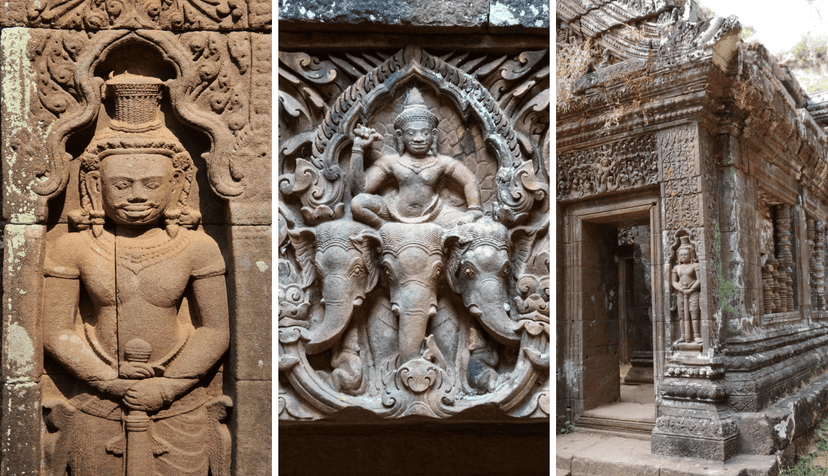
- Walk in silence toward the ancient temples of Cambodia, hidden deep within lush forests
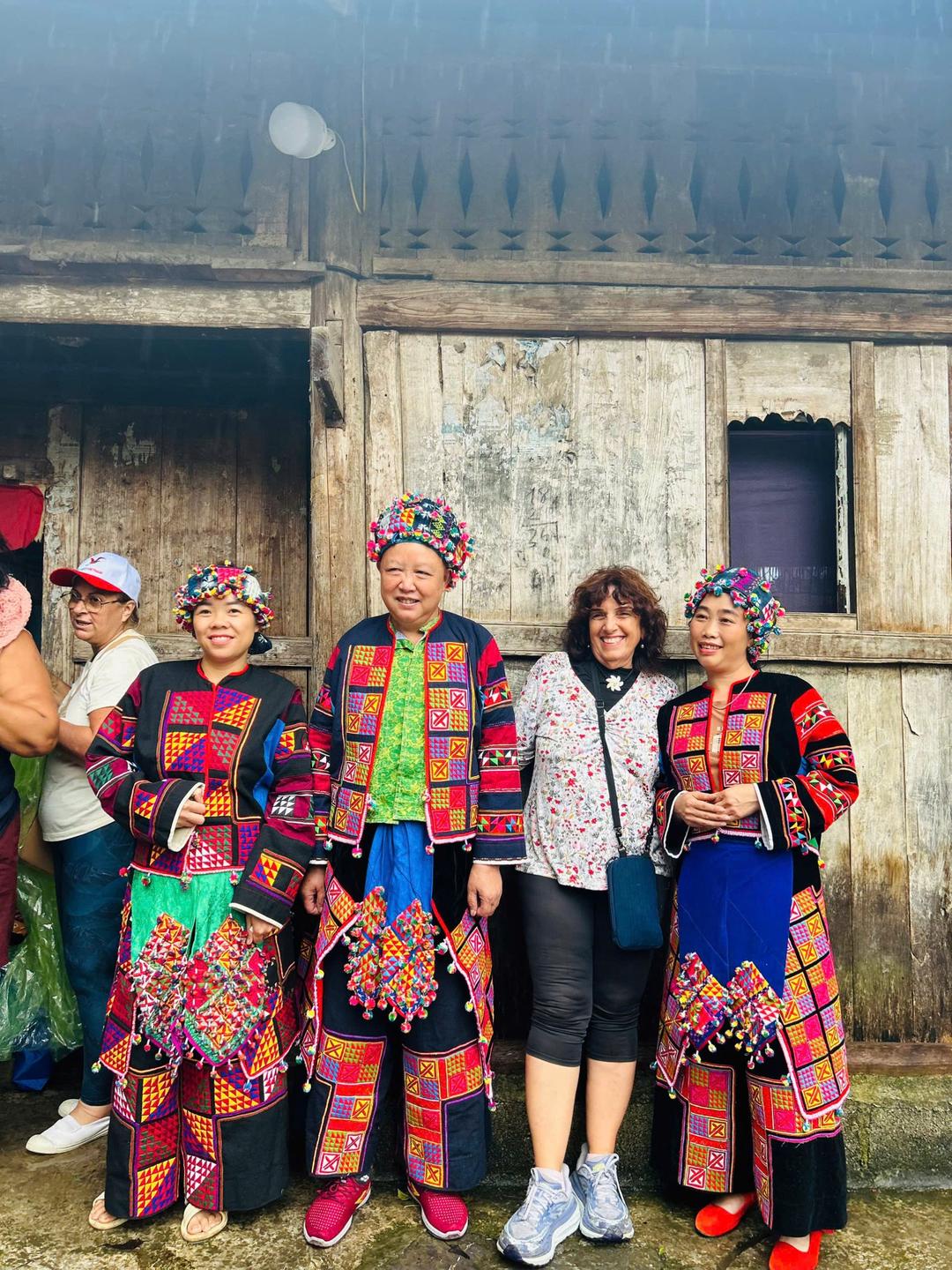
Villages Vietnam proudly creates authentic cultural journeys, crafted with care and heart. Our tours highlight the soul of Indochina — its traditions, gentleness, and the warmth of its people.
If you dream of a unique journey, designed just for you, a journey that leaves a mark on the heart, our team will be there, attentive and available.
We promise you the most beautiful discoveries: stories to share, emotions to feel, and our deep knowledge of the lands you will explore.
- Contact: Ms. Jade VU
- WhatsApp: +84 0986 527 836
- Email: info@villagesvietnam.com
- Office in Vietnam: 7th floor, 30 Tran Phu Boulevard, Ha Dong District, Hanoi, Vietnam
- Office in France: 726 Chemin de la Croix du Sud, 83200 Toulon, France
- Office in Thailand: Klang Muang Village, Soi Srinakarindra 24, Srinakarindra Road, Suan Luang District, Bangkok 10250, Thailand
Published by:
Villages Vietnam
Publication date:
23/07/2026
Beautiful journeys
Travel guide

Frequently Asked Questions
In general, the best time to visit Vietnam is from November to April. But you can travel all year round. The weather changes a lot from region to region, so when it rains or gets cold in one place, it can be sunny somewhere else.
Internet access is easy and affordable. Most hotels, cafés, and restaurants offer free Wi-Fi. If you want to stay connected all the time on your phone, you can buy a local SIM card. It gives you a stable connection during your trip for a very good price.