






















































 Iconic place
The Votive Paper Village of Hanoi: An Immersion in Phuc Am
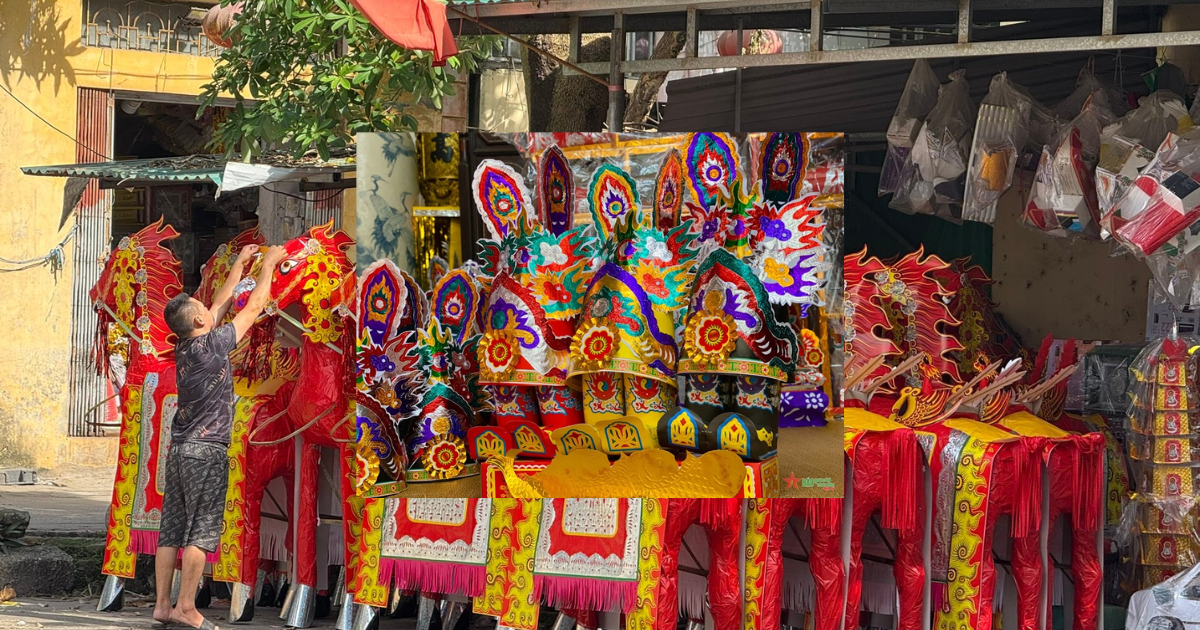
The votive paper village of Hanoi reveals a little-known yet deeply vibrant side of Vietnam. Just a few kilometers from the capital, the village of Phuc Am immerses visitors in a world of colors, traditions, and ancestral beliefs. Along its narrow alleys stand miniature paper houses, colorful horses, giant cars, and offerings created for Vietnamese spiritual ceremonies.
Far from the country’s major tourist attractions, this visit offers the chance to discover a unique craft passed down from generation to generation. For French travelers seeking authenticity, Phuc Am provides a meaningful encounter with a Vietnam shaped by tradition, family memory, and age-old craftsmanship.
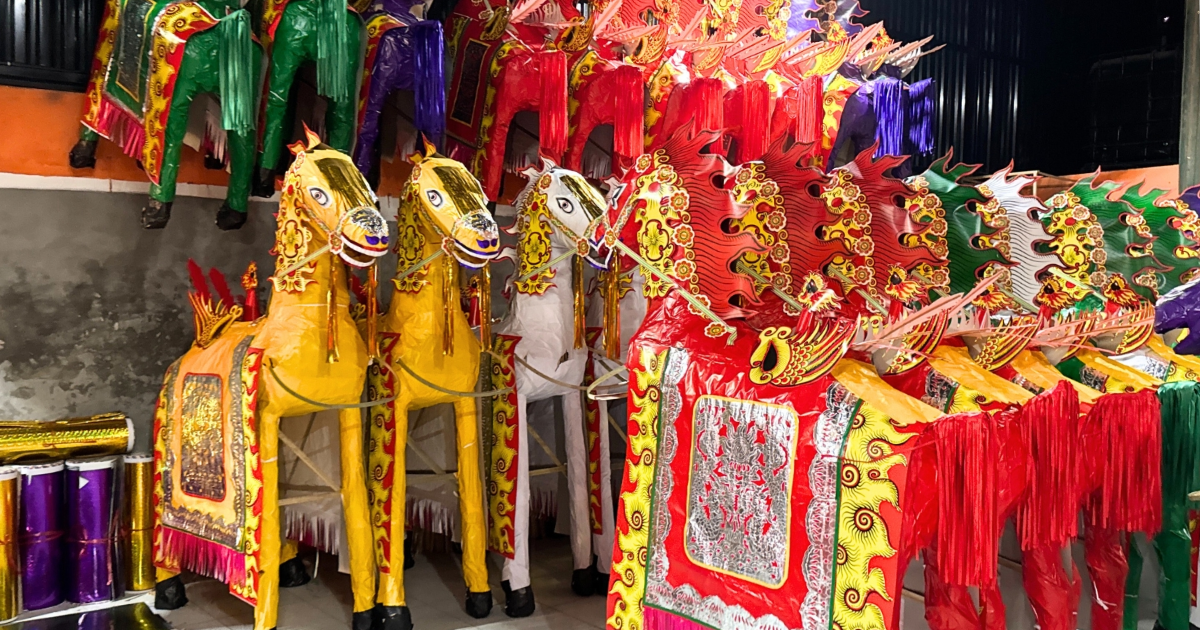
An artisan village on the outskirts of Hanoi
Located near Hanoi, Phuc Am is now considered one of the most important votive paper villages in northern Vietnam. From the moment visitors arrive, the scenery is striking. Red and golden sheets of paper dry in front of the houses. Workshops open directly onto the narrow streets. Everywhere, bamboo frames take shape under the skilled hands of artisans. The atmosphere is both peaceful and lively.
At certain times of the year, particularly before the Lunar New Year or the Vu Lan Festival, the village becomes especially vibrant. Families work together from morning until evening to prepare orders arriving from across the country.
This intense activity transforms Phuc Am into a true open-air workshop. Every street corner becomes a scene of daily life where craftsmanship and everyday routines blend naturally. The scent of glue and freshly cut paper fills the air while residents carry enormous colorful creations from one workshop to another.
The village also retains a distinctly rural atmosphere. Between workshops, visitors still find flower-filled courtyards, bicycles leaning against old walls, and residents enjoying tea in front of their homes. This simplicity adds to the village’s charm and gives the visit a deeply human dimension.
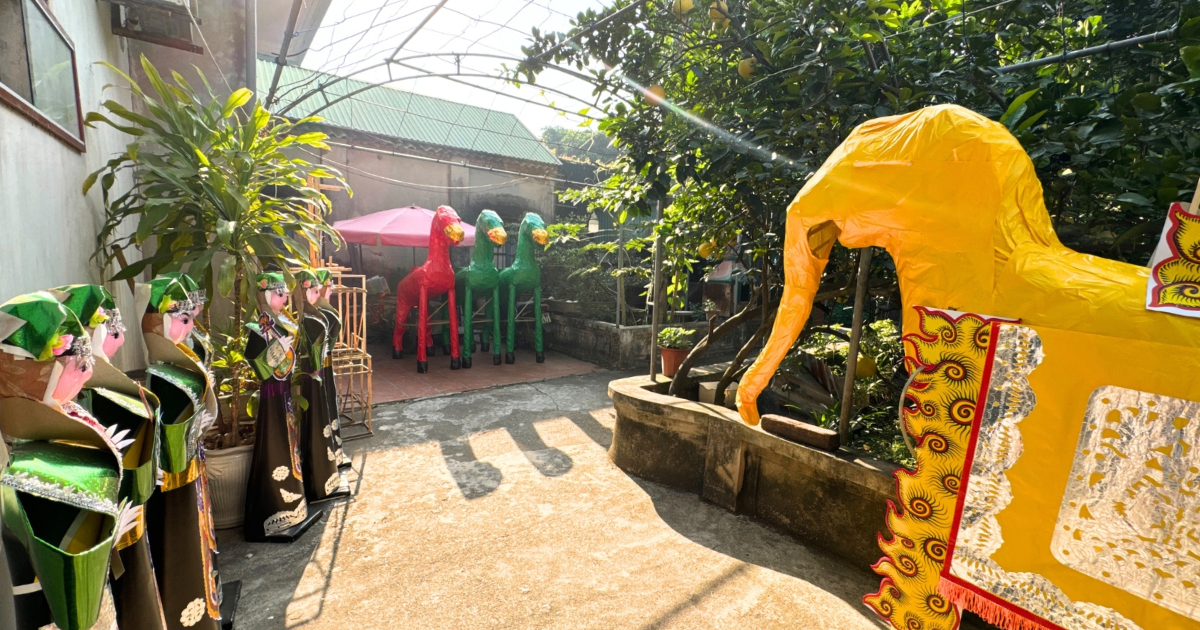
A tradition deeply rooted in Vietnamese culture
Votive paper plays an important role in Vietnamese beliefs. These symbolic objects are burned during ceremonies to accompany ancestors into the afterlife.
This practice is part of ancestor worship, which remains deeply rooted in Vietnam. In many families, household altars continue to be the spiritual heart of the home, where incense, fruit, flowers, and offerings are placed.
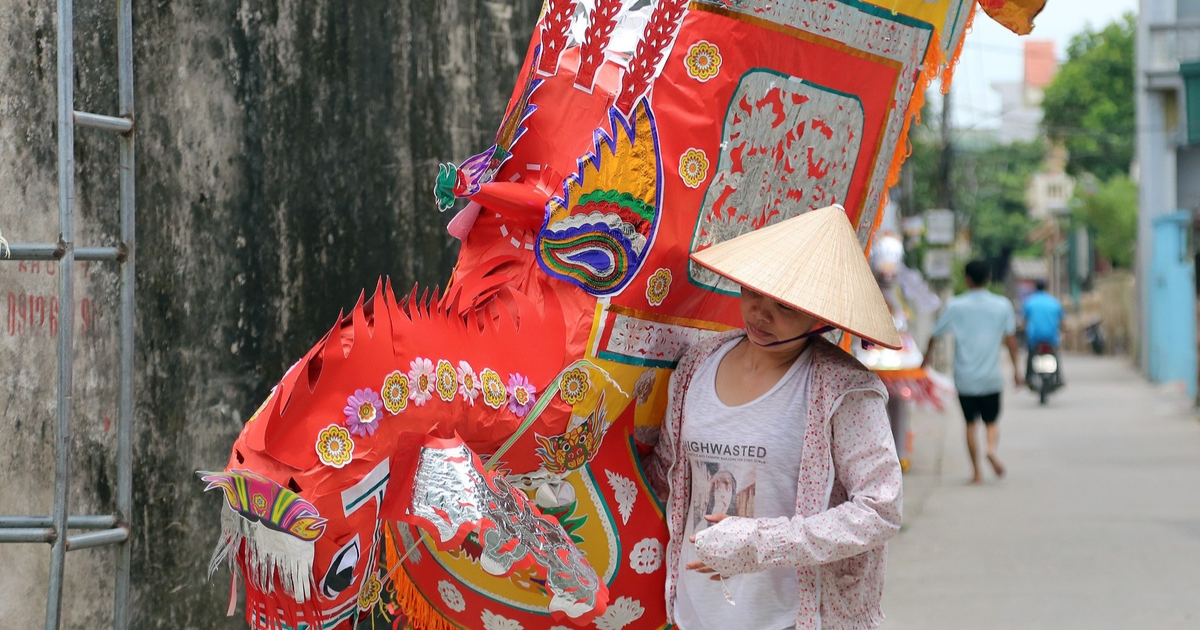
In Phuc Am, artisans have preserved this craftsmanship for generations. The trade is often passed down within families. Every movement is precise, patient, and repetitive. Cutting paper, assembling frames, and attaching decorations all require genuine craftsmanship.
For foreign visitors, this experience offers a window into the spiritual dimension of Vietnam. Behind the bright colors and sometimes unusual objects lies, above all, a profound connection between the living and their ancestors.
This tradition often fascinates French travelers because it reveals another way of preserving family memory. In Vietnam, ancestors remain symbolically present in everyday life. These ceremonies are not merely religious rituals but also moments of family gathering and cultural transmission.
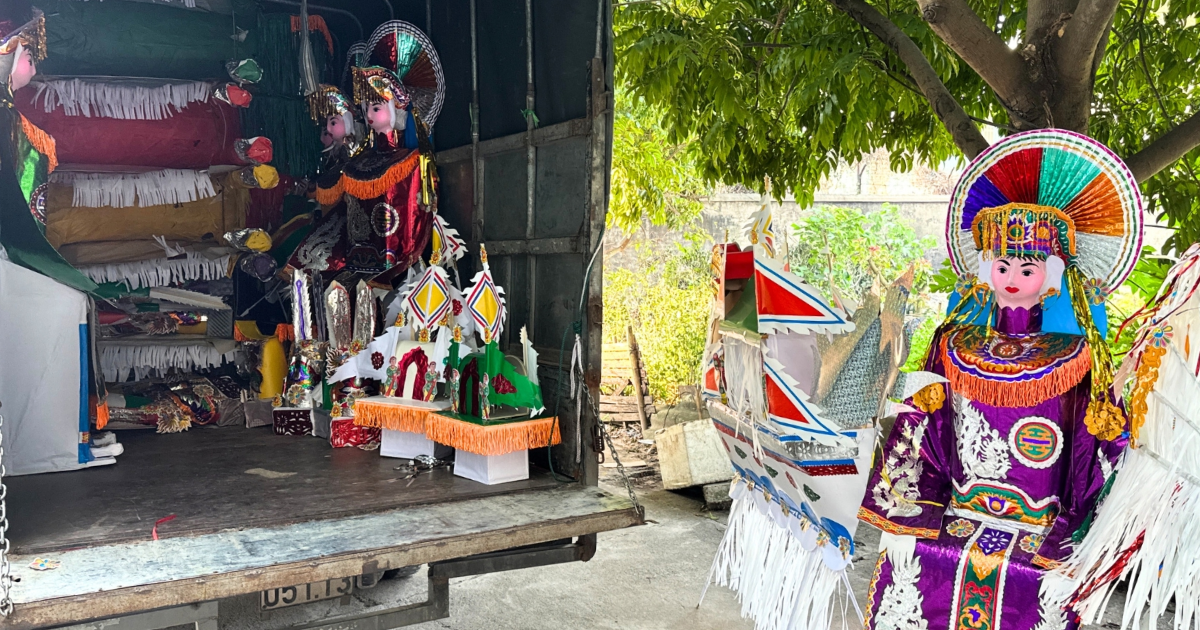
Through the colorful alleys of the votive paper village
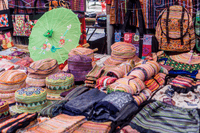
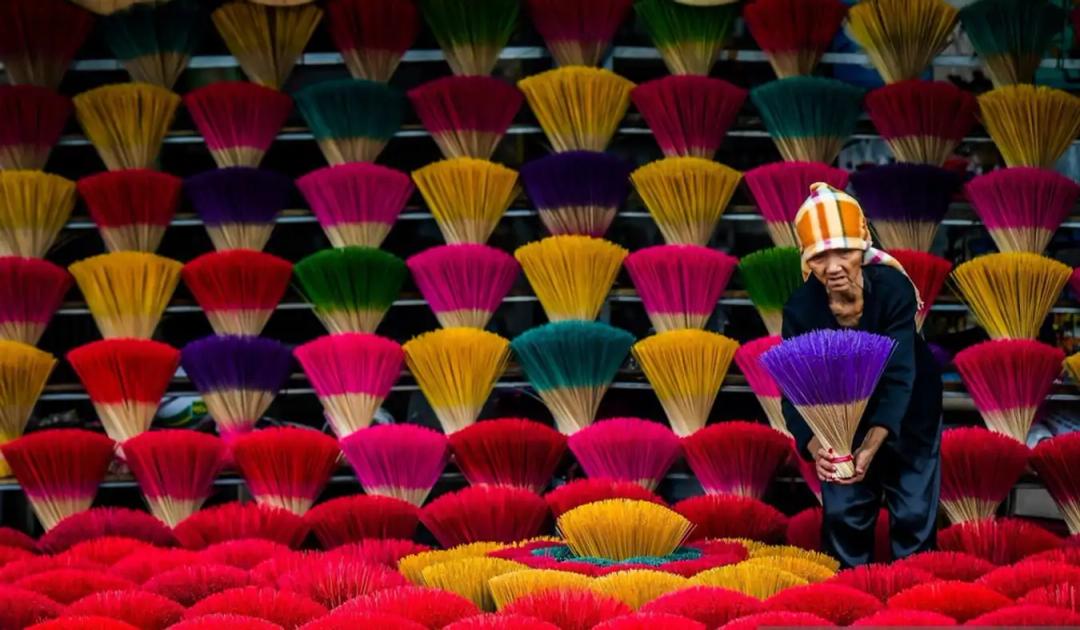
Visiting Phuc Am is a fascinating visual experience. The village seems to be entirely covered in colorful paper. In front of the houses stand miniature villas, motorcycles, televisions, clothing, and luxury cars made of paper. Some creations reach several meters in height.
Over the years, votive paper objects have evolved alongside modern Vietnamese society. Today, artisans reproduce symbols of contemporary success, including smartphones, air conditioners, designer handbags, and electronic devices.
These remarkable creations often surprise European visitors. Yet they simply reflect the belief of offering ancestors the items they may need for comfort in the afterlife.
For photography enthusiasts, Phuc Am is also an exceptional destination. The vibrant colors, scenes of traditional craftsmanship, and the play of light throughout the alleys create particularly striking images.
Morning is the best time to explore the village. Soft light illuminates the house fronts as artisans slowly begin their day’s work. At this hour, the atmosphere is quieter, allowing visitors to observe the meticulous gestures of the villagers in an almost meditative setting.
The liveliest seasons in Phuc Am
Throughout the year, the atmosphere of the village changes with Vietnam’s major festivals. Certain periods offer an even more spectacular immersion for travelers eager to discover local craftsmanship.
Before Tet, the whole village comes alive
A few weeks before the Lunar New Year, Phuc Am enters one of its busiest periods. Orders arrive from all over the country, and workshops operate continuously.
Throughout the alleys, stacks of paper become increasingly impressive. Families often work together until late in the evening to complete the creations needed for Tet ceremonies.
This bustling activity completely transforms the village. The sound of scissors cutting paper, conversations between artisans, and the constant movement of trucks create an especially lively atmosphere.
The Vu Lan Festival and spiritual ceremonies
The Vu Lan Festival, celebrated in honor of parents and ancestors, is another important period for the village.
During this time, Vietnamese families prepare numerous ceremonies and purchase various votive offerings. As a result, Phuc Am’s workshops become even busier.
For international visitors, this season provides an even deeper insight into the connection between craftsmanship and spirituality. The village becomes a true reflection of Vietnamese family traditions that remain deeply rooted in contemporary society.
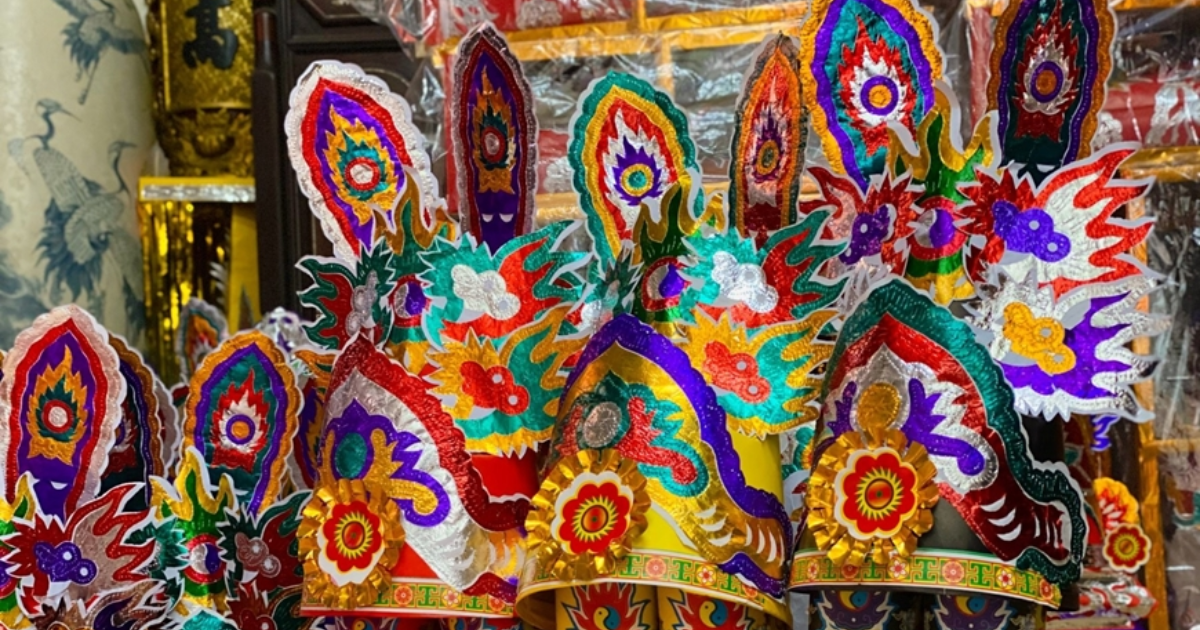
Between traditional craftsmanship and modernity
Like many Vietnamese craft villages, Phuc Am has evolved with the times. Some workshops now use modern tools to increase production, while others prefer to preserve entirely handmade methods.
The craft also faces several challenges. Younger generations sometimes leave the village to work in the cities. Debates surrounding the burning of votive paper, particularly for environmental reasons, have also become more frequent. Despite this, the tradition remains firmly rooted in Vietnamese society. Family ceremonies continue to play an essential role in everyday life.
In Phuc Am, modernity and tradition coexist without opposing one another. This balance gives the village its distinctive atmosphere, between cultural heritage and constant adaptation.
Why visit Phuc Am during a trip to Vietnam?
For French travelers who appreciate meaningful encounters and cultural discovery, Phuc Am offers a unique experience near Hanoi.
Here, travel takes on a more intimate dimension. It is not simply about observing a traditional craft, but about gaining a deeper understanding of the Vietnamese relationship with family, ancestors, and memory.
The village is also captivating for its vibrant atmosphere. The scent of glue and incense, the sound of scissors cutting paper, conversations between artisans, and the vivid colors create a powerful sensory immersion. This experience can easily be included in a cultural day trip around Hanoi, alongside visits to the ceramic and silk villages of the Red River Delta.
For lovers of photography, culture, and local encounters, Phuc Am offers an experience far removed from the classic tourist routes. Here, Vietnam is discovered through the details of everyday life, the skilled hands of artisans, and traditions that remain deeply woven into local life.
Tips for visiting the village of Phuc Am
The best time to visit Phuc Am is before Vietnam’s major traditional festivals. During these periods, the village is especially lively and highly photogenic.
A morning visit allows you to enjoy softer light and more pleasant temperatures. It is also when artisans begin their work in a still peaceful atmosphere.
As in many Vietnamese villages, it is important to behave respectfully and discreetly. The workshops are often part of family homes. Taking the time to speak with the villagers also makes the experience more meaningful. Even a few smiles are often enough to create a sincere moment of connection.
An authentic and deeply human Vietnam
The votive paper village of Hanoi offers far more than a simple introduction to traditional craftsmanship. Behind the mountains of colorful paper and the spectacular creations lies an entire world of beliefs, memory, and cultural transmission.
In Phuc Am, every alley tells a story—that of a Vietnam deeply attached to its traditions, its families, and its ancestors. It is a meaningful and unexpected immersion, far from the usual travel clichés, revealing the richness of Vietnamese culture.
Let Villages Vietnam guide you beyond the horizon
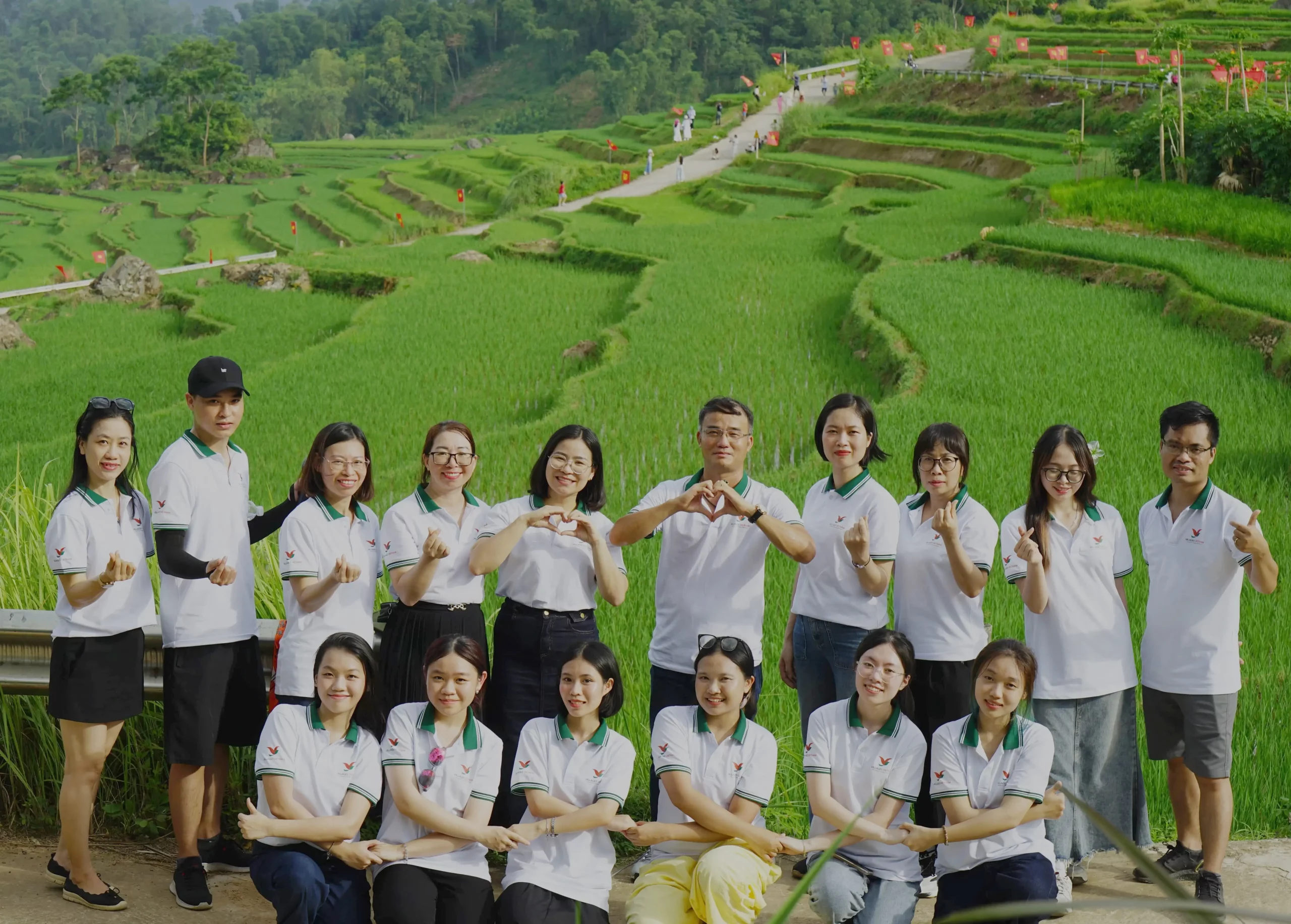
Let Villages Vietnam guide you toward new horizons. Gentle, meaningful, and deeply immersive experiences. Simple yet unforgettable encounters.
We invite you to live rare moments:
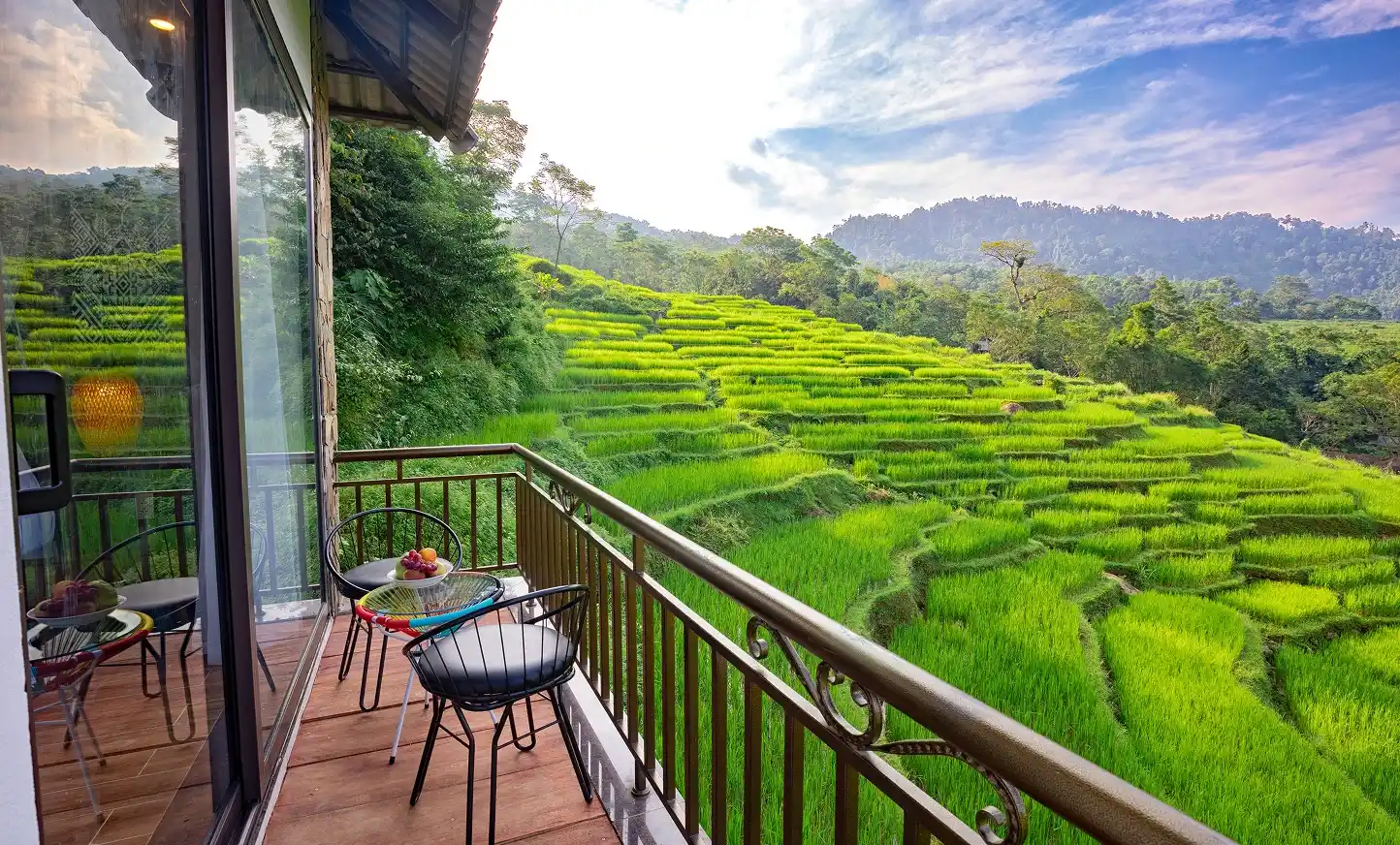
- Lose yourself in the picturesque landscapes of Vietnam
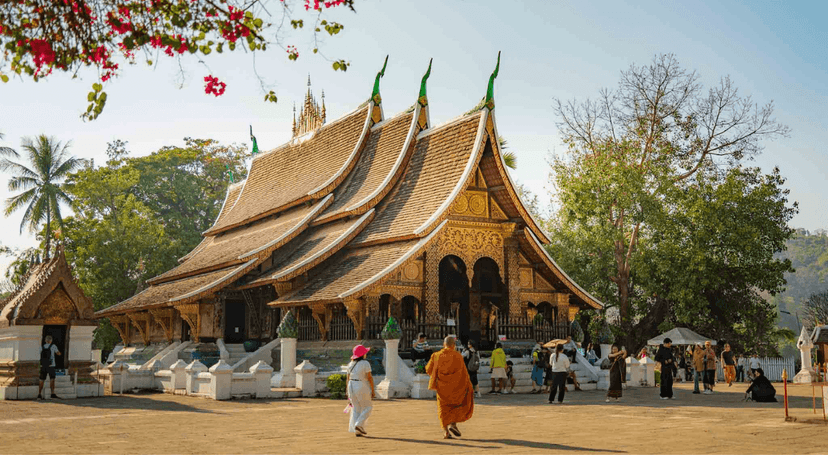
- Follow the peaceful rhythm of the rice fields in Laos
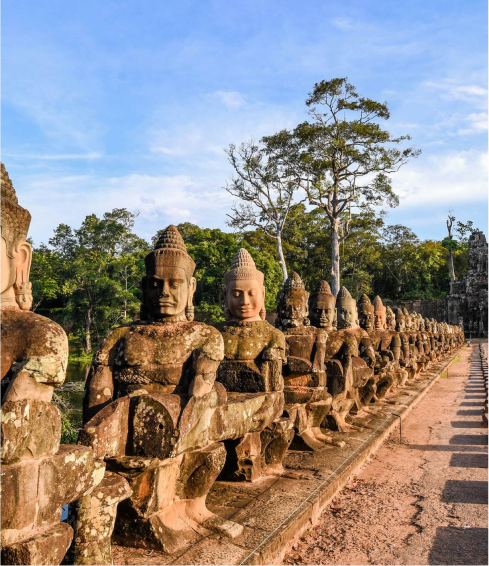
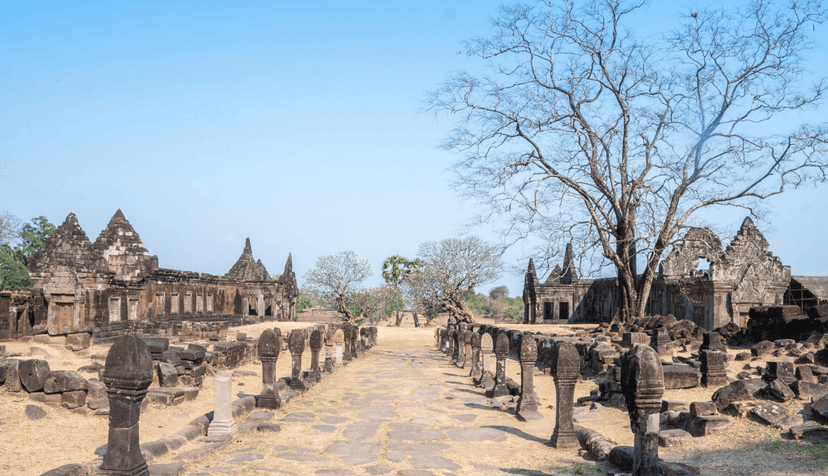
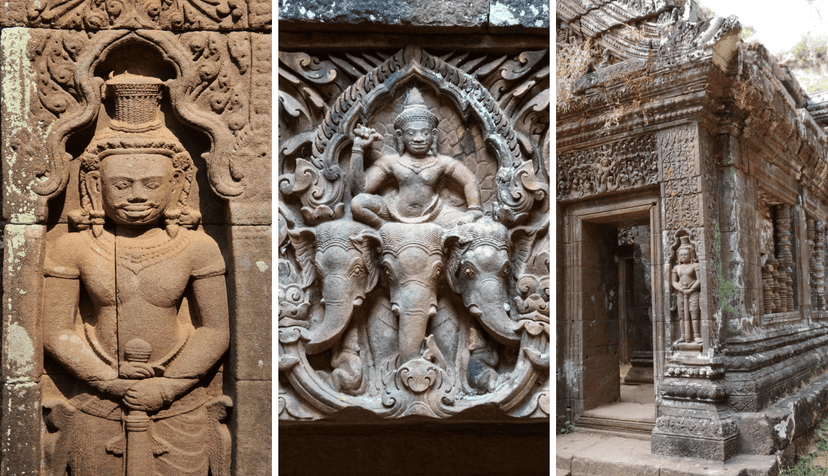
- Walk in silence toward the ancient temples of Cambodia, hidden deep within lush forests
Villages Vietnam proudly creates authentic cultural journeys, crafted with care and heart. Our tours highlight the soul of Indochina — its traditions, gentleness, and the warmth of its people.
If you dream of a unique journey, designed just for you, a journey that leaves a mark on the heart, our team will be there, attentive and available.
We promise you the most beautiful discoveries: stories to share, emotions to feel, and our deep knowledge of the lands you will explore.
- Contact: Ms. Jade VU
- WhatsApp: +84 0986 527 836
- Email: info@villagesvietnam.com
- Office in Vietnam: 7th floor, 30 Tran Phu Boulevard, Ha Dong District, Hanoi, Vietnam
- Office in France: 726 Chemin de la Croix du Sud, 83200 Toulon, France
- Office in Thailand: Klang Muang Village, Soi Srinakarindra 24, Srinakarindra Road, Suan Luang District, Bangkok 10250, Thailand
Published by:
Villages Vietnam
Publication date:
14/07/2026
Beautiful journeys
Travel guide





Frequently Asked Questions
In general, the best time to visit Vietnam is from November to April. But you can travel all year round. The weather changes a lot from region to region, so when it rains or gets cold in one place, it can be sunny somewhere else.
Internet access is easy and affordable. Most hotels, cafés, and restaurants offer free Wi-Fi. If you want to stay connected all the time on your phone, you can buy a local SIM card. It gives you a stable connection during your trip for a very good price.