































 Iconic place
Discover Vat Phou: a Khmer heritage treasure in the heart of Champasak
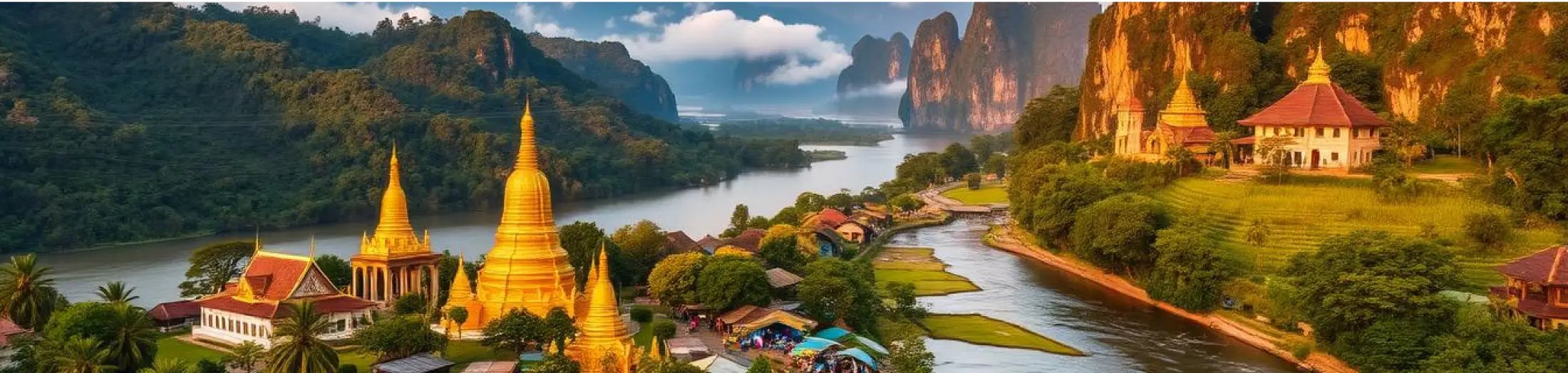
Discover Vat Phou (Wat Phou), an architectural masterpiece that seems suspended between sky and earth in southern Laos. As you read on, you’ll discover Vat Phou not simply as an ancient ruin, but as the living heart of a remarkable civilization whose peaceful spirit still echoes through every stone.
This guide takes you to the Champasak district for an unforgettable cultural journey, where Khmer history unfolds amid breathtaking natural scenery, far from the crowds of mainstream tourism.
Champasak & Vat Phou: a hidden treasure in southern Laos
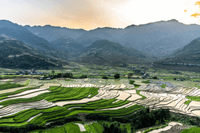
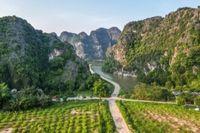
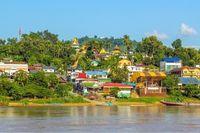
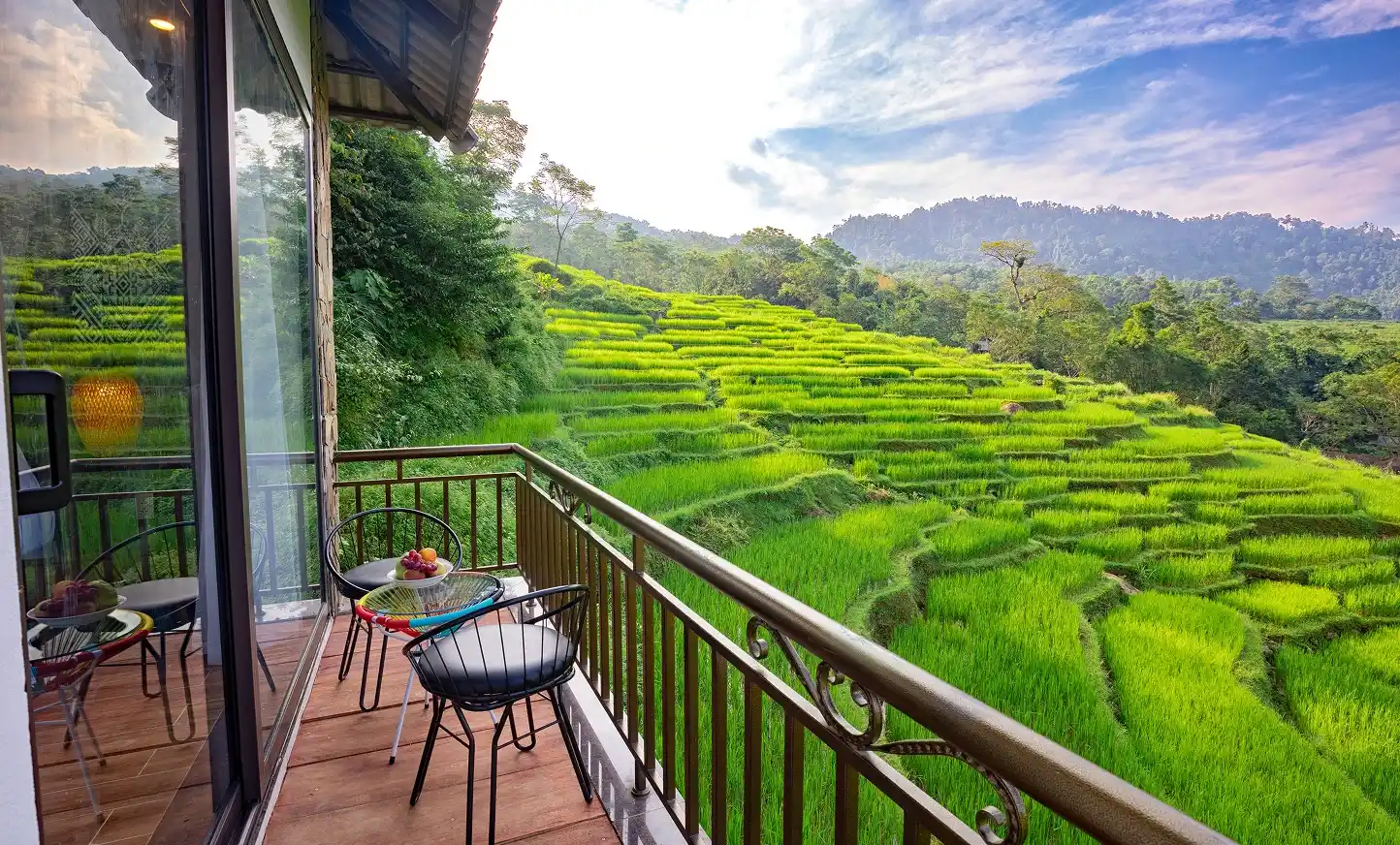
Located around 40 kilometers south of Pakse, Champasak Province preserves the authentic soul of Laos. Here, the Mekong widens, rice fields stretch endlessly across the landscape, and time seems to slow to a gentle pace.
Unlike many of Southeast Asia’s famous tourist destinations, Champasak has retained its peaceful atmosphere and authentic charm, where true luxury lies in silence, simplicity, and the beauty of the surrounding landscapes.
Discover Vat Phou at sunrise, and you’ll feel as though you’ve stepped back in time. Although far less visited than Cambodia’s famous Khmer temples, the site offers a rare sense of intimacy with history that is increasingly difficult to find elsewhere.
For travelers seeking meaningful experiences, Champasak is far more than a stopover—it’s an ideal destination for slow travel. Wander through the quiet streets lined with colonial-era houses before making your way to centuries-old sanctuaries nestled at the foot of the sacred mountain.
This unique combination of remarkable historical heritage and the simplicity of local life makes Champasak one of southern Laos’ best-kept secrets, inviting visitors to slow down, reflect, and discover the country’s rich cultural soul.
Vat Phou: a UNESCO World Heritage Site
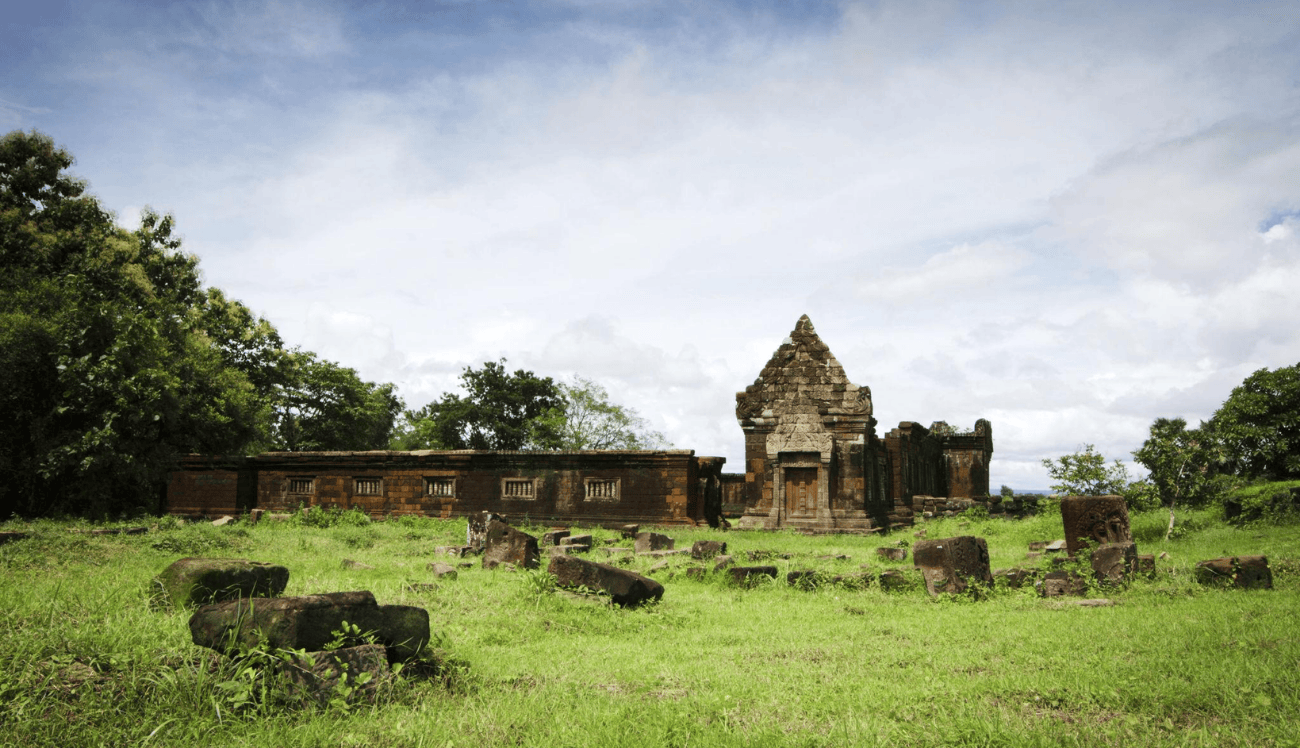
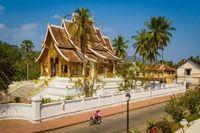
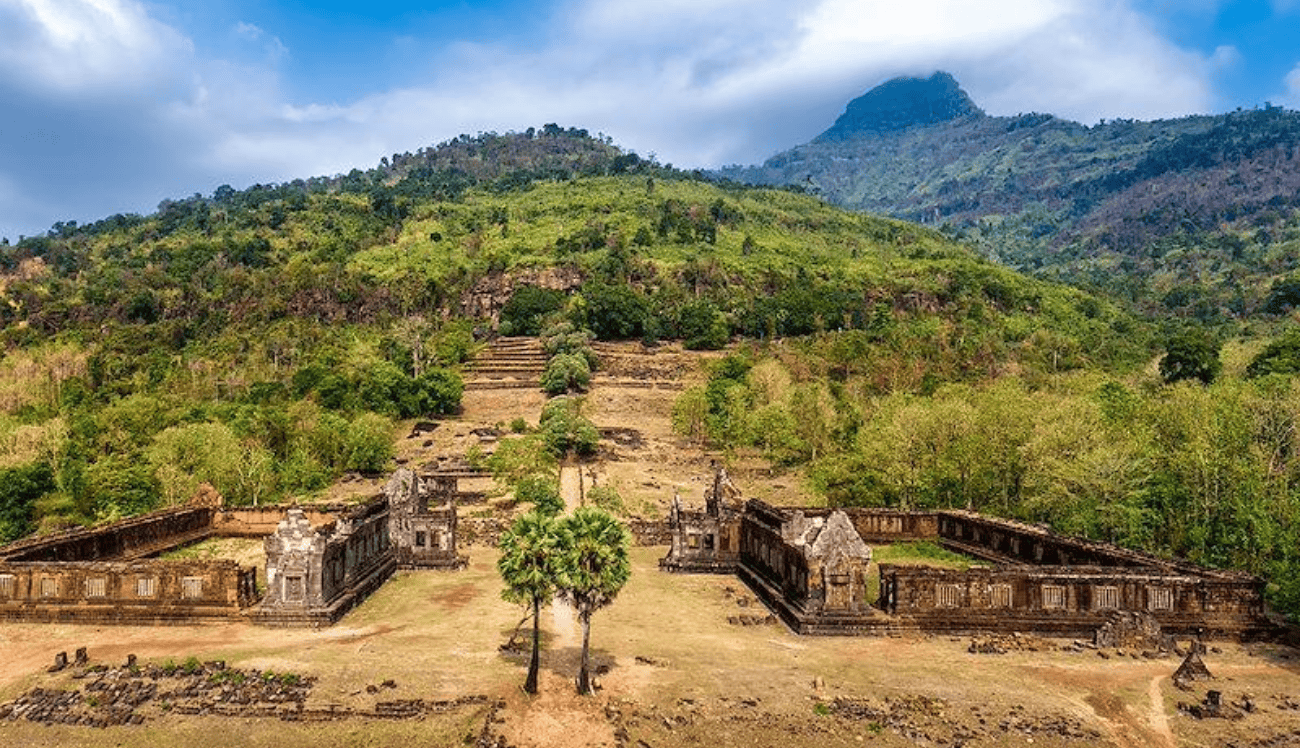
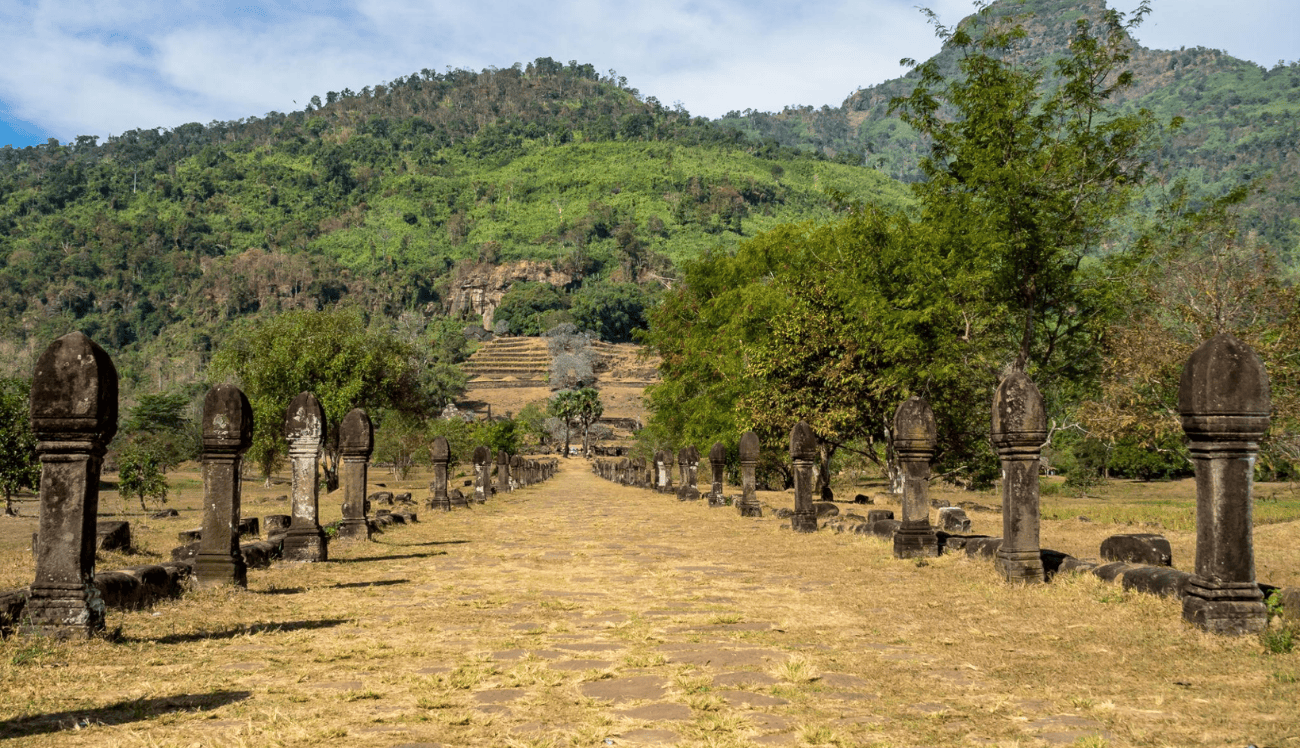
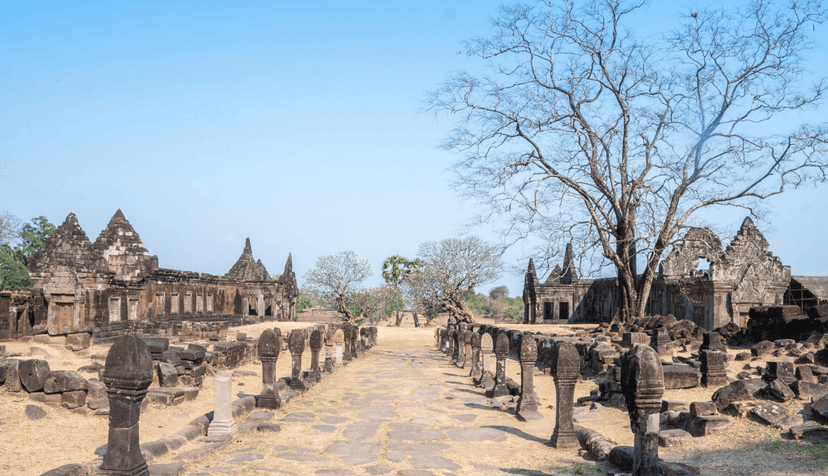
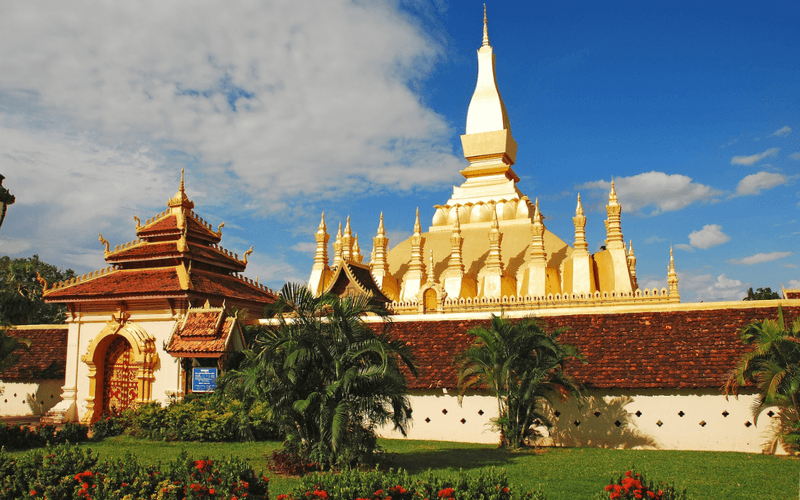
Recognized as a UNESCO World Heritage Site, Vat Phou is a remarkable pre-Angkorian temple complex whose origins date back to the 5th century. One of its most striking features is the thoughtful way it was designed: the stone structures rise gracefully along the mountainside, creating a perfectly aligned sacred axis.
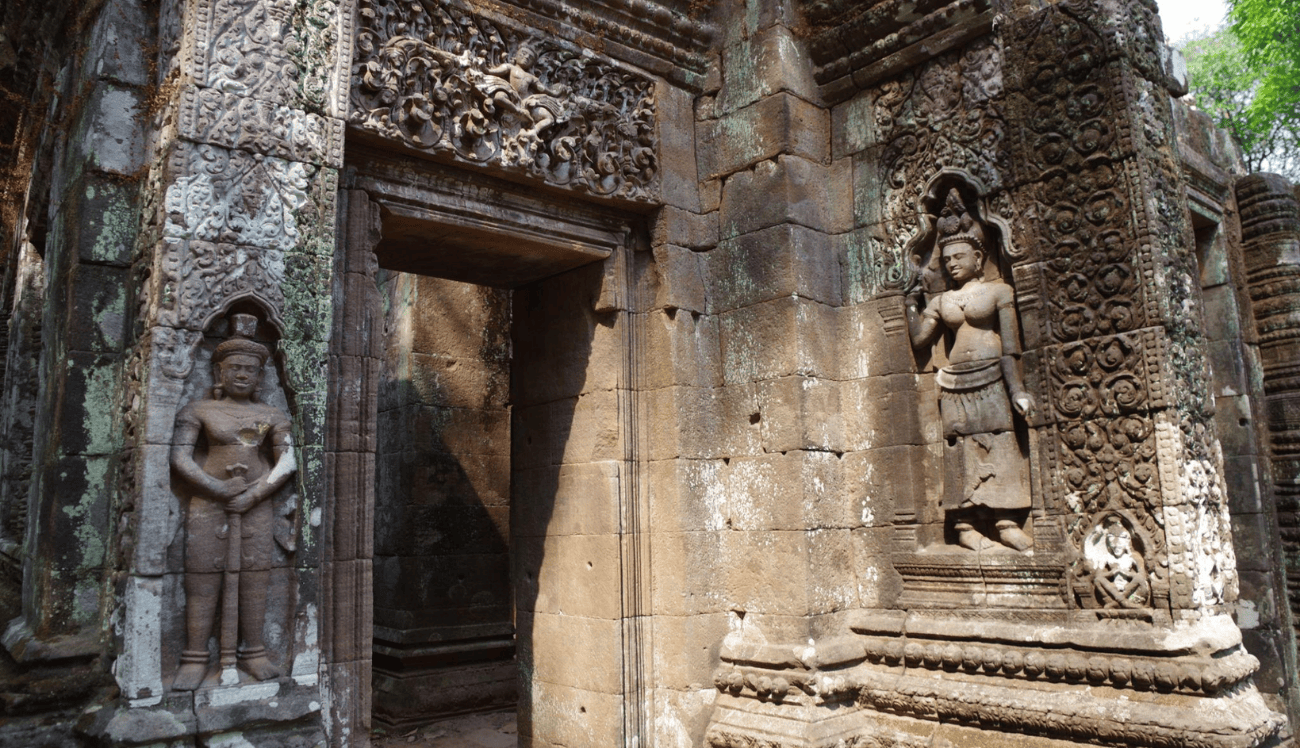
As you climb the sandstone steps shaded by centuries-old frangipani trees, you’ll feel the power of an architecture that blends seamlessly with its natural surroundings. Every terrace and every intricately carved lintel tells part of a sophisticated spiritual and cosmological story.
The spiritual atmosphere remains tangible today. Vat Phou is still an active place of worship, where devotees leave flowers and incense, allowing visitors to witness a living tradition that continues to connect the present with the distant past.
Phou Kao: the sacred mountain
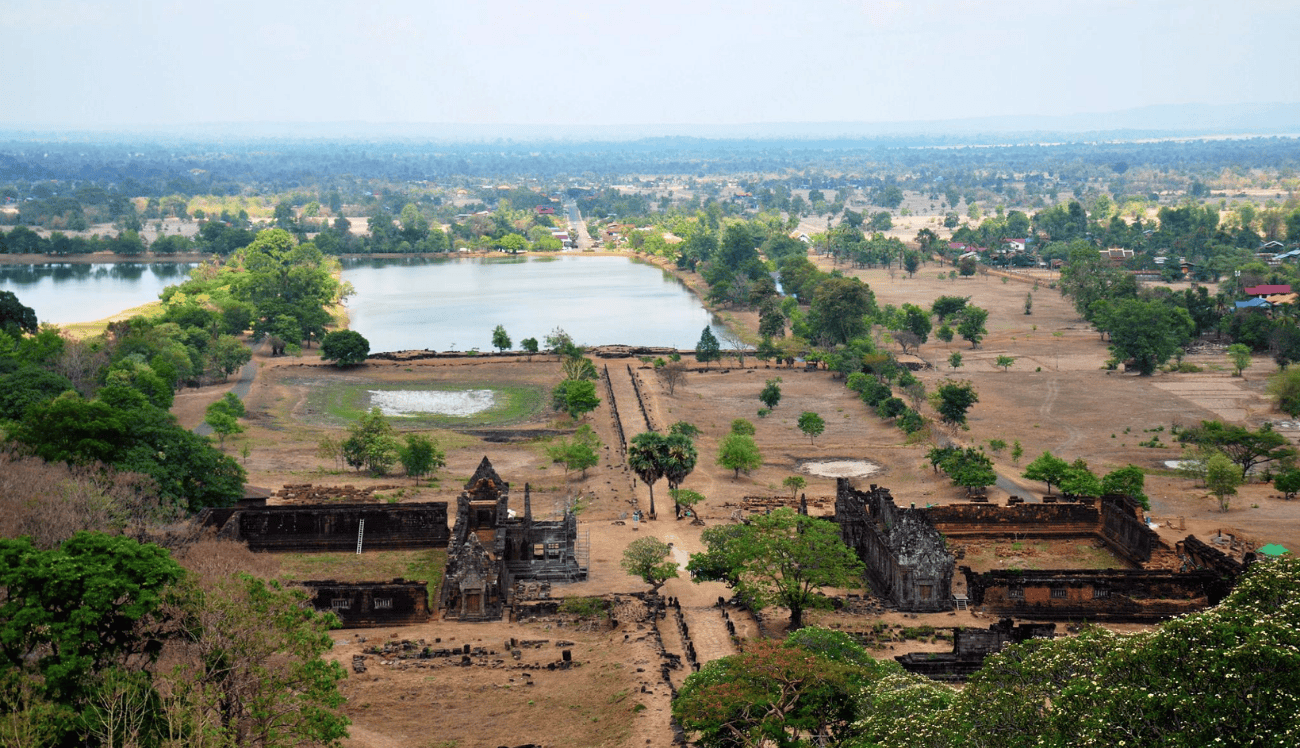
Vat Phou would not exist without the majestic Phou Kao Mountain that rises above it. Its distinctive silhouette is renowned for a natural rock formation resembling a lingam, the sacred phallic symbol associated with the Hindu god Shiva. This remarkable geological feature made the mountain a revered spiritual site long before the temple itself was built.
More than a dramatic backdrop, Phou Kao is the spiritual foundation of the entire complex. For the ancient Khmer civilization, it symbolized Mount Meru—the mythical center of the universe in Hindu cosmology. This inseparable connection between nature, religion, and symbolism gives Vat Phou its distinctive mystical character, where the mountain itself becomes an object of worship.
The Khmer Empire’s legacy in Laos
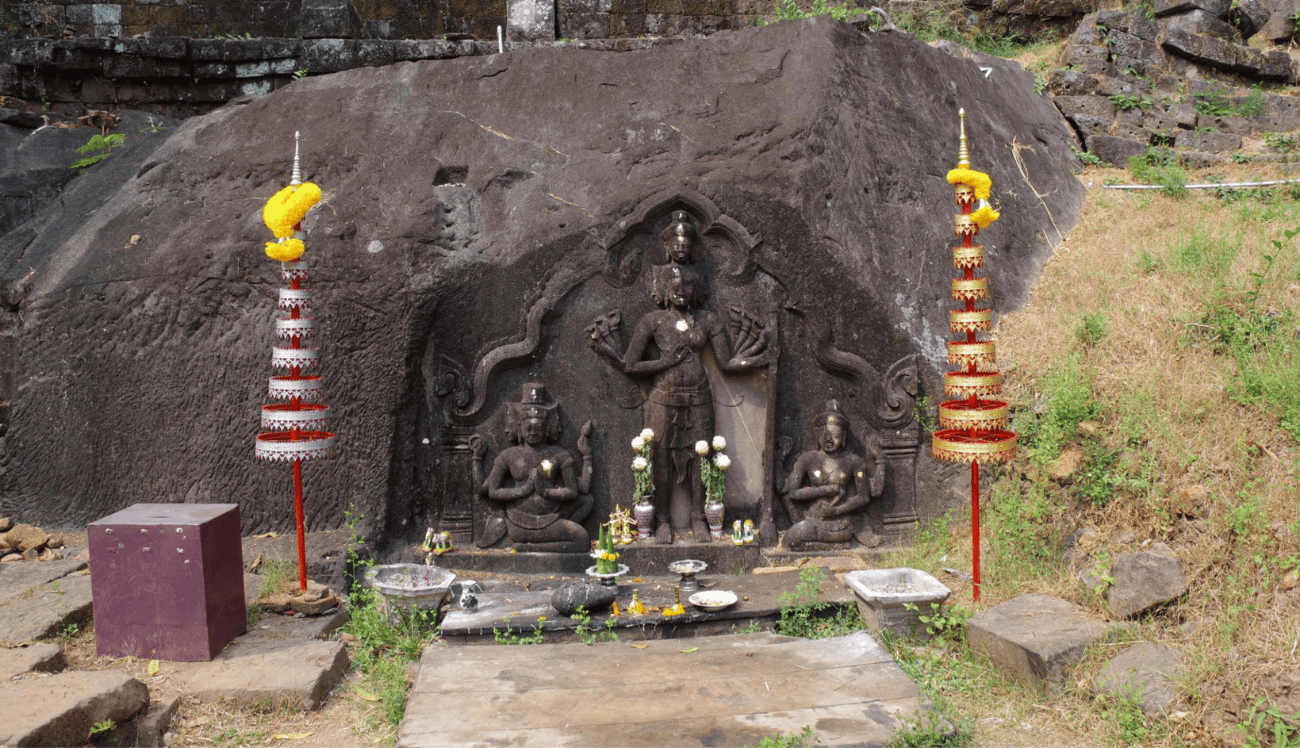
Long before the golden age of Angkor in Cambodia, the Champasak region was the political and spiritual center of the ancient Kingdom of Chenla, the precursor to the Khmer Empire. Vat Phou is widely regarded as one of the birthplaces of Khmer civilization, serving as both an architectural and spiritual model for the great temple cities that followed.
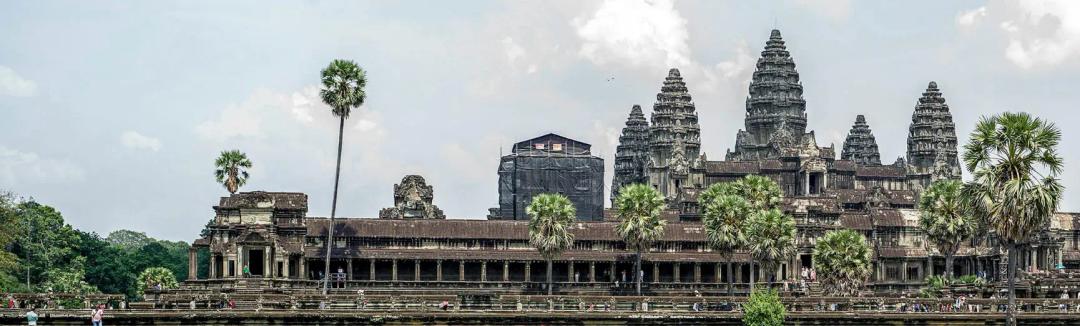
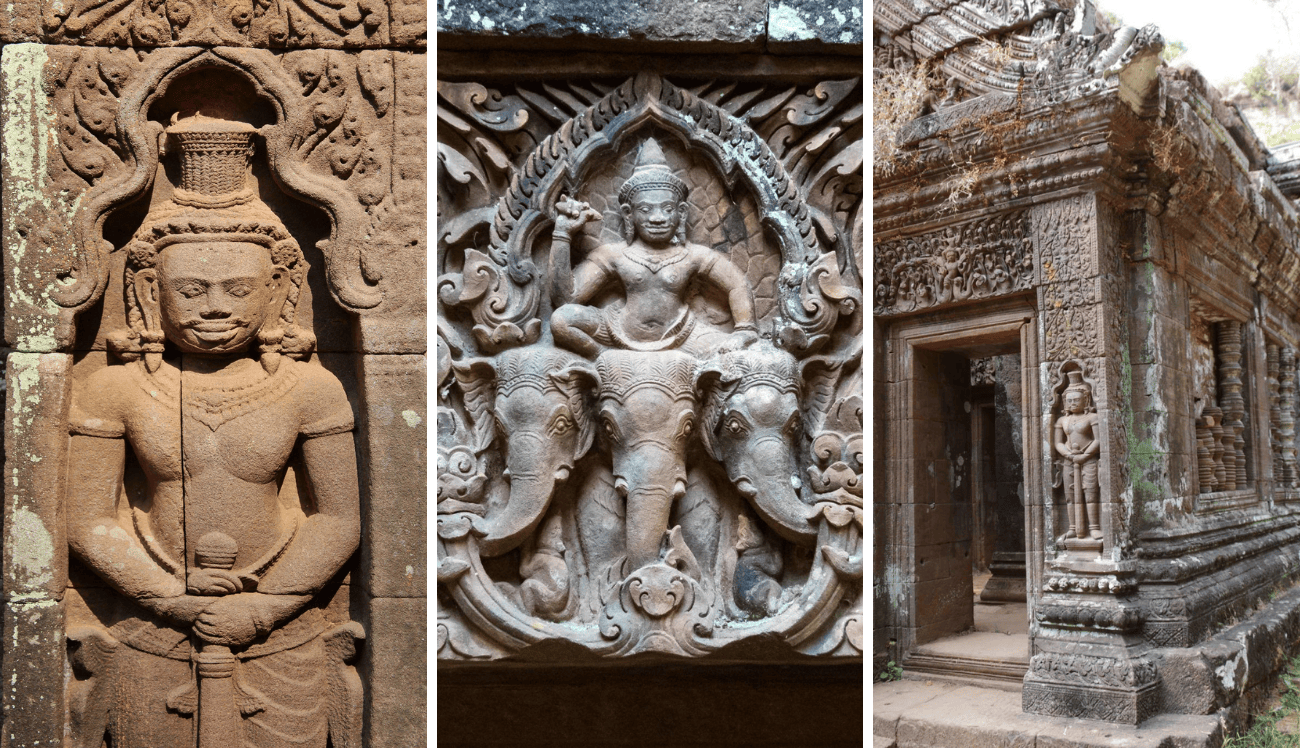
Compared with Angkor Wat, Vat Phou offers a more intimate atmosphere and a stronger connection with the surrounding landscape. Here, ancient carvings are not hidden behind barriers—they remain part of the earth, embraced by the forest. Exploring the Khmer heritage of Laos is an opportunity to trace the origins of an artistic and spiritual tradition that shaped much of Southeast Asia.
Why visit Vat Phou today?
At a time when many of the world’s iconic heritage sites are overwhelmed by visitors, Vat Phou offers a refreshing alternative. Far less crowded than Angkor, it allows travelers to enjoy a more intimate, meaningful, and unhurried experience.
It is one of those rare places where you can still sit alone on an ancient stone step, listening to the breeze rustling through the trees. For travelers with a passion for history, culture, and tranquility, Vat Phou perfectly embodies the spirit of discovery. Rather than simply admiring a monument, visitors are invited to immerse themselves in a timeless landscape where silence encourages reflection and creates a genuine connection with the site’s remarkable heritage.
Practical tips for visiting Champasak & Vat Phou
To make your journey through southern Laos as smooth as it is memorable, here are our expert recommendations to help you plan the perfect visit.
Best time to visit
The ideal time to visit is from November to February, when the weather is dry and pleasantly cool. For the most atmospheric experience, we recommend arriving as soon as the site opens (8:00 AM). The soft morning light beautifully highlights the intricate Khmer carvings while allowing you to explore before the afternoon heat sets in.
Getting around Champasak
- By bicycle: Champasak is a flat, peaceful town, making it ideal for cycling. Renting a bicycle to cover the few kilometers between the town center and Vat Phou is a delightful slow-travel experience, passing rice paddies and traditional wooden houses along the way.
- By tuk-tuk or private car: If you’re traveling from Pakse (approximately 45 km away), hiring a tuk-tuk or private vehicle is the most comfortable way to enjoy the scenic rural landscapes on your way to the temple complex.
Essential travel tips
- Dress respectfully: Vat Phou remains an active sacred site, so clothing that covers the shoulders and knees is recommended.
- Wear comfortable footwear: Reaching the upper sanctuary involves climbing uneven sandstone steps, which can become slippery, especially after rain.
- Protect yourself from the sun: Much of the site is exposed to direct sunlight, so don’t forget a hat, sunglasses, sunscreen, and plenty of drinking water.
Local flavors not to miss
Before leaving the region, be sure to sample Bolaven coffee, widely regarded as one of Southeast Asia’s finest coffees. In Champasak, riverside restaurants overlooking the Mekong offer the perfect setting to enjoy freshly grilled fish wrapped in banana leaves, one of the area’s signature specialties.
Suggested itineraries
Vat Phou is the perfect starting point for discovering the diverse landscapes of southern Laos:
- Toward the cool highlands: Explore the Bolaven Plateau, renowned for its coffee plantations and spectacular waterfalls such as Tad Fane.
- Toward peaceful riverscapes: Continue to the 4,000 Islands (Si Phan Don), where you may spot the rare Irrawaddy dolphins and experience the gentle rhythm of life along the Mekong.
The Villages Vietnam advantage
Although Vat Phou is easy to access, fully understanding its rich history and symbolism can be challenging. With limited on-site interpretation, many visitors miss the deeper stories behind the temple. Choosing Villages Vietnam means traveling with a passionate English-speaking guide who will bring the ancient stones to life and reveal the fascinating meaning behind the temple’s remarkable bas-reliefs.
Our commitment: We take care of every detail—from private transfers to carefully selected accommodations—so you can focus entirely on experiencing the grandeur and spiritual legacy of the Khmer Empire.
Let Villages Vietnam guide you beyond the horizon
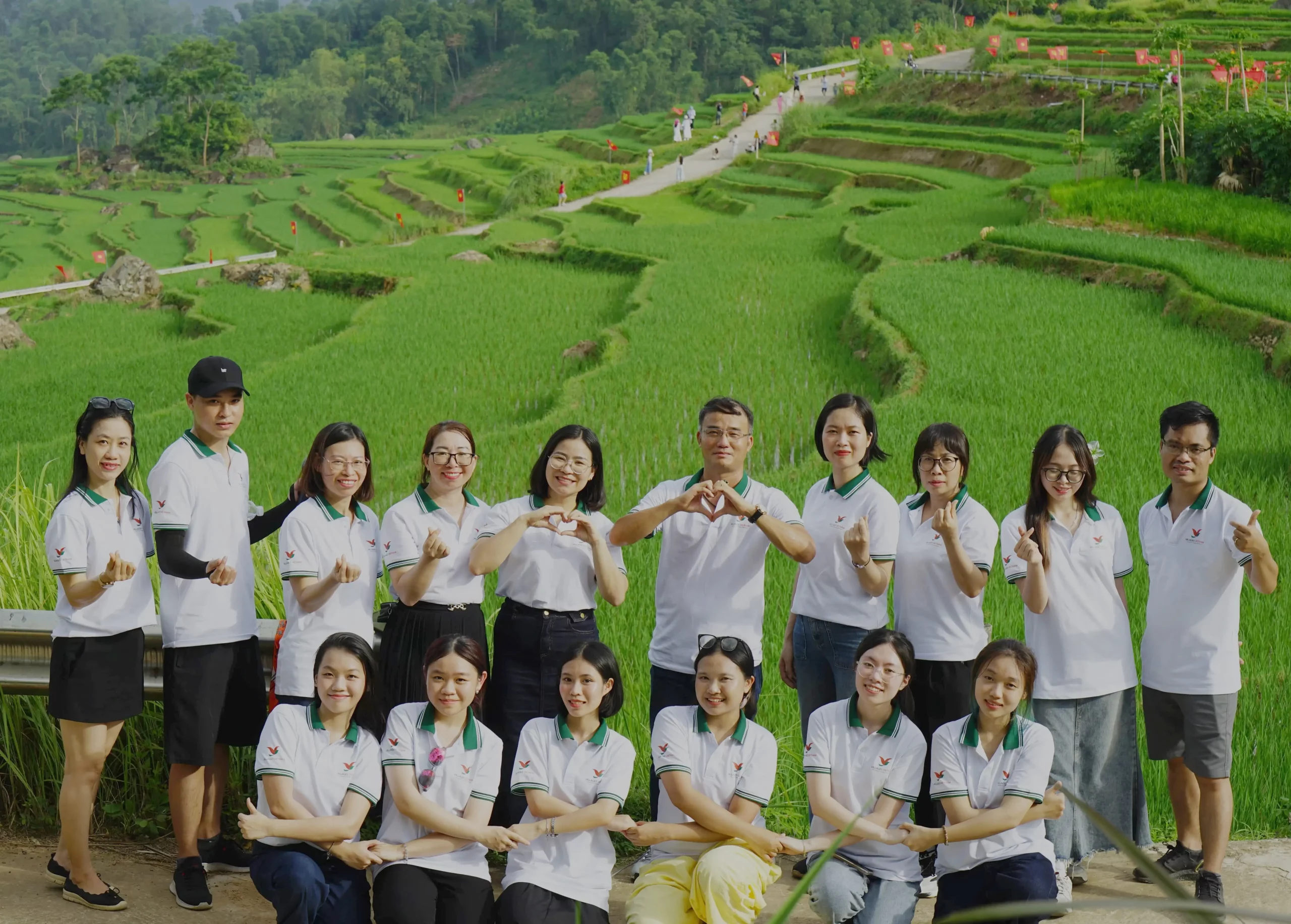
Let Villages Vietnam guide you toward new horizons. Gentle, meaningful, and deeply immersive experiences. Simple yet unforgettable encounters.
We invite you to live rare moments:
- Lose yourself in the picturesque landscapes of Vietnam
- Follow the peaceful rhythm of the rice fields in Laos
- Walk in silence toward the ancient temples of Cambodia, hidden deep within lush forests
Villages Vietnam proudly creates authentic cultural journeys, crafted with care and heart. Our tours highlight the soul of Indochina — its traditions, gentleness, and the warmth of its people.
If you dream of a unique journey, designed just for you, a journey that leaves a mark on the heart, our team will be there, attentive and available.
We promise you the most beautiful discoveries: stories to share, emotions to feel, and our deep knowledge of the lands you will explore.
- Contact: Ms. Jade VU
- WhatsApp: +84 0986 527 836
- Email: info@villagesvietnam.com
- Office in Vietnam: 7th floor, 30 Tran Phu Boulevard, Ha Dong District, Hanoi, Vietnam
- Office in France: 726 Chemin de la Croix du Sud, 83200 Toulon, France
- Office in Thailand: Klang Muang Village, Soi Srinakarindra 24, Srinakarindra Road, Suan Luang District, Bangkok 10250, Thailand
Published by:
Villages Vietnam
Publication date:
23/07/2026
Beautiful journeys
Travel guide

Frequently Asked Questions
In general, the best time to visit Vietnam is from November to April. But you can travel all year round. The weather changes a lot from region to region, so when it rains or gets cold in one place, it can be sunny somewhere else.
Internet access is easy and affordable. Most hotels, cafés, and restaurants offer free Wi-Fi. If you want to stay connected all the time on your phone, you can buy a local SIM card. It gives you a stable connection during your trip for a very good price.