




































 Iconic place
Discover Nong Khiaw: a peaceful haven along the Nam Ou River
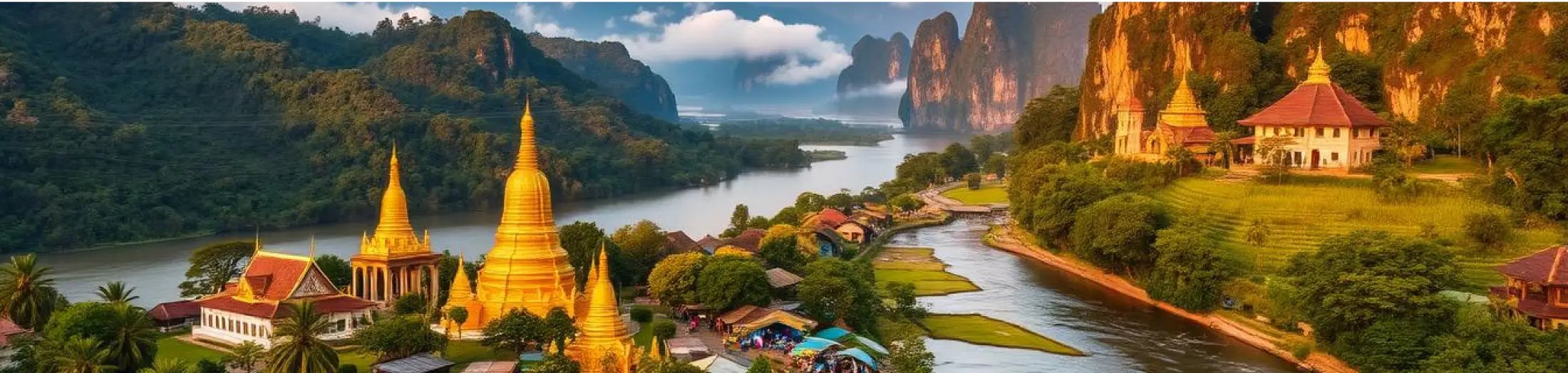
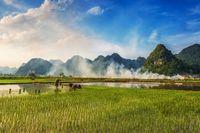
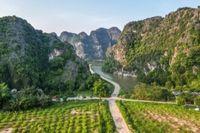
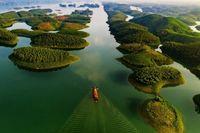
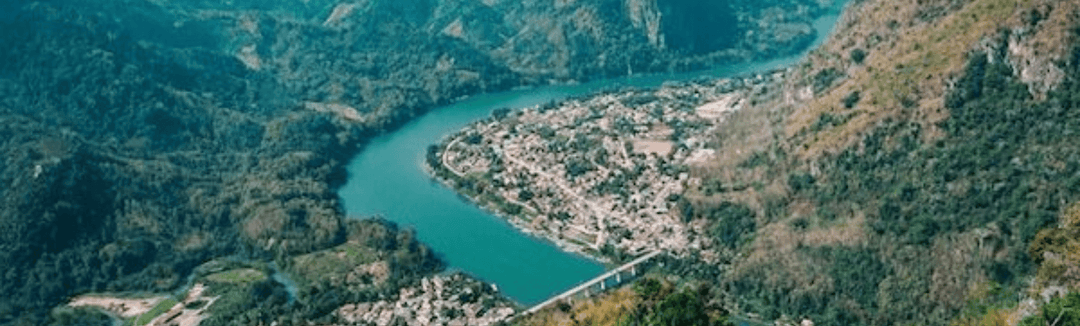
Nestled between limestone mountains and a peaceful river, Nong Khiaw embodies the essence of authentic Laos. Far from the bustling cities, this small village in the north invites travelers to slow down, observe, and truly experience the moment.
For French travelers seeking cultural depth and preserved nature, discovering Nong Khiaw means experiencing a sincere journey, where every moment unfolds according to the rhythm of the Nam Ou River and local traditions.
Discover Nong Khiaw: a peaceful haven in northern Laos
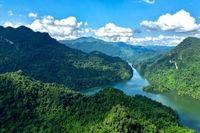
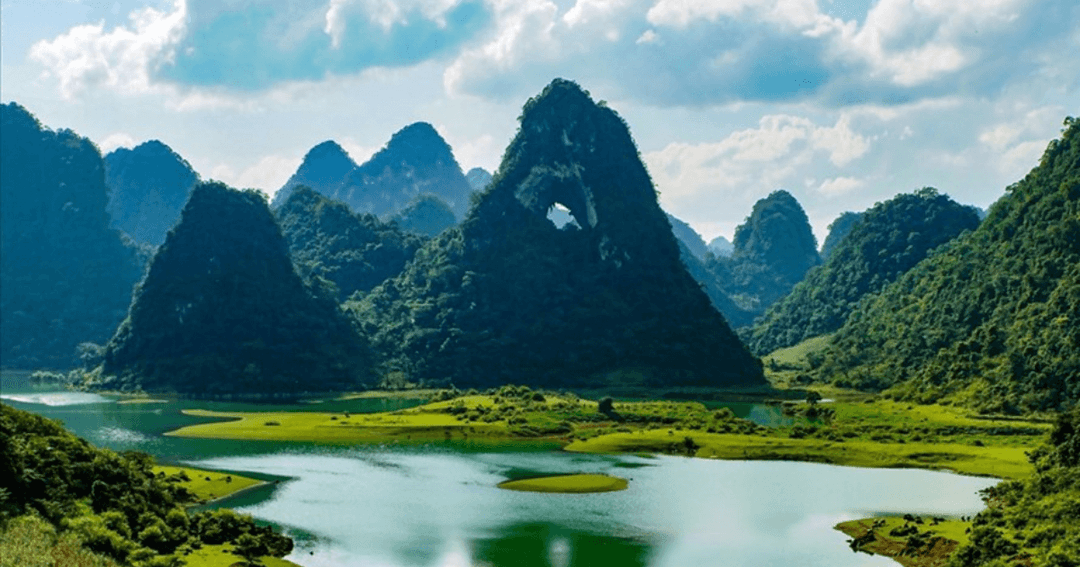
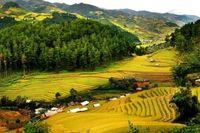
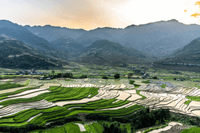
Located along the banks of the Nam Ou River, Nong Khiaw is a small village in northern Laos that captivates visitors with its peaceful atmosphere and spectacular landscapes. Surrounded by vegetation-covered limestone mountains, Nong Khiaw offers a pristine natural setting, far from the main tourist routes.
Discovering Nong Khiaw means leaving behind the fast pace of everyday life and embracing a slower, more mindful experience. Here, time seems to stand still. Days flow gently with the river, between walks, encounters, and moments of contemplation.
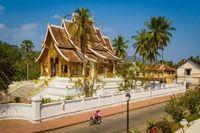
Once isolated from the outside world, the village has managed to preserve its authenticity. Today, it is an ideal stop for travelers wishing to explore northern Laos in depth, especially towards Muang Ngoi and the surrounding ethnic villages.
With its harmonious landscapes, peaceful atmosphere, and rich cultural heritage, Nong Khiaw perfectly embodies the spirit of responsible travel, where simplicity becomes a true form of luxury.
What to do in Nong Khiaw and its surroundings?
Exploring Nong Khiaw and its surroundings means entering a region where nature and local life are deeply connected. The activities may be limited in number, but each one carries a profound meaning.
Between panoramic hikes, journeys along the Nam Ou River, and encounters with local communities, every experience invites travelers to embrace a slow and immersive way of discovering Laos. Nong Khiaw is not simply a place to visit; it is a place to experience, with simplicity and attention.
Hiking to Pha Daeng Viewpoint
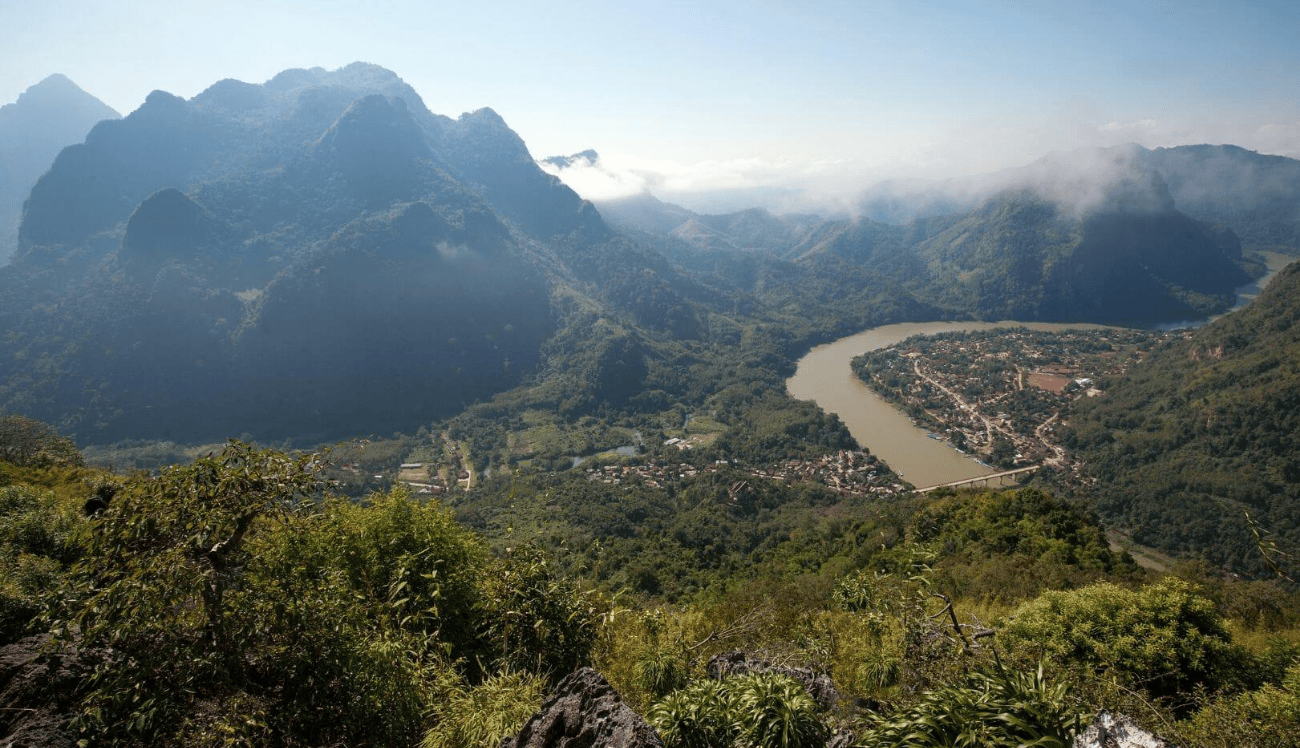
Located a few kilometers from the center of Nong Khiaw, the Pha Daeng viewpoint offers an accessible hike leading to a spectacular panorama over the Nam Ou River and the surrounding mountains.
The approximately one-hour climb passes through dense vegetation before reaching an open summit. At sunrise or sunset, the light reveals the full beauty of the landscape. This experience offers a rare moment of contemplation, perfect for absorbing the serenity of the place.
Exploring the caves
The caves around Nong Khiaw reflect both the natural richness of the karst landscape and the complex history of Laos. Formed over centuries within the limestone rock, they reveal contrasting worlds, from open spaces and deep passages to fascinating mineral formations.
Exploring these caves means entering a world apart, where light becomes scarce and every step encourages visitors to slow down. Some caves were shaped purely by nature, while others played an essential role in the lives of local communities, particularly during periods of conflict.
Among them, two sites stand out in particular: Pha Tok and Pha Kuang. Each offers a different experience, combining historical memory and sensory discovery, while revealing the deep connection between landscape, history, and spirituality in northern Laos.
Pha Tok Caves – a historical refuge
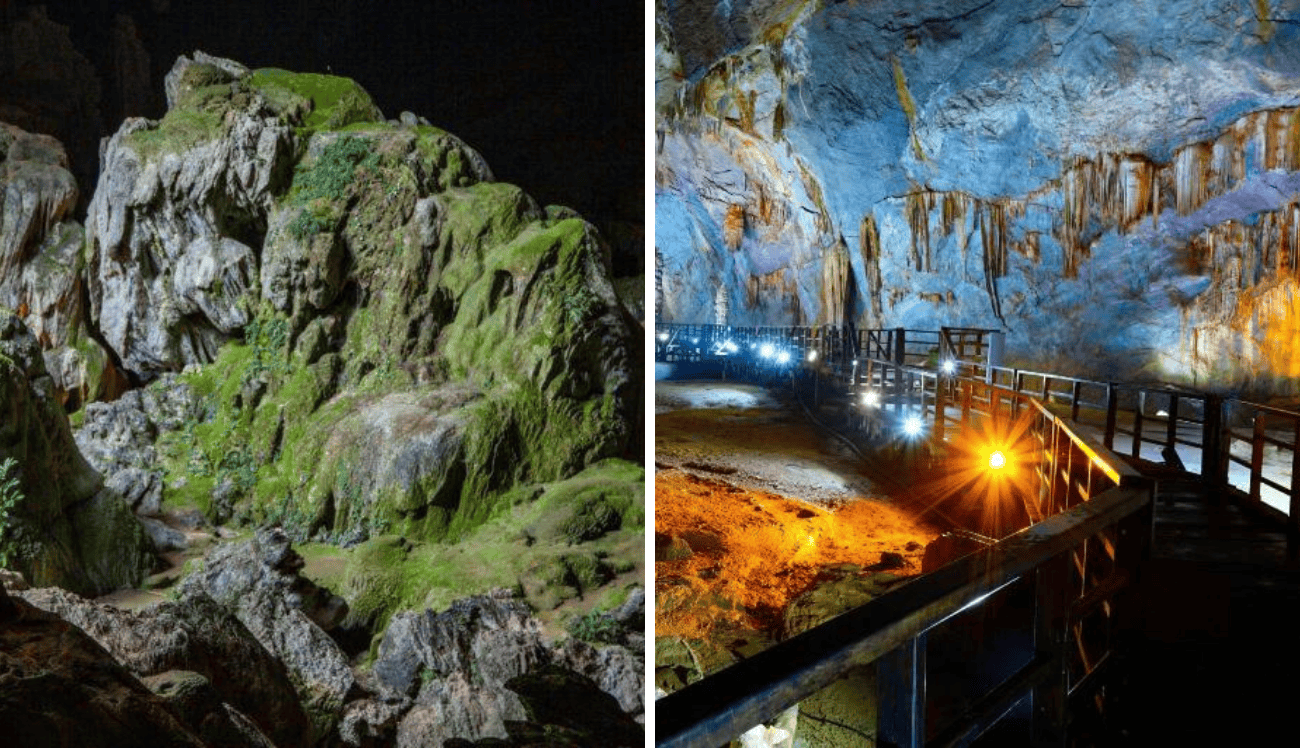
Located near Nong Khiaw, Pha Tok Cave is much more than a natural site. It served as a refuge for local residents during the Lao Civil War, providing protection from bombings and conflicts.
The entrance to the cave, often hidden from view, leads into a dark and silent space. Inside, the atmosphere is intense and almost solemn. The uneven walls, the darkness, and the silence create a deeply introspective experience.
Walking through Pha Tok Cave means stepping into a place of memory. Visitors can still feel the importance it once held for local communities, where nature became both shelter and protection.
Pha Kuang Caves
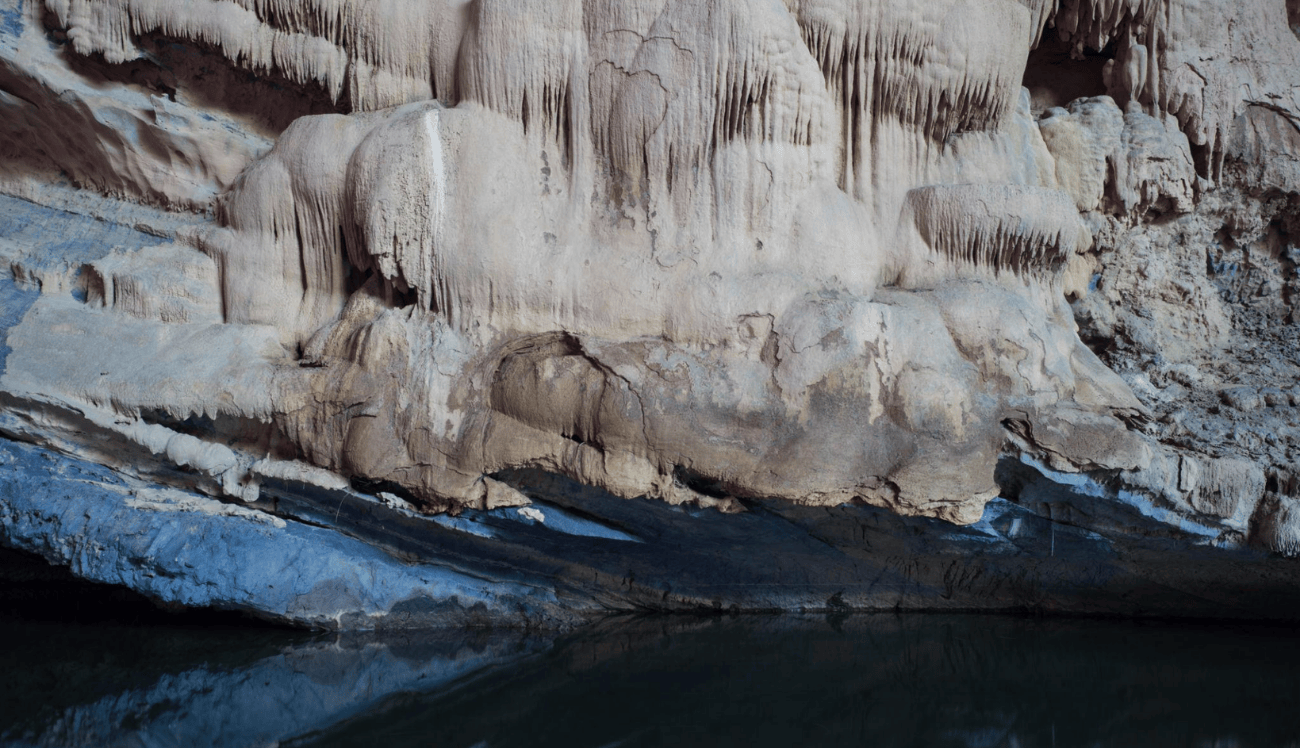
Pha Kuang Caves offer a different experience, one more focused on nature and contemplation.
Less connected to historical events, they impress visitors with their impressive dimensions and remarkable rock formations. Stalactites and stalagmites create an underground landscape sculpted by time. The light filtering through the entrance, or brought by a flashlight, gradually reveals the details of the cave walls.
The exploration takes place at a slow pace, in a cool and silent atmosphere. It is a sensory experience that highlights the power of time and natural elements.
Exploring Pha Kuang means entering a raw and peaceful mineral world, perfect for curiosity and contemplation.
Cruise along the Nam Ou River
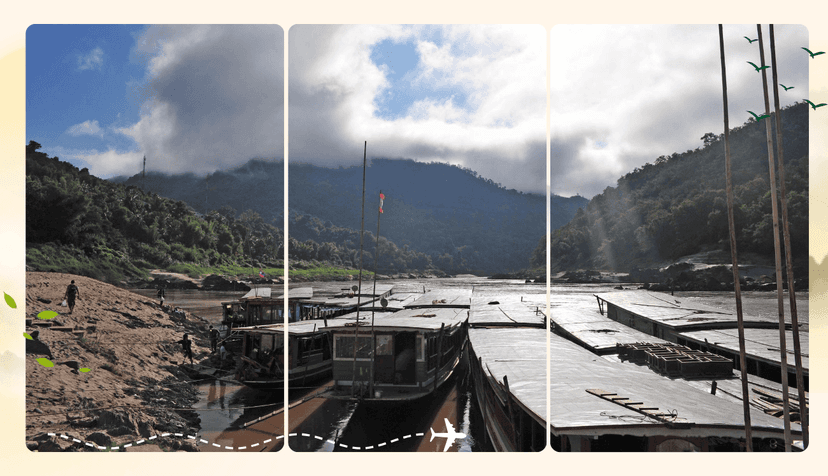
The Nam Ou River is the heart of Nong Khiaw. More than just a river, it shapes local life and connects the remote villages of northern Laos. Exploring the region on a Nam Ou River cruise means embracing a different rhythm: slower, calmer, and more attentive.
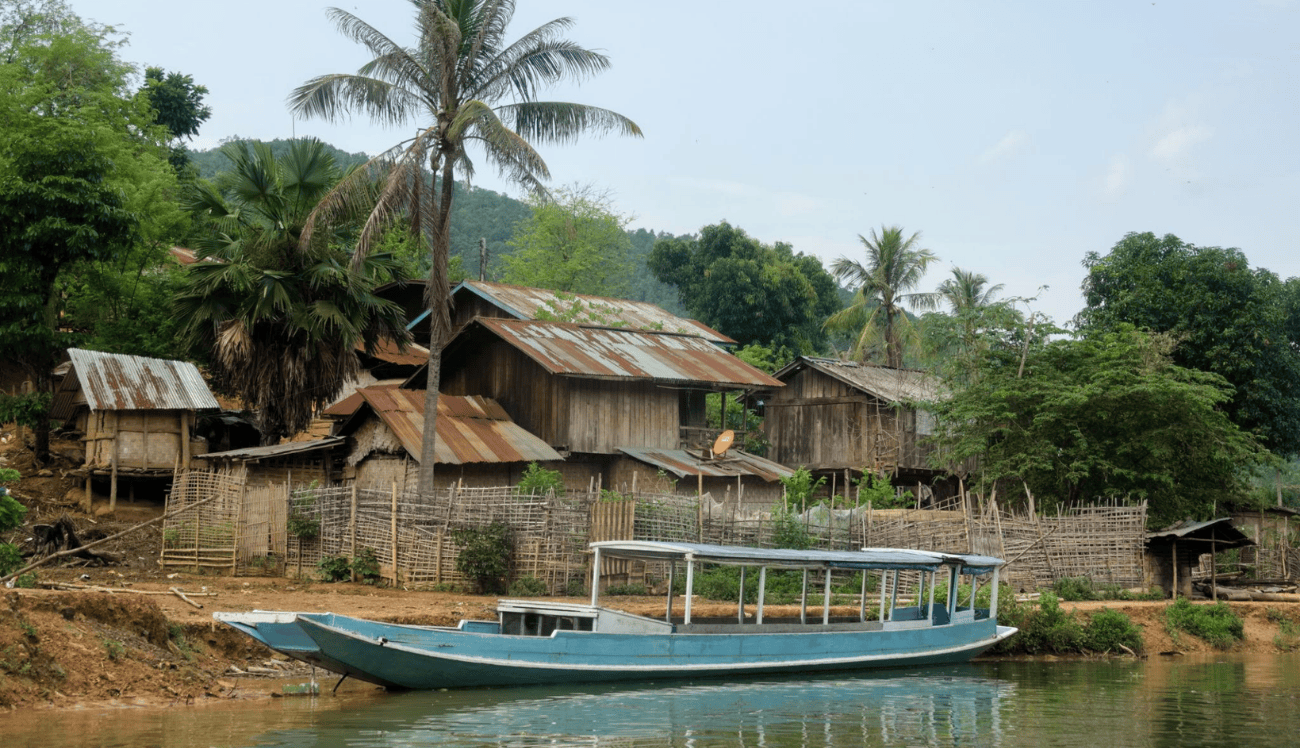
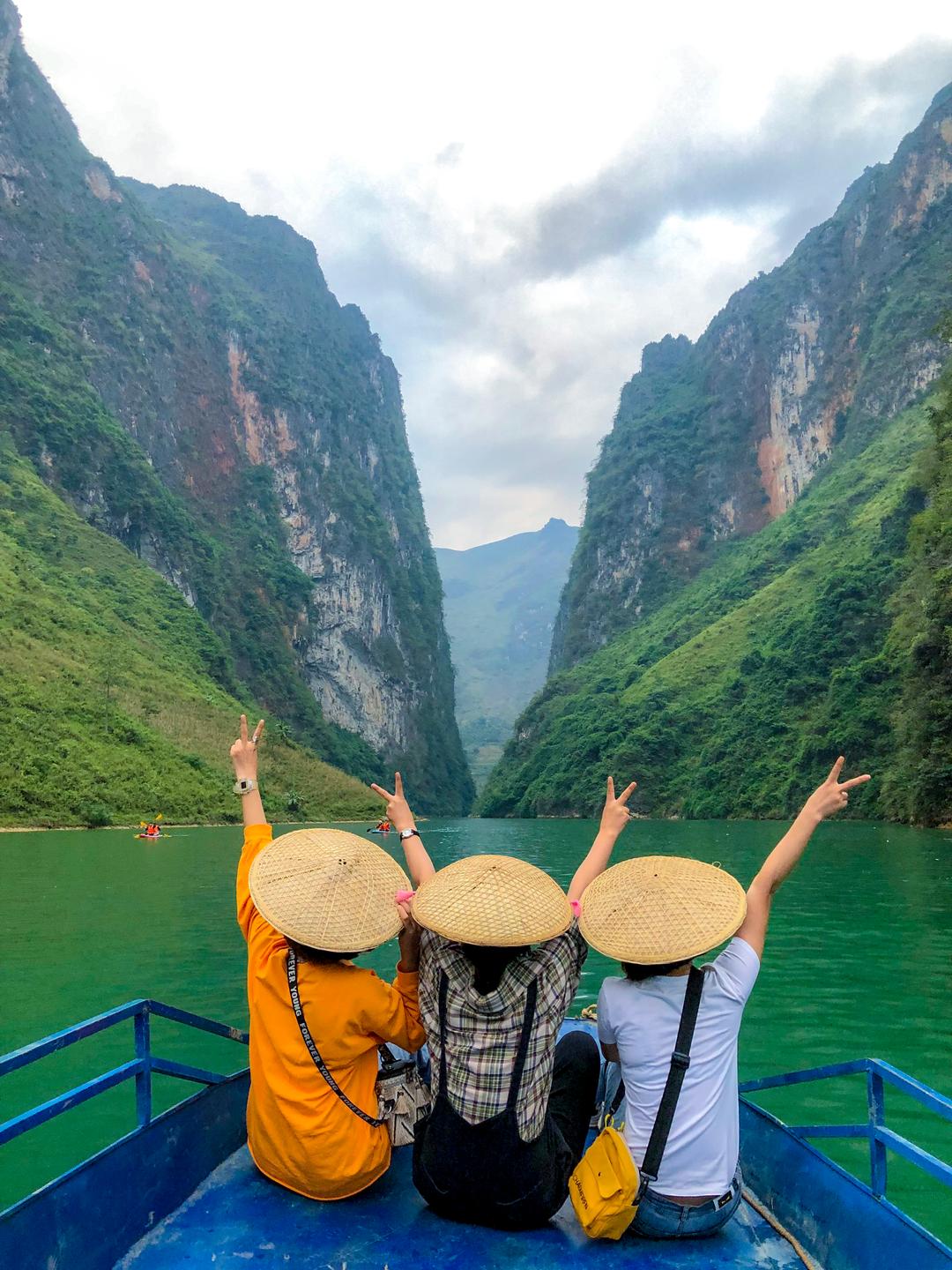
Aboard a traditional long-tail boat, the journey unfolds gently along the water. Limestone cliffs rise on both sides, covered with lush vegetation, while rice fields appear here and there, revealing human life within this wild landscape.
The journey also offers glimpses of authentic daily life: fishermen casting their nets, children swimming along the riverbanks, and small piers connecting local villages. Some stops allow travelers to reach places accessible only by boat, such as Muang Ngoi or even more secluded hamlets.
Depending on the time of day, the experience changes completely. In the morning, a light mist floats above the water, creating an almost dreamlike atmosphere. At the end of the day, golden sunlight highlights the mountains and softens the landscape.
This cruise is not simply a means of transportation, but a true immersion into the region. It offers a different perspective on the land, where every detail gains meaning in a peaceful and deeply soothing atmosphere.
Discovering Muang Ngoi
Accessible only by boat from Nong Khiaw, Muang Ngoi is a preserved village nestled within a spectacular landscape of limestone mountains and rice fields.
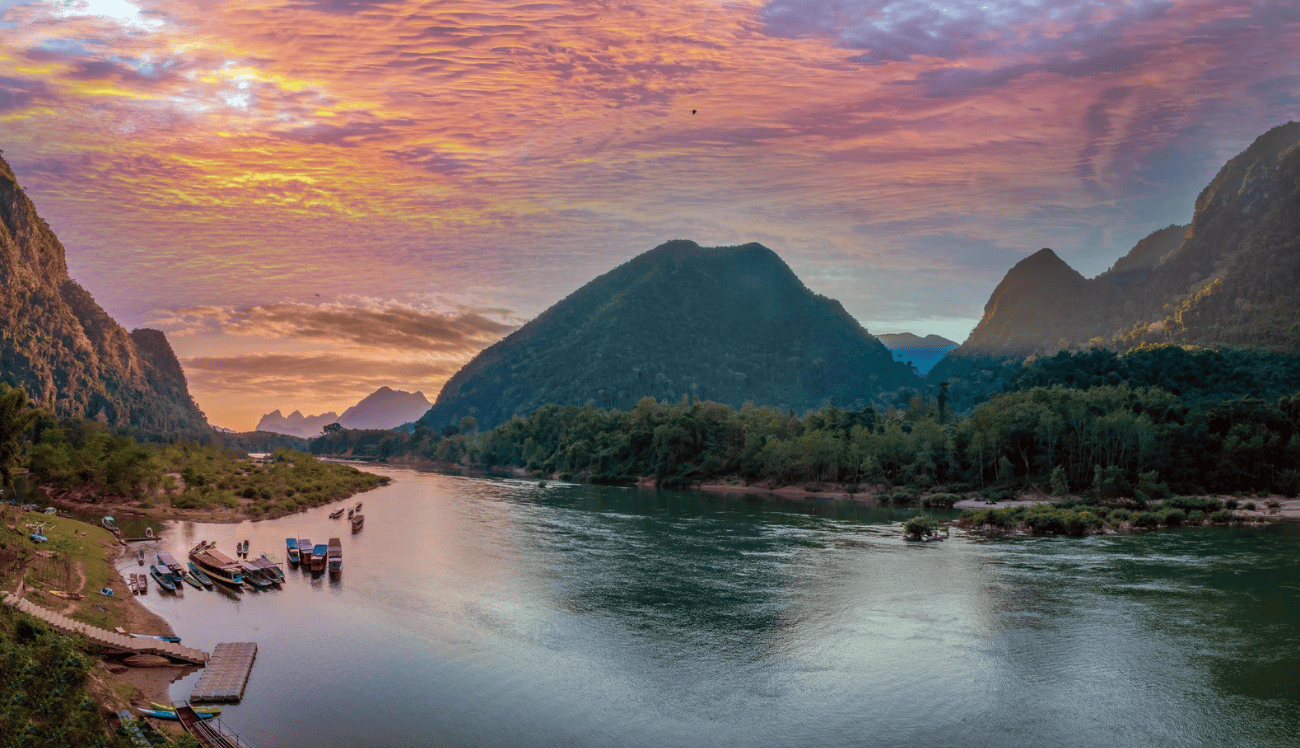
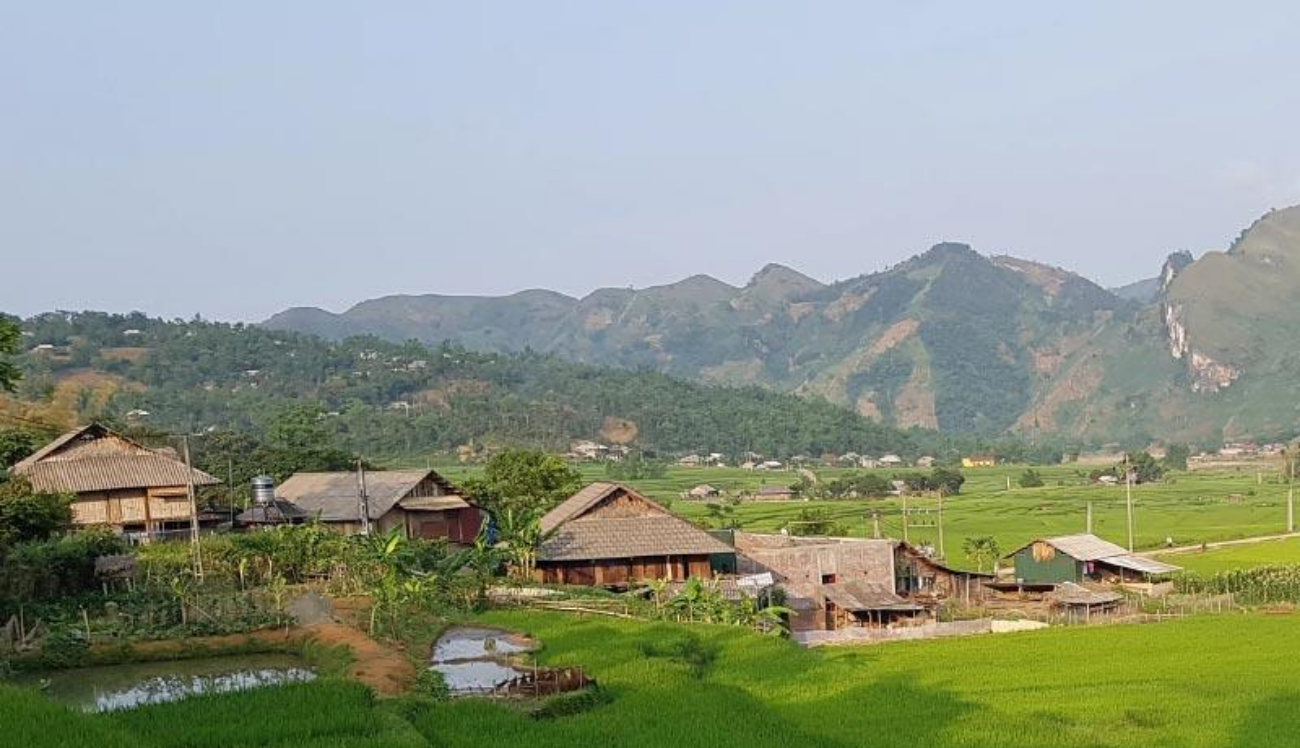
Exploring Muang Ngoi means entering a world without roads, where life revolves around the Nam Ou River and the natural cycles of the land. Here, people travel on foot or by boat, and daily life follows a simple rhythm shaped by agricultural activities and local encounters.
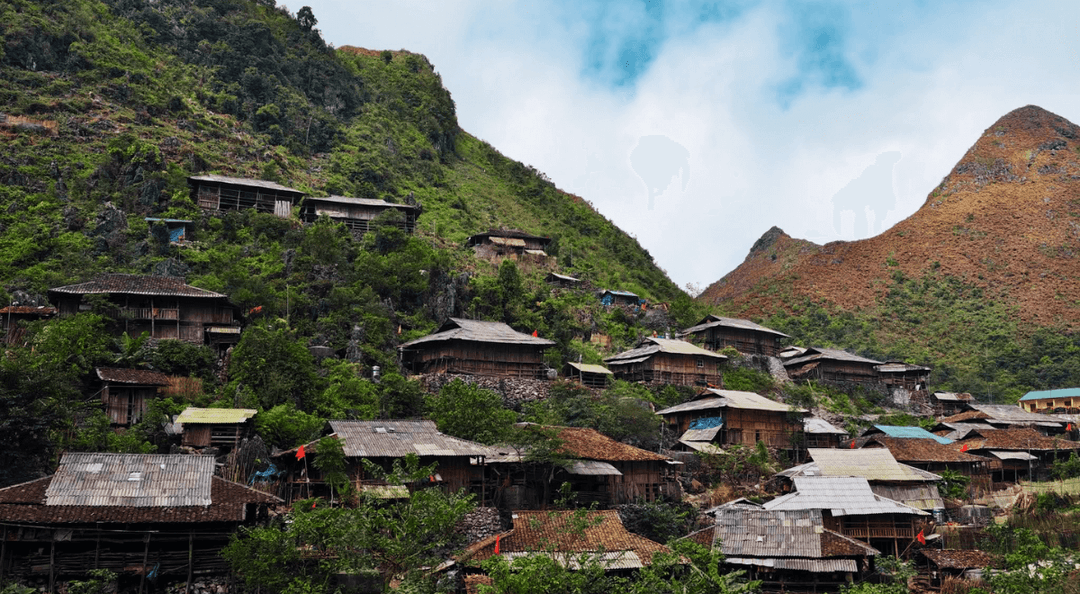
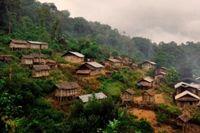
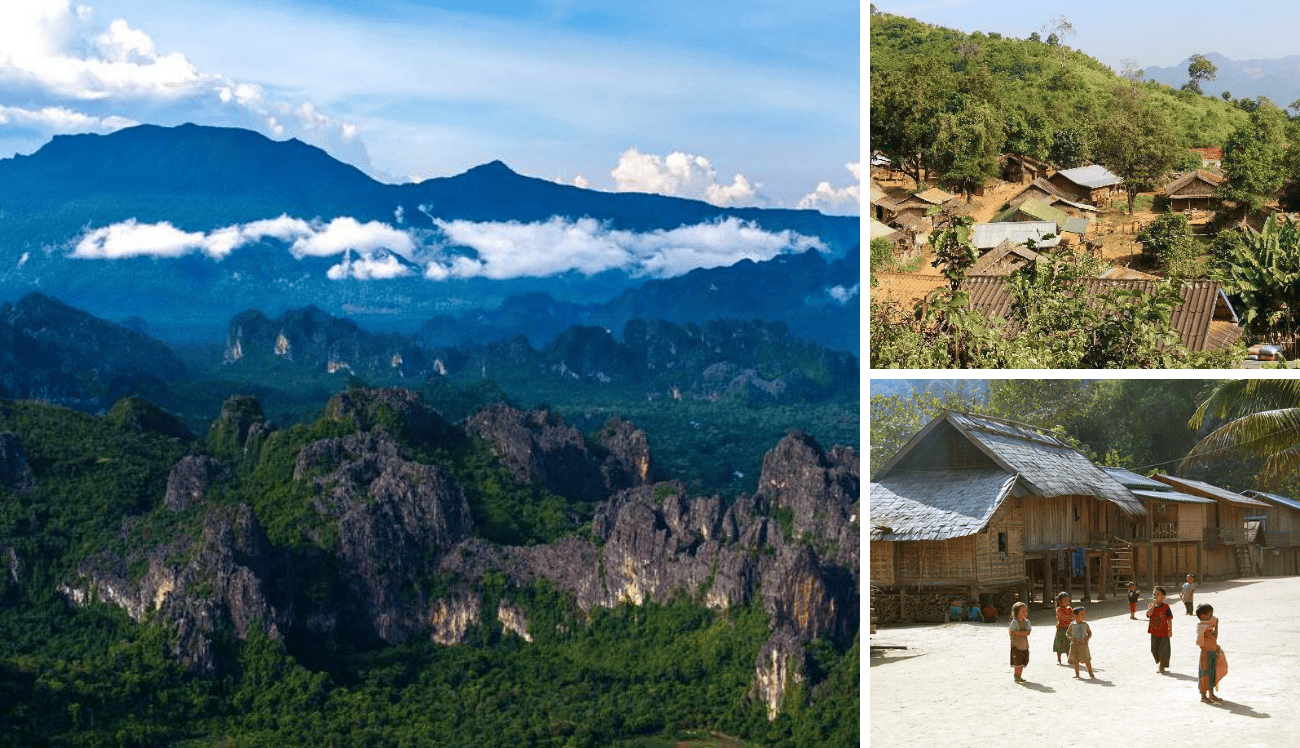
The village charms visitors with its authenticity: wooden houses on stilts, small paths connecting the homes, children playing freely, and everyday scenes that remain untouched. By venturing a little further, travelers can discover caves, viewpoints, or neighboring villages that are even more remote.
Muang Ngoi is also a place for contemplation. The sunrise over the river, the soft evening light, or simply the surrounding silence create a deeply peaceful experience.
It is an ideal stop to disconnect, slow down, and discover an authentic Laos where the essentials regain their true importance.
Encounters with local ethnic communities
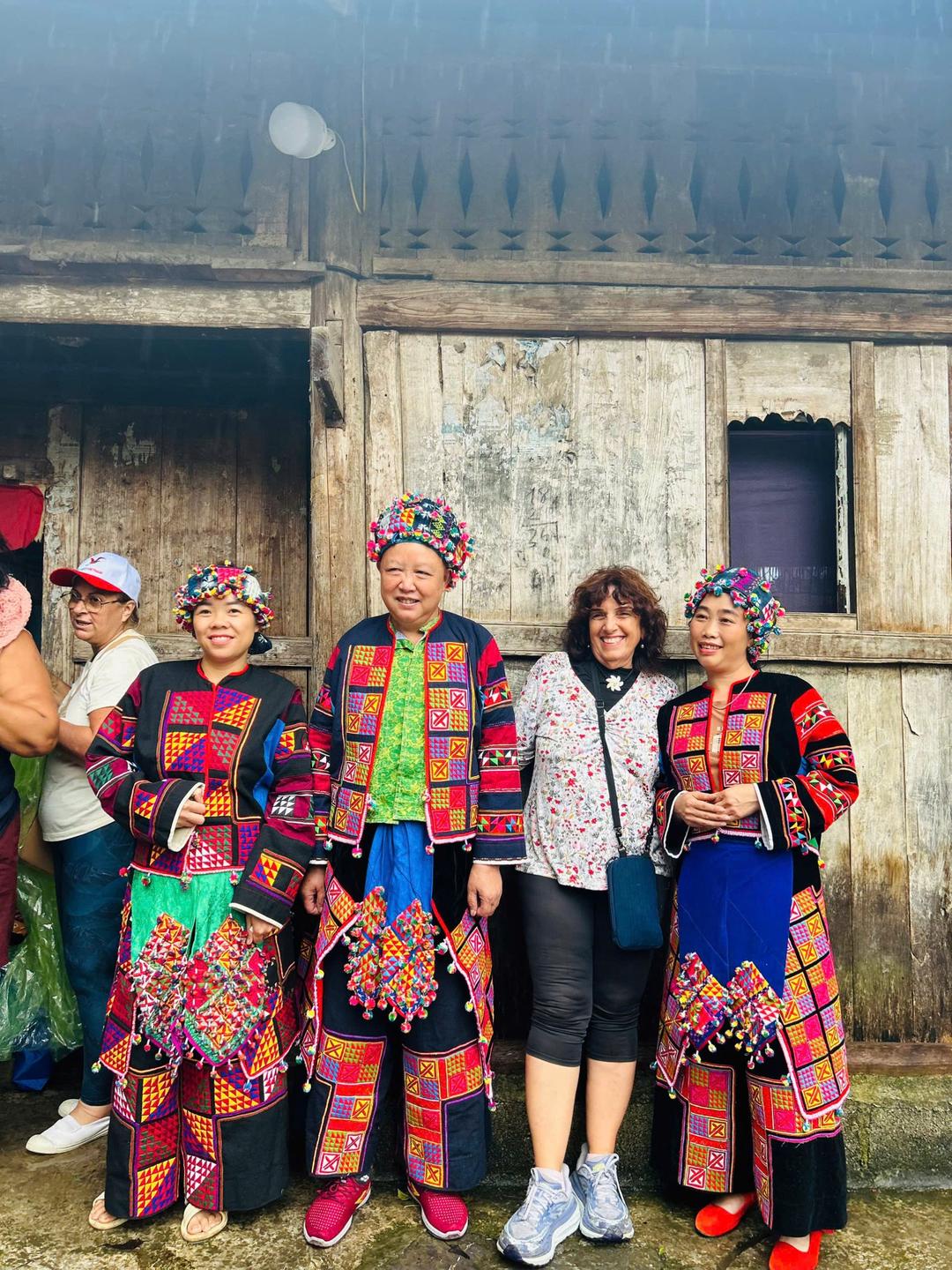
Around Nong Khiaw, some experiences reveal their true meaning through encounters with local communities, particularly in the villages of Ban Sop Chem and Ban Sopkong.
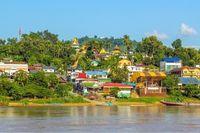
Accessible mainly by boat along the Nam Ou River, Ban Sop Chem is a village of the Thai Deang ethnic group, set in a remarkable natural environment. Here, life revolves around subsistence farming, fishing, and a close relationship with nature. Wooden houses, surrounding rice fields, and the discreet hospitality of the villagers create a sincere and preserved atmosphere.
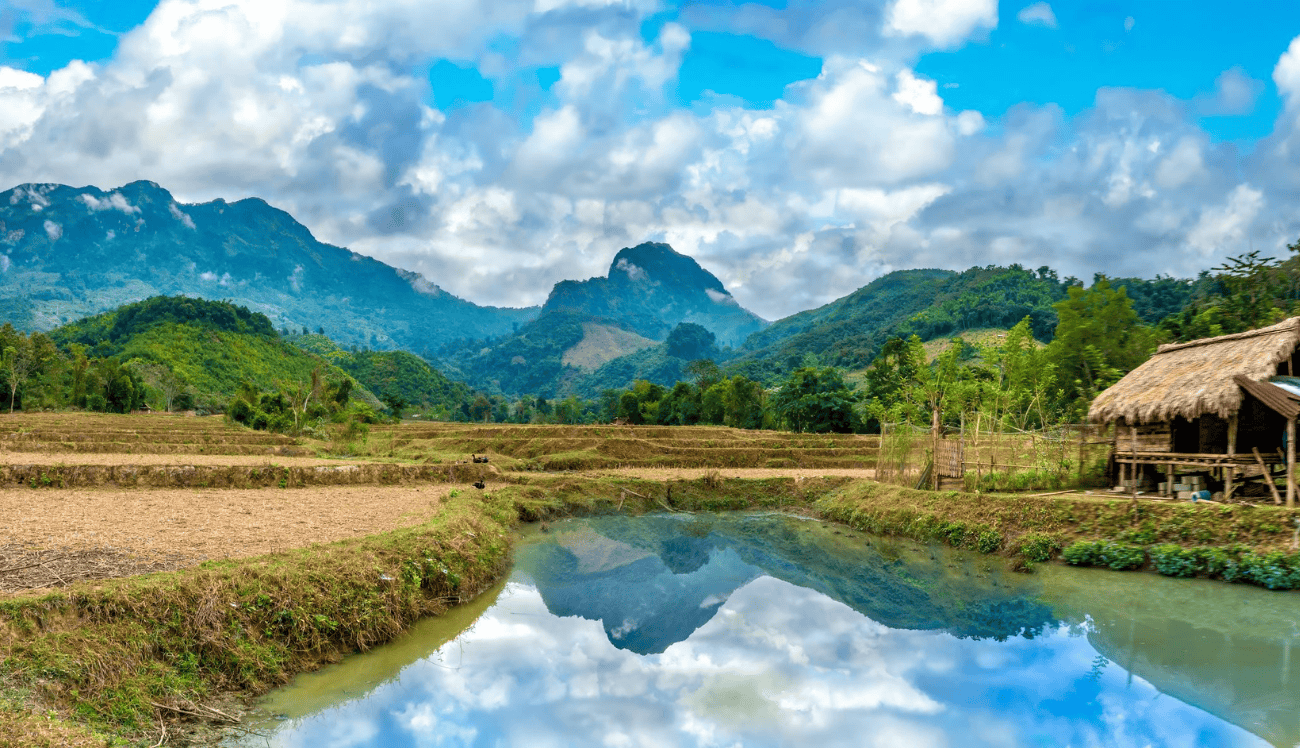
Further downstream, Ban Sopkong offers a different immersion within the Khmu community. This village, still little exposed to tourism, allows visitors to observe a simple way of life shaped by the seasons and daily activities.
Exploring these villages means going beyond a simple visit: it is about sharing a moment of life, understanding a culture, and approaching Laos in its most authentic form. As part of a responsible travel approach, these encounters take place with respect, discretion, and appropriate guidance.
Practical tips for preparing your stay in Nong Khiaw
To discover Nong Khiaw in the best possible conditions, a few practical aspects should be taken into consideration.
The ideal period to visit is from November to March, when the weather is more pleasant. Facilities remain simple, so it is recommended to carry cash and adjust expectations regarding internet access and digital comfort.
Transportation can sometimes be challenging, especially when reaching villages or organizing boat excursions. This is why working with a specialized agency like Villages Vietnam helps simplify the organization, benefit from French-speaking assistance, and access authentic experiences that can be difficult to arrange independently.
Discovering Nong Khiaw means choosing a slow journey, surrounded by preserved nature and a living culture.
Between mountains, rivers, and villages, Nong Khiaw offers a rare immersion into northern Laos. With the right support, this destination becomes a deeply human experience, where every moment reveals its true meaning.
Let Villages Vietnam guide you beyond the horizon
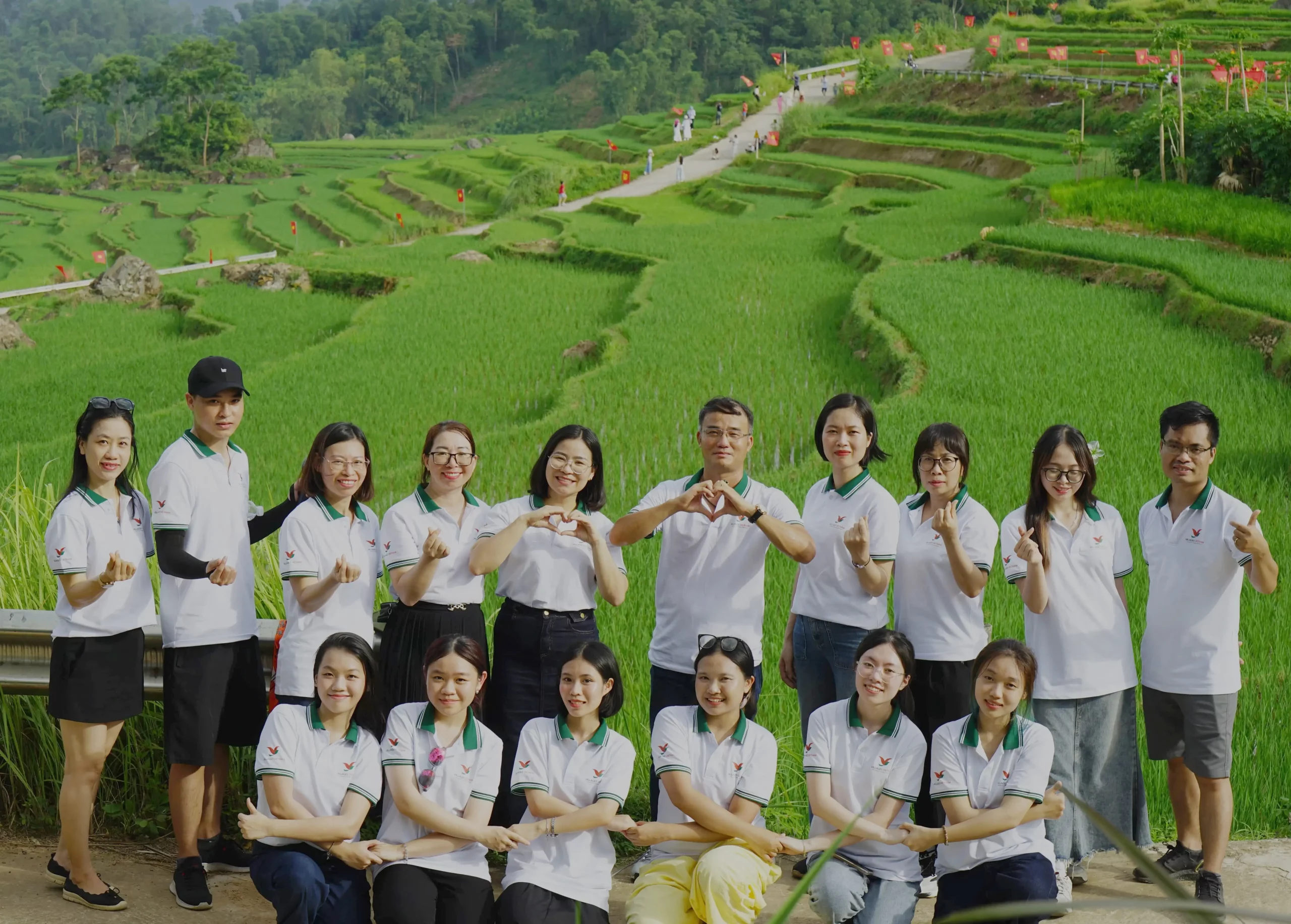
Let Villages Vietnam guide you toward new horizons. Gentle, meaningful, and deeply immersive experiences. Simple yet unforgettable encounters.
We invite you to live rare moments:
- Lose yourself in the picturesque landscapes of Vietnam
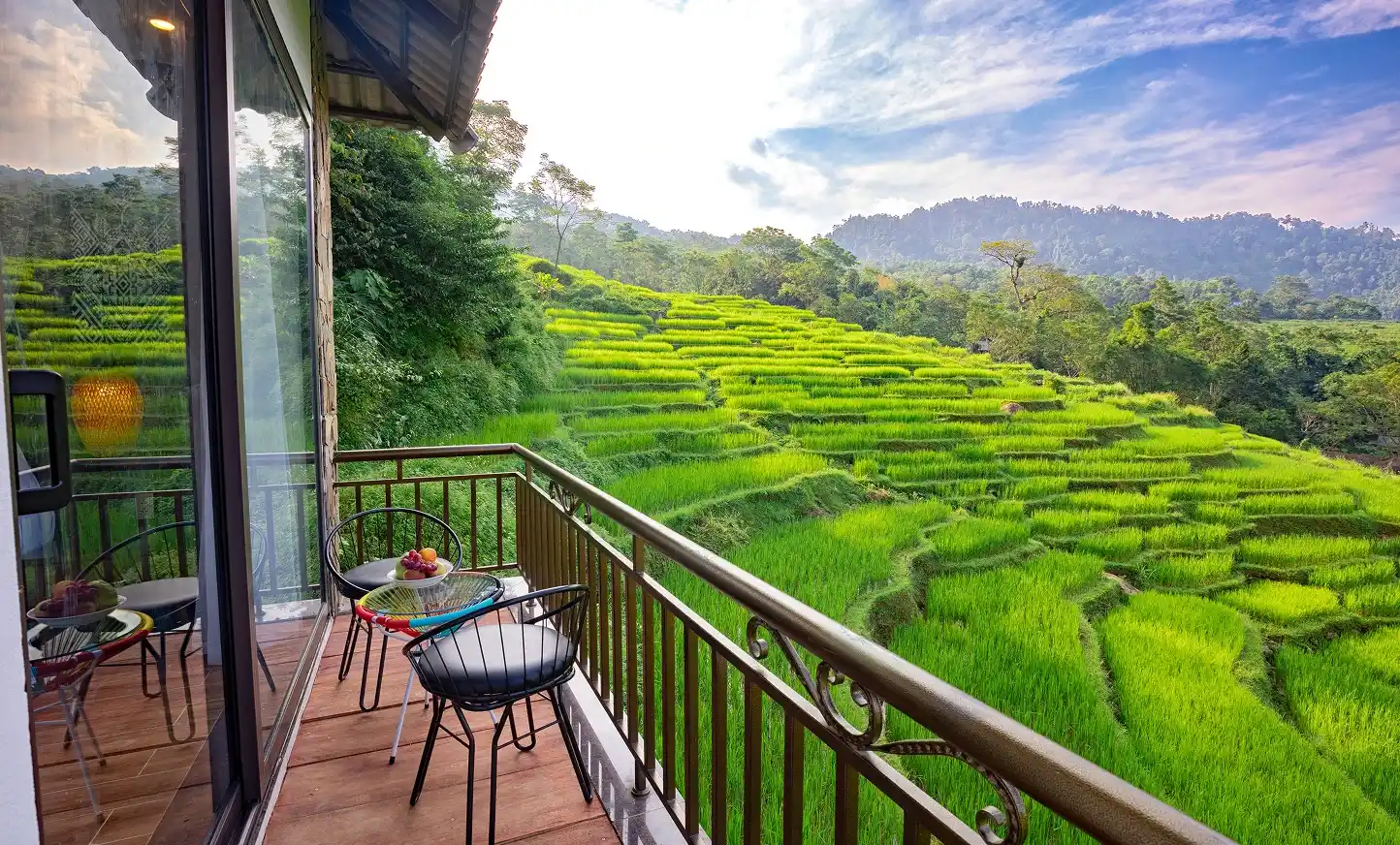
- Follow the peaceful rhythm of the rice fields in Laos
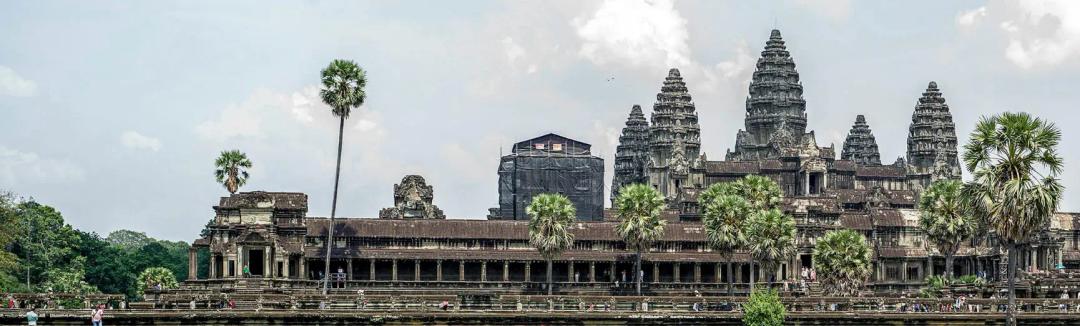
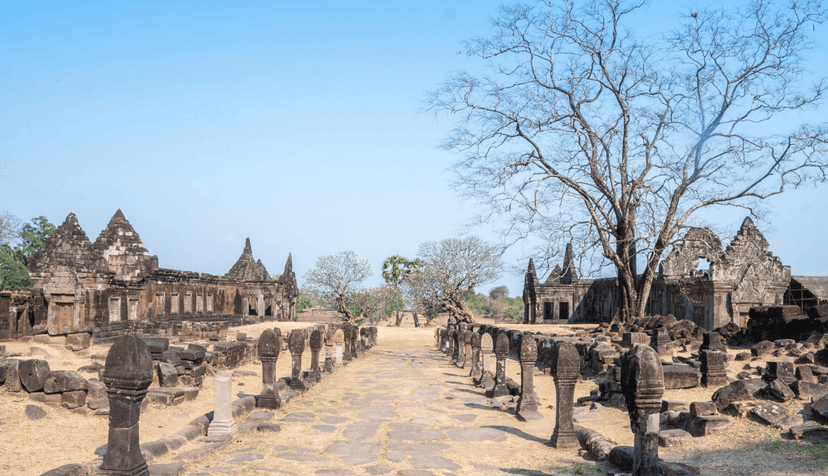
- Walk in silence toward the ancient temples of Cambodia, hidden deep within lush forests
Villages Vietnam proudly creates authentic cultural journeys, crafted with care and heart. Our tours highlight the soul of Indochina — its traditions, gentleness, and the warmth of its people.
If you dream of a unique journey, designed just for you, a journey that leaves a mark on the heart, our team will be there, attentive and available.
We promise you the most beautiful discoveries: stories to share, emotions to feel, and our deep knowledge of the lands you will explore.
- Contact: Ms. Jade VU
- WhatsApp: +84 0986 527 836
- Email: info@villagesvietnam.com
- Office in Vietnam: 7th floor, 30 Tran Phu Boulevard, Ha Dong District, Hanoi, Vietnam
- Office in France: 726 Chemin de la Croix du Sud, 83200 Toulon, France
- Office in Thailand: Klang Muang Village, Soi Srinakarindra 24, Srinakarindra Road, Suan Luang District, Bangkok 10250, Thailand
Published by:
Villages Vietnam
Publication date:
23/07/2026
Beautiful journeys
Travel guide

Frequently Asked Questions
In general, the best time to visit Vietnam is from November to April. But you can travel all year round. The weather changes a lot from region to region, so when it rains or gets cold in one place, it can be sunny somewhere else.
Internet access is easy and affordable. Most hotels, cafés, and restaurants offer free Wi-Fi. If you want to stay connected all the time on your phone, you can buy a local SIM card. It gives you a stable connection during your trip for a very good price.