




















 Iconic place
Explore the 4 000 islands – a natural wonder of the Mekong
Exploring the 4000 islands means entering a land where the Mekong shapes both the landscapes and the lives of its inhabitants. Here, travel naturally slows down. Time stretches between islands, villages and the gentle currents of the river.
For French travellers seeking culture and nature, exploring the 4000 islands offers a rare experience: an immersion into an authentic Laos, far from classic tourist routes, where every moment invites you to observe, understand and feel.
The 4000 islands: a world shaped by the Mekong
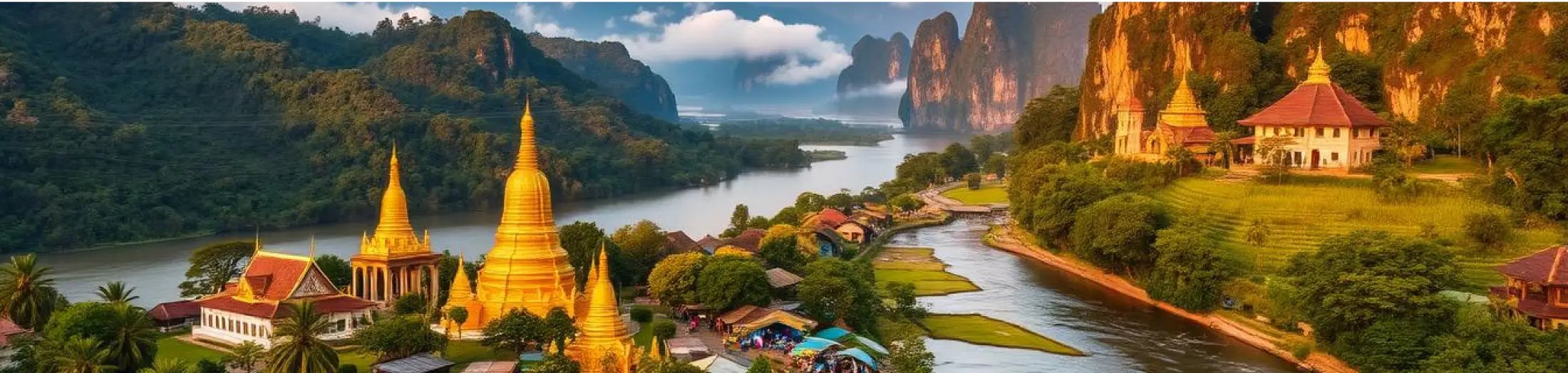
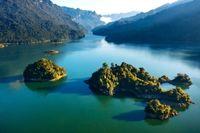
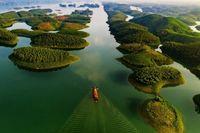
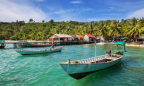
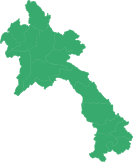
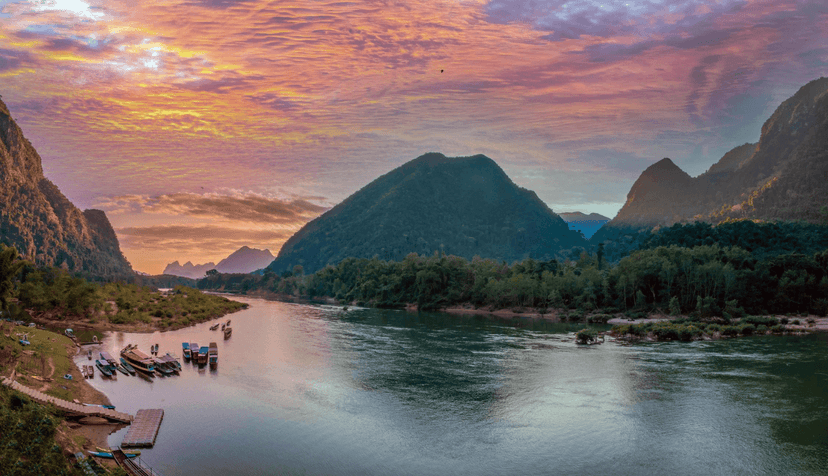
Located in southern Laos, the 4000 islands form a unique river archipelago in Southeast Asia. During the dry season, the Mekong partially withdraws, revealing hundreds, even thousands of small islets. This natural phenomenon creates a fragmented landscape of waterways, sandbanks and fertile lands.
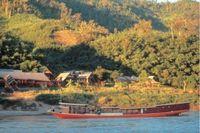
Exploring the 4000 islands means understanding the close relationship between people and the river. Here, the Mekong is not just a landscape: it is a vital resource. It provides food, transportation and shapes daily activities. Fishermen leave at dawn, children play along the banks, and boats connect the islands.
The main inhabited islands, such as Don Khone and Don Det, offer an ideal base for exploring the 4000 islands. They combine accessibility and authenticity while preserving a peaceful atmosphere. The influence of French colonial history can still be seen through certain buildings and railway remains.
Exploring the 4000 islands is therefore a journey combining nature, culture and history, in a deeply soothing environment.
Why explore the 4000 islands?
What makes exploring the 4000 islands so special is the perfect balance between simplicity and richness.
- Powerful nature: waterfalls, rivers and tropical vegetation
- Authentic local life: villages, fishing and agriculture
- A slow atmosphere: ideal for slow travel
- Low tourist density: perfect for a true immersion
Here, luxury is not found in infrastructures, but in the time you allow yourself to enjoy. Exploring the 4000 islands means slowing down and opening yourself to a more meaningful experience.
The must-see places to explore the 4000 islands
Before discovering each site in detail, it is important to understand that exploring the 4000 islands is a complete experience. The different places are not isolated: they belong to an ecosystem where water, land and people coexist.
Each visit becomes more meaningful when understood within this wider context.
Don Khone island – the living memory of Laos
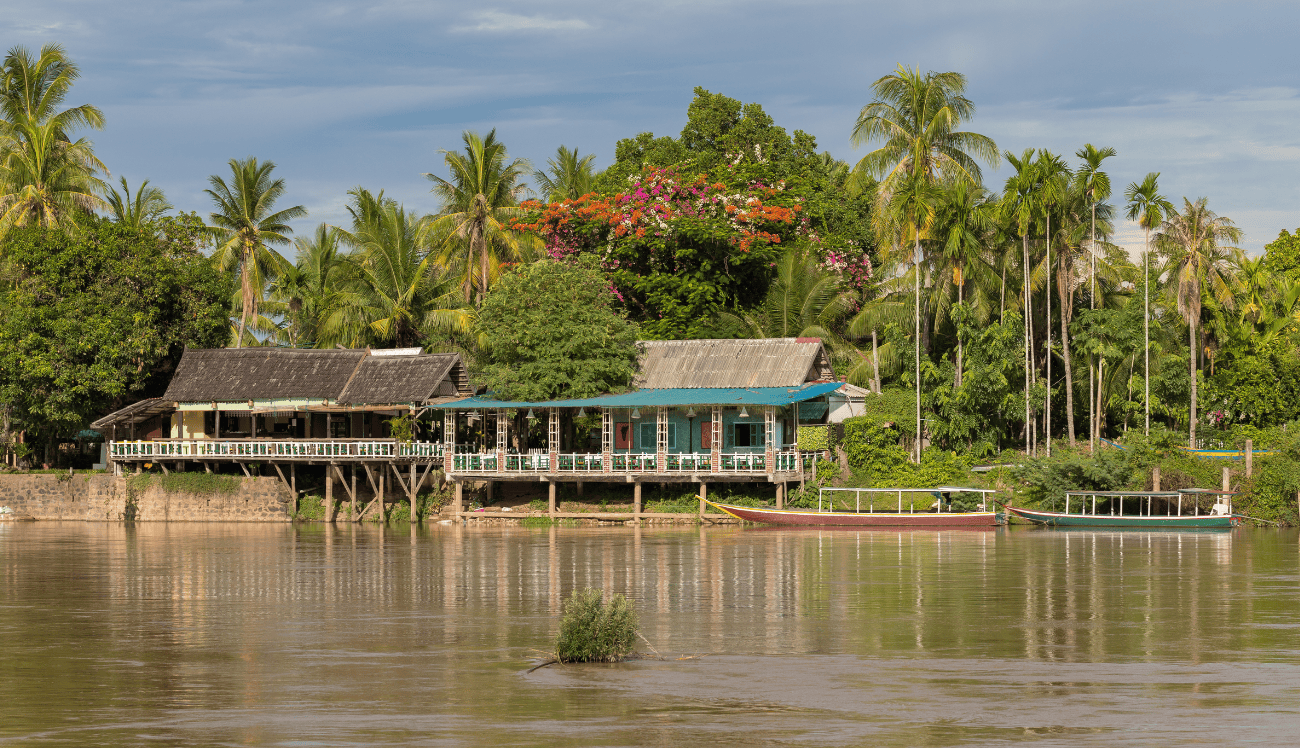
Don Khone is often considered one of the most beautiful islands to explore the 4000 islands.
What makes it unique is its peaceful atmosphere combined with its historical heritage. Visitors can still discover traces of the French colonial presence, including an old railway line built to bypass the rapids of the Mekong.
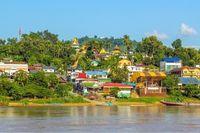
The village of Ban Khone, with its wooden houses and views over the river, invites visitors to wander peacefully. By bicycle, you can discover a succession of rural scenes: children playing, buffaloes in the fields and fishermen repairing their nets.
Exploring the 4000 islands on Don Khone means stepping into the living memory of Laos.
Liphi waterfall – the power of the river
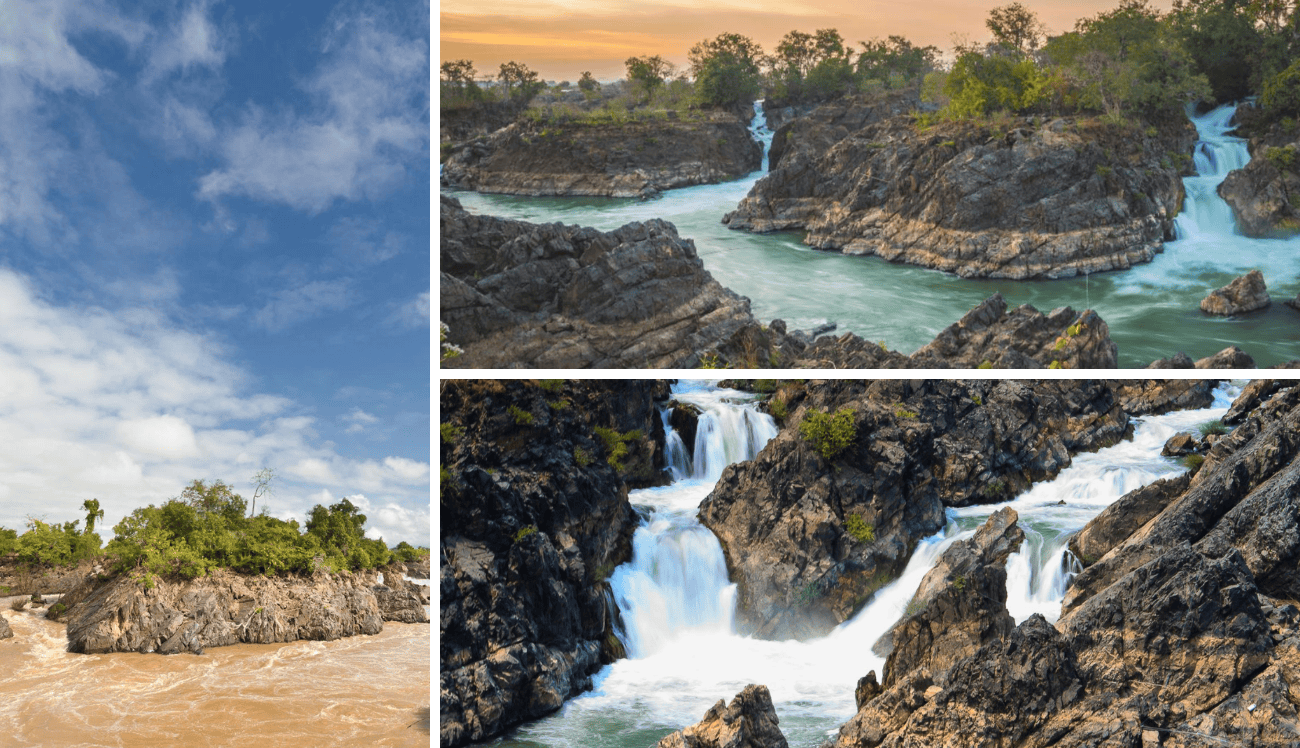
Liphi waterfall, also known as Somphamit, is one of the most impressive sites to explore the 4000 islands.
Here, the Mekong narrows and accelerates, creating powerful rapids between the rocks. The constant and deep sound of the water reinforces the feeling of nature’s raw strength.
For local communities, this place also holds a spiritual dimension. It represents a passage, an invisible boundary between different worlds.
Exploring the 4000 islands at Liphi means feeling the power of the Mekong in all its intensity.
Samphamith falls – a more intimate beauty
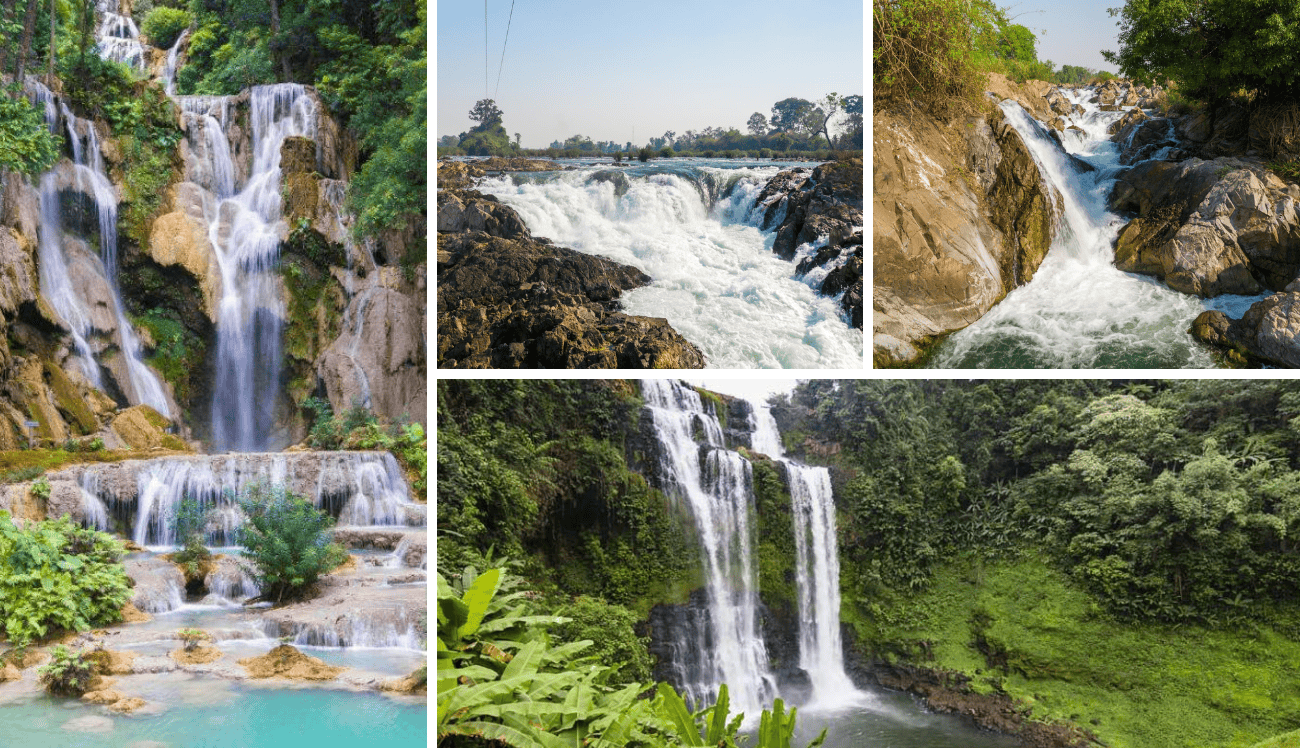
Less famous than other waterfalls, Samphamith falls offer a more intimate way to explore the 4000 islands.
The site is surrounded by dense vegetation, creating an almost secret atmosphere. The water flow changes according to the seasons, but the place always keeps its strong natural charm.
It is a peaceful space, perfect for contemplation, far from any disturbance. Exploring the 4000 islands here means choosing tranquillity and observation.
Khone Phapheng – the monumental force of the Mekong
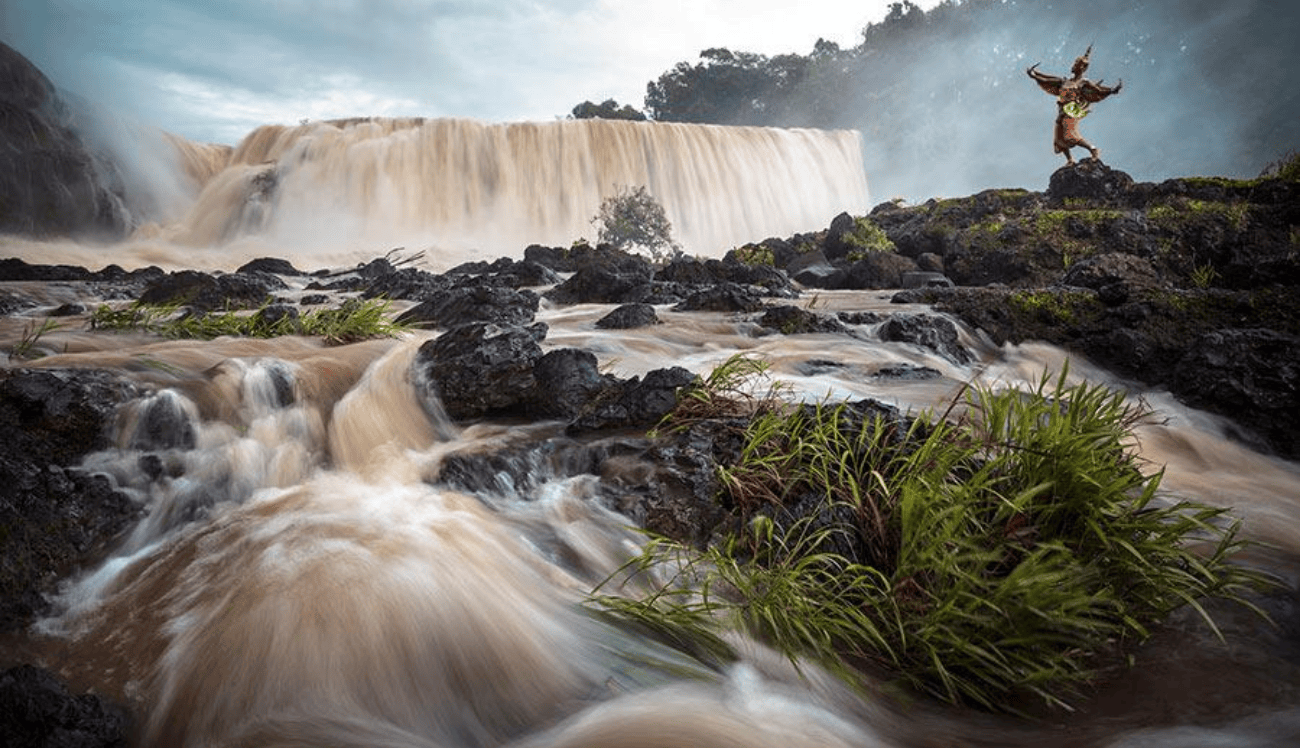
Khone Phapheng is often considered the largest waterfall in Southeast Asia by water volume.
Unlike high waterfalls, Khone Phapheng impresses with its width and power. The Mekong spreads across several levels, creating a continuous and spectacular display.
Exploring the 4000 islands without discovering this site would leave the journey incomplete. It represents the spectacular side of southern Laos.
Ban Nakasang – gateway and local life
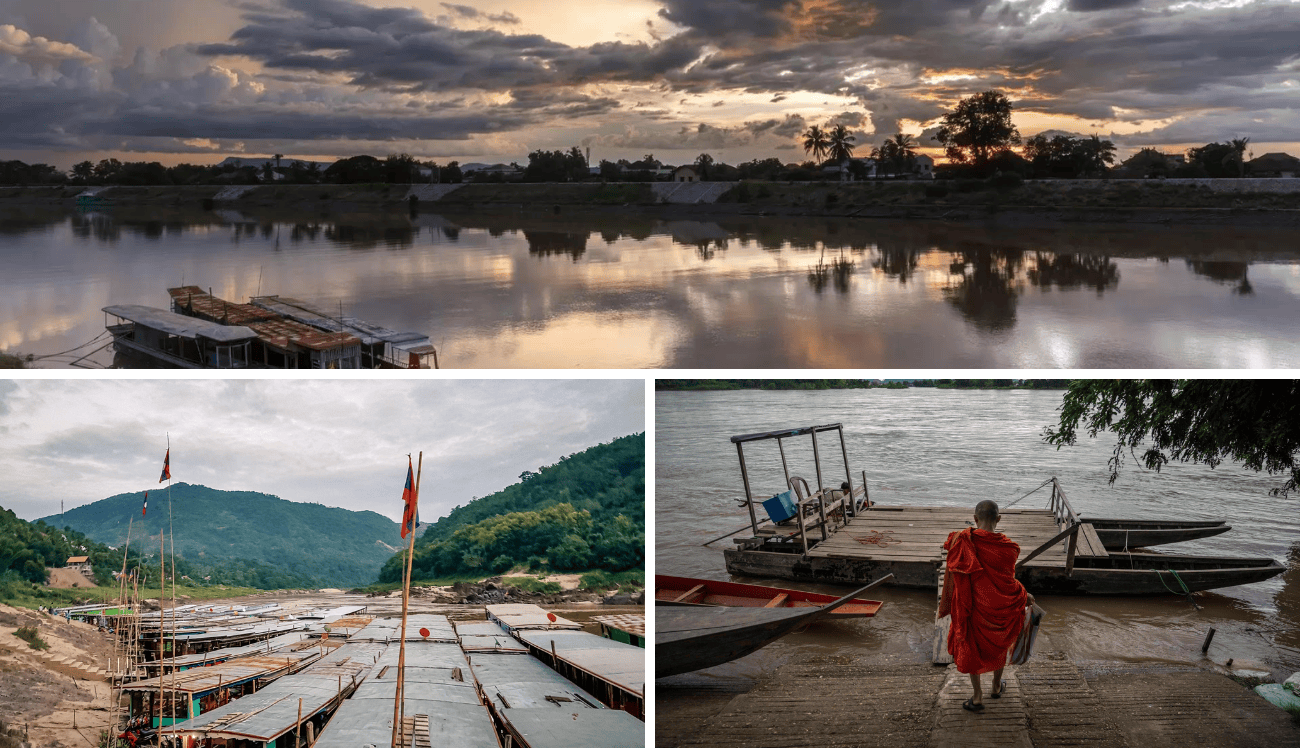
Ban Nakasang is much more than just a place of passage.
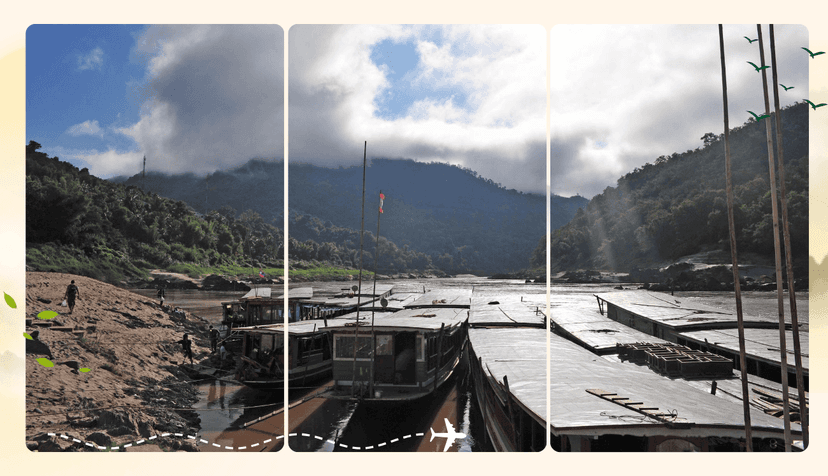
This is where the journey to explore the 4000 islands often begins. The port, lively from early morning, reflects local life: boats carrying goods, residents travelling between islands and small markets.
Observing Ban Nakasang means already entering the rhythm of the Mekong.
Phou Asa mountain – mystery and panorama
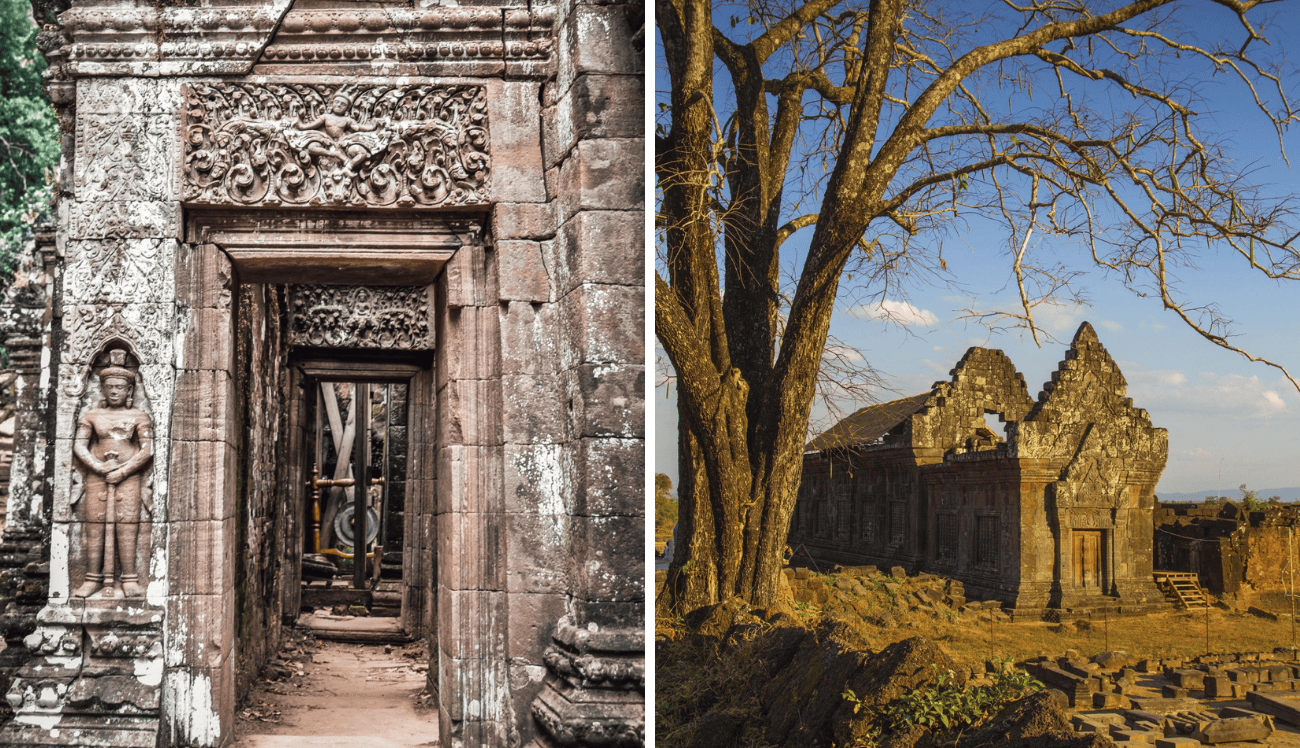
Phou Asa offers a different perspective for exploring the 4000 islands.
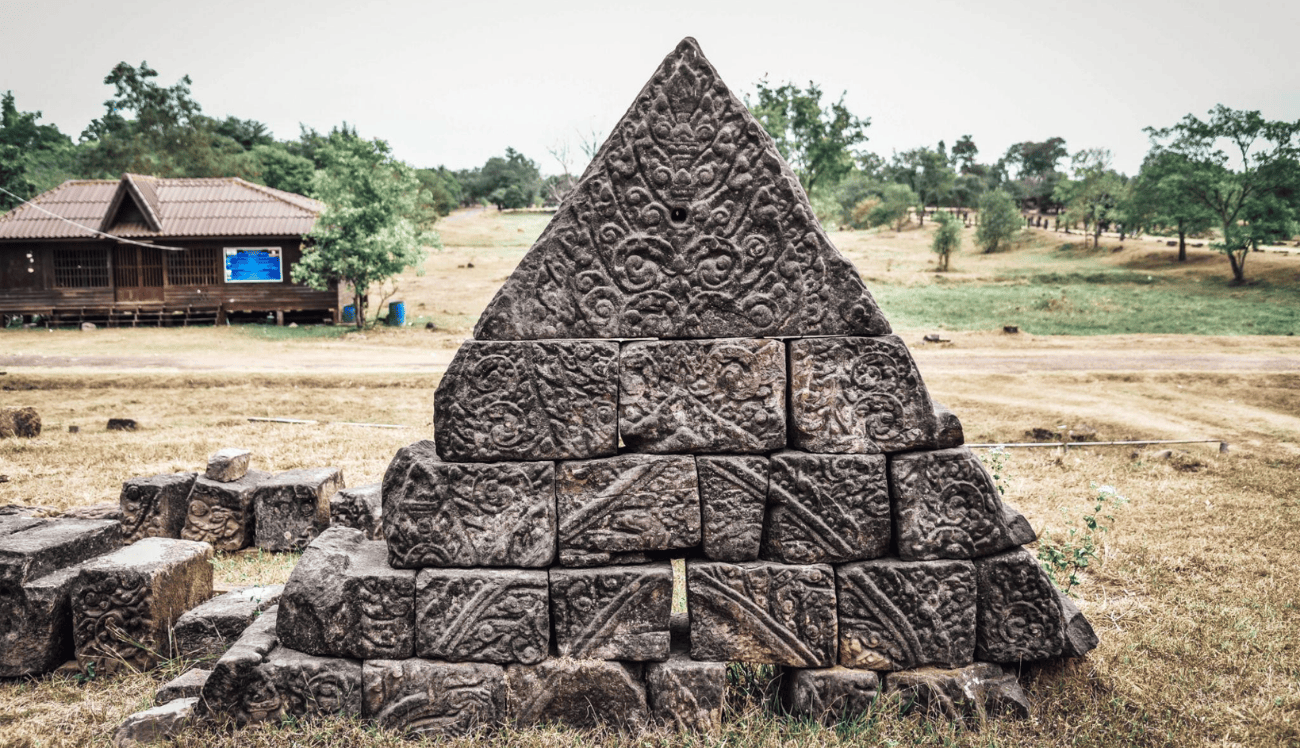
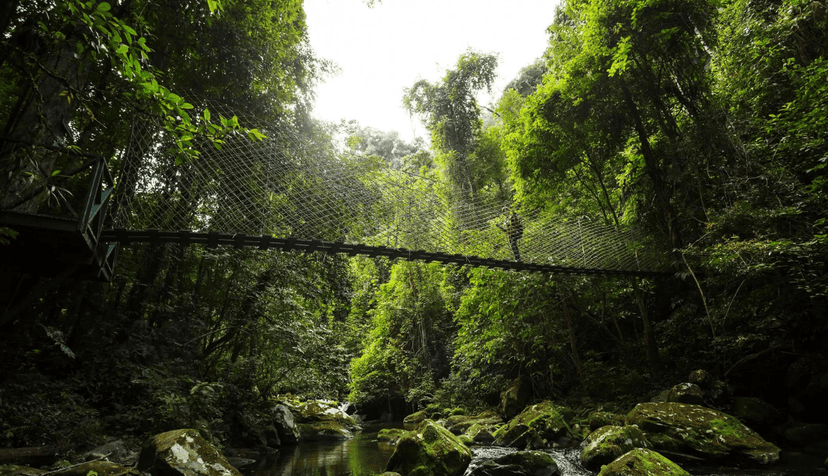
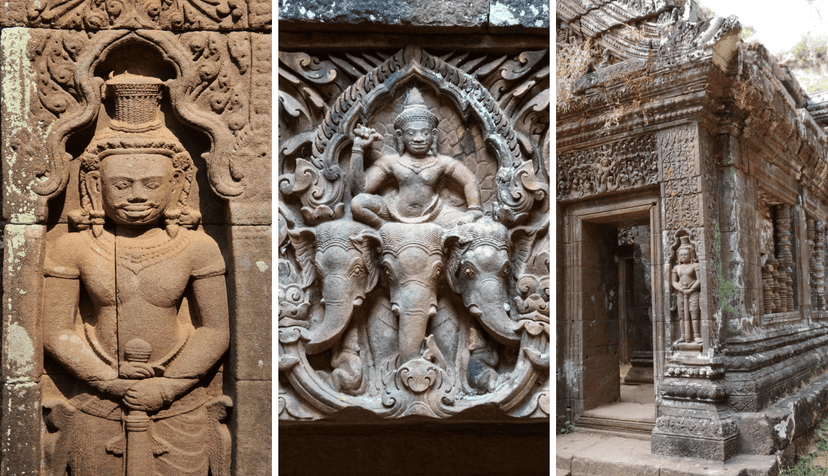
After a walk through the tropical forest, visitors discover a site made up of stone structures whose origins remain partly mysterious.
From the summit, the view over the surrounding region is remarkable. Exploring the 4000 islands from Phou Asa means gaining perspective, both literally and figuratively.
How to organise your trip to the 4000 islands?
Exploring the 4000 islands requires some organisation:
- From Pakse: by road, then by boat
- From Vietnam: flight + transfer
- From Cambodia: overland crossing
These journeys can be long and sometimes difficult to organise independently. For a smooth travel experience, choosing an agency like Villages Vietnam helps simplify every step, with French-speaking assistance and an itinerary adapted to your needs.
Practical advice for exploring the 4000 islands
The best period to visit is between November and March.
Wi-Fi access is limited, which encourages a true digital break. ATMs are rare, so it is recommended to carry enough cash.
A stay of 2 to 3 days is ideal to explore the 4000 islands without rushing.
Finally, travelling with a local partner allows you to discover lesser-known places, avoid logistical difficulties and enjoy a richer experience.
Exploring the 4000 islands means choosing a slow journey along the river. Here, every moment matters and every landscape brings a sense of peace.
In this unique archipelago, Laos reveals itself through simplicity and depth. With the right support, exploring the 4000 islands becomes an essential, memorable and deeply human experience.
Let Villages Vietnam guide you beyond the horizon
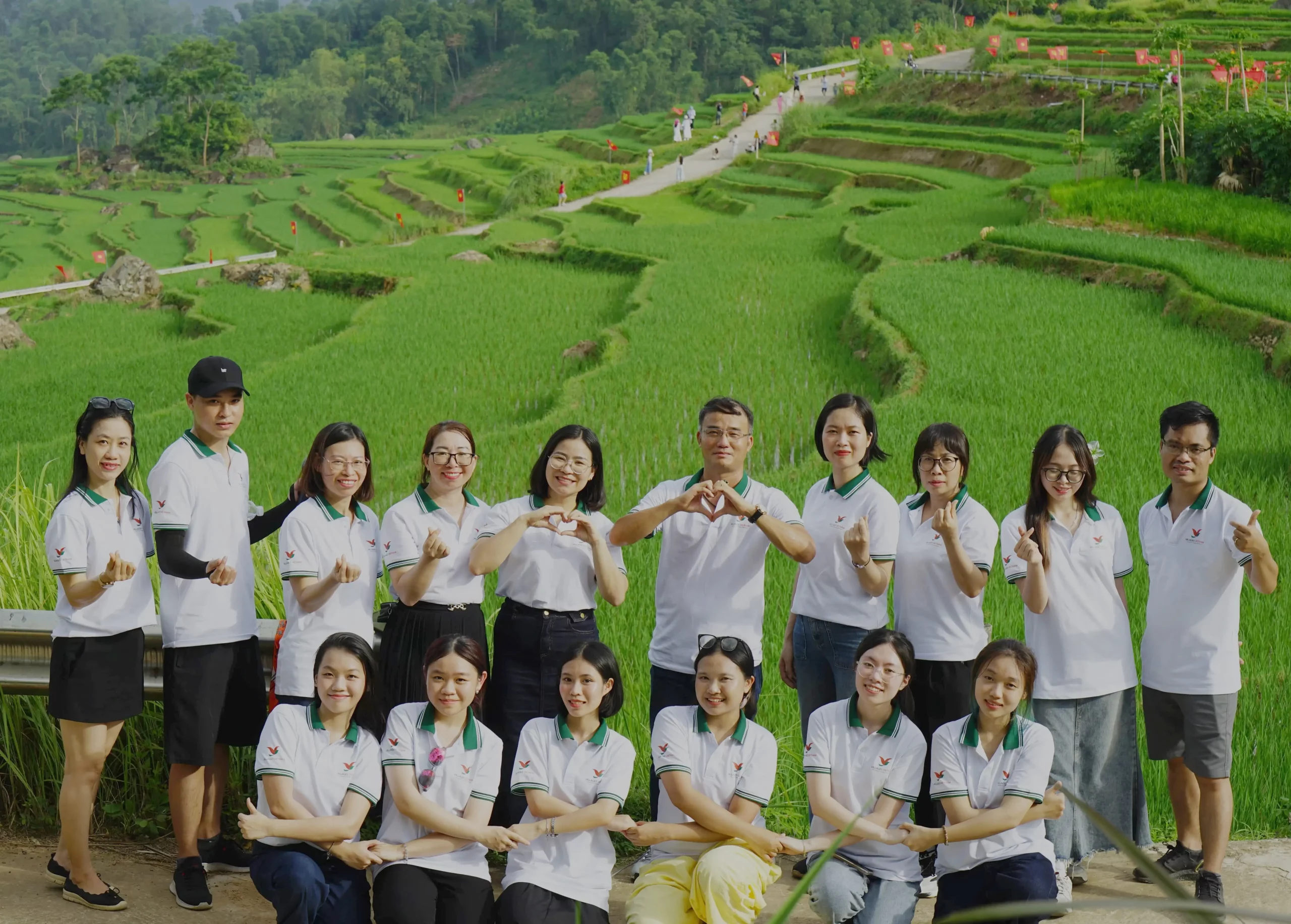
Let Villages Vietnam guide you toward new horizons. Gentle, meaningful, and deeply immersive experiences. Simple yet unforgettable encounters.
We invite you to live rare moments:
- Lose yourself in the picturesque landscapes of Vietnam
- Follow the peaceful rhythm of the rice fields in Laos
- Walk in silence toward the ancient temples of Cambodia, hidden deep within lush forests
Villages Vietnam proudly creates authentic cultural journeys, crafted with care and heart. Our tours highlight the soul of Indochina — its traditions, gentleness, and the warmth of its people.
If you dream of a unique journey, designed just for you, a journey that leaves a mark on the heart, our team will be there, attentive and available.
We promise you the most beautiful discoveries: stories to share, emotions to feel, and our deep knowledge of the lands you will explore.
- Contact: Ms. Jade VU
- WhatsApp: +84 0986 527 836
- Email: info@villagesvietnam.com
- Office in Vietnam: 7th floor, 30 Tran Phu Boulevard, Ha Dong District, Hanoi, Vietnam
- Office in France: 726 Chemin de la Croix du Sud, 83200 Toulon, France
- Office in Thailand: Klang Muang Village, Soi Srinakarindra 24, Srinakarindra Road, Suan Luang District, Bangkok 10250, Thailand
Published by:
Villages Vietnam
Publication date:
23/07/2026
Beautiful journeys
Travel guide

Frequently Asked Questions
In general, the best time to visit Vietnam is from November to April. But you can travel all year round. The weather changes a lot from region to region, so when it rains or gets cold in one place, it can be sunny somewhere else.
Internet access is easy and affordable. Most hotels, cafés, and restaurants offer free Wi-Fi. If you want to stay connected all the time on your phone, you can buy a local SIM card. It gives you a stable connection during your trip for a very good price.