




































 Iconic place
Lung Tam Village: The Living Thread of the Hmong People in Ha Giang
Lung Tam Village is one of those quiet corners of Northern Vietnam where travel takes on a deeper meaning. Here, in the heart of the Ha Giang mountains, time seems to follow the rhythm of weaving looms, skills passed down from mother to daughter, and flax fibres drying beneath the sun.
For travellers seeking an authentic Vietnam, far from rushed and impersonal visits, Lung Tam Village in Ha Giang offers a rare experience. It reveals not only a carefully preserved craft, but also a human story shaped by resilience, dignity and simple beauty.
Where is Lung Tam Village?
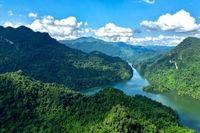
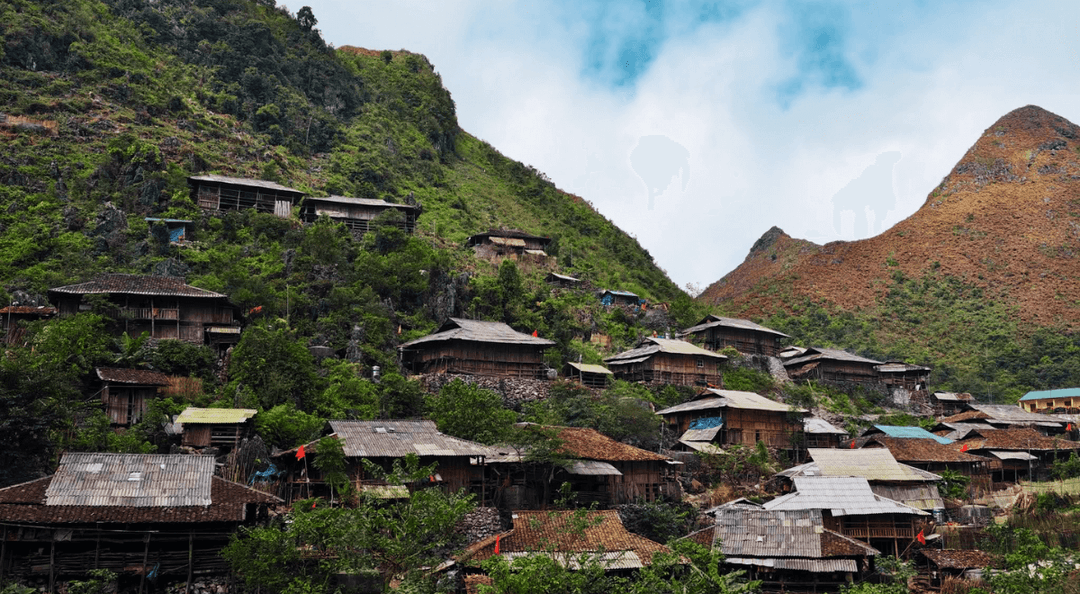
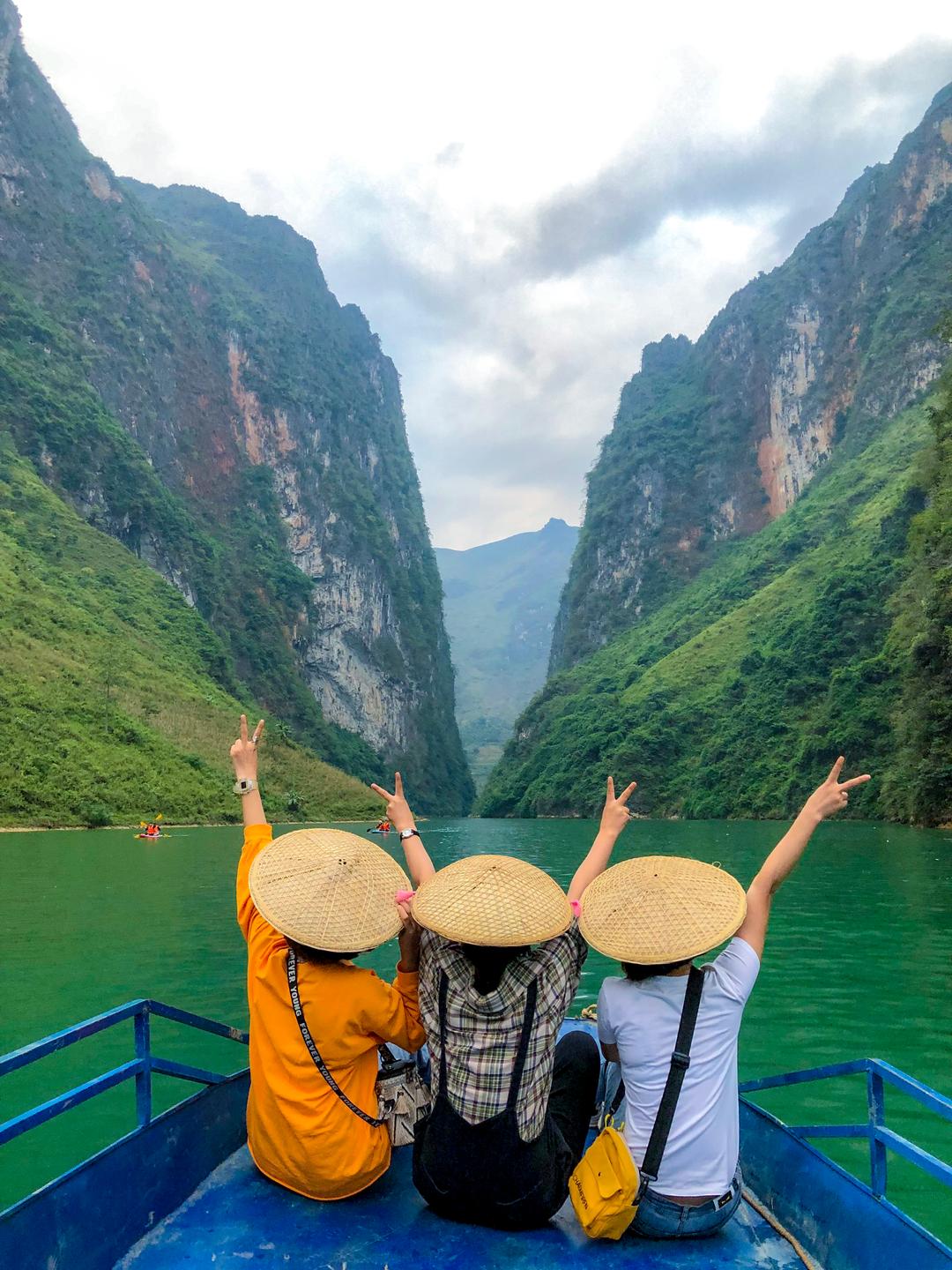
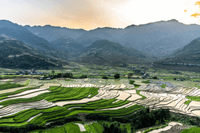
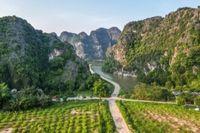
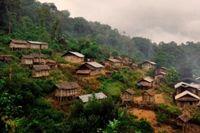
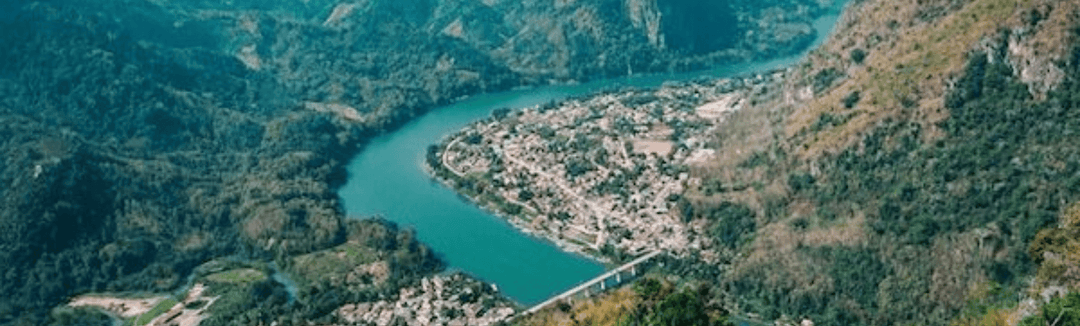
The weaving village of Lung Tam is located in Ha Giang Province, not far from Quan Ba Pass and the famous Heaven’s Gate. Nestled in a small valley, surrounded by limestone mountains and crossed by the Mien River, the village seems almost hidden within the landscape.
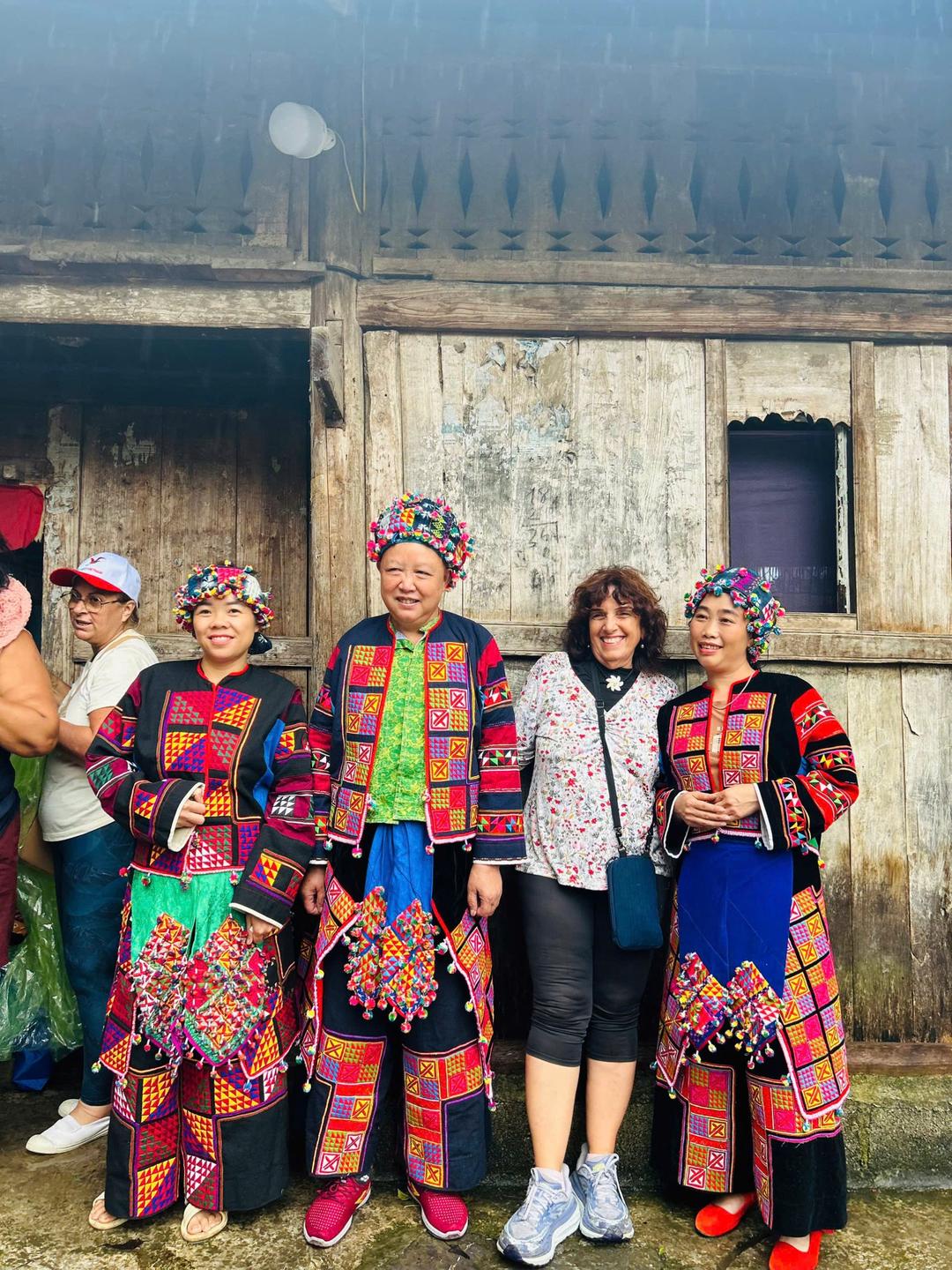
Lung Tam belongs to that authentic part of Northern Vietnam where roads wind between cliffs, rice fields, traditional homes and ethnic minority villages. The village is home mainly to Hmong families, who have been connected to flax cultivation and traditional textile making for generations.
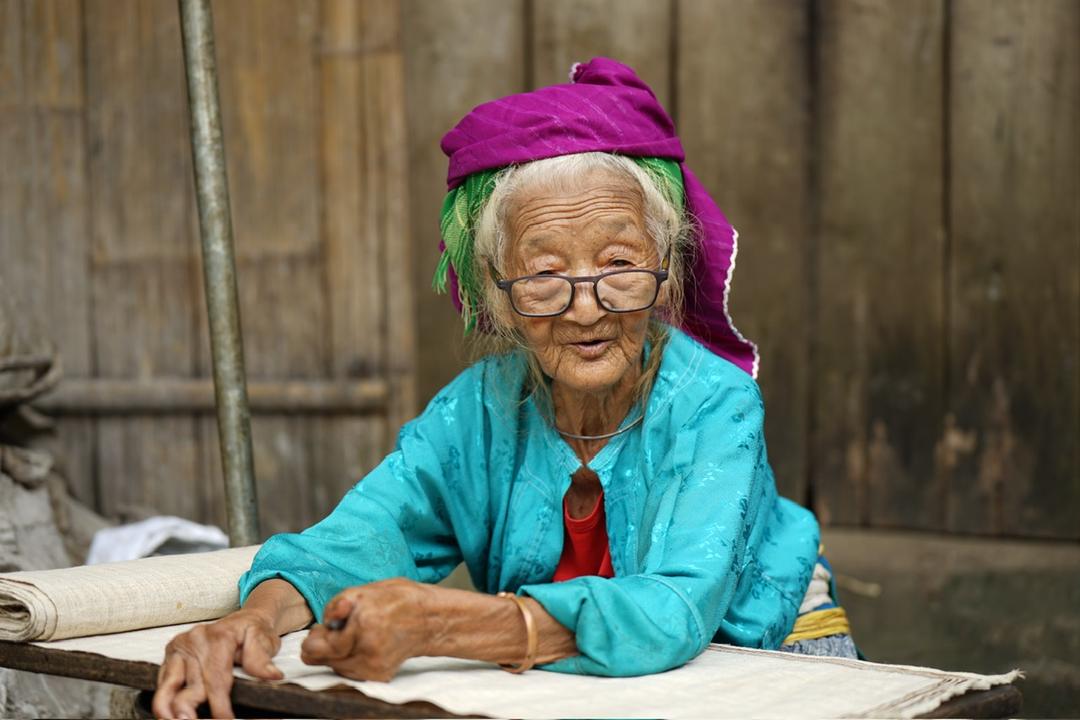
Today, Lung Tam is known for its textile cooperative. Yet before becoming a place to visit, it remains a living village. Women spin, weave, dye, sew and embroider. Children play in the courtyards. The mountains stand watch in silence.
How to get to Lung Tam Village?
From Ha Giang City, Lung Tam is around 50 km away via National Road 4C, taking approximately 1 hour and 30 minutes. The route passes through beautiful mountain scenery, with several viewpoints overlooking valleys and surrounding villages.
From Hanoi, the journey is longer. The distance is around 330 km, often travelled by overnight bus to Ha Giang City, or by private car in approximately 6 to 7 hours, depending on road conditions.
Entry to the village is generally free. Purchases made on site directly support the cooperative and local artisan families. The best time to visit Lung Tam is from September to April, during the dry season. A visit of one to two hours is enough to understand the main stages of traditional flax weaving in Lung Tam.
Meet Hmong artisans and discover Lung Tam through our cultural journeys in the authentic mountains of Ha Giang.
Flax, a sacred thread in Hmong culture
In Hmong culture in Ha Giang, flax is far more than a textile material. It carries deep spiritual and symbolic meaning. For the Hmong communities living near Quan Ba Heaven’s Gate, flax thread represents a connection with ancestors and the invisible world.
According to local beliefs, a person who leaves this world without wearing flax clothing may not be able to find their way back to their ancestors. Flax therefore accompanies important moments in life, as well as the passage into the afterlife.
When a Hmong woman marries, she must also wear flax clothing. This outfit is considered a form of protection. It allows the young bride to be recognised by the ancestors of her new family and to begin her married life with peace and harmony.
Each piece of cloth therefore tells a story that goes far beyond craftsmanship. It speaks of memory, transmission and identity. It reminds us that some traditions are not simply meant to be observed. They are meant to be respected.
Flax weaving in Lung Tam: a preserved craft
The traditional flax village of Lung Tam is renowned for the complexity of its production process. Here, every piece requires time, patience and great precision.
Everything begins with flax or hemp cultivation. Each family often has a small plot dedicated to the plant. Once the stalks are harvested, Hmong women strip them to extract the fibres. These fibres are then pounded in a large mortar to soften them, before being beaten and cleaned to remove any remaining residue.
The next step is spinning. The fibres are joined together and twisted to create a continuous thread. Gradually, they become large rolls of yarn, sometimes weighing between two and three kilograms each.
To whiten the yarn, the Hmong boil it in water mixed with wood ash. It is then dried in the sun, carefully separated and stretched on a bamboo frame to create long threads that can reach 200 to 300 metres.
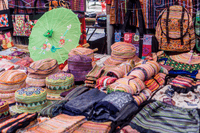
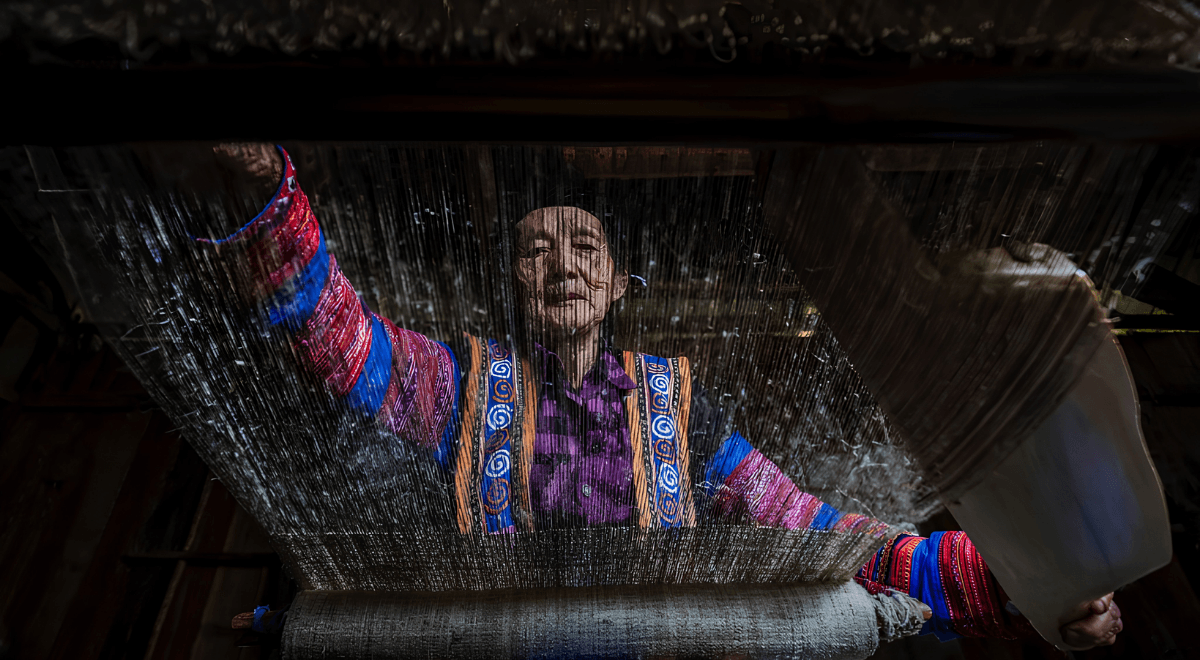
The thread is then ready to be woven on a traditional wooden or bamboo loom. The finished fabric is washed, dyed, dried, cut and sewn into bags, scarves, clothing, table linens or decorative items.
Natural dyes and time-honoured techniques
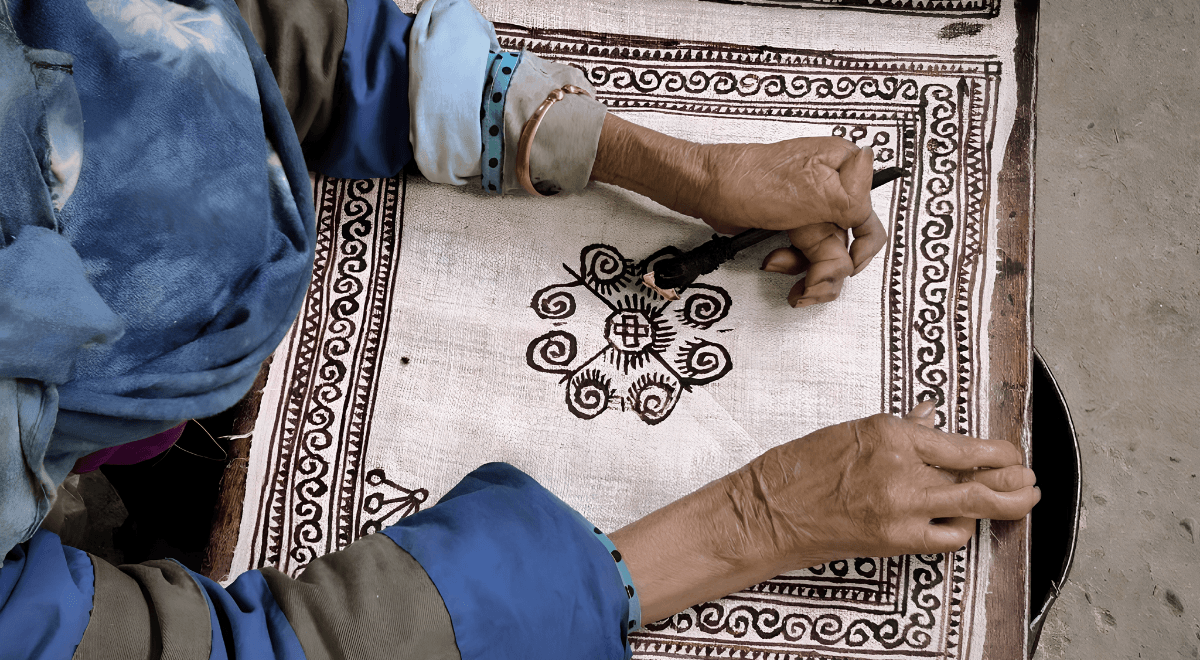
One of the most remarkable aspects of Hmong craftsmanship in Lung Tam is the use of natural dyes. Women work with leaves from wild plants, including indigo, as well as turmeric and other plant-based pigments. These colours give the fabrics a soft depth that is never harsh.
To make the flax more supple and elastic, the fabric is spread over a wooden log and rubbed repeatedly with a stone coated in beeswax. This gesture requires strength, regularity and experience.
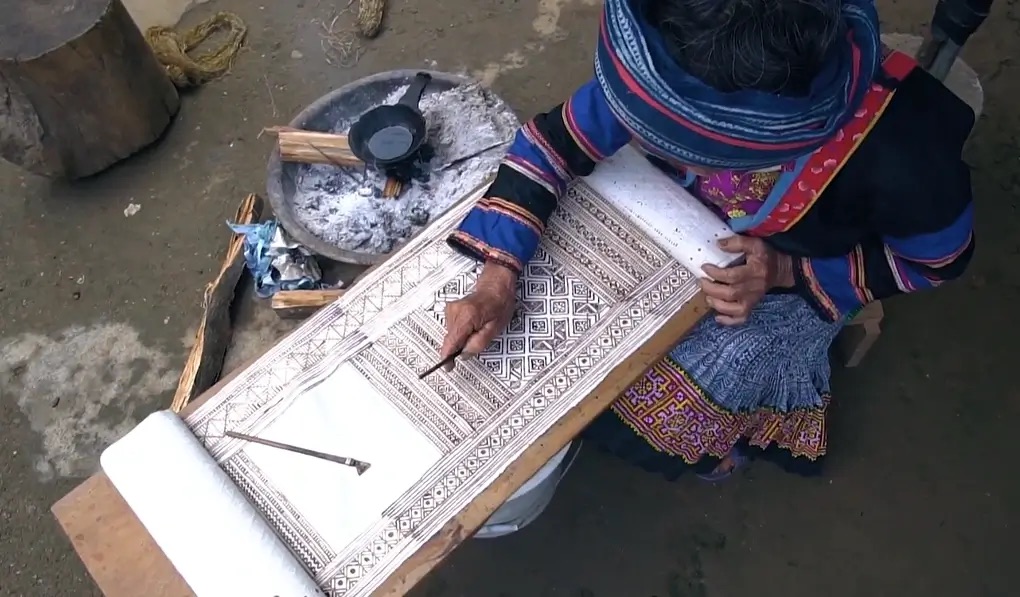
Patterns are also a signature of Lung Tam. They are created by hand, embroidered or drawn with beeswax using the batik technique. Checks, diamonds and symmetrical shapes gradually emerge across the fabric. Every detail reflects delicate craftsmanship as well as a visual language deeply rooted in Hmong culture.
A model of community-based and responsible tourism
The revival of Lung Tam’s weaving village is also a story of transition and empowerment. In the late 1990s, as opium cultivation gradually disappeared from the northern mountains, flax became a new path for local communities.
In 1999, the social enterprise Craft Link and a cooperation programme between Vietnam and Sweden supported the revival of the craft. Two years later, a woman from the village gave this tradition a new direction.
Vang Thi Mai, born in 1962 and long-time president of the commune’s Women’s Union, founded the Lung Tam Flax Cooperative in 2001 with ten members and an initial capital of 13 million Vietnamese dong. Today, the cooperative brings together around 140 women across several production groups. Its fabrics are sold to Vietnamese and international customers, particularly in Europe.
Vietnamese media have called her “the lady of flax”. Yet beyond this inspiring figure, a wider model of people-centred tourism has taken shape. The cooperative allows many Hmong women to improve their income, work in their own village and preserve their cultural identity.
For travellers, purchasing a product in Lung Tam is not simply buying a souvenir. It is a meaningful gesture. It supports living traditions in Northern Vietnam and contributes to a more respectful local economy.
The development of community tourism in Lung Tam
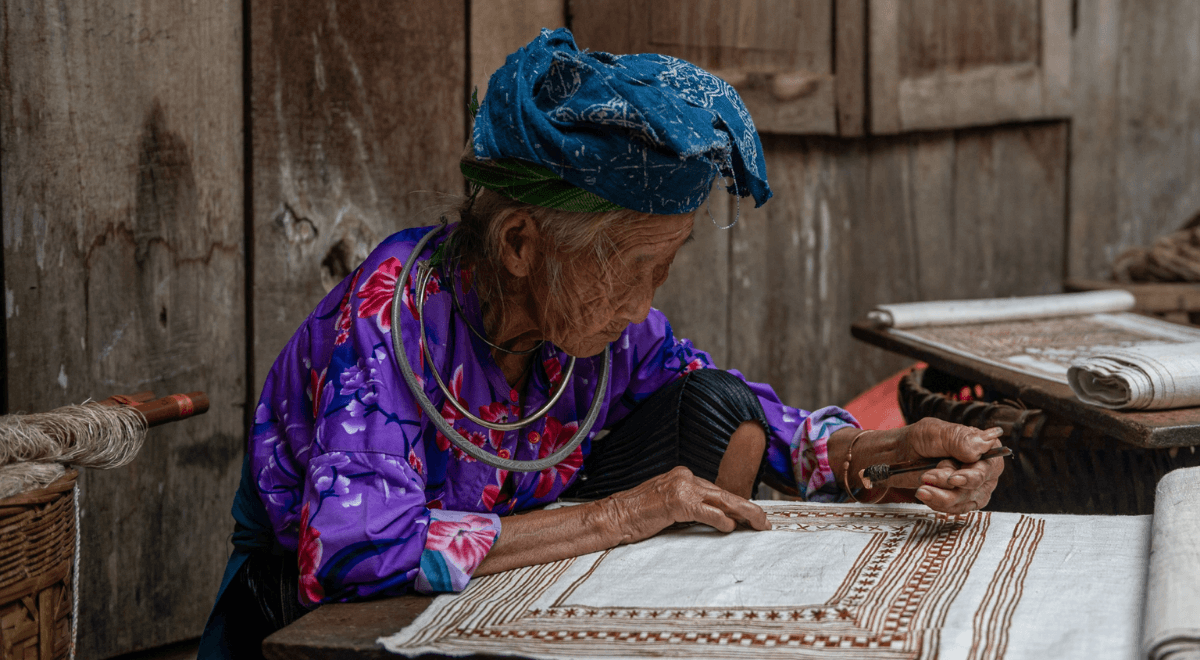
Thanks to the richness of its craftsmanship, Lung Tam is attracting a growing number of Vietnamese and international travellers. Visitors can observe the different stages of weaving, speak with the artisans and sometimes try a few simple steps themselves.
This approach gives a different dimension to immersive travel in Vietnam. It allows visitors not only to pass through landscapes, but also to understand the lives within them. The hands spinning flax, the focused expressions of the artisans, the colours hanging in village courtyards: together, they create a humble and deeply human scene.
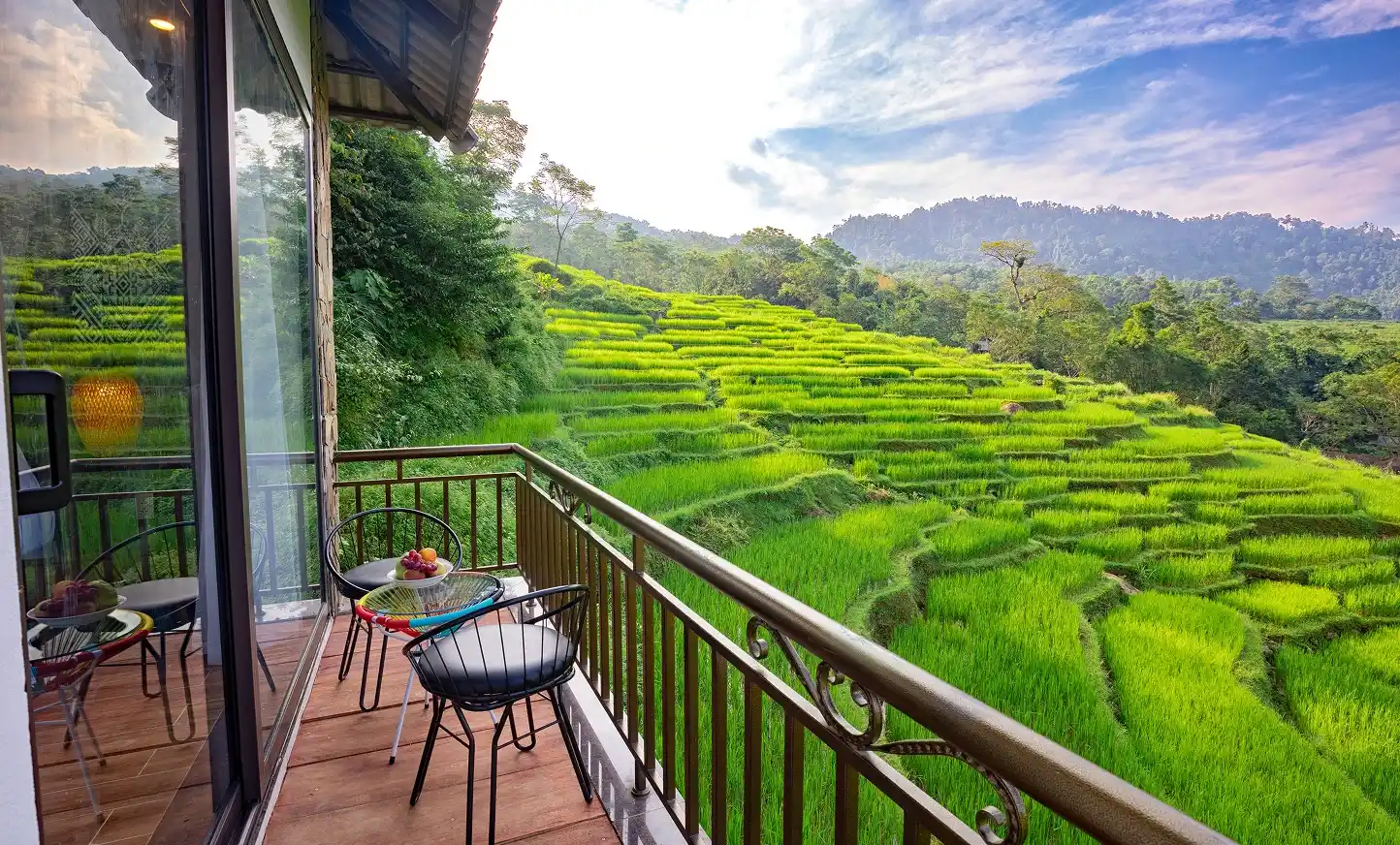
Lung Tam is not limited to textile making. The village is also appealing for its natural setting. Traditional homes, rice terraces, forests and surrounding mountains create a peaceful atmosphere. It is an ideal place for travellers interested in local encounters, ethnic minority cultures and preserved landscapes.
What to see around Lung Tam Village?
Quan Ba Pass and the Twin Mountains
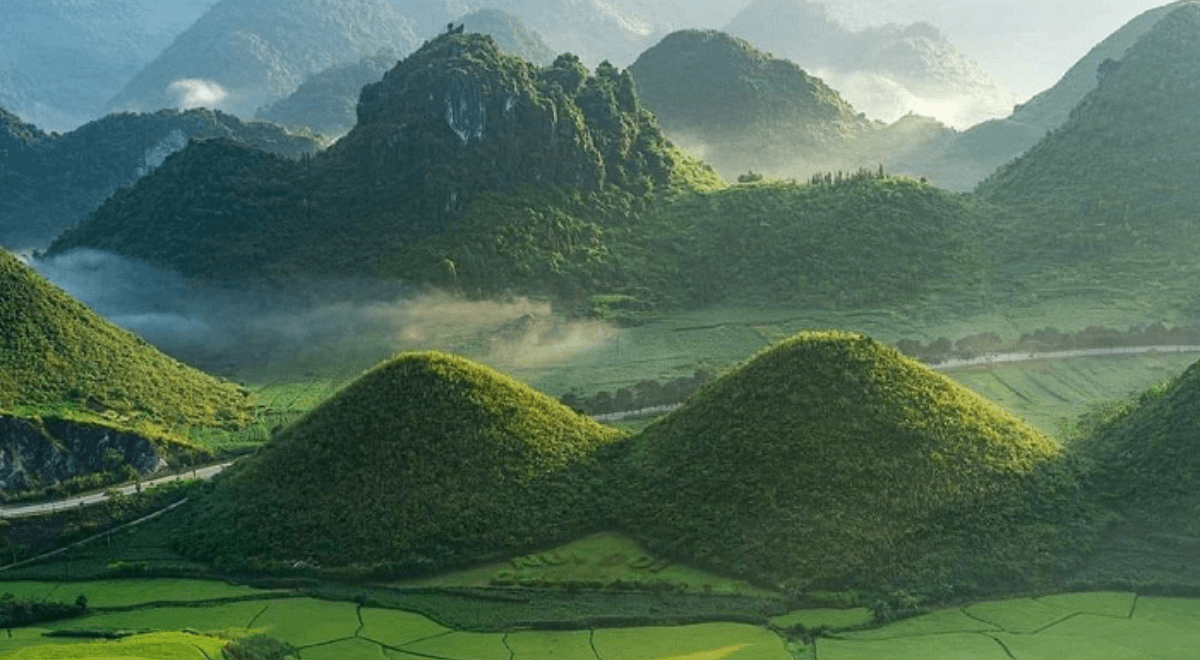
Coming from Ha Giang, you will cross Quan Ba Heaven’s Gate, one of the first major passes on the plateau road. From the viewpoint, the landscape opens onto Tam Son town and the famous Twin Mountains.
These two rounded hills, resting in the middle of rice fields, are among the region’s most poetic landscapes. Local legend says they were created by a fairy, adding another layer of mystery to their distinctive silhouette.
Lung Khuy Cave
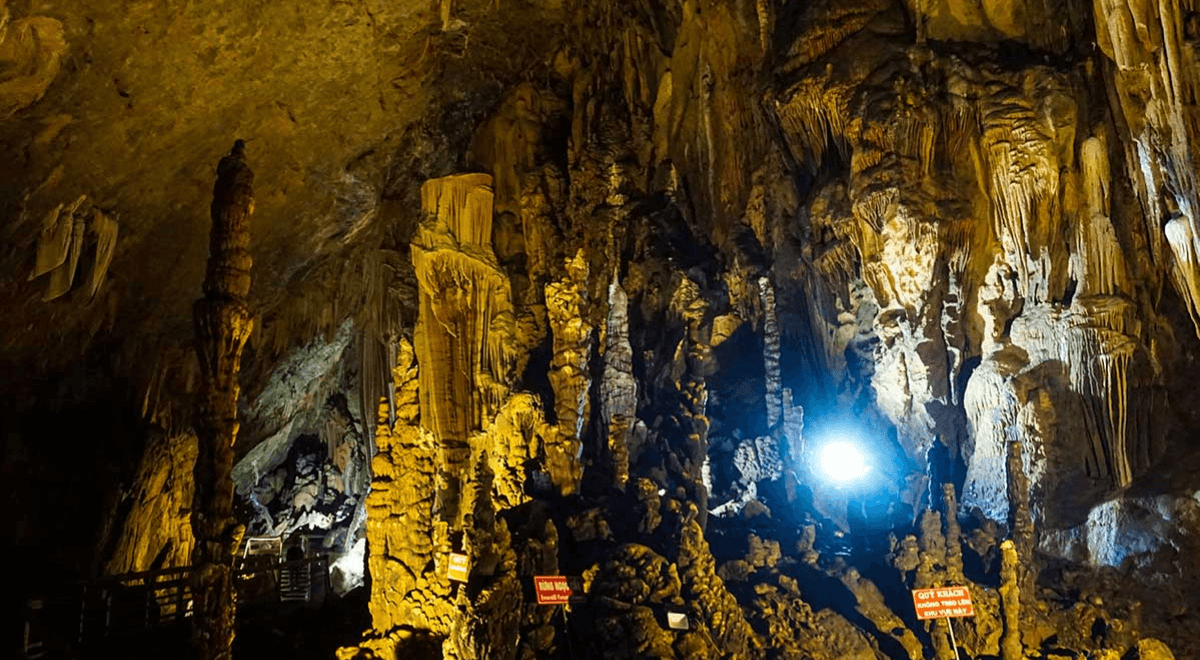
Around ten kilometres from Tam Son, Lung Khuy Cave is often considered one of the most beautiful caves in the district. A mountain trail leads to its entrance, while inside, walkways guide visitors through stalactites, limestone columns and mineral draperies for nearly one kilometre.
The visit is a perfect complement to Lung Tam, combining natural heritage with local culture.
Nam Dam Dao Village
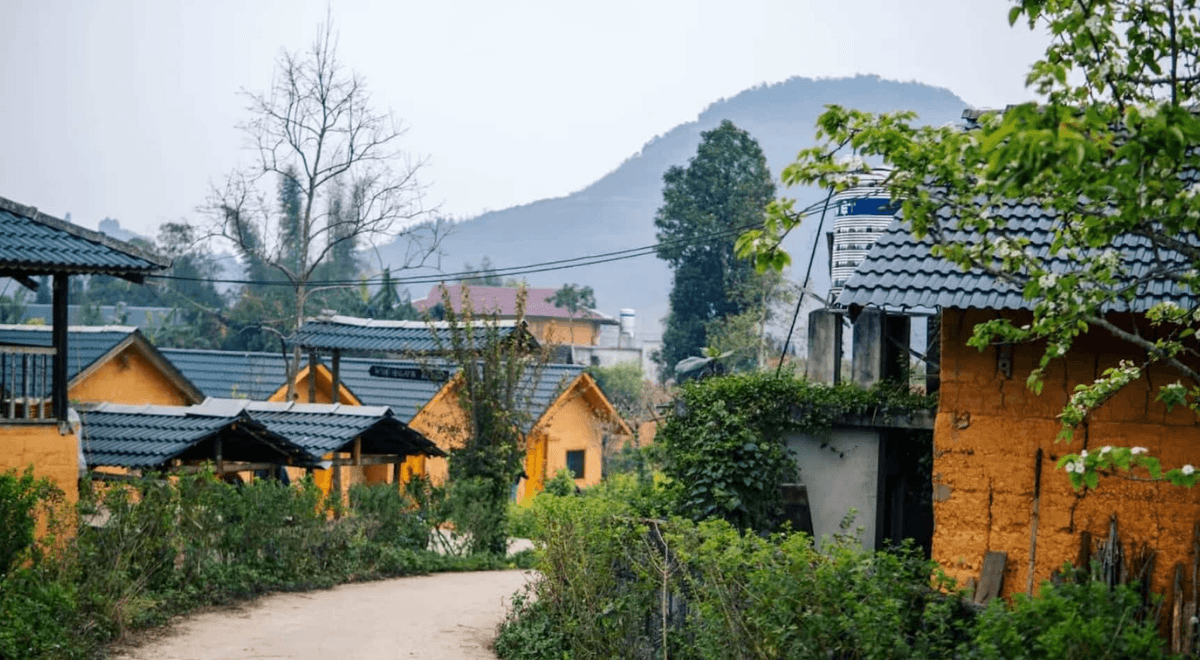
A few kilometres from Tam Son, Nam Dam is home to the Dao Cham ethnic community. It is known for its rammed-earth houses and carefully selected homestays.
Spending a night in Nam Dam offers the chance to discover another culture, another architectural style and the famous Dao herbal baths. It is a wonderful addition to Lung Tam for travellers seeking a genuine human encounter in Vietnam.
Towards the Dong Van Plateau
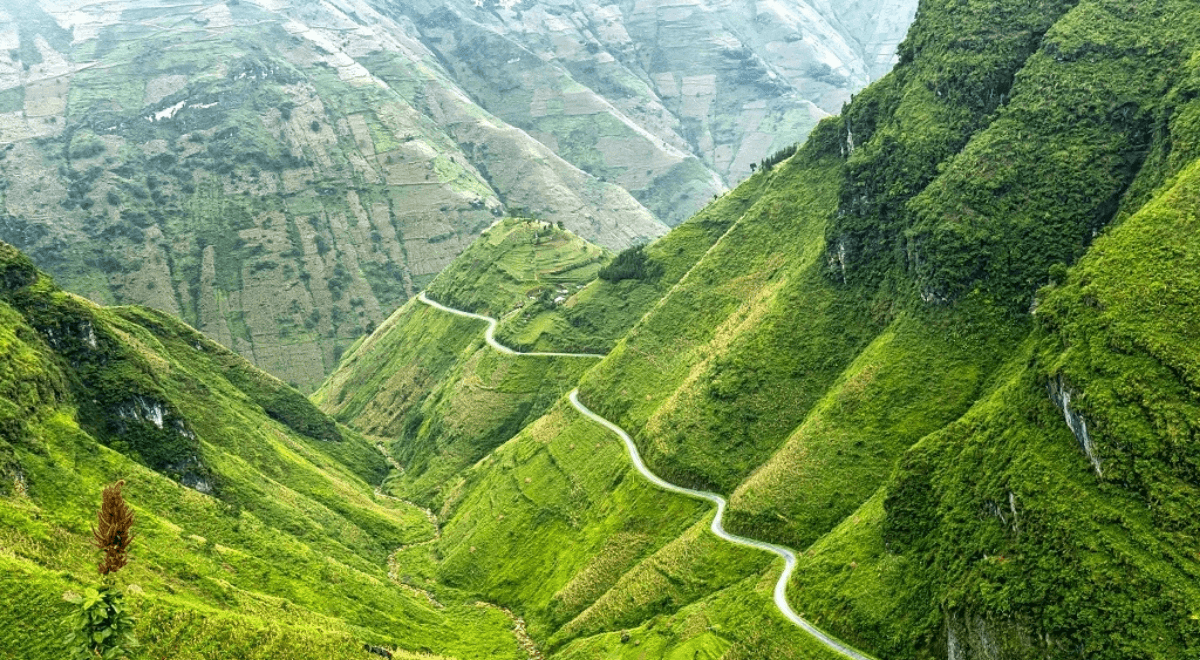
Lung Tam also opens the way to the UNESCO Global Geopark of the Dong Van Karst Plateau. Continuing north, travellers pass through Yen Minh and its pine forests before reaching the Sa Phin Valley, the former palace of the Hmong King, and then Lo Lo Chai Village, close to the Chinese border.
This route is one of the most spectacular in Vietnam. It combines stone mountains, ethnic villages, colourful markets and dramatic panoramic views.
Why visit Lung Tam Village?
Visiting Lung Tam Village means taking the time to watch a gesture. It means understanding that a piece of fabric can hold memory, belief, stories of women and mountain life.
In a world that moves quickly, Lung Tam reminds us of the value of slowness. Nothing here is made in haste. Every thread passes through patient hands. Every motif requires genuine attention. Every finished piece carries a part of the maker’s soul.
For travellers seeking authenticity, Lung Tam is a meaningful stop. It gives depth to an itinerary in Northern Vietnam. It transforms a simple visit into a real encounter. And sometimes, that is exactly what we are looking for at the end of a journey: a genuine moment, a face, a story, a thread that connects.
Frequently Asked Questions About Lung Tam Village
Where is Lung Tam Village located?
Lung Tam Village is located in Ha Giang Province, near Quan Ba in northern Vietnam. It can be reached from Ha Giang City in approximately 1 hour and 30 minutes by road.
What is Lung Tam Village known for?
Lung Tam is known for traditional flax weaving by Hmong women. The village is home to an artisan cooperative that preserves this ancient craft.
How much time should I allow to visit Lung Tam?
A visit of one to two hours allows you to discover the main weaving stages, speak with the artisans and purchase a few locally made products.
What is the best time to visit Lung Tam?
The best period is from September to April, during the dry season. Roads are more pleasant, and the landscapes of Ha Giang are especially beautiful.
Can I buy handmade products in Lung Tam?
Yes, it is possible to purchase flax bags, scarves, clothing and decorative items. These purchases directly support the village cooperative and its women artisans.
Lung Tam Village: the woven memory of the Hmong
Lung Tam Village is a meaningful place to discover an authentic, human and deeply cultural side of Vietnam. Between flax weaving, Hmong traditions, mountain scenery and preserved craftsmanship, the village invites travellers to experience Vietnam differently.
To include Lung Tam in a tailor-made itinerary through Ha Giang and Northern Vietnam, it is best to plan a balanced journey combining local encounters, natural landscapes and time to exchange with the people who live there.
Discover Vietnam’s cultural journeys with Villages Vietnam
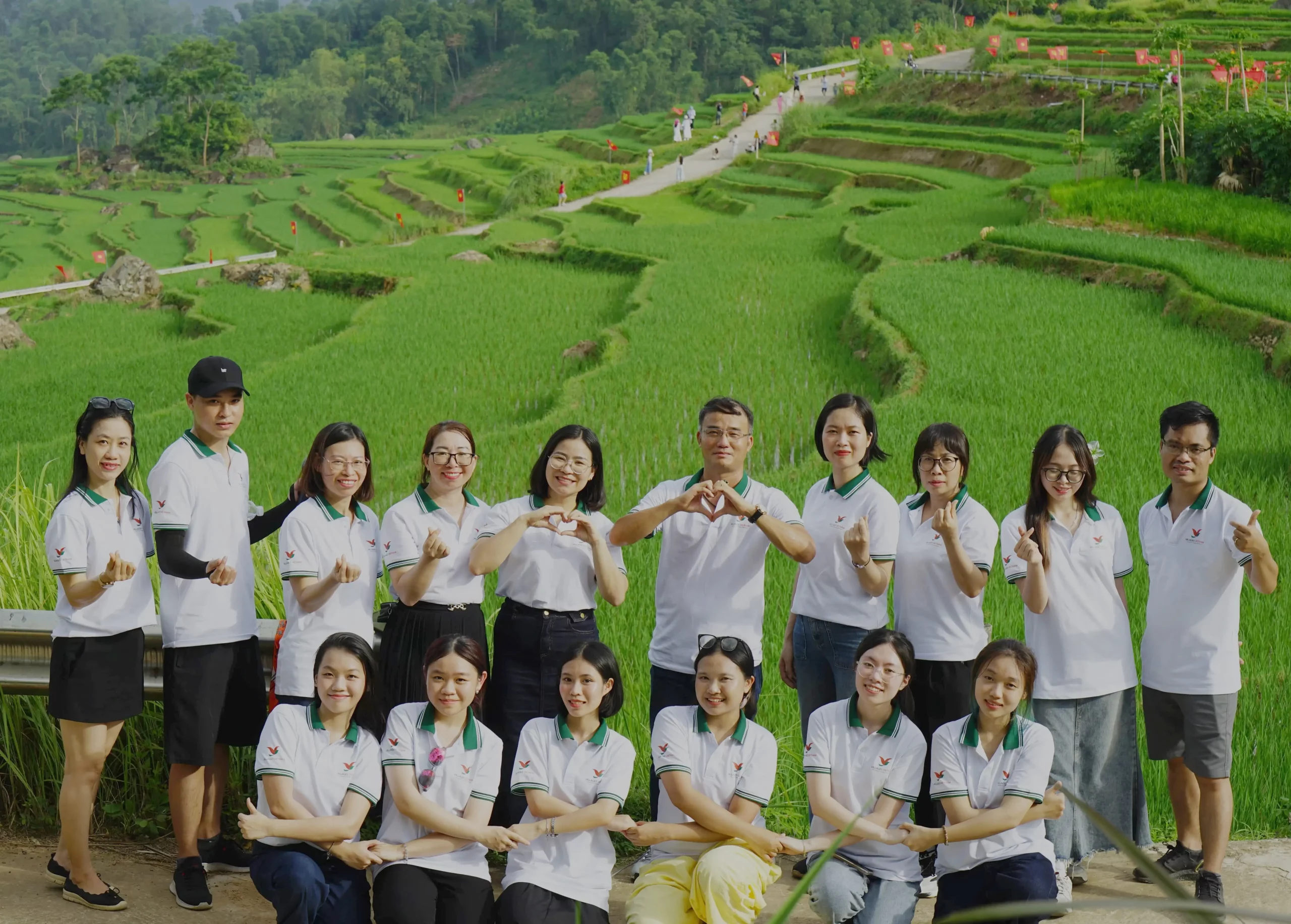
We invite you to experience rare and meaningful moments:
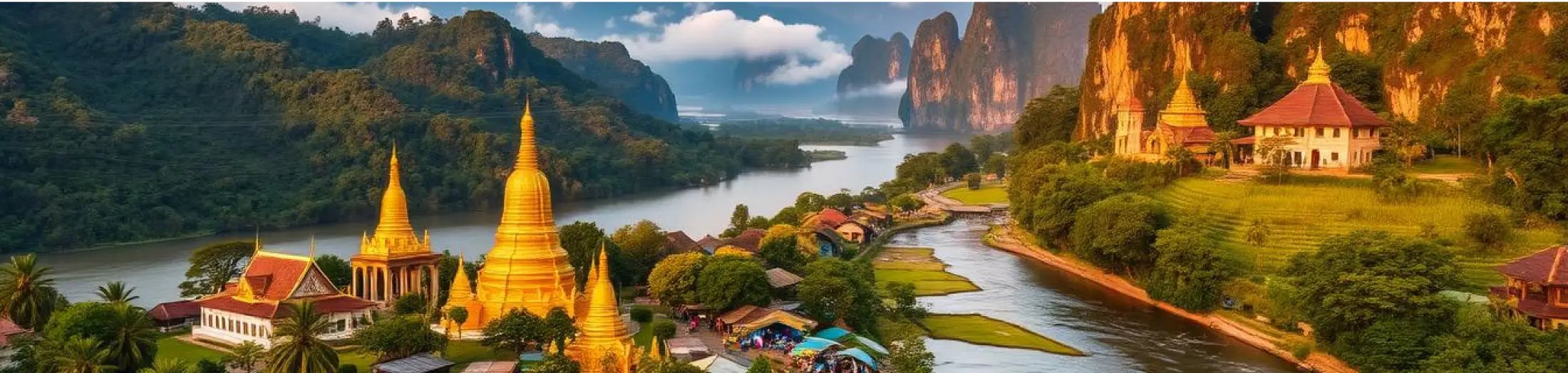
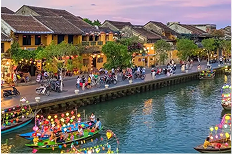
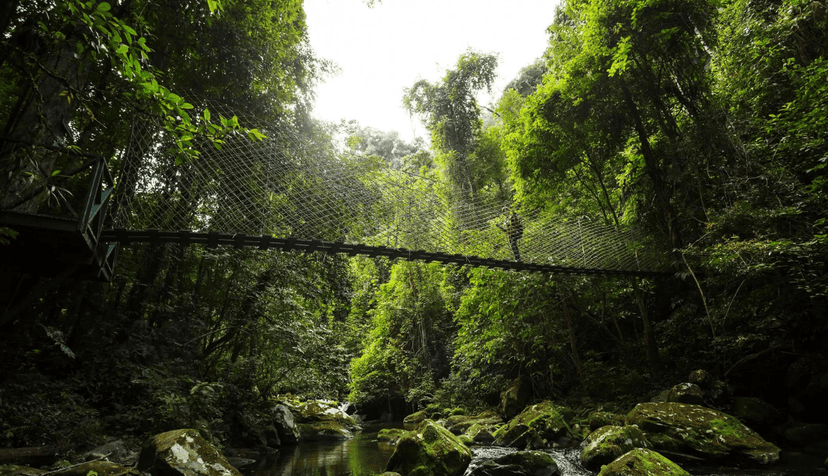
- Lose yourself in the picturesque landscapes of Vietnam
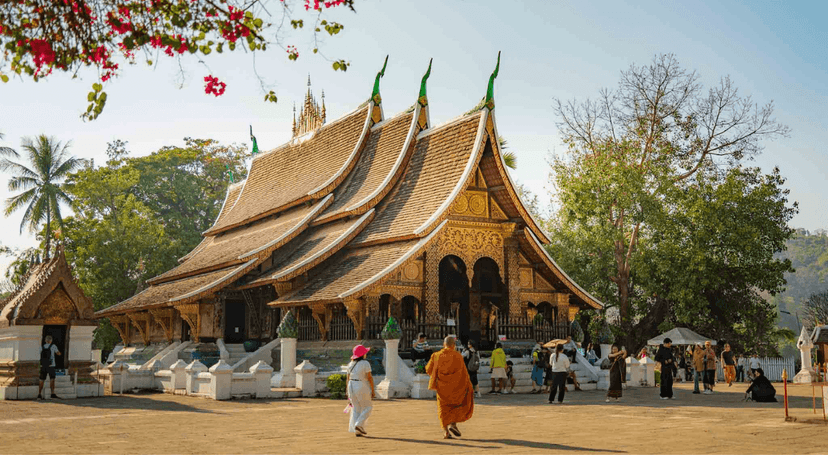
- Follow the peaceful rhythm of the rice fields in Laos
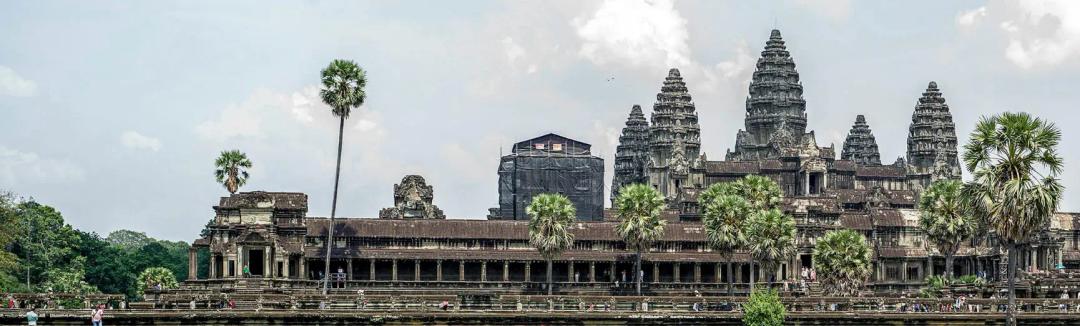
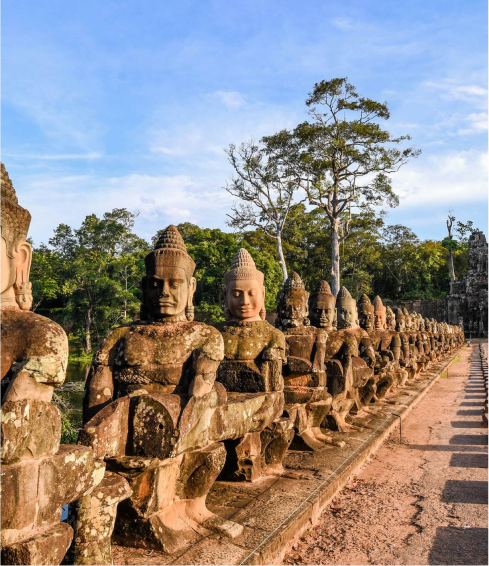
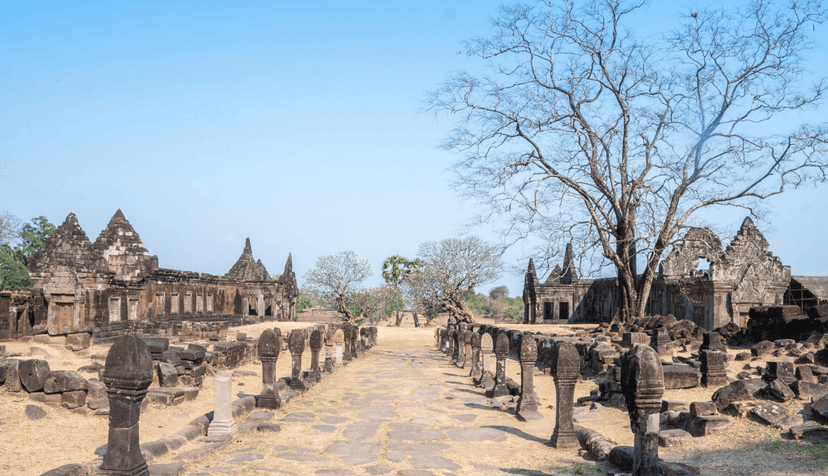
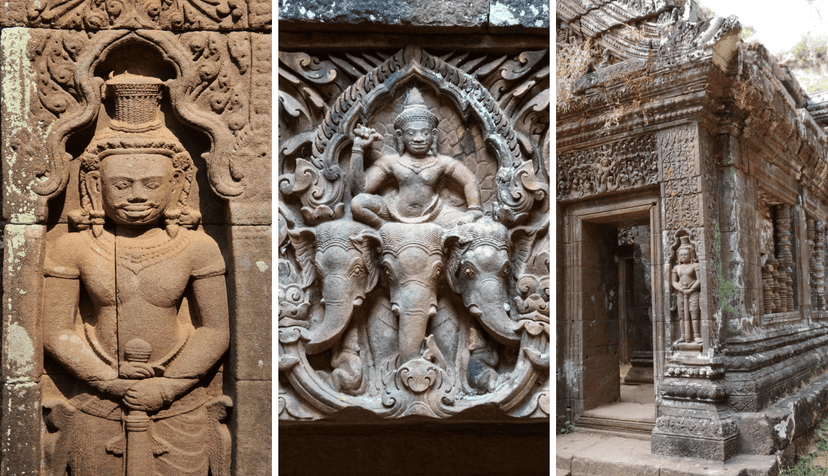
- Walk quietly towards ancient temples in Cambodia, hidden in the heart of lush forest
Villages Vietnam is proud to create authentic cultural journeys, designed with care and heart. Our tours reveal the soul of Indochina: its traditions, gentle rhythms and the warmth of its people.
If you dream of a unique journey, created especially for you, a journey that leaves lasting memories, our team will be there to listen and assist you.
We promise beautiful discoveries: stories to share, emotions to experience and all our knowledge of the lands you explore.
We are committed to offering you meaningful discoveries by sharing our local secrets, our passion and our deep knowledge of every destination you explore.
- Contact: Ms Jade VU
- WhatsApp: +84 0986 527 836
- Email: info@villagesvietnam.com
- Vietnam Office: 7th Floor, 30 Tran Phu Boulevard, Ha Dong District, Hanoi, Vietnam
- France Office: 726 Chemin de la Croix du Sud, 83200 Toulon, France
- Thailand Office: Klang Muang Village, Soi Srinakarindra 24, Srinakarindra Road, Suan Luang District, Bangkok 10250, Thailand
Published by:
Villages Vietnam
Publication date:
29/06/2026
Beautiful journeys
Travel guide




Frequently Asked Questions
In general, the best time to visit Vietnam is from November to April. But you can travel all year round. The weather changes a lot from region to region, so when it rains or gets cold in one place, it can be sunny somewhere else.
Internet access is easy and affordable. Most hotels, cafés, and restaurants offer free Wi-Fi. If you want to stay connected all the time on your phone, you can buy a local SIM card. It gives you a stable connection during your trip for a very good price.