


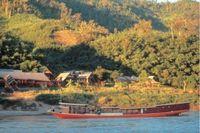
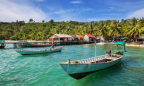






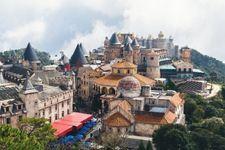
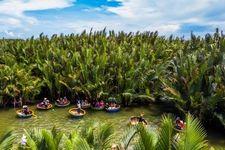

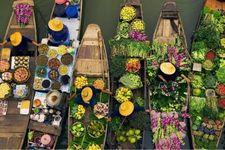
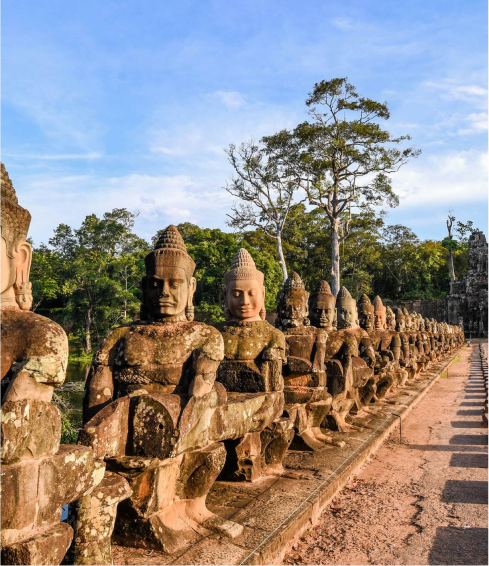
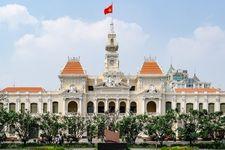
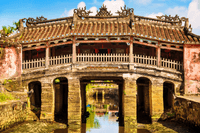
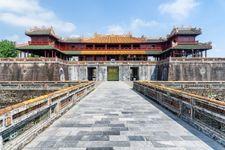

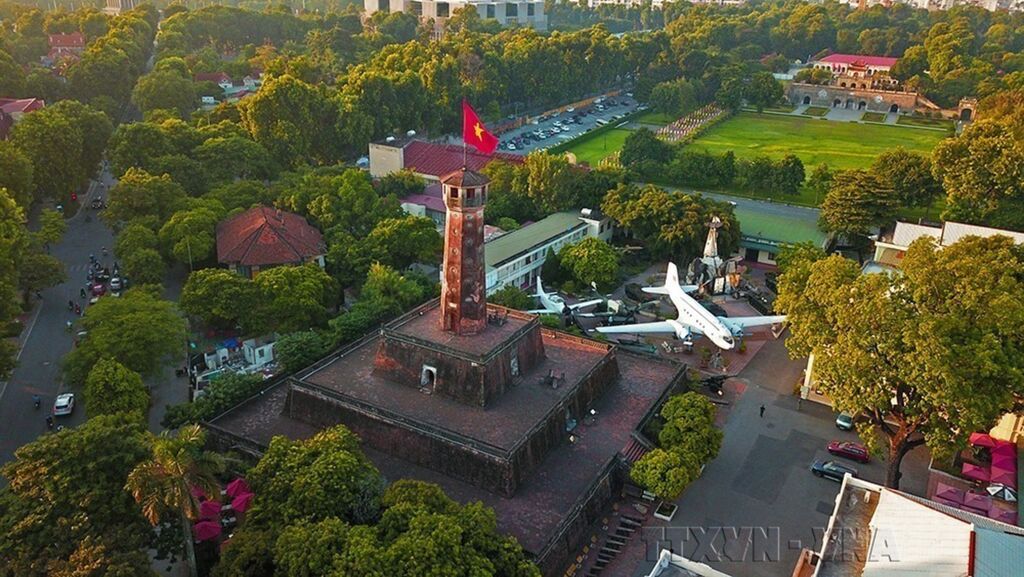
 Iconic place
Travel to Vietnam: A Complete Guide to Planning a Successful Trip
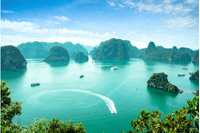
Travel to Vietnam is an invitation to discover a land of contrasts, where the misty mountains of the north echo peaceful rice fields, vibrant cities and the tranquil waters of the Mekong Delta. From Hanoi to Hoi An, from Halong Bay to the ethnic villages of Ha Giang, each region reveals a different atmosphere, blending heritage, nature and human encounters.
For French travellers, Vietnam appeals as much through its cultural richness as through the warmth of its welcome and the diversity of its landscapes. Visitors come to admire iconic sites, but also to taste generous cuisine, wander through markets, sleep in local homes or simply observe daily life along streets and rivers.
Before departure, it is essential to prepare your trip carefully: formalities, climate, budget, itinerary, health, safety and transport. This guide brings together useful information to help you organise a peaceful, balanced trip tailored to your wishes.
I. First impressions of Vietnam
Before organising a trip, it is always rewarding to better understand the country you are about to discover. Vietnam is not limited to its iconic landscapes or its renowned gastronomy: it is also a land of history, traditions and deeply memorable human encounters.
1. A warm people deeply attached to human values
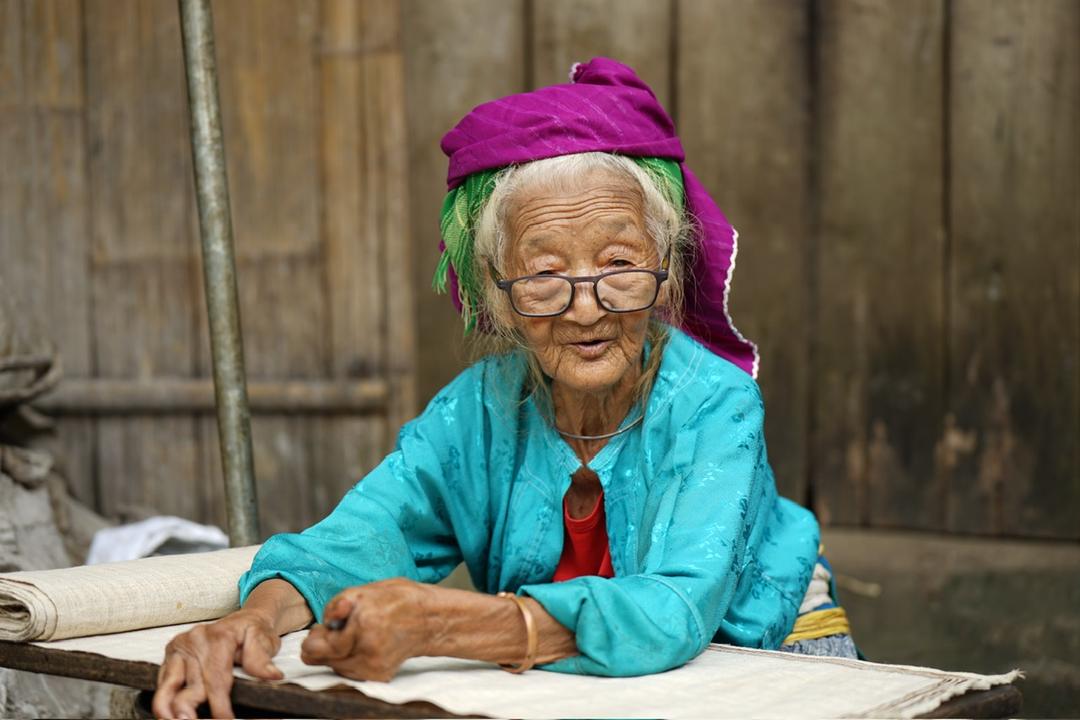
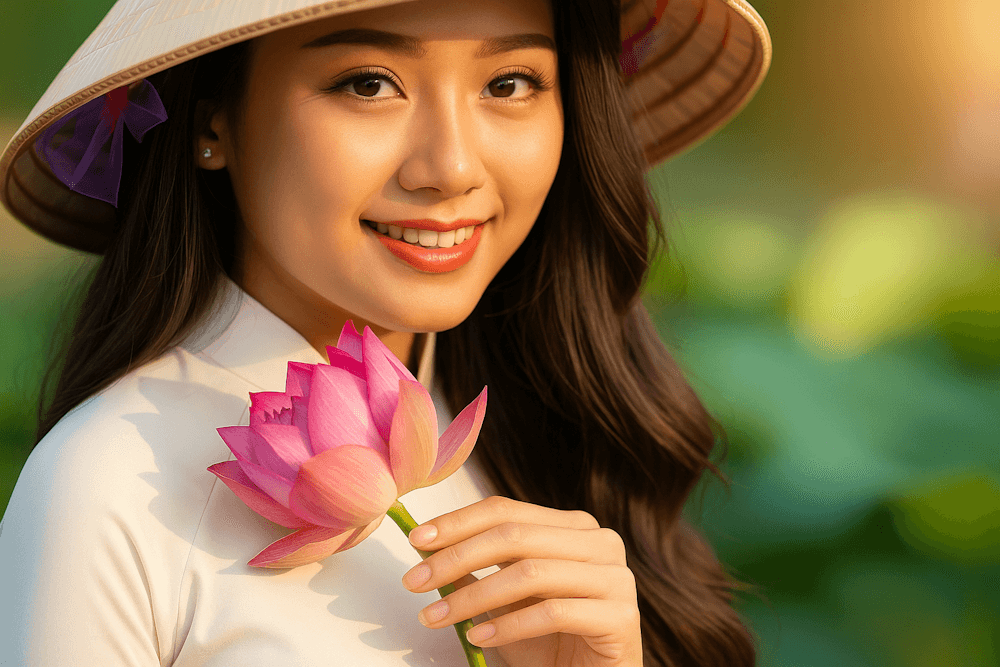
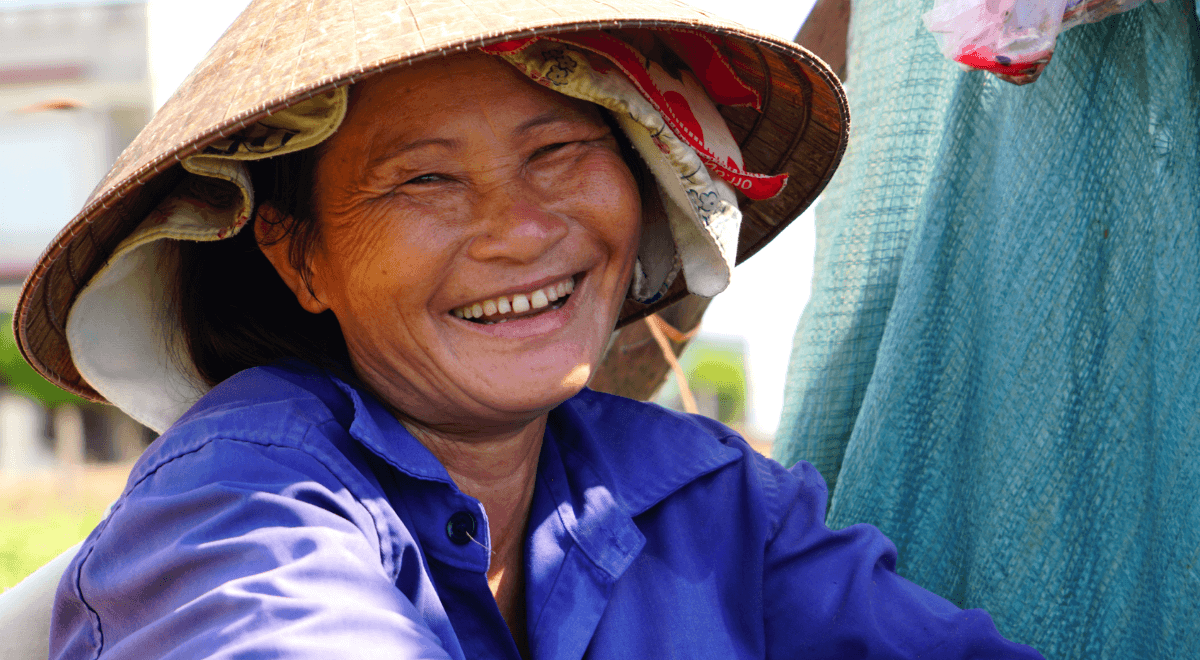
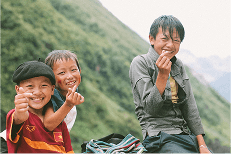
What often strikes travellers upon their arrival in Vietnam is the human warmth and simplicity of interactions. Vietnamese people are generally perceived as welcoming, smiling, hardworking and deeply attached to family. Despite the sometimes intense pace of life in big cities, visitors often feel a discreet kindness and an authenticity that touches many people.
Respect for elders, the importance of community and hospitality remain very present values in Vietnamese society. In the countryside as well as in the mountainous regions, it is not uncommon to be invited to share tea, a meal or simply a spontaneous moment of exchange.
2. A country of 54 ethnic groups
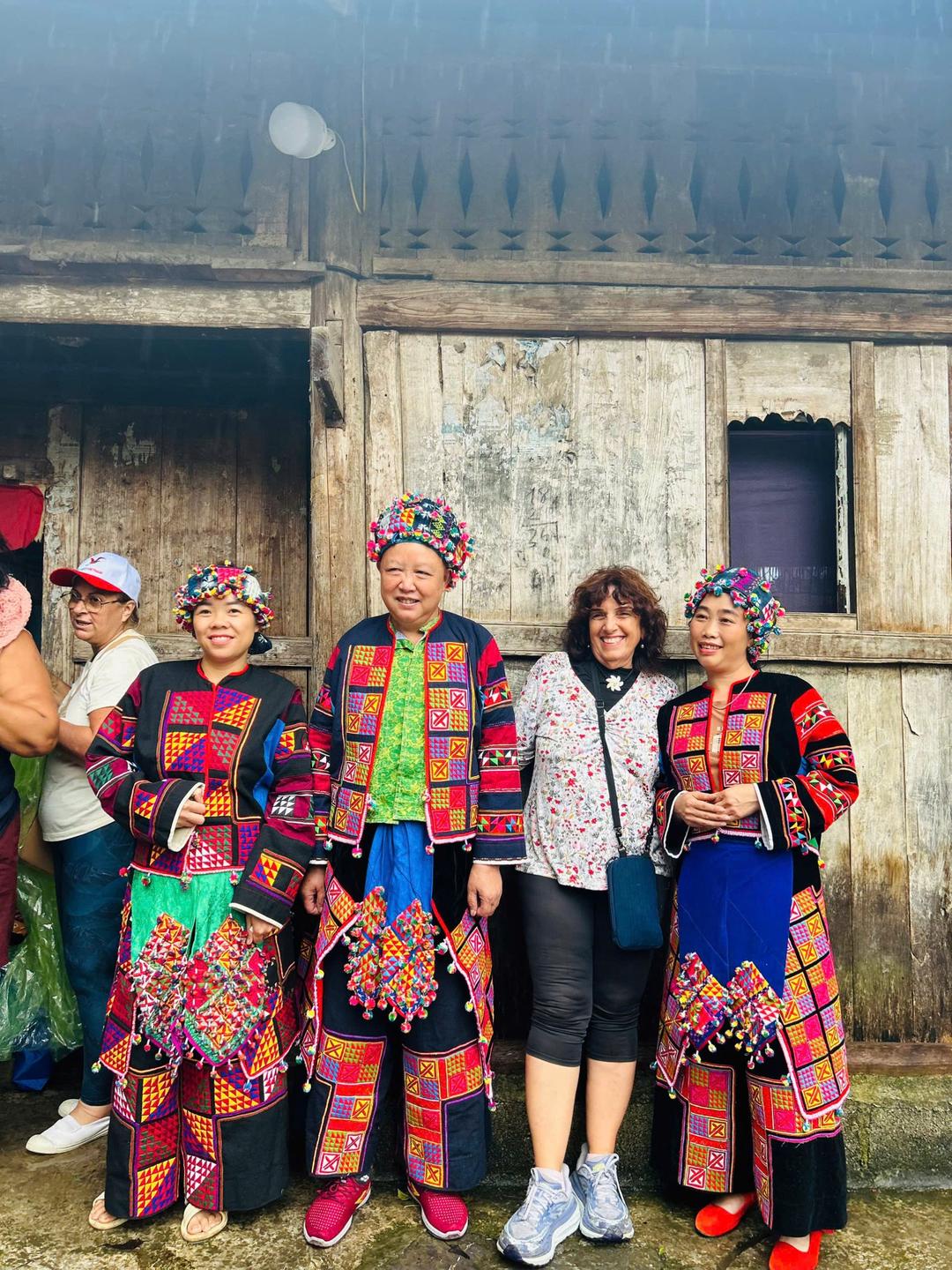
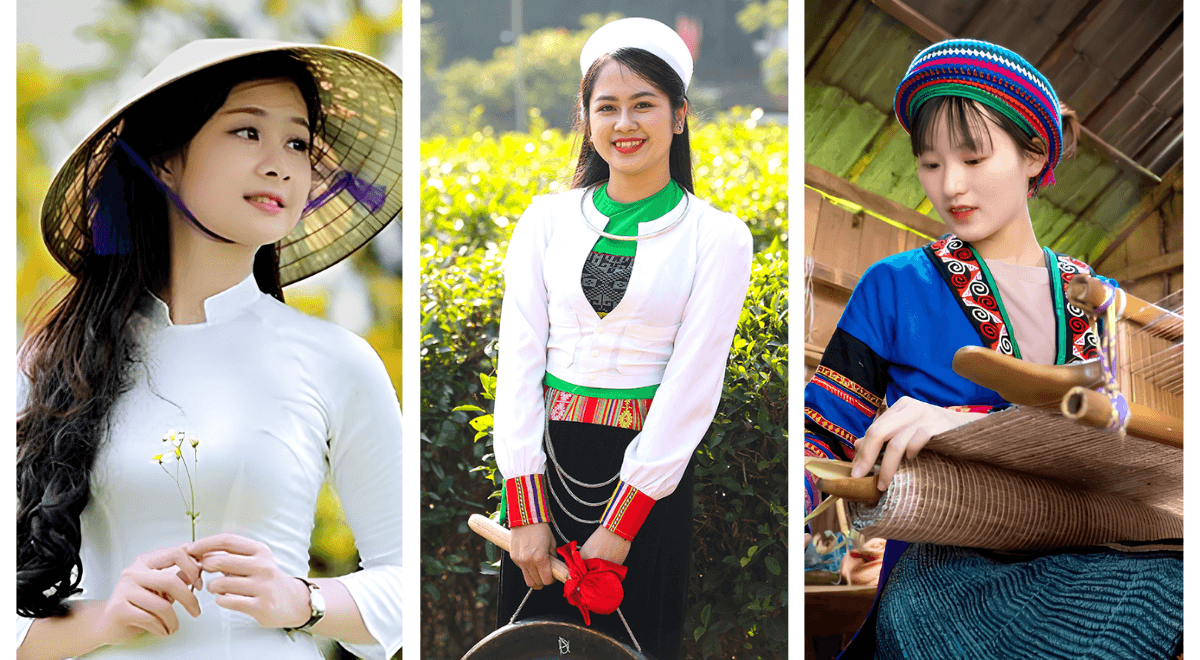
Vietnam is a multicultural country made up of 54 officially recognised ethnic groups. While the majority of the population belongs to the Kinh ethnic group, mainly settled in the plains and large cities, the mountainous regions of the north and centre are home to a fascinating mosaic of ethnic minorities, such as the Hmong, Dao, Tay, Thai, Nung and Lo Lo.
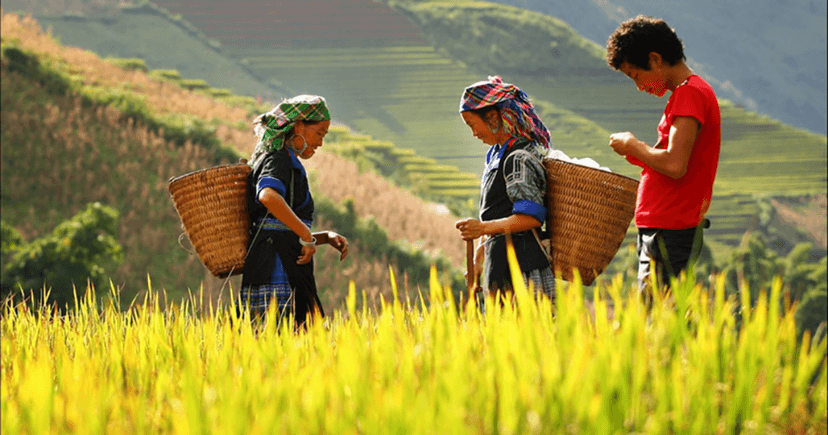
Each community has its own traditions, costumes, dialects, artisanal know-how and cultural practices. Some still live in remote villages, where terraced agriculture, weekly markets and ancestral customs shape daily life. For many French travellers, these encounters are among the most memorable moments of a trip to Vietnam.
3. A rich and eventful history
Vietnam’s history is ancient, complex and deeply connected to its present identity. Marked by more than a thousand years of Chinese influence, the country later developed its own dynasties before experiencing French colonisation, the conflicts of the 20th century and national reunification in 1975.
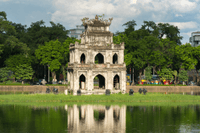
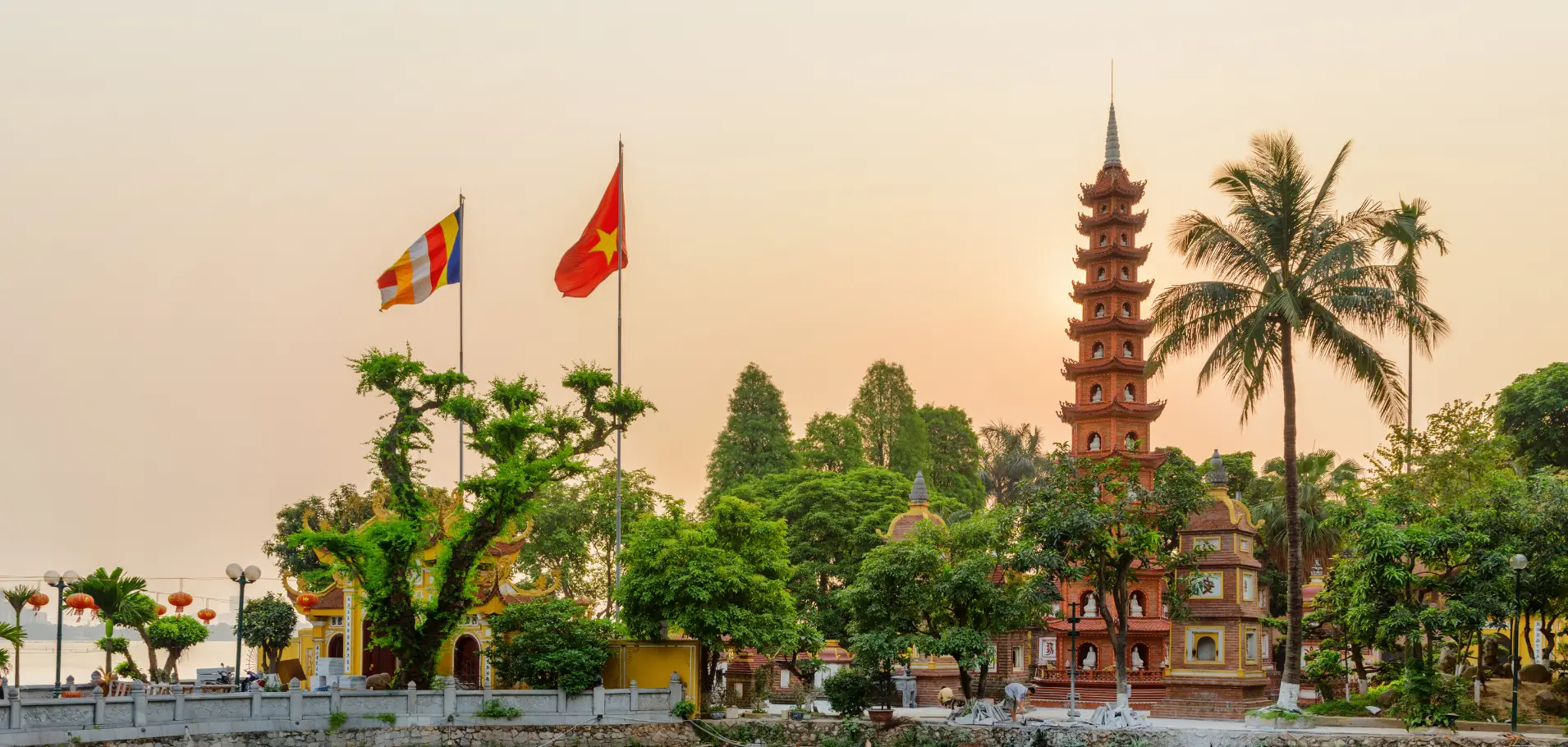
Today, this history can be read through temples, imperial citadels, colonial architecture, museums and major historical sites such as Hue, Hanoi, Dien Bien Phu and Saigon. Understanding this past helps visitors better grasp the resilience of the Vietnamese people and the cultural richness of the country.
4. From rice fields to ancient cities: the many faces of Vietnam
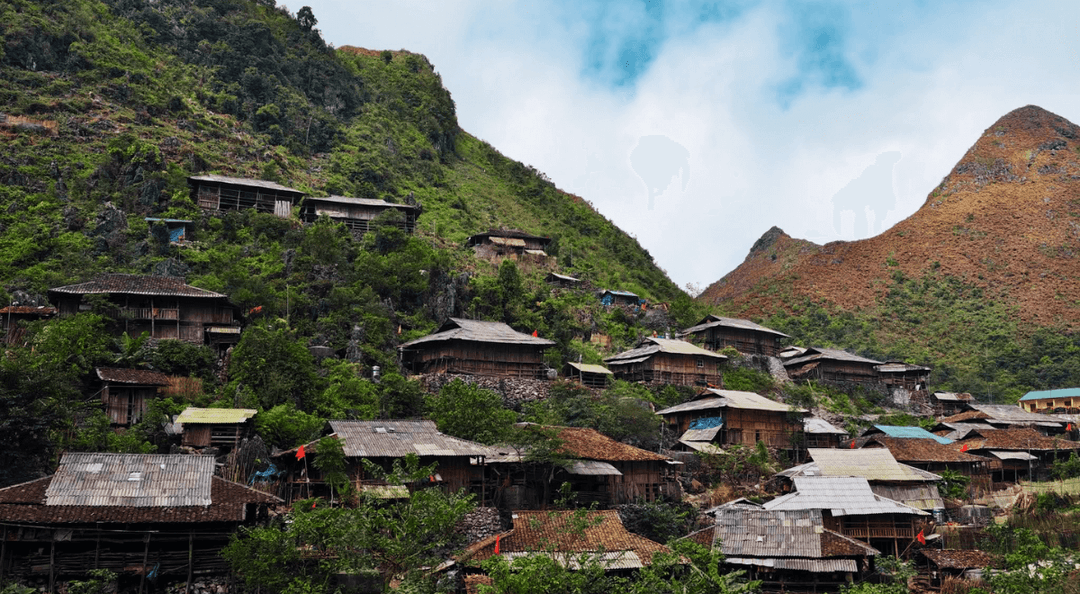
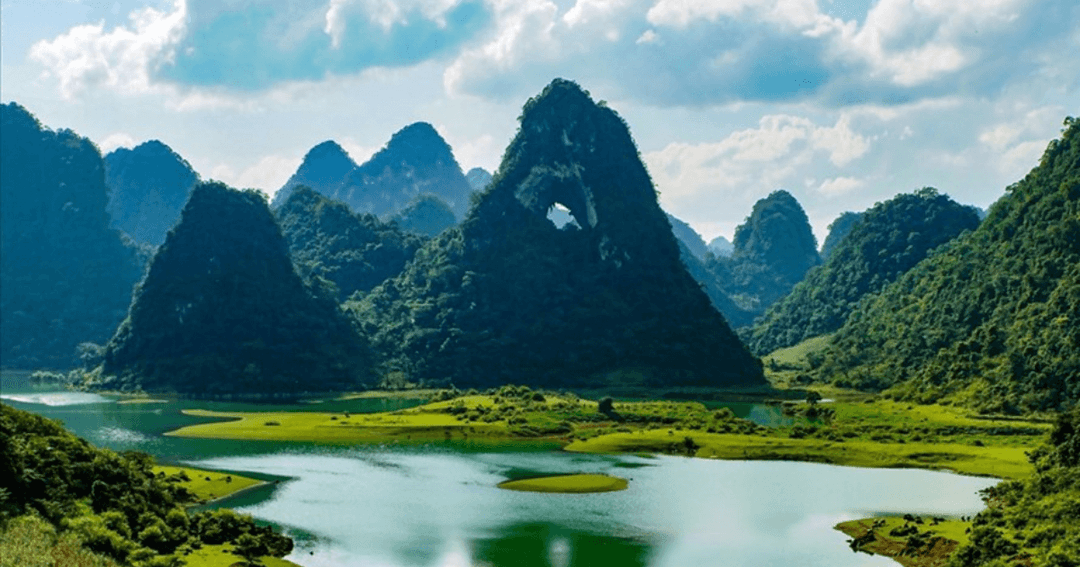
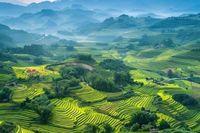
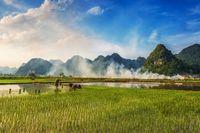
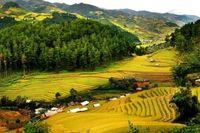
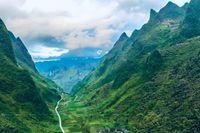
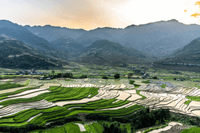
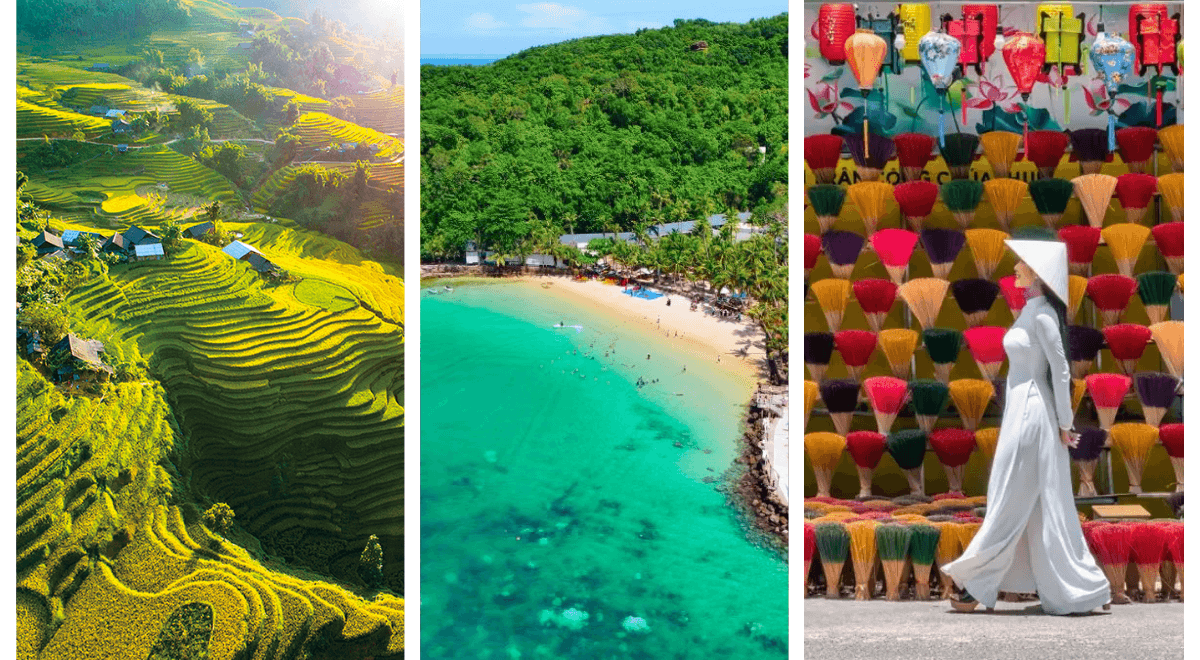
Vietnam captivates visitors with a remarkable diversity of landscapes, able to satisfy every desire for escape. The mountains of the north reveal spectacular panoramas, with misty valleys, vertiginous passes and hillside ethnic villages. In Sapa, Mu Cang Chai and Hoang Su Phi, the terraced rice fields offer a magnificent spectacle, especially during the harvest season, when the fields turn golden.
Travellers in search of relaxation will also find their happiness on the beaches and tropical islands of the country. From Phu Quoc to Con Dao, via Danang, Nha Trang and Quy Nhon, Vietnam offers beautiful seaside escapes between turquoise waters, light sand and a peaceful atmosphere.
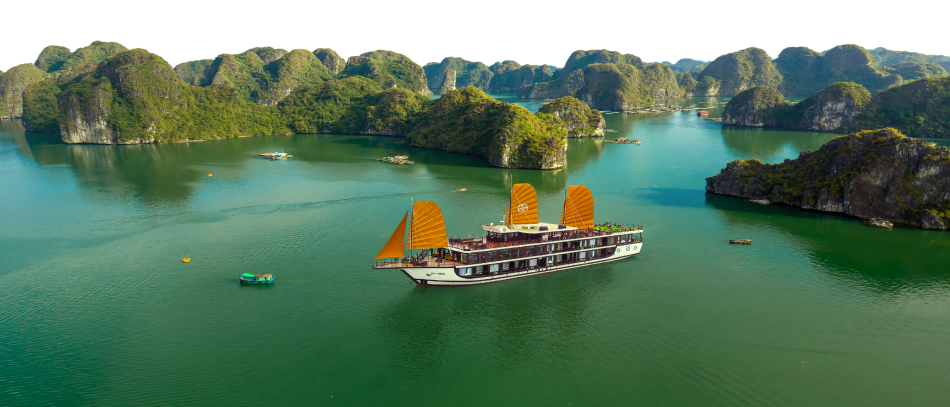
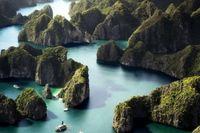
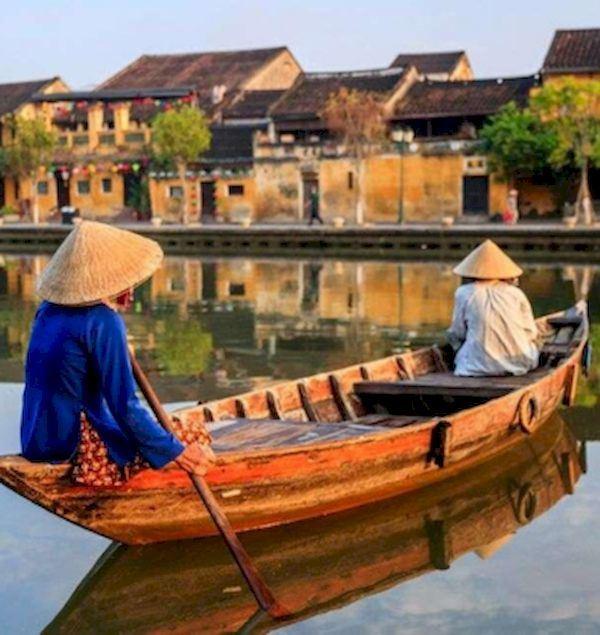
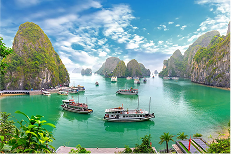
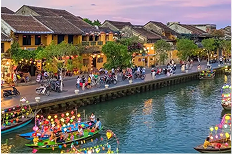
The country also charms visitors with its ancient cities and cultural heritage. Hanoi, Hue and Hoi An each tell a chapter of Vietnamese history through their old quarters, ancient houses, temples and architecture inherited from the past. Several sites are also listed as UNESCO World Heritage Sites, including Halong Bay, Phong Nha-Ke Bang, Hue and Hoi An.
5. Means of transport for getting around Vietnam
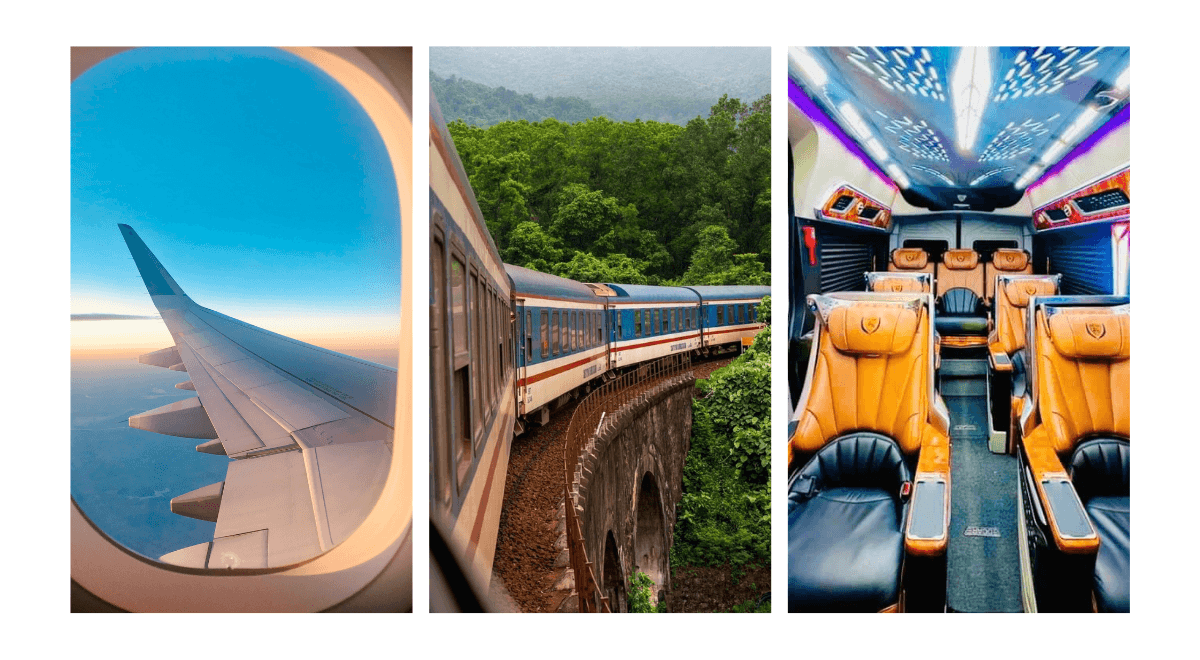
Transport in Vietnam is varied and allows each journey to be adapted according to budget, comfort and available time.
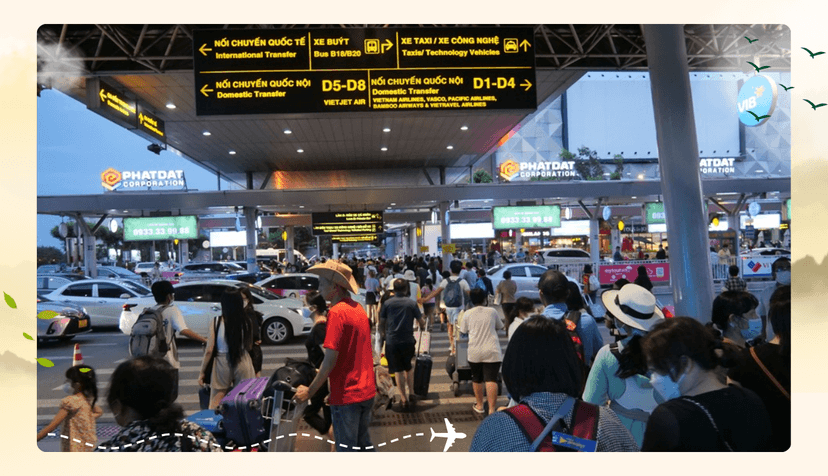
Domestic flights are convenient for quickly connecting Hanoi, Hue, Danang, Saigon and Phu Quoc. They save time, especially on a north-to-south itinerary.
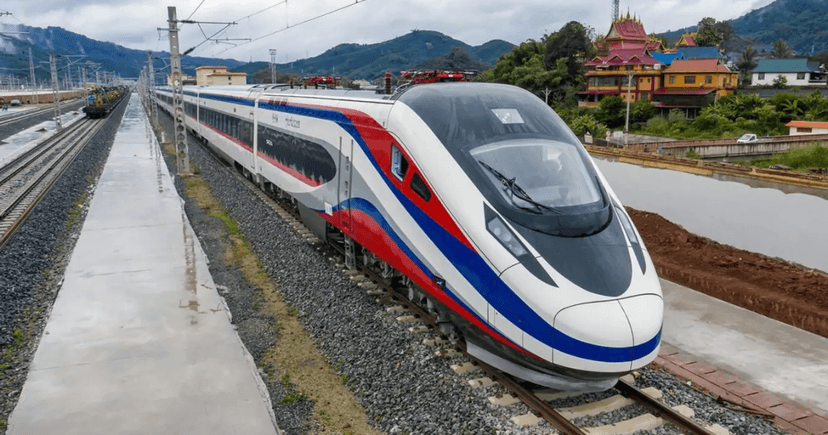
The train offers a slower and more local experience. It can be interesting for certain routes, especially between Hanoi and Hue, or for travellers who enjoy watching the scenery. Comfort varies depending on the trains and cabin categories, but the experience keeps a special charm.
A private car with driver remains the most comfortable option for exploring rural regions, mountains and remote sites. It allows you to stop along the way, travel at your own pace and avoid the constraints of public transport. For French travellers, especially couples, families or small groups, this solution is often the most pleasant.
6. Vietnamese flavours not to be missed
Vietnamese gastronomy is an integral part of the journey. Fresh, fragrant and balanced, it is based on aromatic herbs, vegetables, broths, rice, noodles and light sauces. Each region has its own specialities and culinary habits.
In Hanoi, pho, bun cha, cha ca and banh cuon are must-tries. These dishes express the culinary identity of the north, with subtle flavours and great importance given to broth, herbs and textures. In the centre, Hue offers a more delicate cuisine, marked by imperial heritage. Hoi An seduces visitors with its cao lau, wontons and charming small restaurants.
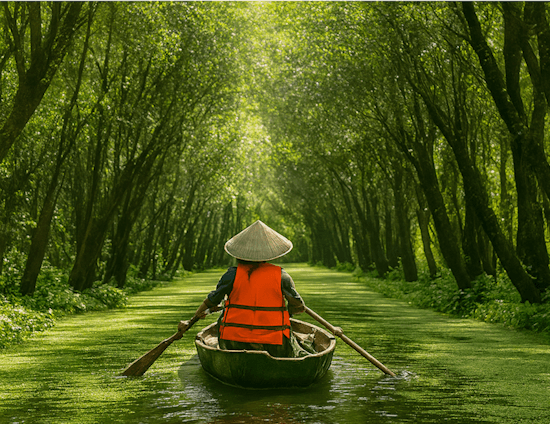
In the south, flavours often become sweeter and more tropical. The Mekong Delta offers generous cuisine influenced by fruits, freshwater fish and floating markets. To truly discover Vietnamese cuisine, one should alternate between street food, local restaurants, meals with local families and more refined culinary experiences.
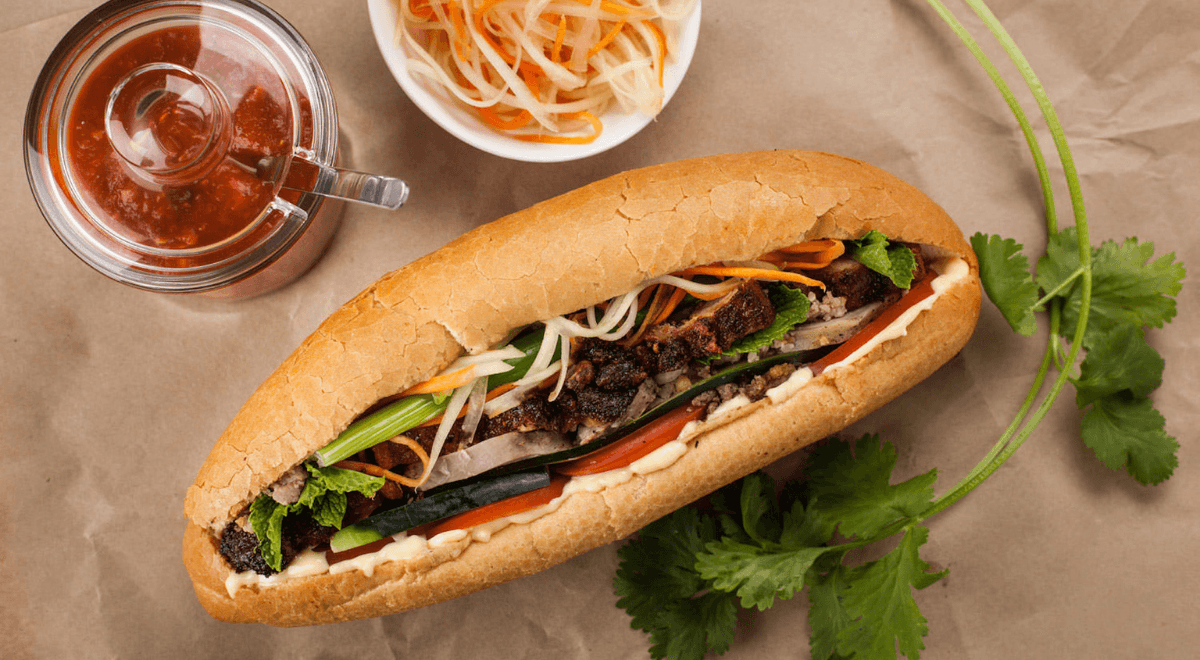
The famous Banh mi
II. Different ways to travel in Vietnam
1. Shared group tour
A shared group tour is an ideal solution for travellers who wish to discover Vietnam while sharing the experience with others and optimising their budget. These fixed-date tours allow travellers to enjoy a structured itinerary, often covering highlights such as Hanoi, Halong Bay, Hue, Hoi An and the Mekong Delta, in a friendly atmosphere.
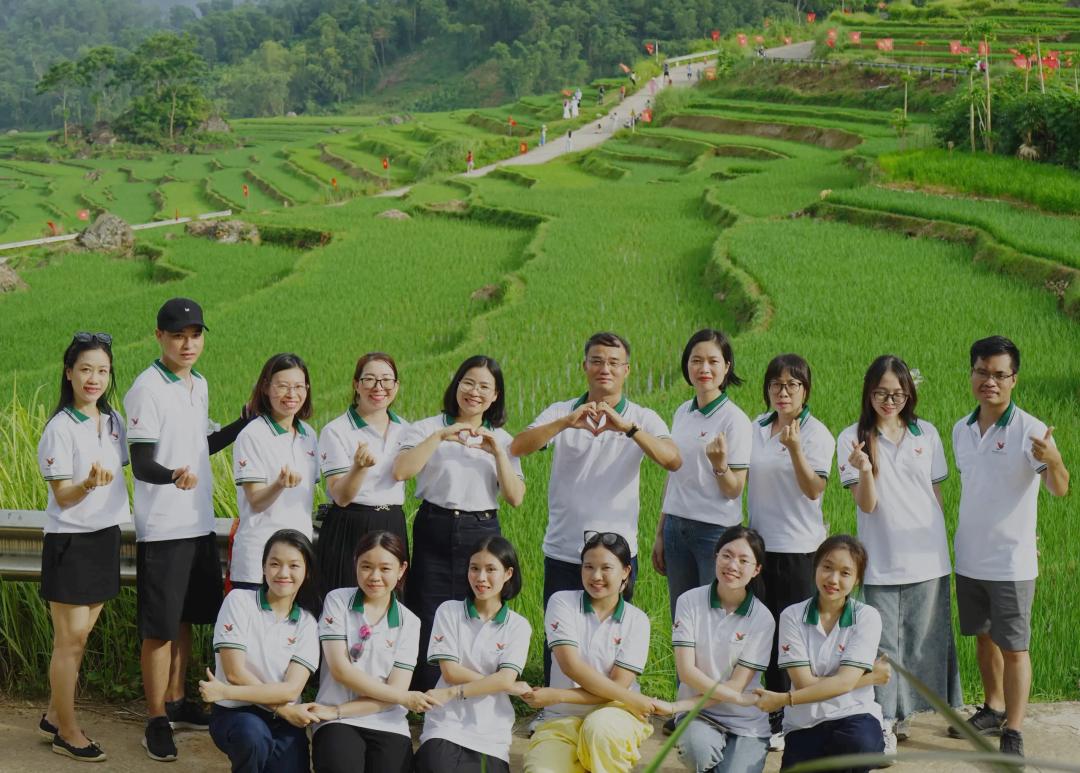
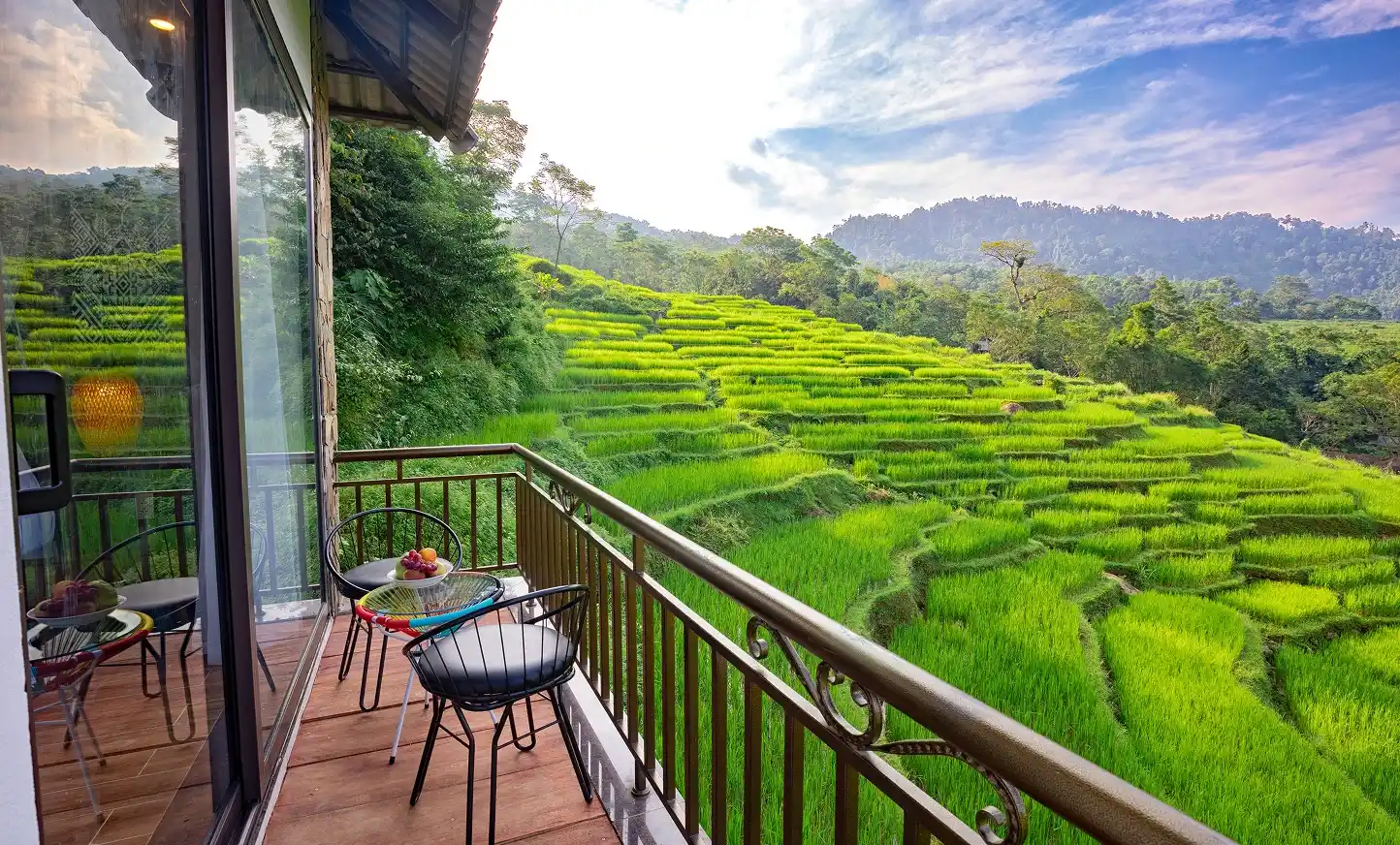
In the Heart of the Golden Rice Fields
2. Mini-tours
Mini-tours are perfect for travellers with limited time or those wishing to explore a particular region in greater depth. In just a few days, it is possible to enjoy a cultural break between Hue and Hoi An, or to discover a capital city in a different way.
Bai Tu Long Bay
3. Historical and memorial tour
To better understand Vietnamese history, certain itineraries highlight the major chapters of the country’s past. Hanoi, Hue and its imperial heritage, Dien Bien Phu, the Cu Chi tunnels and colonial remains allow travellers to explore the memory of a Vietnam shaped by dynasties, foreign influences and the conflicts of the 20th century.
Return to Indochina
4. Wellness
Vietnam naturally lends itself to stays focused on relaxation and rejuvenation. Peaceful seaside resorts, retreats in the heart of rice fields, traditional massages and herbal medicinal baths offer beautiful moments of rest. Phu Quoc, Con Dao, Ninh Binh and Pu Luong are among the most appreciated destinations for this type of escape.
5. Discovery and immersion
For travellers seeking authenticity, immersion tours allow them to discover Vietnam as close as possible to daily life. Homestays, shared meals, local markets, encounters with ethnic minorities and cycling through the countryside offer a more human approach to the country, especially in Northern Vietnam, Mai Chau, Pu Luong and the Mekong Delta.
6. Respect for animal welfare
Vietnam also attracts travellers who are sensitive to more responsible tourism, favouring experiences that respect wildlife. Birdwatching in Tram Chim National Park, discovering nature reserves or nature-focused stays allow visitors to travel differently, away from activities involving animal exploitation.
7. Trekking and adventure
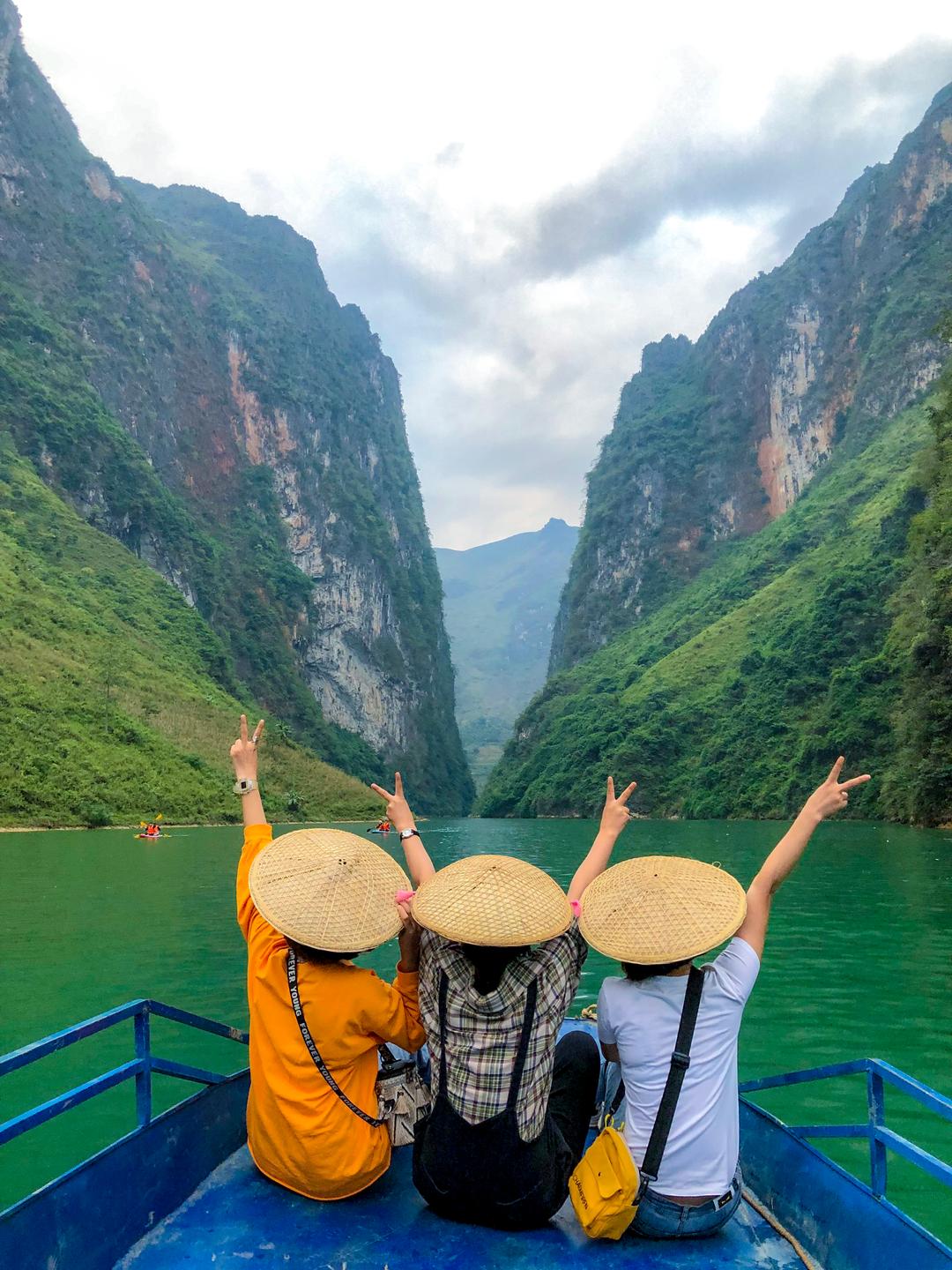
Adventure lovers will find in Vietnam a wonderful land of exploration. Treks through the terraced rice fields of Sapa, the spectacular roads of Ha Giang, hikes in Pu Luong and cave exploration in Phong Nha offer experiences rich in sensations and grandiose landscapes.
8. Craft villages
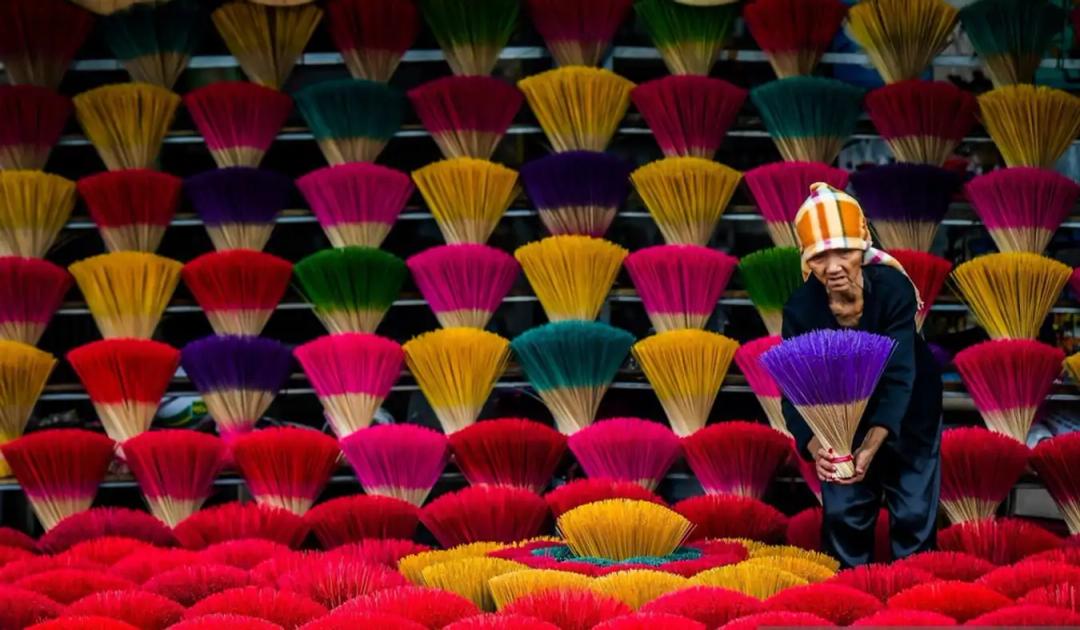
Travel can also become an immersion into Vietnamese know-how. Around Hanoi, the villages of Bat Trang for ceramics, Van Phuc for silk and Quang Phu Cau for incense reveal living craft traditions, combining ancestral gestures and cultural heritage.
9. Honeymoon
Vietnam attracts many honeymooning couples thanks to its balance between romance, refinement and a complete change of scenery. A cruise in Lan Ha Bay, a seaside stay in Phu Quoc or Con Dao, a lantern-lit dinner in Hoi An and charming hotels create an ideal setting for a romantic escape.
III. Preparing your trip to Vietnam with peace of mind
1. The best periods to travel to Vietnam
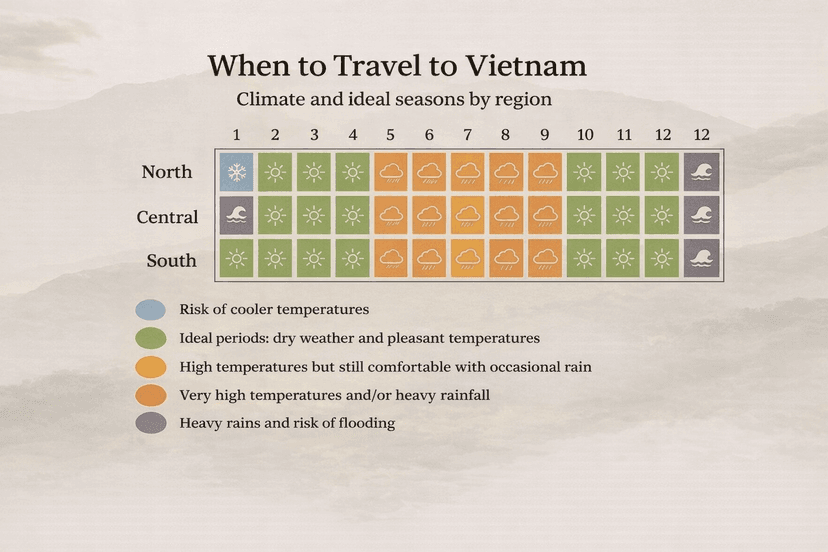
The best time to travel to Vietnam depends on the regions visited, as the climate varies greatly from north to south. In the north, especially Hanoi, Ninh Binh, Sapa, Ha Giang and Halong Bay, the months from October to April are often the most pleasant, with milder temperatures and a brighter atmosphere. September and October are also highly appreciated for admiring the golden terraced rice fields in the mountains.
In Central Vietnam, around Hue, Danang and Hoi An, the ideal period generally runs from February to August. From September to November, rainfall can be heavier. In the south, around Saigon, the Mekong Delta and Phu Quoc, the dry season, from November to April, is the most favourable, while the rainy season mainly brings short but intense showers.
For a complete journey from north to south, March, April, October and November often offer a good balance between pleasant weather and diverse landscapes. The choice of period may also be influenced by major Vietnamese festivals. Tet Nguyen Dan, the Vietnamese New Year celebrated between late January and mid-February, is the most important time of the year, marked by family gatherings, pagodas, flower markets and red envelopes. The Mid-Autumn Festival, with its lanterns and lion dances, Vesak, National Day on September 2 and the Hoi An Lantern Festival during the full moon also offer beautiful cultural immersions. During these periods, it is advisable to book transport and accommodation in advance, especially around Tet.
Good to know: When to travel to Vietnam: the most beautiful moments of the year
2. Entry formalities for Vietnam
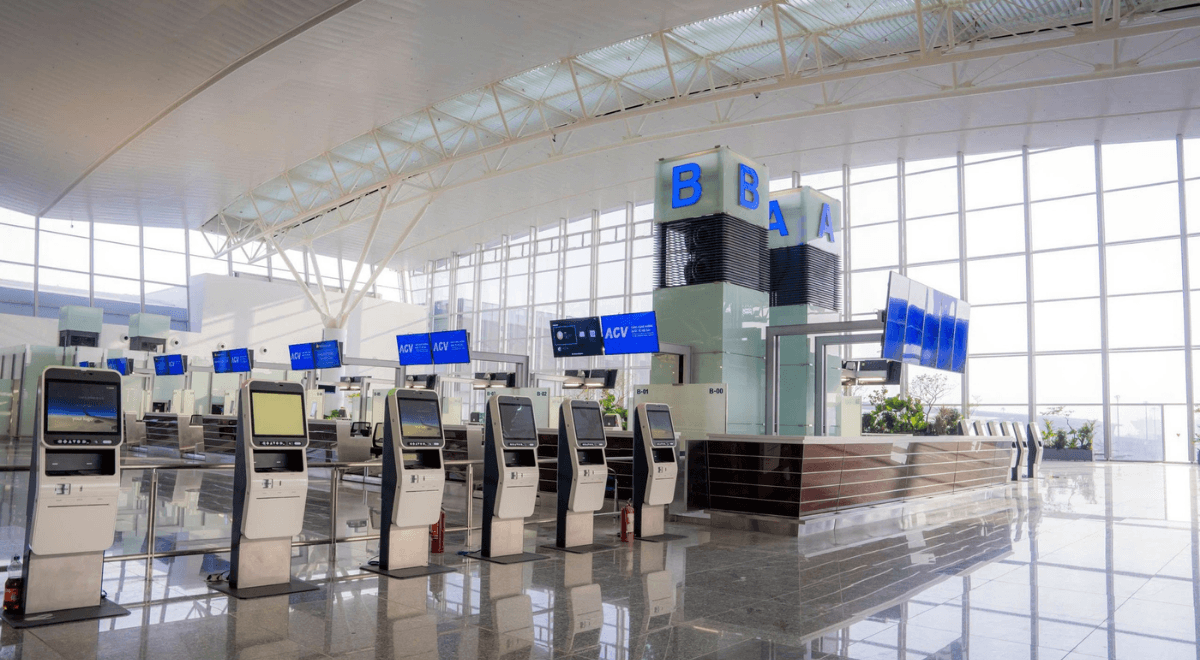
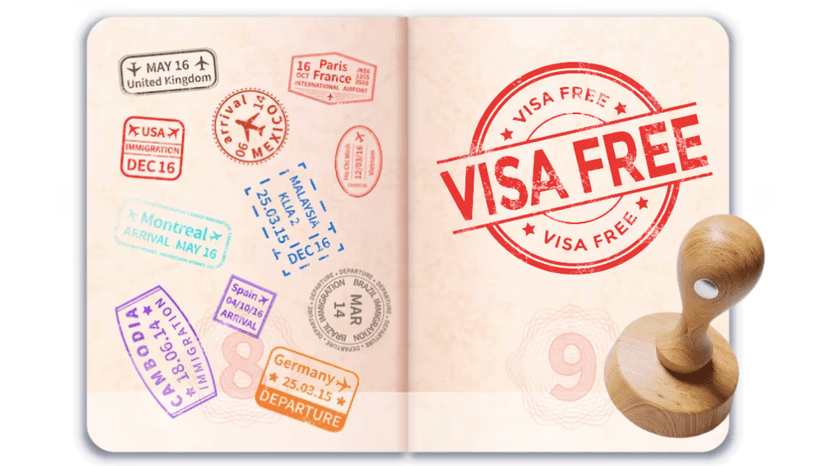
Before any departure, it is important to check the entry formalities in force, as conditions may change depending on nationality, length of stay and current administrative decisions. For French travellers, Vietnam generally offers several options, including visa exemption for certain short stays or an e-visa for longer trips.
The passport must be in good condition and valid for several months after the date of entry into the country. It is also recommended to keep a digital copy of important documents, including passport, visa, flight tickets and travel insurance.
The e-visa is now one of the most practical solutions for preparing a trip to Vietnam. The application is completed online and helps avoid more complex procedures upon arrival. As a precaution, it is preferable to complete this formality several weeks before departure, in order to travel with peace of mind.
Good to know: New entry procedure for Vietnam from April 15, 2026
3. Health and precautions to take
Travelling to Vietnam does not present any particular difficulty for well-prepared visitors. However, it is advisable to consult a doctor or vaccination centre before departure, especially if the itinerary includes rural or mountainous areas, or a long stay.
Routine vaccines should be up to date, especially those recommended for any trip abroad. Depending on the areas visited, precautions against mosquitoes may be necessary. An effective repellent, light covering clothing and a small travel first-aid kit are always useful.
Tap water is not recommended for drinking. It is better to drink filtered water, sealed bottled water or use a suitable reusable bottle. More and more agencies and hotels are encouraging travellers to reduce plastic bottles by offering more responsible refill solutions.

4. Currency and payments in Vietnam
The official currency of Vietnam is the Vietnamese dong (VND), used throughout the country, from major cities to more rural regions. For French travellers, it is advisable to bring euros in cash, which can easily be exchanged locally in banks, exchange offices or certain recognised jewellery shops, often known for offering attractive rates.
ATMs are widely available in major cities such as Hanoi, Saigon, Danang and Hoi An, as well as in main tourist areas. They allow travellers to withdraw local currency easily, although bank fees may apply depending on your bank. It is still preferable to inform your bank before departure to avoid any card blockage abroad.
Bank cards are now increasingly accepted, especially in hotels, restaurants, shops and high-end establishments in big cities. However, in markets, small local eateries, street food stalls or certain remote areas, cash payment remains widely preferred.
It is therefore recommended to always carry some cash for small daily expenses: coffees, snacks, tips, local taxis or small purchases. Finally, although Vietnam remains a generally affordable destination, it is useful to keep in mind that prices displayed in dong may seem impressive at first sight, simply because of the large number of zeros.
5. Culture and etiquette
Understanding a few cultural codes allows travellers to journey with greater respect and ease. In temples and pagodas, it is preferable to wear appropriate clothing covering shoulders and knees. Calmness and discretion are appreciated, especially in religious places.
In ethnic villages, it is important to ask permission before photographing local inhabitants. Encounters should remain natural and respectful, without turning people into simple photo subjects. French travellers often appreciate these exchanges when they are well accompanied by a local guide able to create a genuine connection.
Tipping is not compulsory everywhere, but it is appreciated in the tourism sector. Guides, drivers, porters, rowers and boat crews are sensitive to it, as it represents recognition of the service provided. It is preferable to prepare a suitable envelope at the end of the service.
6. The ideal suitcase for a trip to Vietnam
The ideal suitcase depends on the season and itinerary. For a classic trip, it is important to bring light, breathable and comfortable clothing, as well as good walking shoes. Even if the trip does not include difficult trekking, temple visits, village walks and city strolls require suitable footwear.
In the north, between November and February, temperatures can be cool, especially in the mountains. A jacket, sweater or windbreaker is then useful. During the wet season, a light raincoat or poncho can be practical. For seaside regions or cruises, a swimsuit, hat and sun protection are essential.
It is also advisable to bring a small personal pharmacy kit, a universal adapter, a power bank, a copy of travel documents and possibly a reusable water bottle. Travelling light remains preferable, as transfers are easier and laundry services are easy to find.
7. Choosing between independent travel and a tailor-made trip
Vietnam can be discovered independently, especially by travellers used to organising their own trips. However, the diversity of the country, long distances, the language barrier in certain regions and the logistical complexity of some itineraries can quickly make planning more demanding.
Using a French-speaking local agency often allows travellers to enjoy greater peace of mind while saving valuable time. French-speaking guides, private drivers, a selection of reliable addresses, seasonally adapted advice and more authentic experiences offer valuable comfort, particularly for a first trip or a tailor-made stay.
For many French travellers, this support not only simplifies the organisation but also provides access to a deeper, more human Vietnam, sometimes less visible to independent travellers.
Let Vietnam reveal its most beautiful emotions to you
Travelling to Vietnam means discovering a country that is at once vibrant, delicate and deeply human. Behind the famous landscapes lie scenes of daily life, inherited gestures, shared meals and encounters that give the journey its full depth.
Preparing your stay well allows you to make the most of this diversity. Choosing the right season, building a balanced itinerary, planning a realistic budget and understanding local customs are all elements that make the experience smoother and more enjoyable.
From the northern mountains to the Mekong Delta, from the alleys of Hanoi to the lanterns of Hoi An, Vietnam offers a journey rich in emotions, flavours and discoveries. It is a destination that never fully reveals itself at first glance, but often leaves a lasting impression on those who take the time to explore it.
Discover Vietnam’s cultural tours with Villages Vietnam
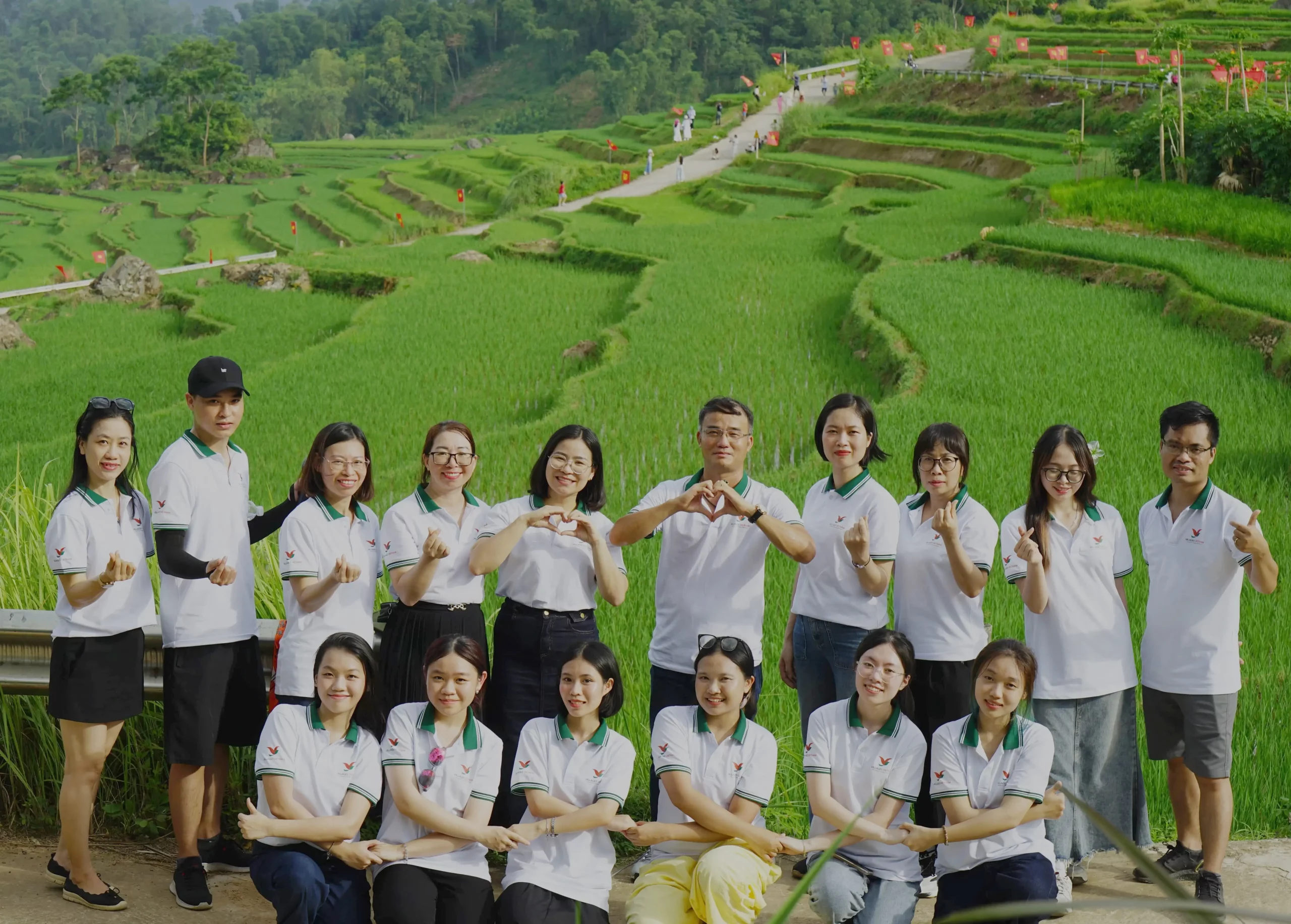
We invite you to experience rare moments:
- Lose yourself in the picturesque landscapes of Vietnam
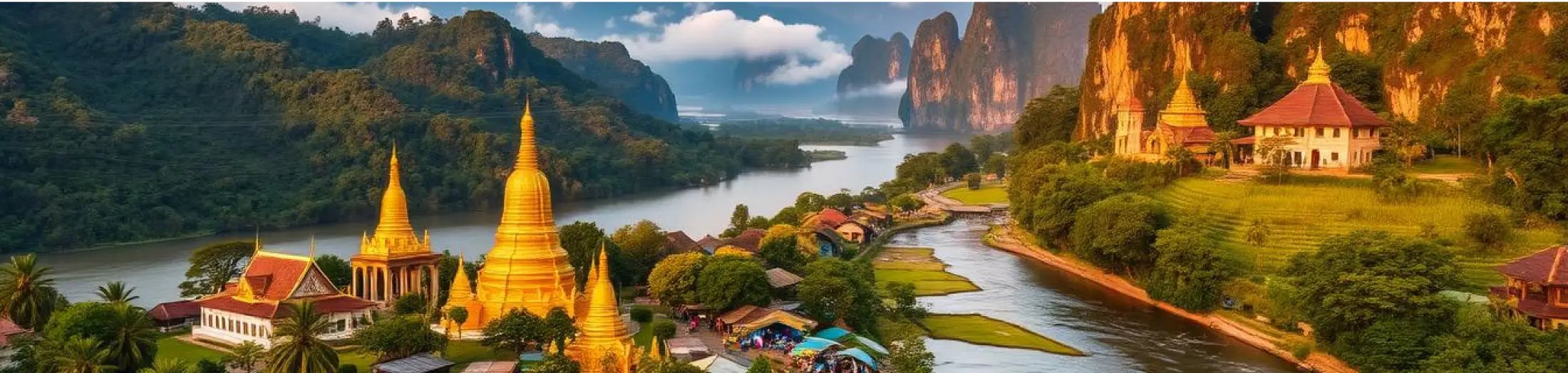
- Follow the peaceful rhythm of the rice fields of Laos
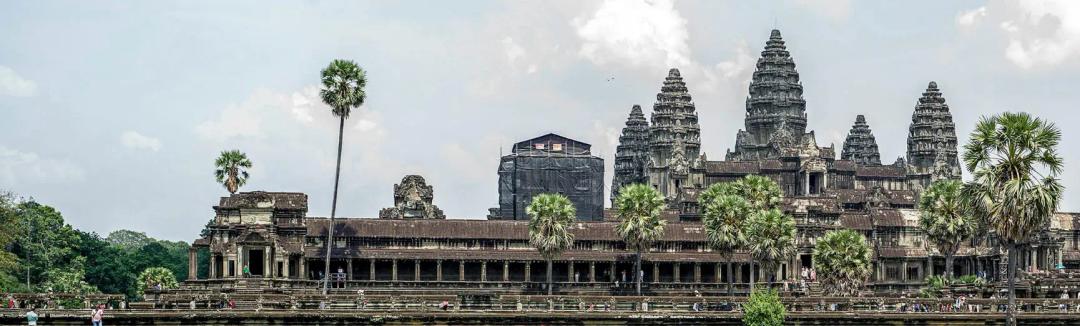
- Walk in silence towards the ancient temples of Cambodia, hidden in the heart of a lush forest
Villages Vietnam is proud to create authentic cultural journeys, carefully and wholeheartedly designed. Our tours highlight the soul of Indochina, its traditions, its gentleness and the warmth of its people.
If you dream of a unique journey, shaped for you, a journey that leaves traces in the heart, our team will be there, attentive and available.
We promise you the most beautiful discoveries: stories to share, emotions to feel and all our knowledge of the lands you will explore.
We are committed to offering you the most beautiful discoveries, sharing with you our secrets, our passion and our deep knowledge of each destination you will explore.
- Our contact: Ms Jade VU
- WhatsApp: +84 0986 527 836
- Email: info@villagesvietnam.com
- Office in Vietnam: 7th floor, 30 Tran Phu Boulevard, Ha Dong District, Hanoi, Vietnam
- Office in France: 726 Chemin de la Croix du Sud, 83200 Toulon, France
- Office in Thailand: Klang Muang Village, Soi Srinakarindra 24, Srinakarindra Road, Suan Luang District, Bangkok 10250, Thailand
Published by:
Villages Vietnam
Publication date:
11/06/2026
Beautiful journeys
Travel guide
Frequently Asked Questions
In general, the best time to visit Vietnam is from November to April. But you can travel all year round. The weather changes a lot from region to region, so when it rains or gets cold in one place, it can be sunny somewhere else.
Internet access is easy and affordable. Most hotels, cafés, and restaurants offer free Wi-Fi. If you want to stay connected all the time on your phone, you can buy a local SIM card. It gives you a stable connection during your trip for a very good price.