
























































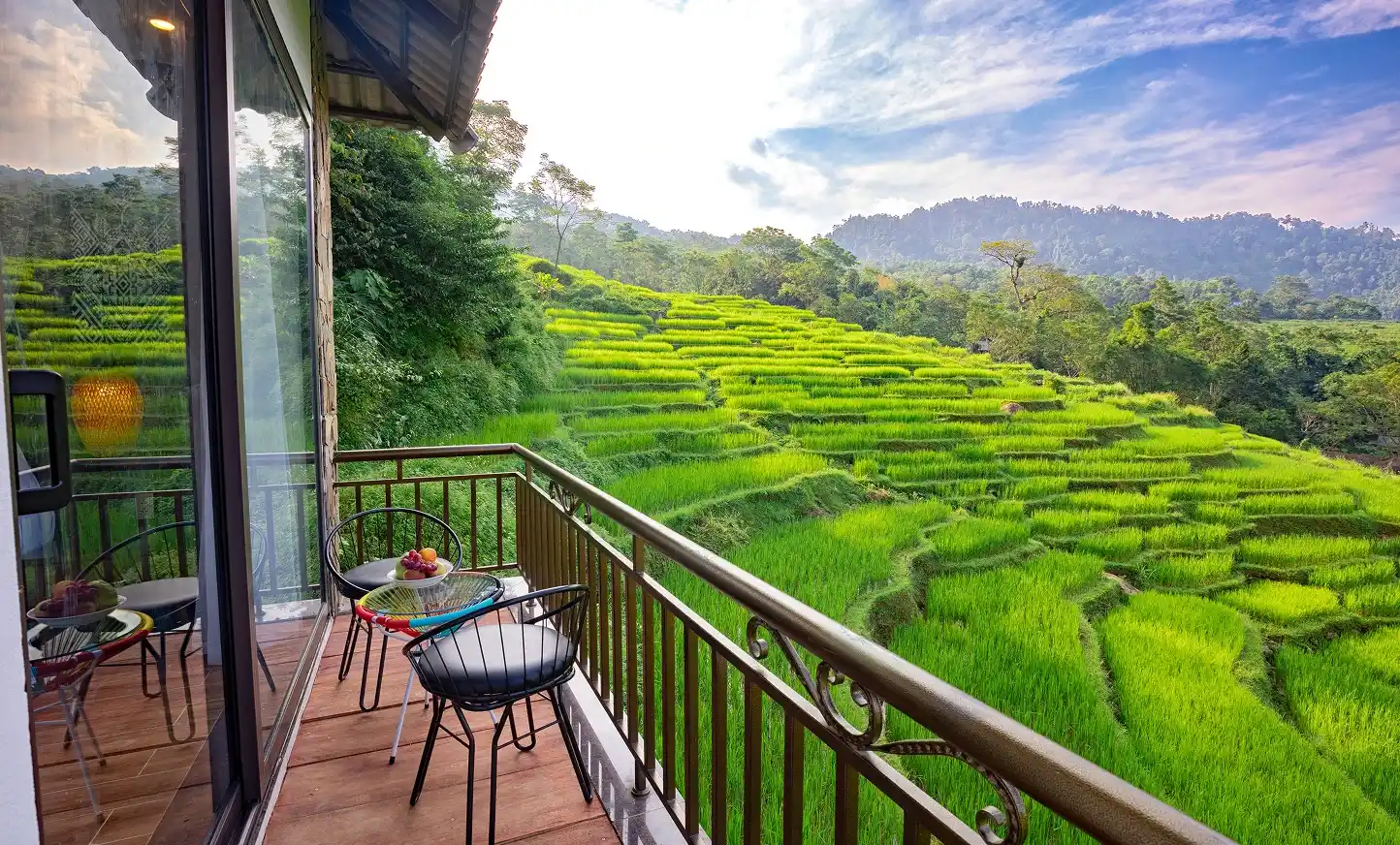

 Iconic place
Duong Lam Ancient Village: A Memory of Northern Vietnam
Duong Lam Ancient Village is one of the finest invitations to slow down near Hanoi. Just about 40 kilometers from the capital, this ancient village offers travelers a rare glimpse into Vietnam: laterite houses, peaceful alleyways, ancient wells, quiet temples, and traditions passed down from one generation to the next.
Visiting Duong Lam is more than exploring a historical site. It is an opportunity to step into the soul of a traditional Vietnamese village, where history, architecture, and everyday life come together in remarkable simplicity.
Duong Lam: The Living Memory of Rural Northern Vietnam
Located in Son Tay, west of Hanoi, Duong Lam Ancient Village is widely regarded as one of the best-preserved traditional villages in Northern Vietnam. With a history spanning more than a thousand years, it still retains many of the defining features of an ancient Red River Delta village, including village gates, banyan trees, communal houses, wells, temples, pagodas, inner courtyards, and traditional laterite houses.
The charm of Duong Lam lies above all in its atmosphere. At first glance, nothing appears particularly spectacular. Yet every detail tells a story: a stone-paved alley, an old laterite wall, a moss-covered gate, a courtyard where local produce dries under the sun, or an ancestral house where a family continues to live just as their forebears did centuries ago.
The village has preserved numerous traces of the Tran and Le dynasties, reflected in its architecture, places of worship, and enduring traditions. It is also known as the “Land of Two Kings” because it is closely associated with two of Vietnam’s most celebrated historical figures: Phung Hung and Ngo Quyen.
For travelers wishing to discover Vietnam beyond its iconic landscapes, Duong Lam is a truly rewarding destination. Here, visitors encounter a living heritage that is humble, authentic, and profoundly human.
A Northern Vietnamese Village Shaped by Stone, Earth, and Memory
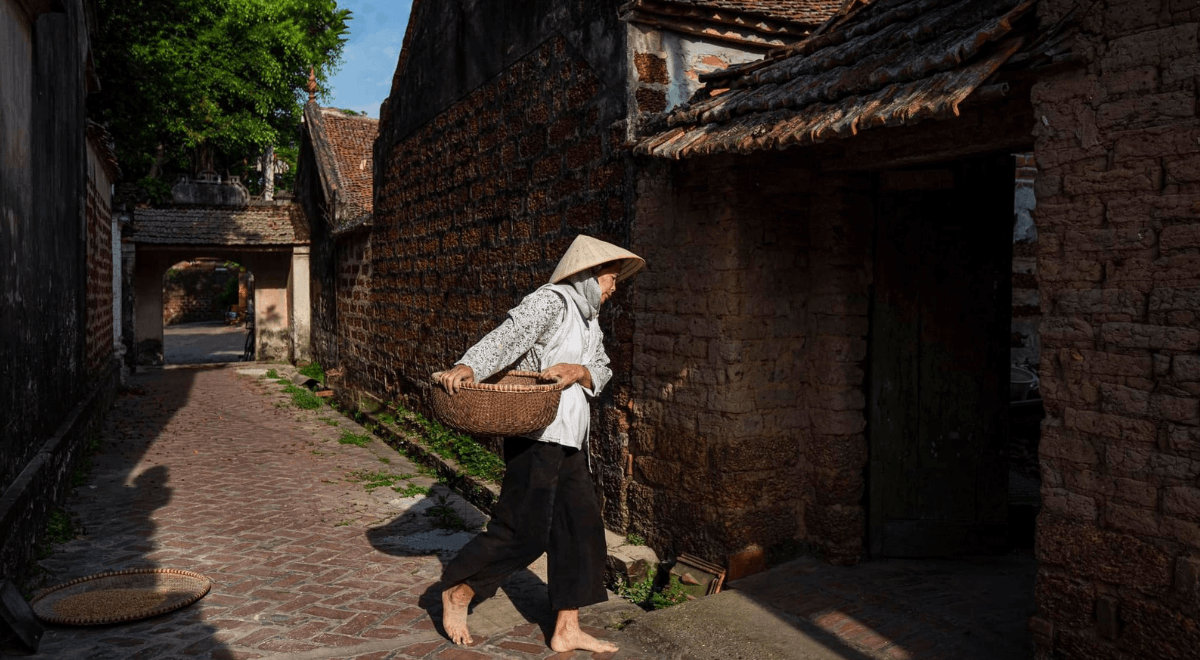
One of Duong Lam’s most distinctive features is its use of laterite stone. Locally quarried, this reddish-brown stone gives the village its unmistakable appearance. It can be seen in walls, gateways, traditional houses, and many architectural elements throughout the village.
Duong Lam’s lanes are relatively wide, sometimes winding, and almost always peaceful. They weave between the houses like pathways through history. On either side, laterite and old brick walls shelter family courtyards. Visitors pass through the main village gate, then smaller hamlet gates, and sometimes even traditional house gates. This succession of entrances creates a growing sense of intimacy as you venture deeper into the village.
In Duong Lam, architecture is not merely decorative—it reflects a way of life. Houses are built around central courtyards, where trees, ceramic jars, wooden benches, and family memories naturally find their place. Timber frames, ancestral altars, clay roof tiles, and thick laterite walls together create a simple yet welcoming environment that feels deeply Vietnamese.
What to See in Duong Lam
Mong Phu Village Gate
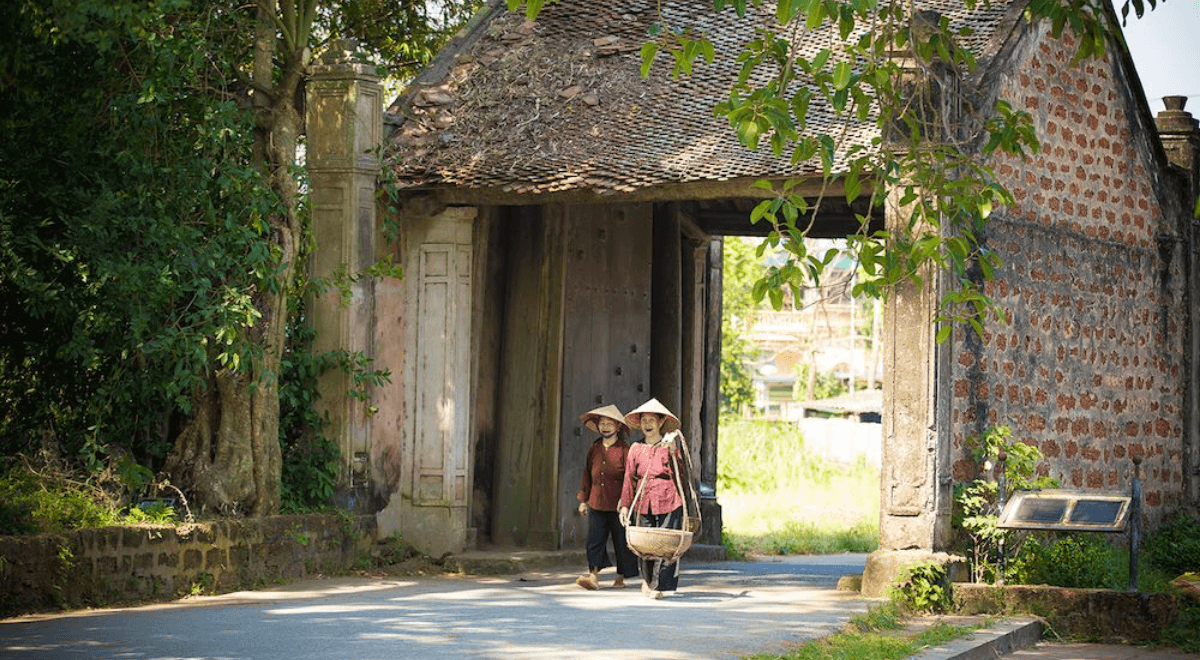
Before reaching the heart of the village, visitors pass through the historic Mong Phu Gate. Built in 1833, it is one of Duong Lam’s best-known landmarks. With its elegant arched structure, traditional materials, and understated design, it marks the entrance to a world where life moves at a gentler pace.
Beside the gate stands a centuries-old banyan tree whose broad canopy has sheltered generations of villagers. In Vietnamese culture, the banyan tree, the village well, and the communal house together symbolize the essence of a traditional village. In Duong Lam, this iconic image comes vividly to life.
The setting is wonderfully peaceful. Many visitors pause here for a few moments before continuing their exploration. For many, this is where the journey truly begins.
Mong Phu Communal House
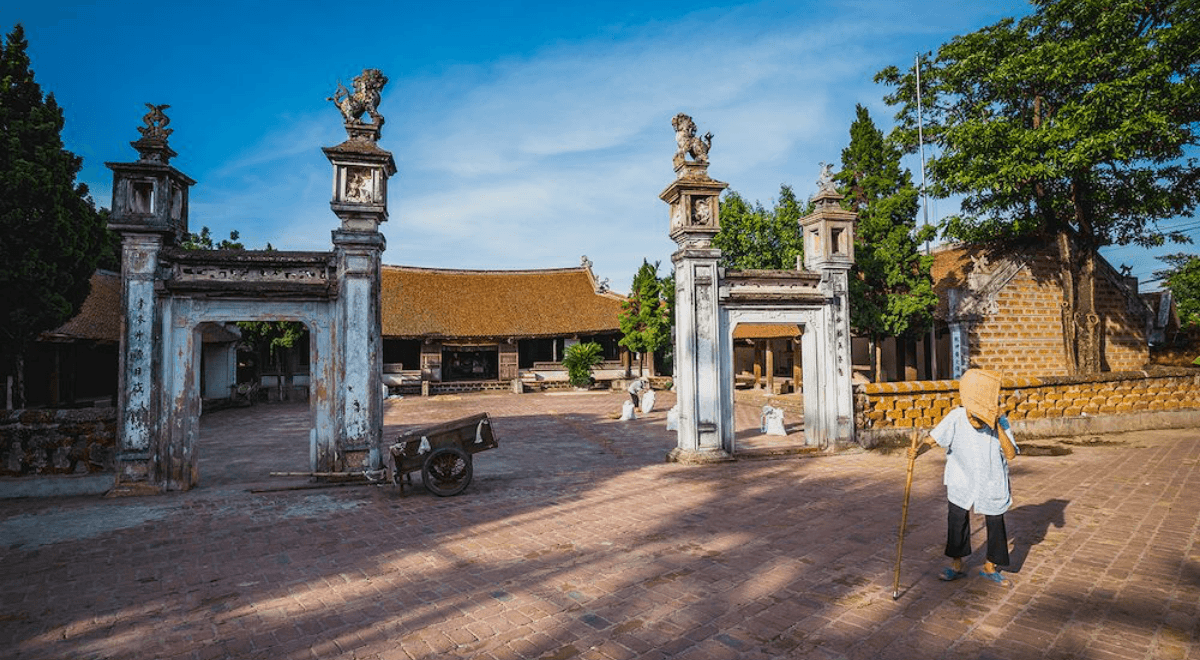
Mong Phu Communal House is one of the most significant landmarks in the village. Built in 1533, it has witnessed nearly five centuries of history. In the past, it served as the religious, social, and administrative center of the local community.
In Vietnamese culture, a communal house is much more than a public building. It is the heart of the village, where the guardian deity, ancestors, and local heroes are honored. It is also the venue for traditional festivals, village meetings, and important ceremonies.
At Mong Phu, the wooden architecture, gracefully curved roofs, intricate carvings, and spacious open courtyard create a sense of quiet grandeur. Yet its elegance remains closely connected to the land and to the everyday lives of generations of villagers.
The Ancient Wells of Duong Lam
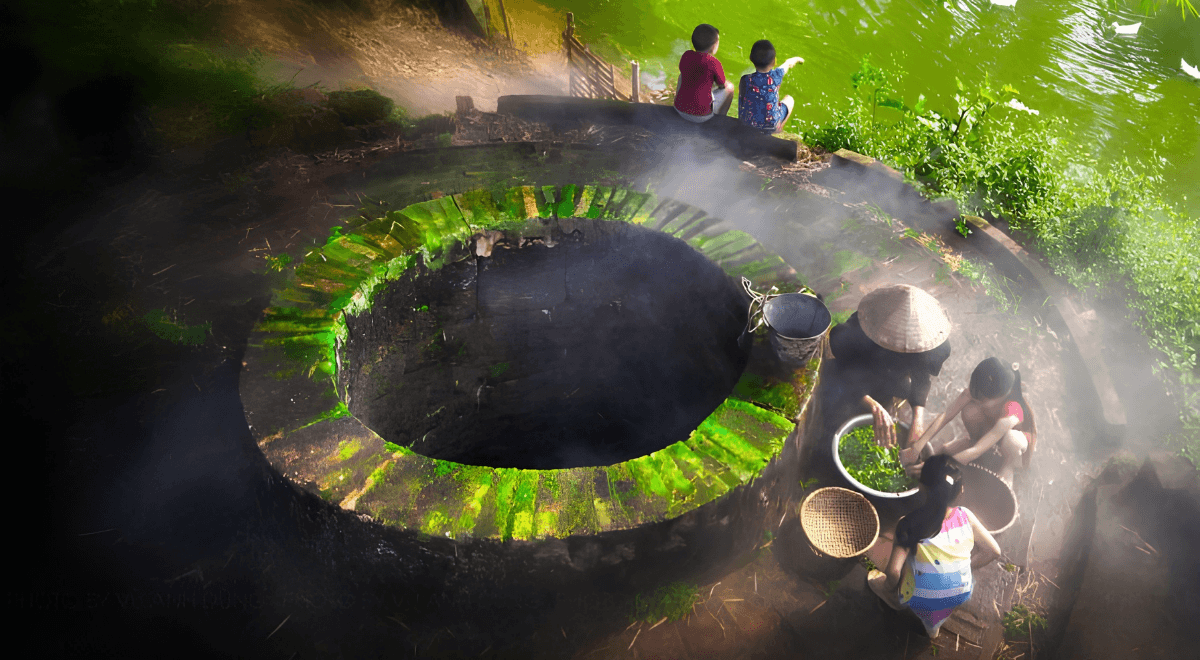
Like many traditional villages in Northern Vietnam, wells have always played an essential role in Duong Lam. They were once gathering places where villagers fetched water, exchanged news, and shared everyday moments together.
Several of these ancient wells can still be seen throughout the village today. Some are hundreds of years old, yet their stone structures remain remarkably well preserved. Their clear water, weathered stones, and quiet presence reflect the enduring rhythm of rural life.
To visitors, these wells may appear modest, but they reveal much about the Vietnamese relationship with community, water, and the collective memory of a place.
Mr. Hung’s Ancient House
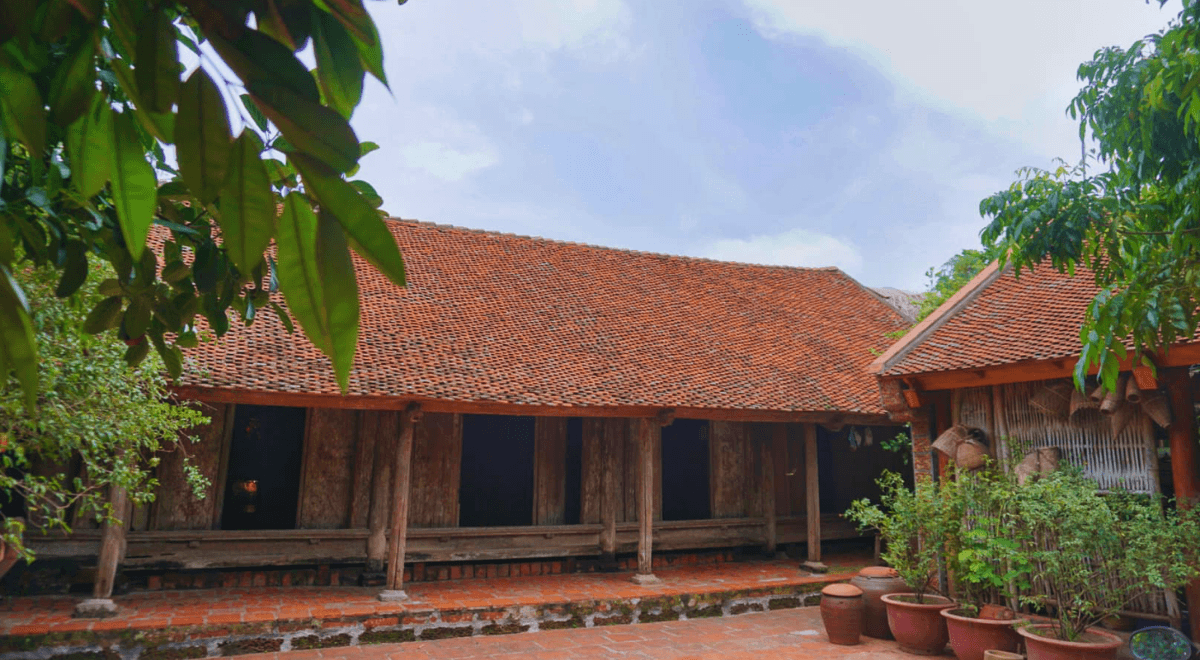
Mr. Hung’s Ancient House is one of the finest preserved traditional homes in Duong Lam. Believed to be nearly 400 years old, it has been home to generations of the same family.
From the moment visitors step through the entrance, its timeless charm becomes evident. The old wooden gate, weathered walls, flower-filled courtyard, ceramic jars, mature trees, and everyday household objects create a warm and authentic atmosphere. Unlike a museum, this house is still lived in, giving it a genuine sense of life and continuity.
Inside, visitors can admire the wooden framework, ancestral altar, antique furniture, and countless details of traditional Vietnamese architecture. The visit offers valuable insight into how families lived in the past while showing how many customs continue to be preserved today.
For many travelers, this house provides one of the most memorable moments of their visit to Duong Lam.
Ngo Quyen Temple and Mausoleum
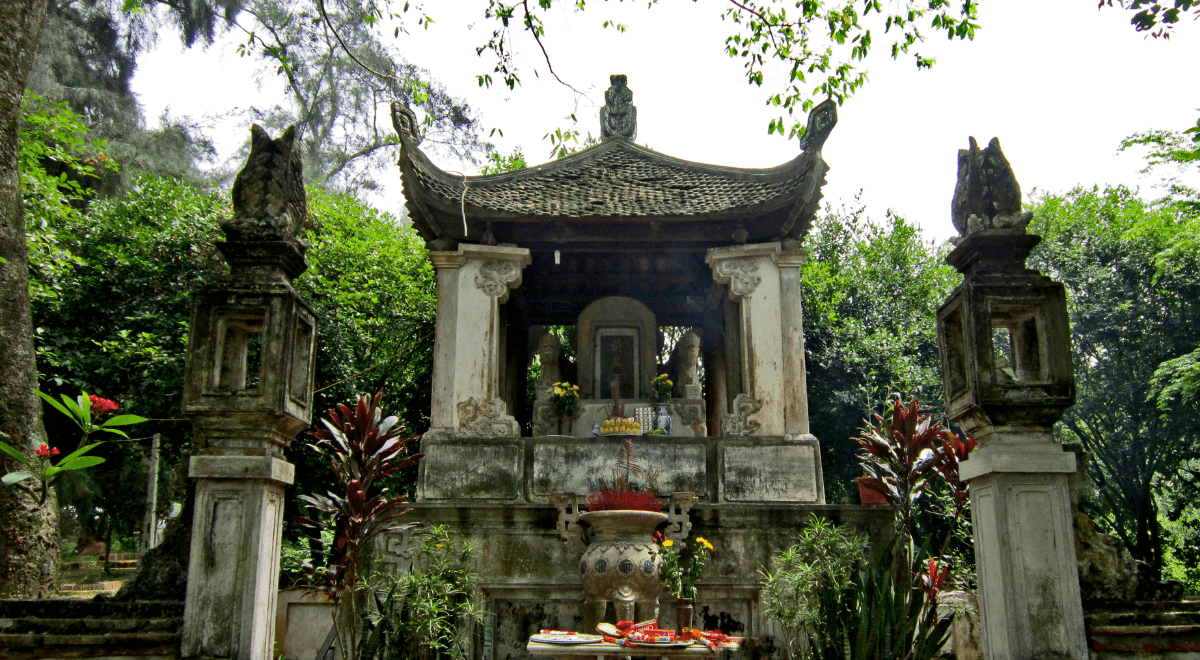
Duong Lam is closely connected to the legacy of King Ngo Quyen, one of Vietnam’s greatest national heroes. Best known for his decisive victory over the Southern Han army on the Bach Dang River in 938, Ngo Quyen ushered in a new era of Vietnamese independence.
The temple and mausoleum dedicated to him stand on Cam Hill. Although modest in size, the site possesses a peaceful and dignified atmosphere. Surrounded by trees and gardens, it invites visitors to pause and reflect.
For Vietnamese people, this is a place of remembrance and national pride. For international visitors, it offers a meaningful introduction to one of the most important chapters in Vietnam’s history, set within a tranquil natural landscape.
Phung Hung Temple
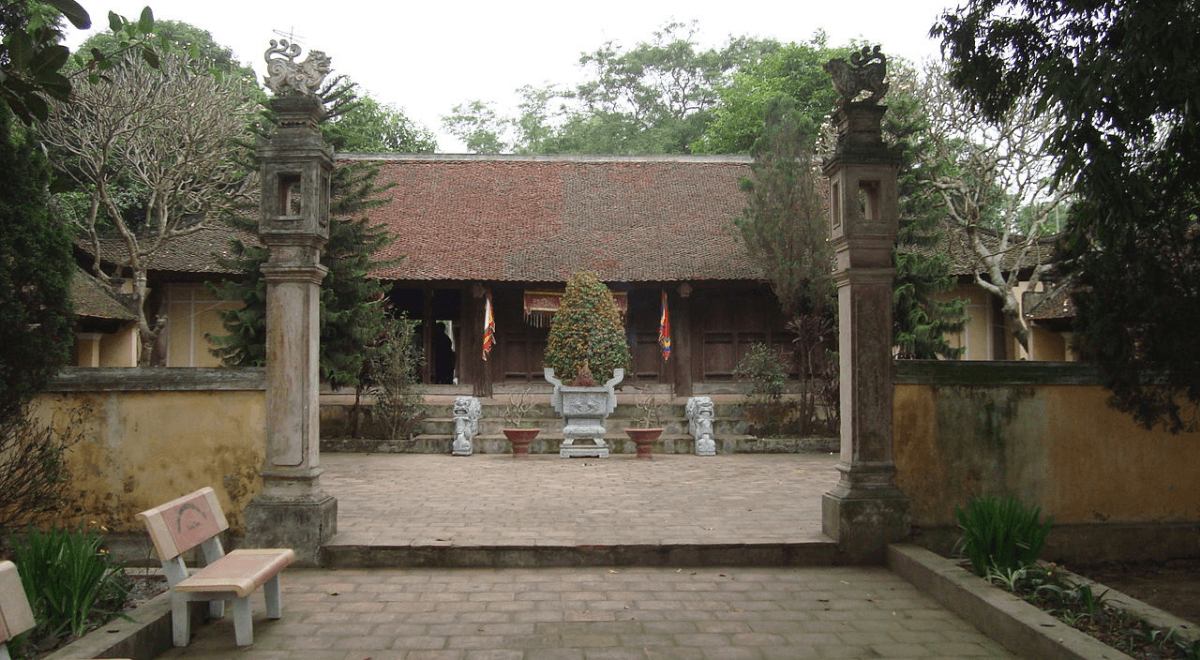
Phung Hung is another prominent historical figure closely associated with Duong Lam. Born in this region, he is celebrated for his courage, strength, and resistance against the domination of the Tang Dynasty.
The temple dedicated to him stands in his native village of Cam Lam. It reflects the deep respect local people continue to hold for a man regarded as both a local hero and a national icon.
Together with the Ngo Quyen Mausoleum, Phung Hung Temple helps explain why Duong Lam is known as the “Land of Two Kings.” Together, these two historic sites add remarkable depth to the village’s cultural and historical identity.
An Immersion into Rural Vietnamese Life
Beyond its historical monuments, Duong Lam captivates visitors through its everyday life. Villagers sit outside their homes, women prepare traditional local products, children play in quiet lanes, and bicycles glide slowly through the peaceful streets.
The village is also renowned for its traditional specialties. Depending on the season, visitors can sample local sweets, tea, rice- and soybean-based delicacies, or even enjoy a simple home-cooked meal in one of the ancient houses. These authentic experiences make the visit even more memorable.
For French and international travelers alike, especially those who appreciate local lifestyles and cultural authenticity, Duong Lam offers a genuine encounter with the peaceful countryside of Northern Vietnam.
Practical Information for Visiting Duong Lam
Location
Duong Lam Ancient Village is located in Son Tay, approximately 44 kilometers west of central Hanoi. Depending on traffic and your chosen mode of transportation, the journey usually takes between one and two hours.
How to Get to Duong Lam
There are several ways to reach Duong Lam from Hanoi.
The bus is the most budget-friendly option. Several routes connect Hanoi’s main bus stations with Son Tay. Although the journey takes a little longer, it offers a chance to travel alongside local residents.
A private car is the most comfortable choice, especially for travelers planning a day trip. It allows greater flexibility, making it easy to stop along the way and explore the village at your own pace.
Independent travelers can also drive or ride a motorbike. The usual route follows Thang Long Avenue or National Highway 32 before reaching Son Tay and the entrance to the village.
How Much Time Should You Allow?
Half a day is enough to visit Duong Lam’s main attractions. However, a full day is highly recommended if you wish to explore at a leisurely pace, visit the ancient houses, wander through the quiet lanes, enjoy lunch with a local family, and interact with the villagers.
Duong Lam can easily be combined with other destinations around Hanoi, but it deserves to be experienced slowly. Its charm reveals itself through unhurried moments.
Why Visit Duong Lam Ancient Village?
Duong Lam Ancient Village is an ideal destination for travelers who want to discover a different side of Vietnam. It is not a place of dramatic landmarks or spectacular scenery. Instead, its beauty lies in its textures, traditions, quiet moments, and living memories.
Here, visitors gain a deeper understanding of what defines a traditional Northern Vietnamese village. They discover the importance of the communal house, the village well, the banyan tree, ancestor worship, family homes, and the local heroes who helped shape the nation’s history. Above all, they experience the peaceful rhythm of rural Vietnam, where time seems to flow more gently.
For first-time visitors to Vietnam, Duong Lam provides valuable insight into the country’s cultural heritage. For those who have already explored Hanoi, it offers a meaningful extension of the journey into a more intimate and authentic world.
Discover Duong Lam with Villages Vietnam
Villages Vietnam invites you to experience Duong Lam through thoughtful and immersive cultural journeys. Our tours emphasize meaningful encounters, local stories, and authentic experiences that reveal the true spirit of Vietnam.
Accompanied by a French-speaking guide, you’ll gain a deeper understanding of the village’s history, the significance of its temples and communal houses, the architecture of its centuries-old homes, and the daily lives of its residents.
Visiting Duong Lam means discovering a quieter, deeper, and deeply moving side of Vietnam—a land of red laterite, ancient gates, peaceful courtyards, and family memories. It is a cultural escape just beyond Hanoi that leaves a lasting impression.
Let Villages Vietnam guide you beyond the horizon
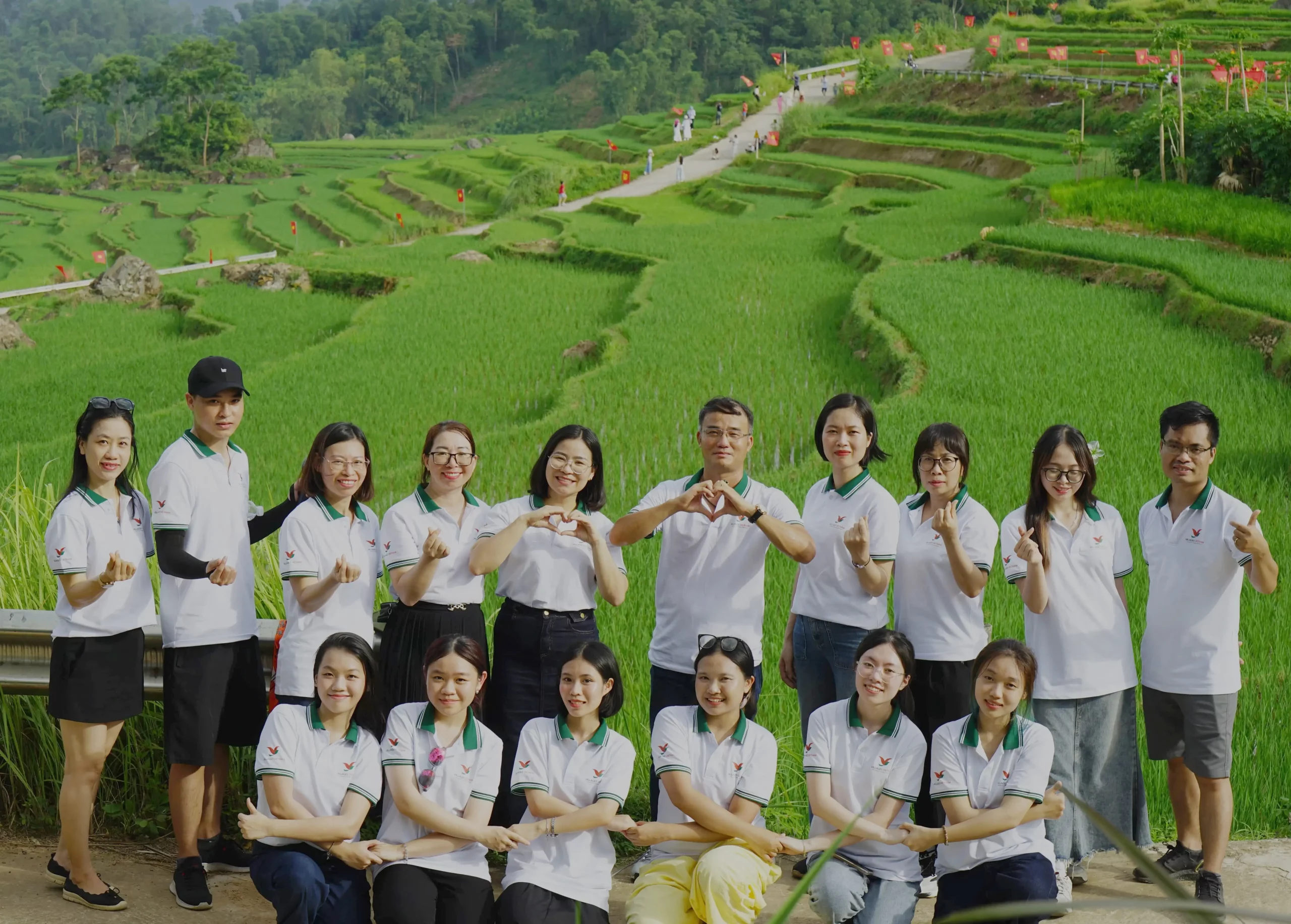
Let Villages Vietnam guide you toward new horizons. Gentle, meaningful, and deeply immersive experiences. Simple yet unforgettable encounters.
We invite you to live rare moments:
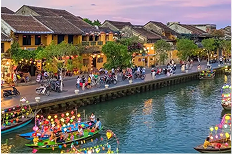
- Lose yourself in the picturesque landscapes of Vietnam
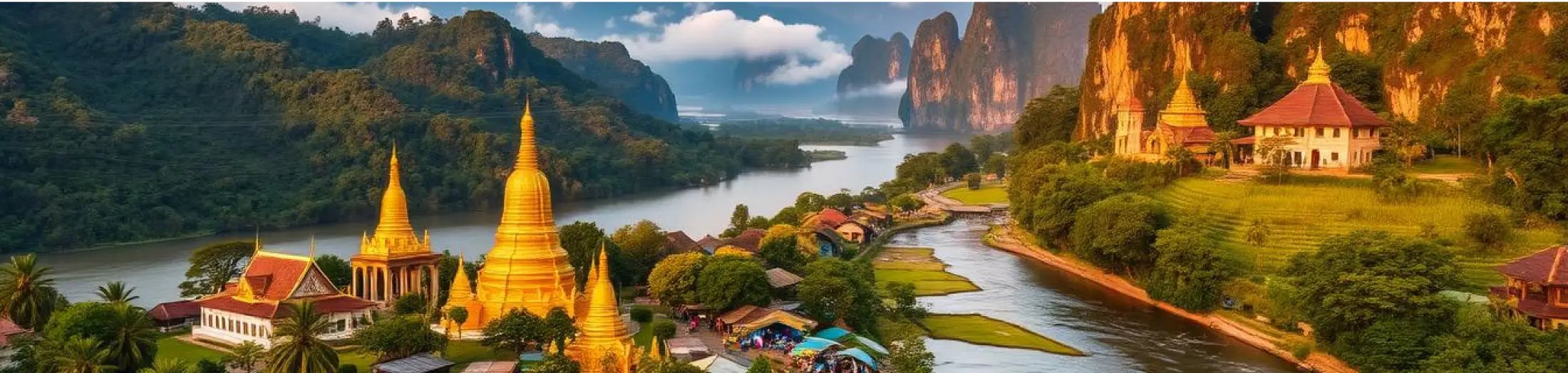
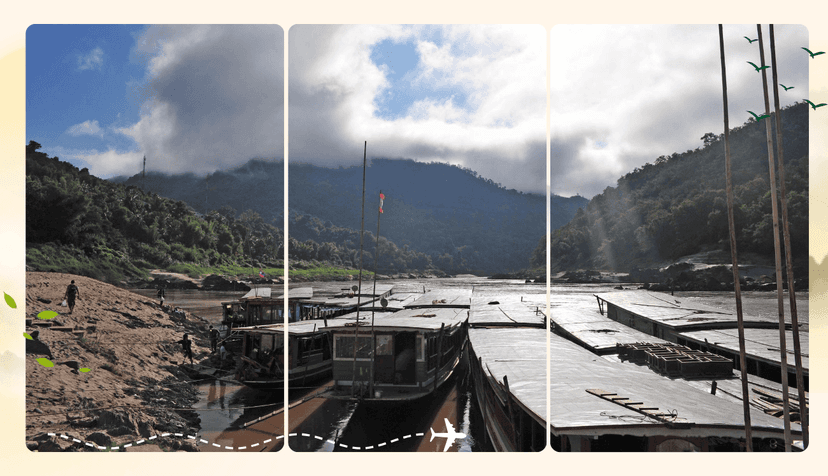
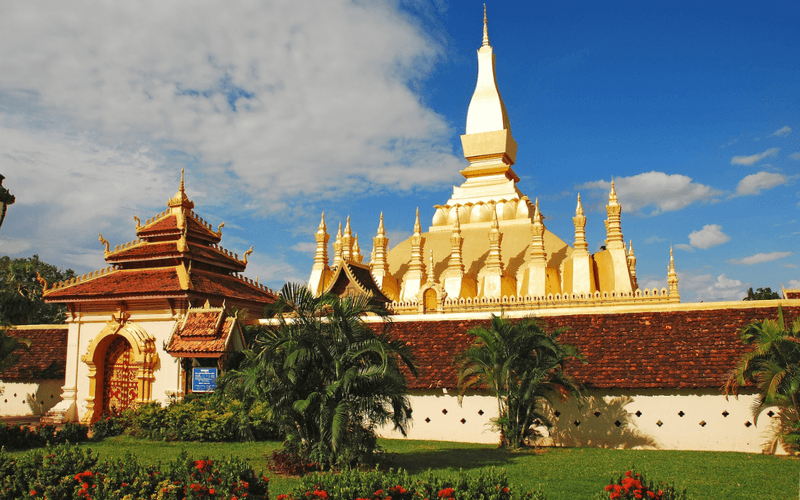
- Follow the peaceful rhythm of the rice fields in Laos
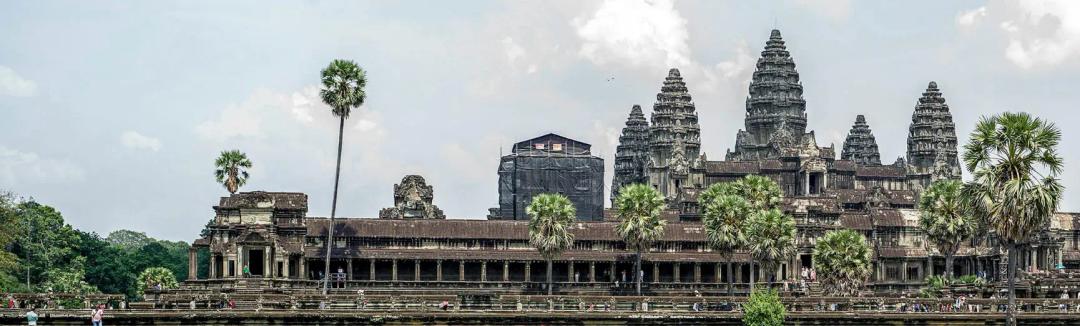
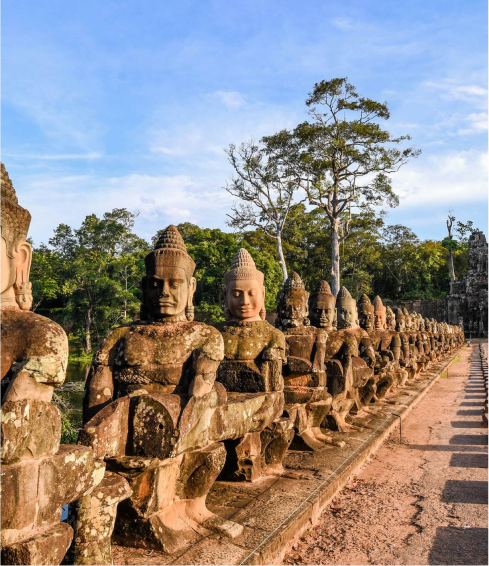
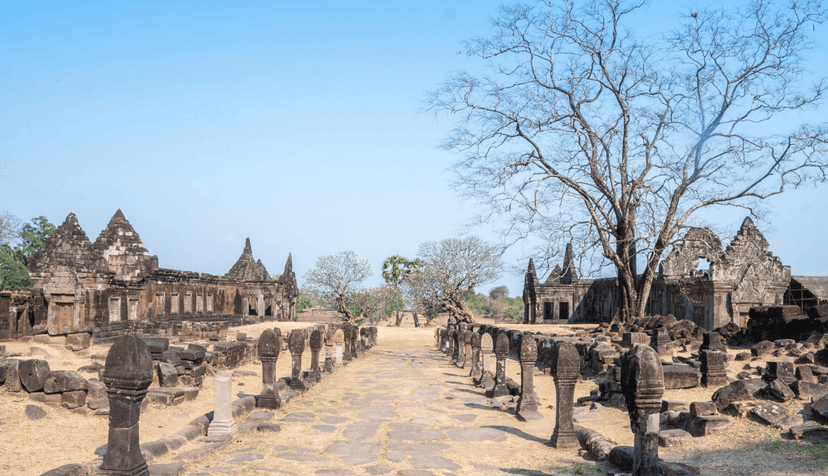
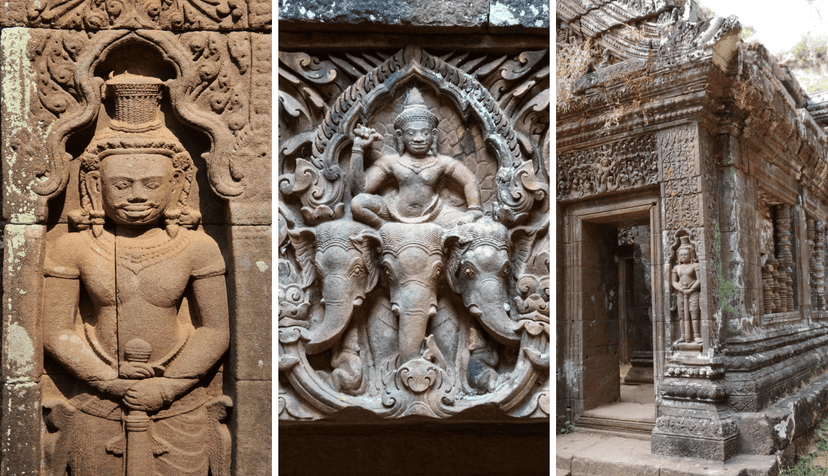
- Walk in silence toward the ancient temples of Cambodia, hidden deep within lush forests
Villages Vietnam proudly creates authentic cultural journeys, crafted with care and heart. Our tours highlight the soul of Indochina — its traditions, gentleness, and the warmth of its people.
If you dream of a unique journey, designed just for you, a journey that leaves a mark on the heart, our team will be there, attentive and available.
We promise you the most beautiful discoveries: stories to share, emotions to feel, and our deep knowledge of the lands you will explore.
- Contact: Ms. Jade VU
- WhatsApp: +84 0986 527 836
- Email: info@villagesvietnam.com
- Office in Vietnam: 7th floor, 30 Tran Phu Boulevard, Ha Dong District, Hanoi, Vietnam
- Office in France: 726 Chemin de la Croix du Sud, 83200 Toulon, France
- Office in Thailand: Klang Muang Village, Soi Srinakarindra 24, Srinakarindra Road, Suan Luang District, Bangkok 10250, Thailand
Published by:
Villages Vietnam
Publication date:
14/07/2026
Beautiful journeys
Travel guide





Frequently Asked Questions
In general, the best time to visit Vietnam is from November to April. But you can travel all year round. The weather changes a lot from region to region, so when it rains or gets cold in one place, it can be sunny somewhere else.
Internet access is easy and affordable. Most hotels, cafés, and restaurants offer free Wi-Fi. If you want to stay connected all the time on your phone, you can buy a local SIM card. It gives you a stable connection during your trip for a very good price.