







































 Iconic place
Co Lung Duck: a Signature Delicacy of Pu Luong
In the mountainous regions of northern Vietnam, gastronomy never seeks to impress through complexity. Instead, it captivates with its sincerity, its deep connection to nature, and the exceptional quality of its ingredients. The Co Lung duck is one of the finest examples of this terroir-based cuisine. Originating from the peaceful valleys of Pu Luong, this rare duck is now regarded as one of the most emblematic specialties of the region. Behind every dish lies a story of landscapes, terraced rice fields, clear waters, and ancestral know-how.
1. The origin and context of Co Lung duck
A duck inseparable from its land
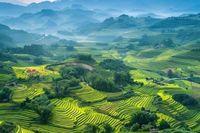
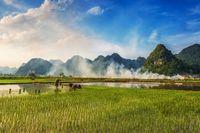
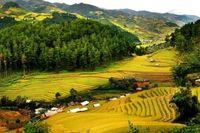
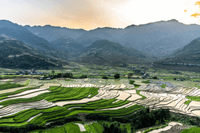
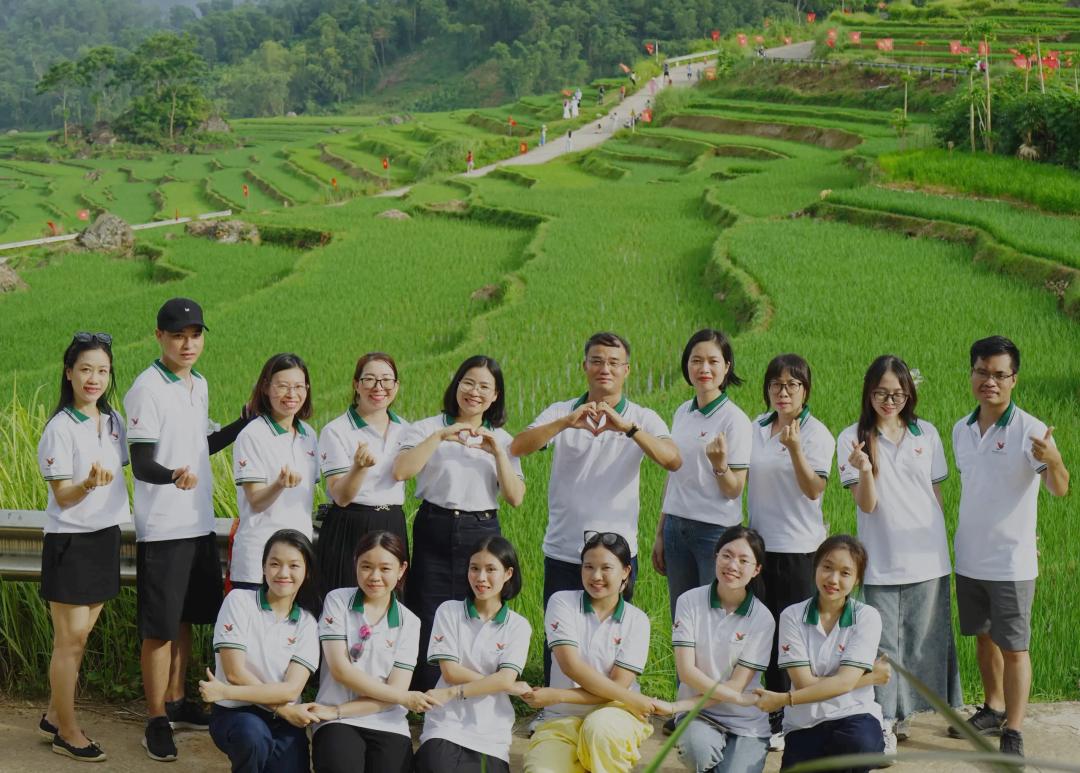
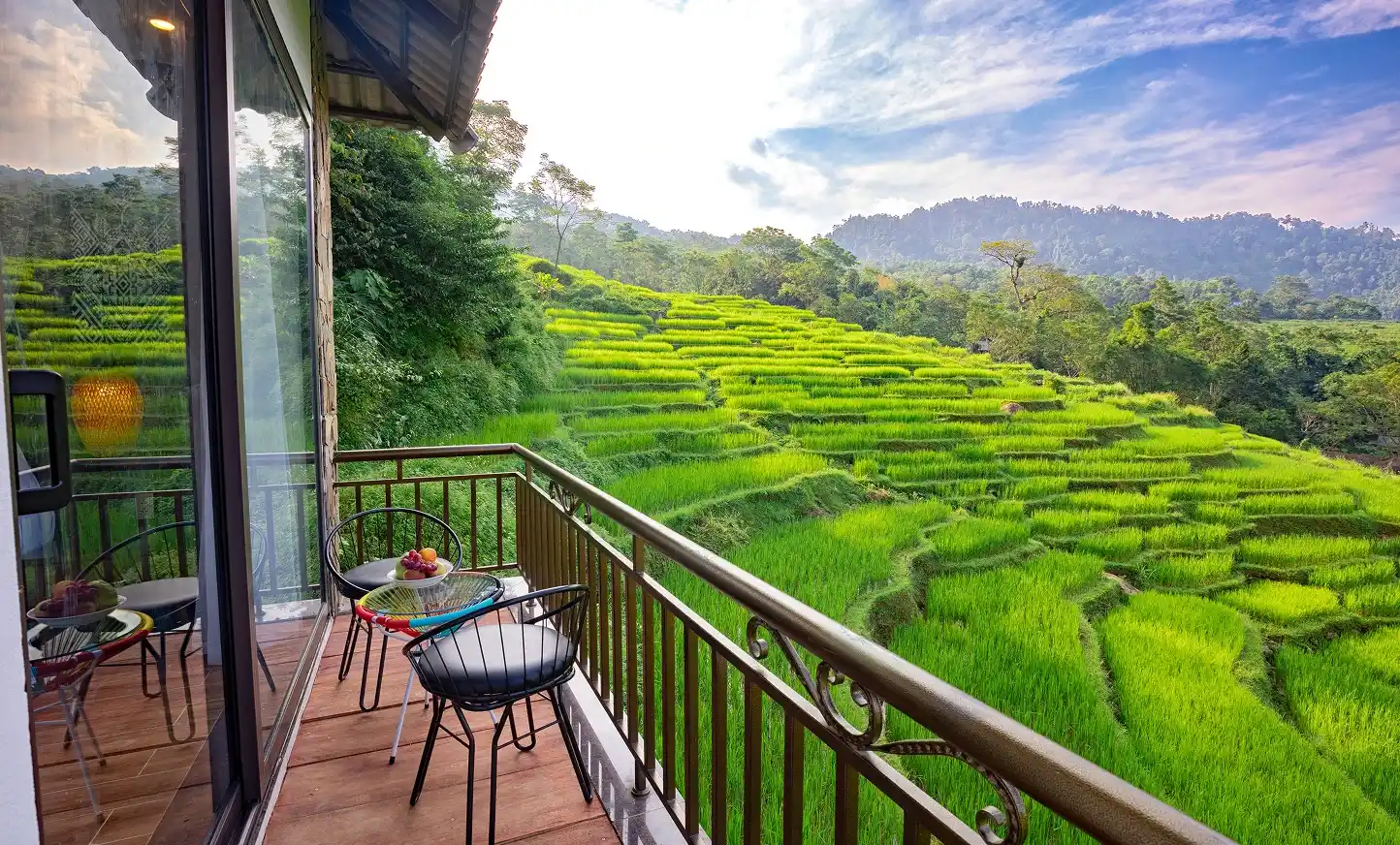
The Co Lung duck takes its name from the village of Co Lung, nestled in a fertile valley at the heart of Pu Luong. This region is characterized by a preserved natural environment, where streams wind through terraced rice fields and tropical forests. It is within this exceptional setting that local inhabitants have long raised their ducks using traditional methods that respect the rhythm of nature.
Unlike intensive farming, ducks here live in semi-freedom. They spend much of the day in water, feeding on post-harvest rice, wild herbs, insects, and small crustaceans. This natural diet, combined with constant physical activity, shapes the unique quality of Co Lung duck.
What makes Co Lung duck different from an ordinary duck?
The difference is noticeable from the very first bite. The flesh of Co Lung duck is firmer yet finer and more aromatic than that of conventionally farmed ducks. Its skin is thin and low in fat, while the meat develops a gentle, slightly sweet flavor without any heaviness.
This distinctive taste is directly linked to its lifestyle and environment. Vietnamese people consider Co Lung duck a true terroir product, comparable to certain characterful cheeses or poultry in France. It is not a common ingredient, but rather a delicacy often reserved for special occasions or honored guests.
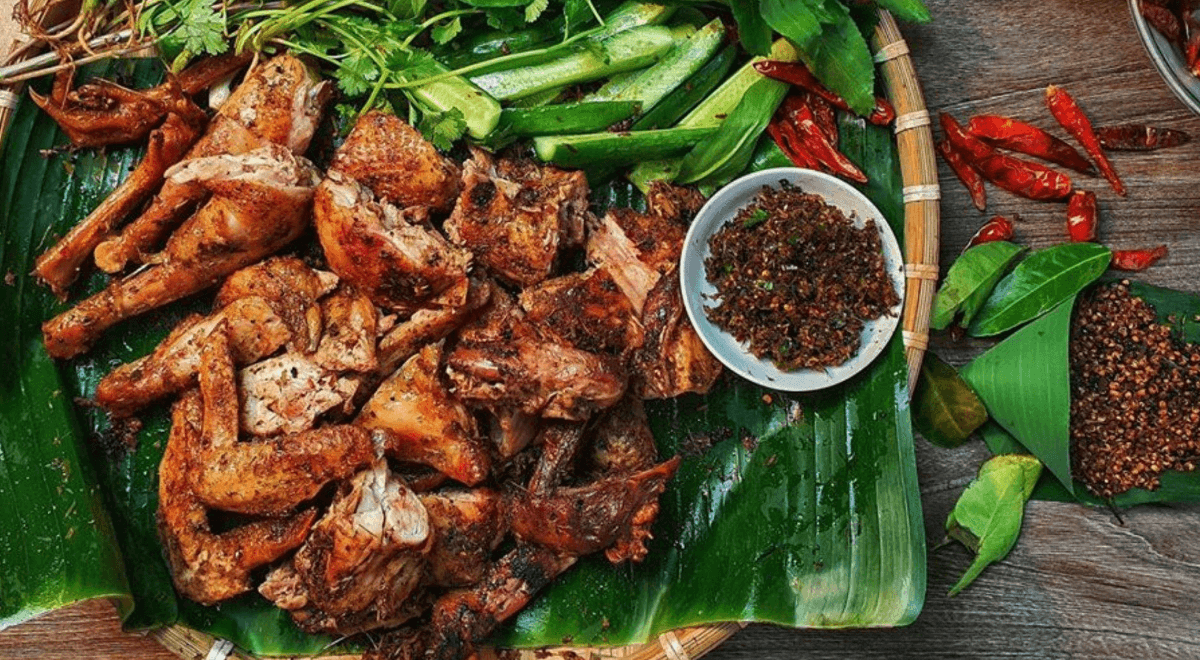
Co Lung duck, a specialty not to be missed
2. Ingredients and preparation of Co Lung duck
An exceptional raw ingredient
The success of a Co Lung duck dish begins with the careful selection of the animal. Locals choose ducks that have reached full maturity, when the flesh is well developed yet still tender. This attention at every stage ensures consistent quality and respect for tradition.
Local cuisine favors simple ingredients designed to accompany the duck without masking its natural flavor. Fresh ginger, lemongrass, garlic, sometimes mountain herbs, and a light fish sauce are commonly used. Seasoning remains deliberately subtle, allowing the meat to fully express itself.
Traditional cooking methods
In Pu Luong, Co Lung duck is prepared in several traditional ways, each highlighting a different facet of its flesh.
The most appreciated method remains boiled duck, served warm with a ginger dipping sauce. This gentle cooking preserves the tenderness of the meat and reveals its delicate aroma. It is often favored by older travelers who appreciate its lightness and easy digestion.
Grilled or roasted duck is also very popular, especially during festive meals. The skin becomes lightly crispy while the inside remains tender and juicy. The flavor is more pronounced yet always balanced.
Finally, Co Lung duck can be prepared as a light soup accompanied by local vegetables. This comforting dish is particularly appreciated after a day of hiking through Pu Luong’s rice terraces and forest trails.
3. Co Lung duck in local culture
A dish of sharing and hospitality
In the villages of Pu Luong, Co Lung duck is rarely eaten alone. It is almost always shared, placed at the center of the family table. The meal becomes a moment of exchange, conviviality, and transmission. Every gesture and every bite reflects the importance placed on social bonds and hospitality.
For travelers, being invited to share a meal centered around Co Lung duck is an honor. It means being considered a valued guest, worthy of tasting one of the region’s most precious products. This moment often creates lasting memories, far beyond the simple act of tasting.
A specialty that has become emblematic of Pu Luong
With the development of more responsible and respectful tourism, Co Lung duck has become a symbol of local gastronomy. Many ecolodges and homestays in Pu Luong now offer it, emphasizing its origin and traditional farming methods.
However, production remains limited. Local communities refuse any form of industrialization that could compromise quality. This rarity enhances the appeal of Co Lung duck and guarantees an authentic experience for travelers.
4. Practical tips for travelers tasting Co Lung duck
When to enjoy Co Lung duck
Co Lung duck can be enjoyed year-round, but it is particularly appreciated during cooler seasons, in spring and autumn. After a day of walking through terraced rice fields, this nourishing dish brings immediate comfort.
How to fully appreciate it
To fully enjoy Co Lung duck, it is recommended to taste it first without sauce, in order to perceive the natural finesse of the meat. Then, a few touches of ginger or lemongrass can enhance the experience without ever overpowering the main flavor.
French travelers often recognize familiar values in this dish: respect for the product, simplicity of preparation, and the importance of precise cooking. Co Lung duck is meant to be savored slowly, calmly, while taking the time to converse with one’s hosts.
Respecting local rhythm and availability
Finally, it is important to understand that Co Lung duck depends on the natural rhythm of local farming. It is not always available on demand. This limited availability is an integral part of the experience and reflects respect for nature and the time required to produce high-quality food.
Explore Vietnam’s cultural journeys with Villages
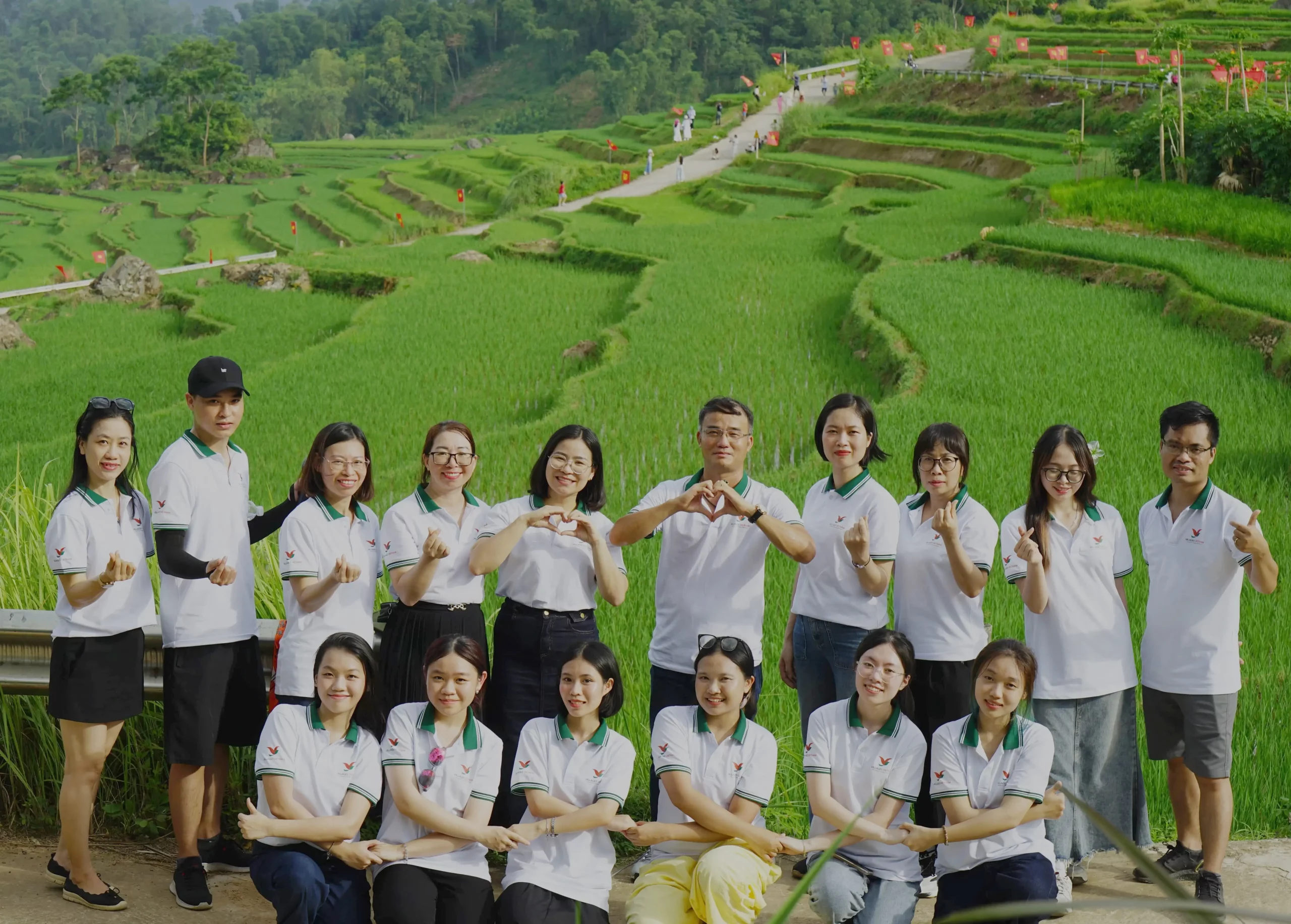
Let Villages Vietnam guide you toward new horizons. Gentle, meaningful, and deeply immersive experiences. Simple yet unforgettable encounters.
We invite you to live rare moments:
- Lose yourself in the picturesque landscapes of Vietnam
- Follow the peaceful rhythm of the rice fields in Laos
- Walk in silence toward the ancient temples of Cambodia, hidden deep within lush forests
Villages Vietnam proudly creates authentic cultural journeys, thoughtfully designed with care and heart. Our itineraries reveal the soul of Indochina—its traditions, its gentleness, and the warmth of its people.
If you dream of a unique journey, crafted just for you—a journey that leaves a lasting mark on the heart—our team will be there, attentive and available.
We promise you the most beautiful discoveries: stories to share, emotions to feel, and our deep knowledge of every destination you explore.
- Contact: Ms. Jade VU
- WhatsApp: +84 0986 527 836
- Email: info@villagesvietnam.com
- Vietnam Office: 7th Floor, 30 Tran Phu Boulevard, Ha Dong District, Hanoi, Vietnam
- France Office: 726 Chemin de la Croix du Sud, 83200 Toulon, France
- Thailand Office: Klang Muang Village, Soi Srinakarindra 24, Srinakarindra Road, Suan Luang District, Bangkok 10250, Thailand
Published by:
Villages Vietnam
Publication date:
06/01/2026
Beautiful journeys
Travel guide
Frequently Asked Questions
In general, the best time to visit Vietnam is from November to April. But you can travel all year round. The weather changes a lot from region to region, so when it rains or gets cold in one place, it can be sunny somewhere else.
Internet access is easy and affordable. Most hotels, cafés, and restaurants offer free Wi-Fi. If you want to stay connected all the time on your phone, you can buy a local SIM card. It gives you a stable connection during your trip for a very good price.