












































 Iconic place
Xoi ngu sac: the Sacred Rice of the Mountains
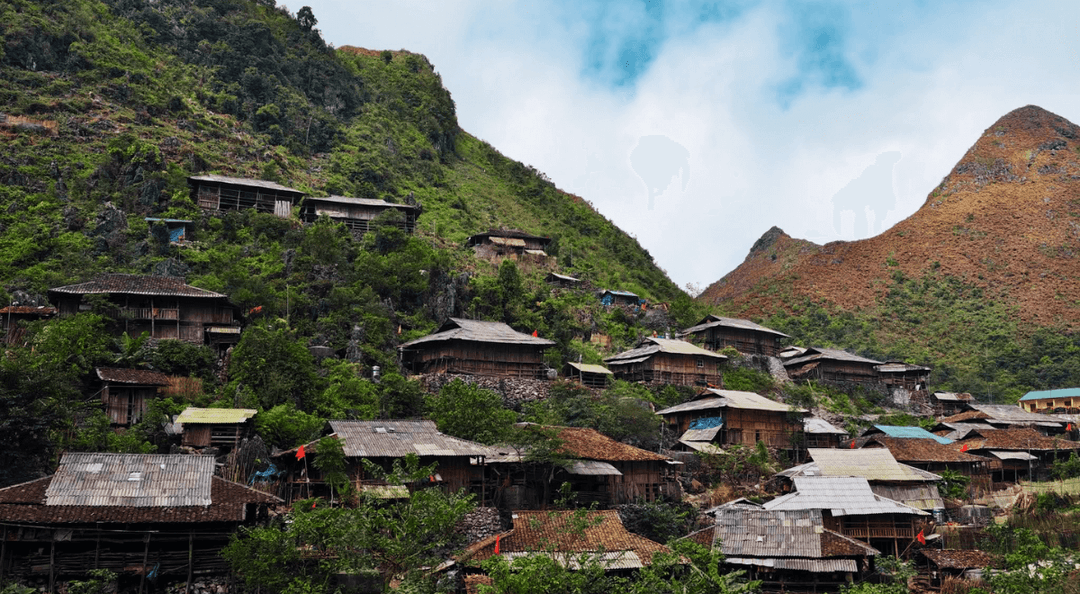
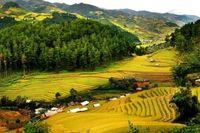
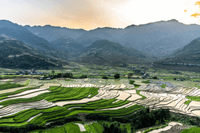
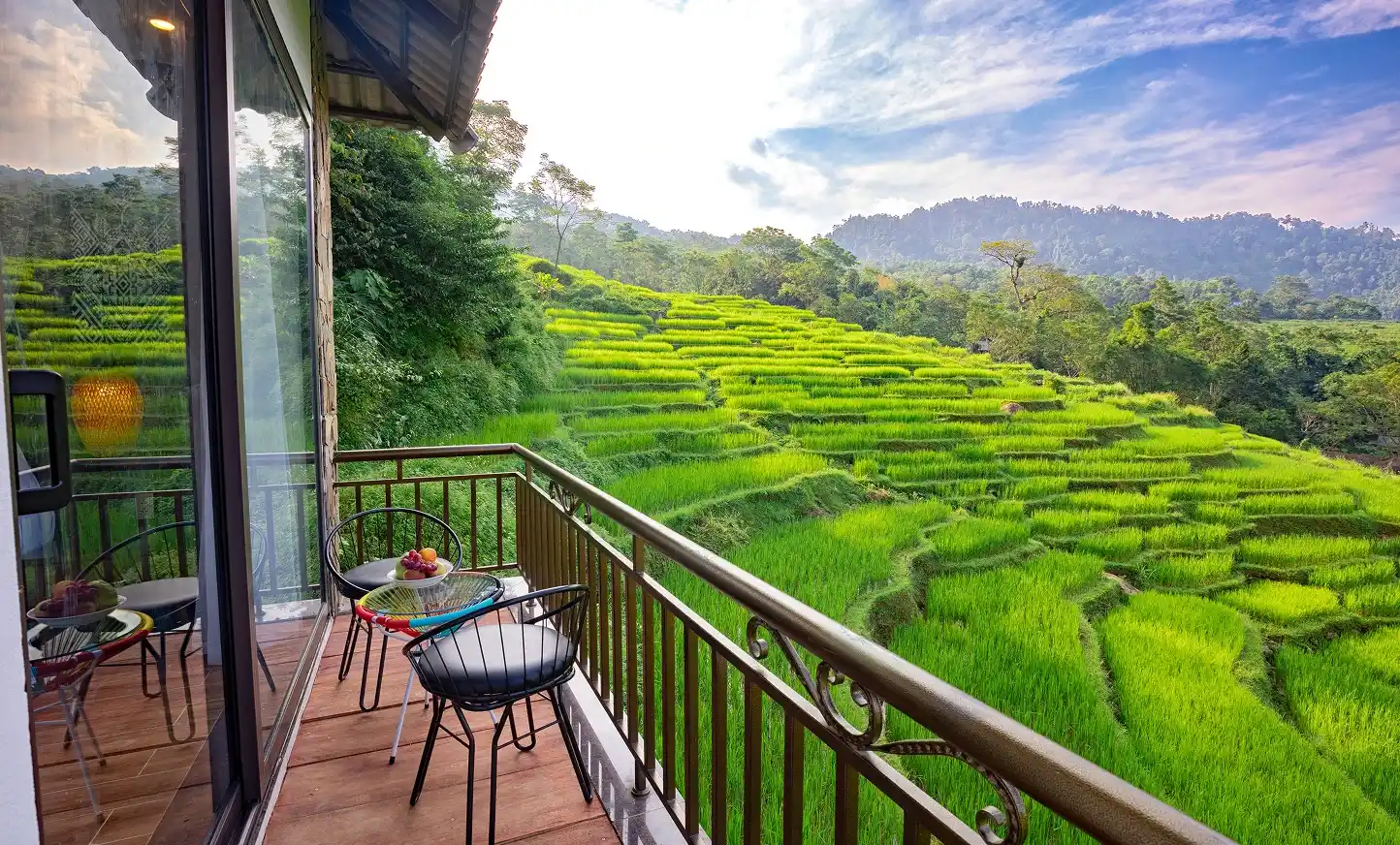
In the lush green mountains of northern Vietnam, some dishes tell a story far deeper than their simple taste. Xoi ngu sac, literally “five-colored sticky rice,” is one of them. In Pu Luong, a preserved region where terraced rice fields follow the contours of the land, this traditional dish embodies the soul of the Thai and Muong ethnic communities. Prepared with patience and deep respect for tradition, this colorful rice captivates as much by its beauty as by its profound symbolism.
1. Origin and cultural background of xoi ngu sac in Pu Luong
A dish born in the mountains
Xoi ngu sac originates from the highland villages of northern Vietnam. In Pu Luong, a mountainous region of valleys, forests, and terraced fields, this colorful sticky rice has accompanied the daily and spiritual life of local people for generations. It is not an everyday dish. It is prepared for special occasions: traditional festivals, weddings, Lunar New Year celebrations, and community rituals.
In these isolated villages, rice is far more than food. It is the result of collective labor, closely linked to the rhythm of the seasons, rain, sun, and soil. Xoi ngu sac symbolizes this harmonious relationship between humans and nature.
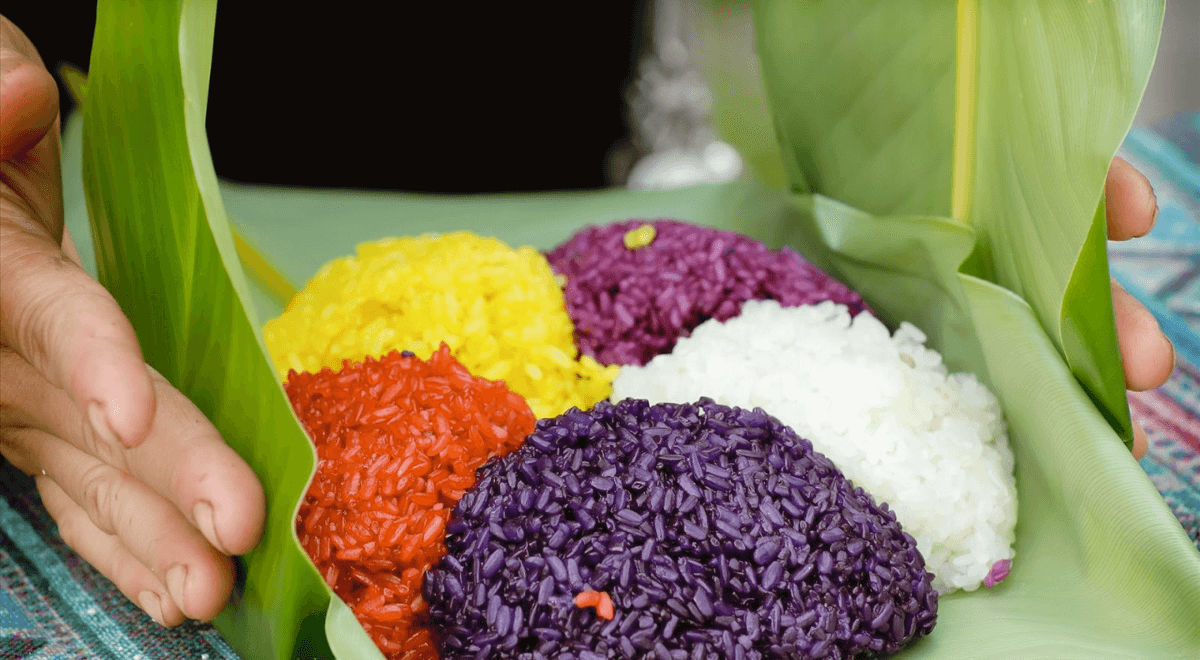
Xoi ngu sac – the emblematic dish of Pu Luong
The meaning of the five colors
The five colors of xoi ngu sac are never chosen at random. They represent the five elements of Eastern philosophy: wood, fire, earth, metal, and water. Each color carries a precise meaning:
-
Red evokes vitality and good fortune.
-
Yellow symbolizes prosperity and nourishing earth.
-
Green recalls nature, forests, and rice fields.
-
White represents purity and sincerity.
-
Purple or black expresses depth, memory, and ancestors.
For the people of Pu Luong, sharing xoi ngu sac is a way of wishing balance, harmony, and prosperity to those who partake in it.
2. Ingredients of xoi ngu sac
Mountain-grown sticky rice
The base of xoi ngu sac is local sticky rice grown on mountain terraces. These rice fields, irrigated by natural springs, produce short-grain, fragrant, and naturally sticky rice. Once steamed, its texture is soft, tender, and easy to digest—appreciated by travelers of all ages.
The rice is carefully washed, then soaked for several hours so that it fully absorbs the natural pigments used for coloring.
100% natural coloring
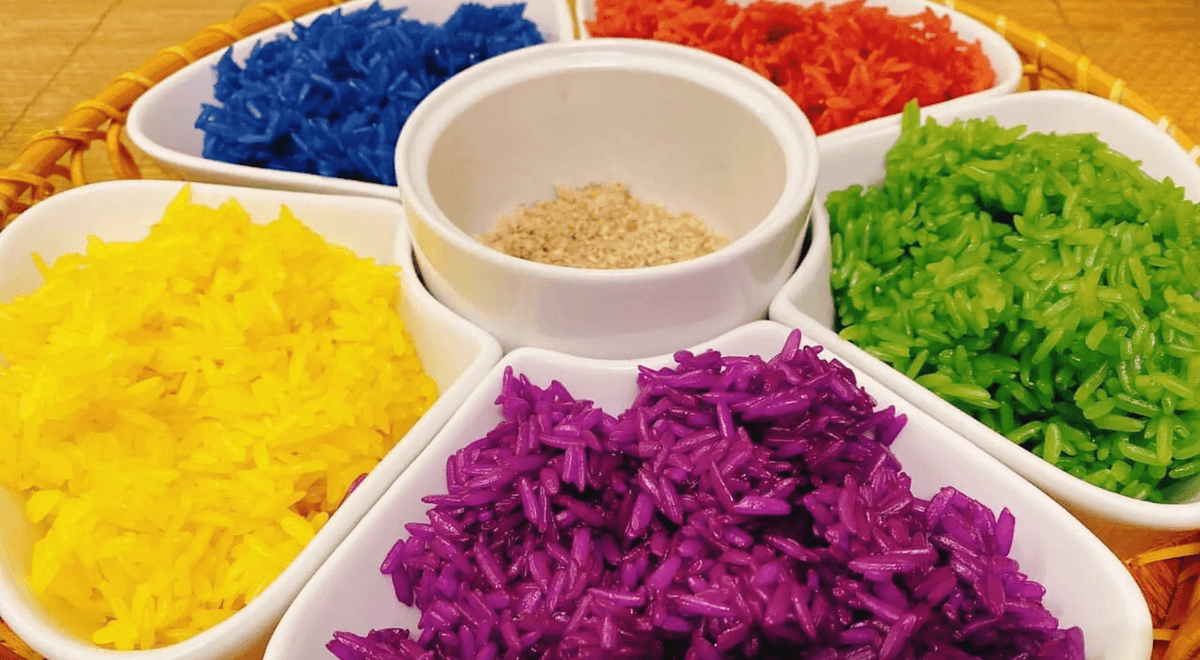
Contrary to what some visitors might think, the colors of xoi ngu sac never come from artificial dyes. They are extracted from plants, leaves, and roots found in the surrounding forests:
-
Red comes from certain wild leaves or fruits.
-
Yellow is derived from turmeric or local roots.
-
Green is extracted from pandan leaves or forest herbs.
-
Purple or black comes from specific leaves, often called “cam leaves.”
Each ingredient is boiled separately to produce colored water, in which the rice is then soaked. This process requires time, precision, and deep knowledge of local plants.
Slow and careful cooking
Once colored, each portion of rice is steamed separately. This essential step preserves both the intensity of the colors and the texture of the rice. The different colors are then arranged side by side, forming a harmonious pattern that turns the dish into a true visual work of art.
3. Xoi ngu sac in daily and festive life
A festive dish above all
In Pu Luong, this dish is rarely eaten alone or in haste. It is prepared to be shared. During festivals, it is placed at the center of the table, accompanied by simple dishes: mountain vegetables, river fish, or grilled meat. It symbolizes abundance and respect for guests.
For travelers, being invited to taste xoi ngu sac in a local home is a highlight of the journey—a genuine sign of hospitality and trust.
A link between generations
The preparation of xoi ngu sac is often a collective moment. Elder women pass down their know-how to younger generations: how to recognize the right leaves, balance the colors, and steam the rice without drying it out. This moment of transmission is as important as the dish itself, preserving a fragile yet living cultural identity in Pu Luong.
4. Tips for travelers tasting xoi ngu sac
When to enjoy it
Xoi ngu sac is ideally eaten in the morning or at midday, while still warm. It makes a nourishing breakfast or a light lunch—perfect for a day of walking through the rice terraces.
How to eat it
Traditionally, xoi ngu sac is eaten with the fingers, in small bites. For travelers less accustomed to this, chopsticks can of course be used. It is recommended to taste each color separately, then mix them, to fully appreciate the subtle nuances of flavor.
Respecting its symbolism
In certain traditional contexts, xoi ngu sac is associated with specific rituals. It is therefore best enjoyed with respect—without waste—and by following the guidance of your hosts. This simple gesture is always deeply appreciated.
5. A cultural experience for travelers
Discovering xoi ngu sac in Pu Luong goes far beyond tasting a dish. It is an immersion into a slow way of life, respectful of nature and tradition. For French travelers, often sensitive to values of terroir, authenticity, and transmission, this dish resonates naturally.
Watching the terraced fields, inhaling the aroma of steamed sticky rice, admiring the carefully arranged natural colors—every detail contributes to a complete sensory experience. Xoi ngu sac becomes a lasting travel memory, far beyond a simple meal.
Discover Vietnam’s cultural journeys with Villages
Published by:
Villages Vietnam
Publication date:
06/01/2026
Beautiful journeys
Travel guide
Frequently Asked Questions
In general, the best time to visit Vietnam is from November to April. But you can travel all year round. The weather changes a lot from region to region, so when it rains or gets cold in one place, it can be sunny somewhere else.
Internet access is easy and affordable. Most hotels, cafés, and restaurants offer free Wi-Fi. If you want to stay connected all the time on your phone, you can buy a local SIM card. It gives you a stable connection during your trip for a very good price.