














































 Iconic place
Ruou men la: the sacred alcohol of Vietnam’s mountain peoples
In Vietnam’s mountainous regions, certain traditions are passed down without ever being written. They live through gestures, collective memory, and the slow rhythm of village life. Ruou men la is one of them. This traditional alcohol, made from rice and forest leaves, is far more than a simple drink. For travelers—often drawn to authenticity, craftsmanship, and ancestral know-how—discovering ruou men la is a cultural experience in its own right. Tasting this spirit means entering the intimate world of a rural Vietnam that is preserved, sincere, and deeply human.
1. Origin and cultural role of ruou men la
A heritage of mountain communities
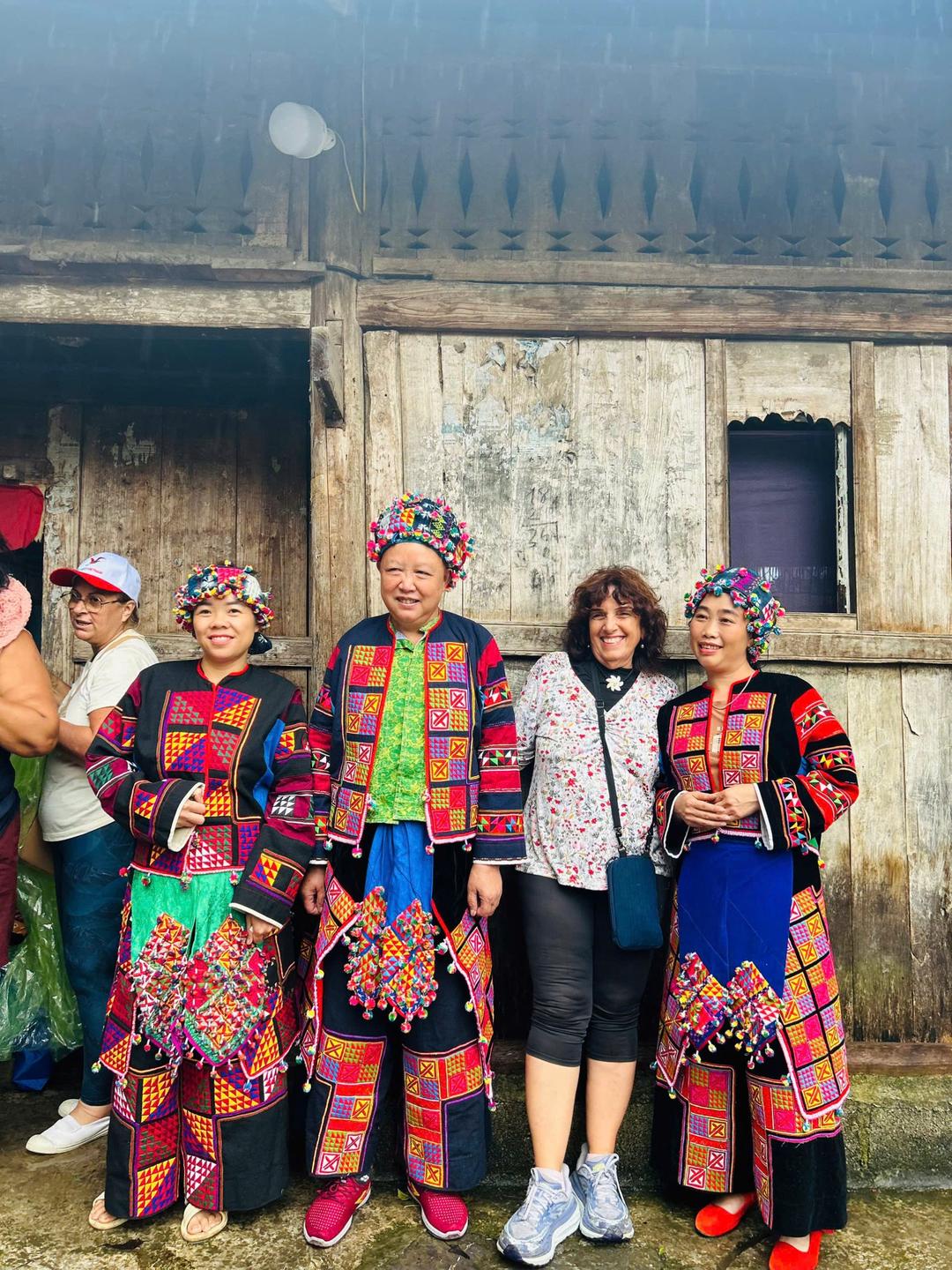
Ruou men la originates from the mountainous regions of northern and central Vietnam. It is closely tied to the lives of ethnic communities living far from the plains, in areas where the forest plays a central role. For generations, these communities have produced their own alcohol using what nature provides. Rice—sometimes corn or cassava—forms the base, while leaves, roots, and tree bark from the forest give birth to the men, the natural fermentation starter.
Each village has its own recipe. Each family preserves its secrets. Ruou men la is never standardized. It reflects a specific land, a climate, a vegetation, and a culture.
A drink at the heart of social life
In mountain villages, ruou men la occupies a central place. It accompanies the most important moments of life: weddings, Lunar New Year celebrations, ancestral offerings, agricultural rituals… At every significant occasion, ruou men la appears on the table or on the altar.
Sharing a glass of ruou men la is a gesture of respect and hospitality. Refusing it without a valid reason may be seen as creating distance. On the contrary, accepting—even in small quantities—is a way to show openness and gratitude toward one’s hosts.
A symbol of cultural identity
Ruou men la is not consumed for intoxication. It is drunk slowly, in small sips. It symbolizes balance, conviviality, and transmission. For local people, it embodies their identity and their bond with the forest. For travelers, it becomes a gateway into a discreet yet deeply rooted culture.
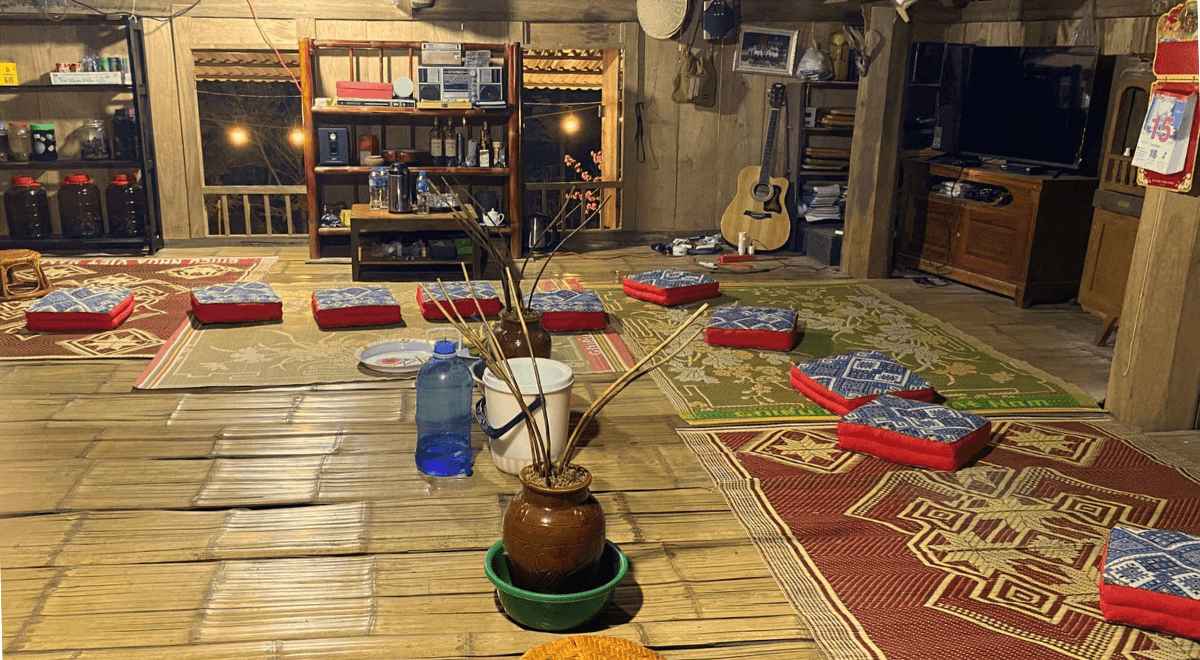
Ruou men la
2. Ingredients and production process of ruou men la
Ingredients drawn from nature
The uniqueness of ruou men la lies in its men, the fermentation starter. It is made from 20 to 30 varieties of leaves, roots, and bark gathered in the forest. Some plants are medicinal, others aromatic. Their selection depends on local knowledge passed down orally.
The rice used is generally local rice, grown without chemical inputs. In some regions, corn or cassava is also used, depending on available resources. This diversity gives rise to different versions of ruou men la, each with its own aromatic profile.
A long and artisanal process
Making ruou men la requires time and patience. The leaves are first cleaned, dried, and ground. They are then mixed with rice flour to form small men cakes. These cakes are left to ferment in a controlled environment, often at ambient temperature.
Once the men is ready, it is mixed with cooked rice. Fermentation then begins, sometimes lasting several weeks. The mixture is subsequently distilled by hand in small traditional stills. The result is a clear or lightly golden alcohol with complex aromas.
Each step is carried out manually. No industrial additives are used. It is this meticulous craftsmanship that gives ruou men la its unique character.
A taste unlike any other
On the palate, ruou men la often surprises visitors. It is aromatic, with vegetal and herbal notes. Its texture is smooth, and it does not burn the throat like some strong spirits. The flavor is rounded, slightly sweet, with a long finish. Many travelers find it more pleasant and “cleaner” than industrial alcohols.
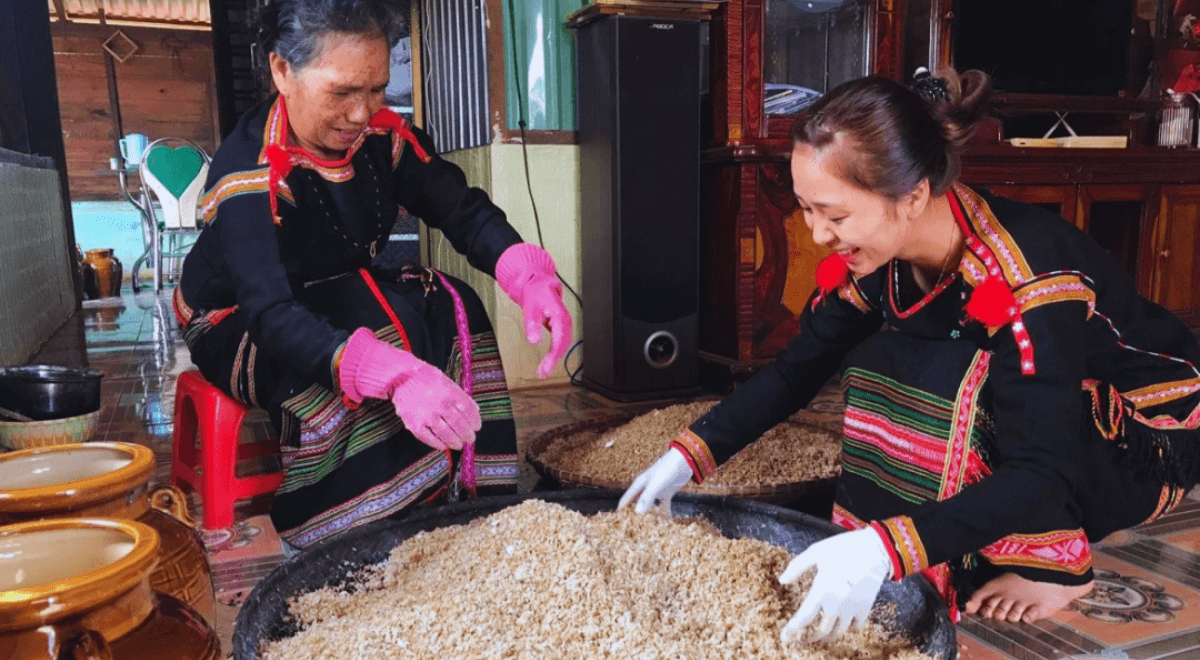
Ruou men la distillation
3. Benefits and distinctive features of ruou men la
An alcohol perceived as gentler
According to local traditions, ruou men la is believed to be less taxing on the body. It is said to cause fewer headaches and less thirst. These effects are attributed to the medicinal plants incorporated into the men.
Of course, it remains an alcoholic beverage and should be consumed in moderation. However, compared to industrial spirits, ruou men la is often perceived as more balanced and easier to digest.
Ancient empirical knowledge
Local people attribute certain virtues to ruou men la, particularly for blood circulation and digestion. These beliefs are based on empirical knowledge of plants, passed down for centuries. For travelers, such stories add a cultural and symbolic dimension to the tasting experience.
4. Tips for travelers tasting ruou men la
How to taste it
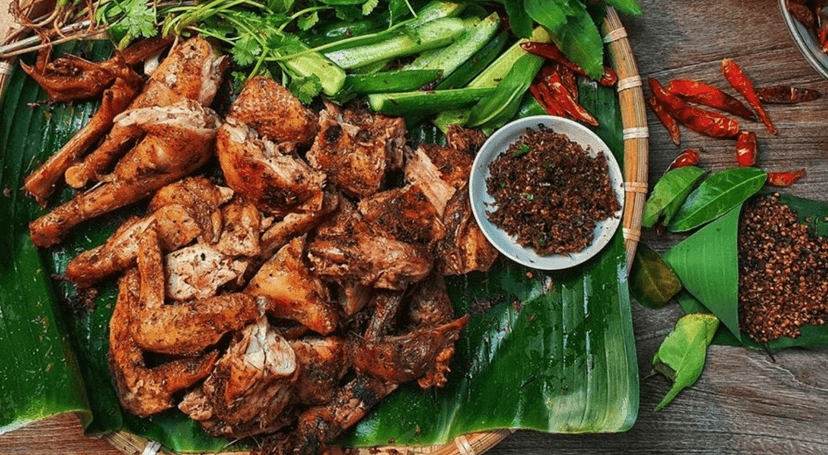
Ruou men la is drunk slowly. It is often served in small glasses. It is recommended to take small sips, taking time to appreciate its aromas. It is usually accompanied by simple dishes such as grilled meat, vegetables, and rice.
For a first experience, it is best to start with a small quantity. The flavor is subtle, but the alcohol content can be high.
When to drink it
Ruou men la is often enjoyed in the evening, during shared meals. In villages, it accompanies conversations, laughter, and exchanges. For travelers, the best moment is usually after dinner, in a calm and friendly atmosphere.
Respecting local customs
It is important to respect local traditions. If ruou men la is offered to you, accept the glass with both hands as a sign of respect. If you do not wish to drink, explain politely. Local people will always understand a sincere attitude.
A product to be enjoyed in moderation
Finally, even though ruou men la is reputed to be gentler, it remains a strong spirit. Travelers should remain attentive to their own tolerance. The goal is not to drink, but to understand and share a cultural moment.
Explore Vietnam’s cultural journeys with Villages Vietnam
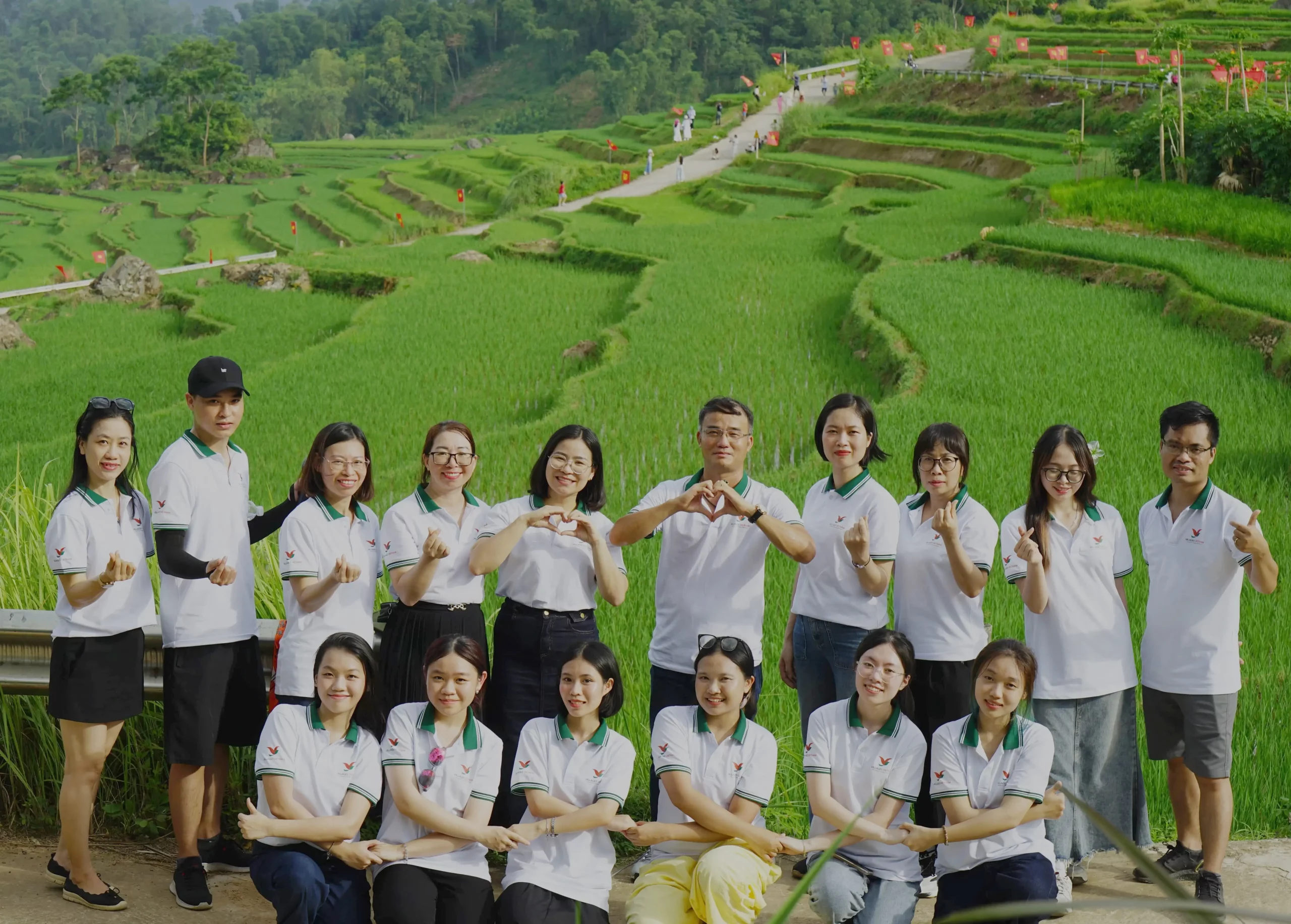
Let Villages Vietnam guide you toward new horizons. Gentle, meaningful, and deeply immersive experiences. Simple yet unforgettable encounters.
We invite you to live rare moments:
- Lose yourself in the picturesque landscapes of Vietnam
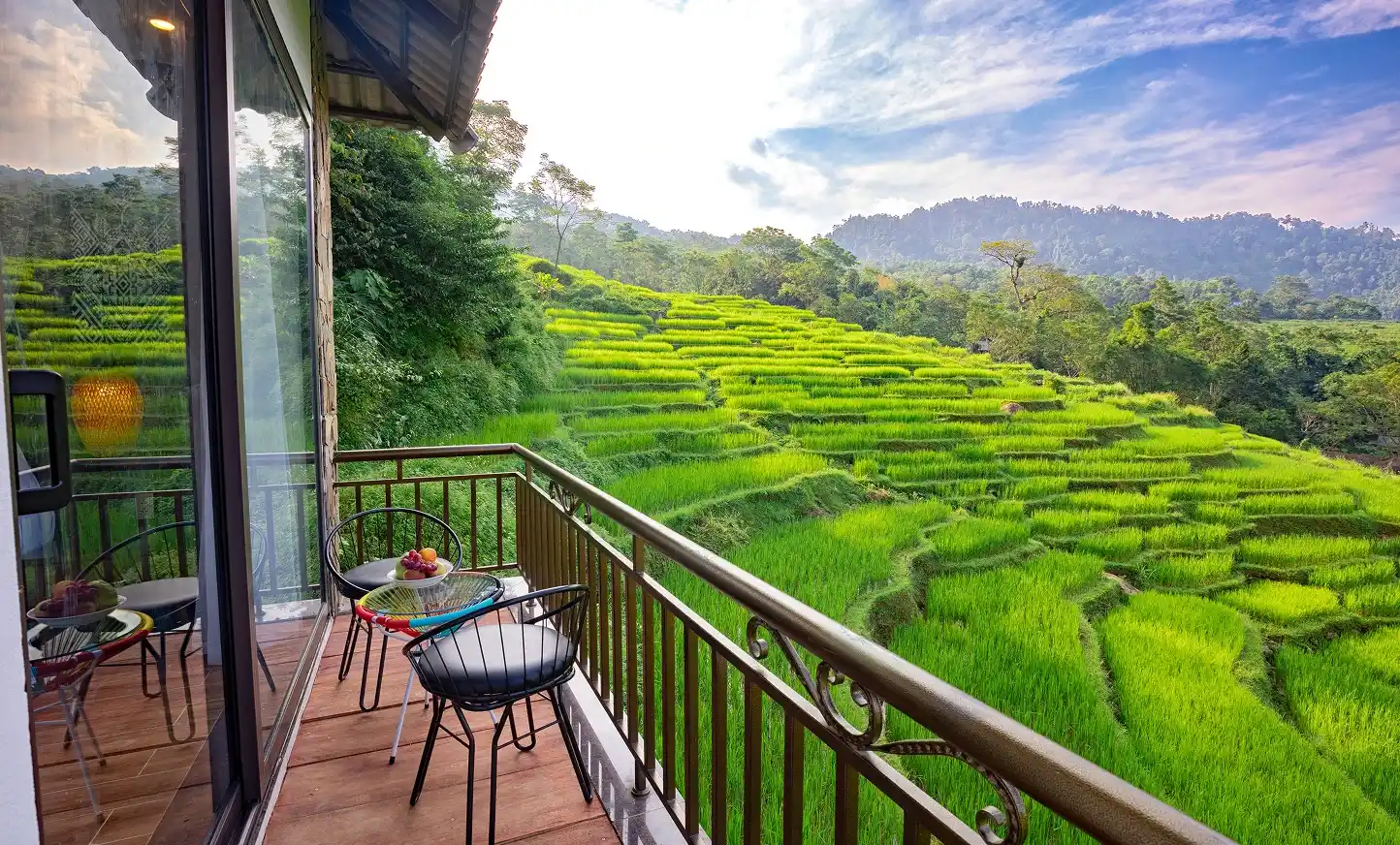
- Follow the peaceful rhythm of the rice fields in Laos
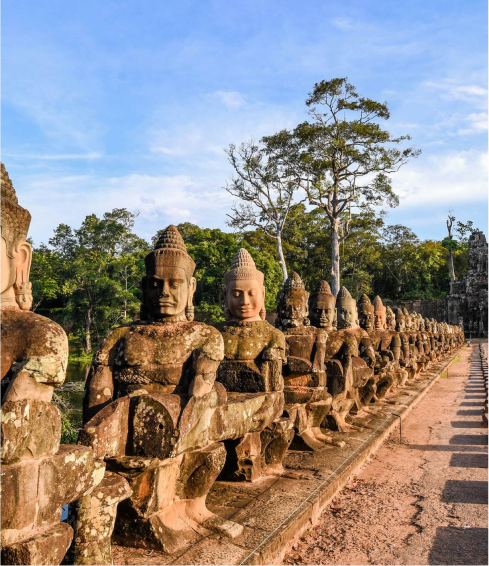
- Walk in silence toward the ancient temples of Cambodia, hidden deep within lush forests
Villages Vietnam proudly creates authentic cultural journeys, thoughtfully designed with care and heart. Our itineraries reveal the soul of Indochina—its traditions, its gentleness, and the warmth of its people.
If you dream of a unique journey, crafted just for you—a journey that leaves a lasting mark on the heart—our team will be there, attentive and available.
We promise you the most beautiful discoveries: stories to share, emotions to feel, and our deep knowledge of every destination you explore.
- Contact: Ms. Jade VU
- WhatsApp: +84 0986 527 836
- Email: info@villagesvietnam.com
- Vietnam Office: 7th Floor, 30 Tran Phu Boulevard, Ha Dong District, Hanoi, Vietnam
- France Office: 726 Chemin de la Croix du Sud, 83200 Toulon, France
- Thailand Office: Klang Muang Village, Soi Srinakarindra 24, Srinakarindra Road, Suan Luang District, Bangkok 10250, Thailand
Published by:
Villages Vietnam
Publication date:
06/01/2026
Beautiful journeys
Travel guide
Frequently Asked Questions
In general, the best time to visit Vietnam is from November to April. But you can travel all year round. The weather changes a lot from region to region, so when it rains or gets cold in one place, it can be sunny somewhere else.
Internet access is easy and affordable. Most hotels, cafés, and restaurants offer free Wi-Fi. If you want to stay connected all the time on your phone, you can buy a local SIM card. It gives you a stable connection during your trip for a very good price.