







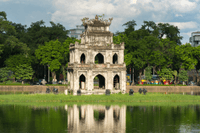







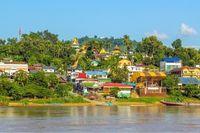
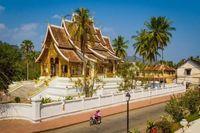
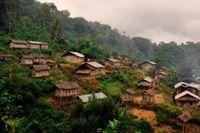

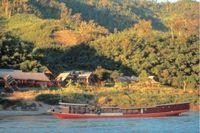










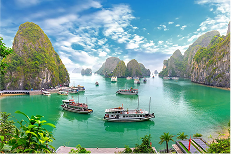
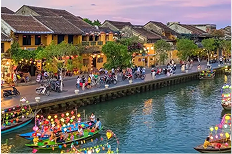






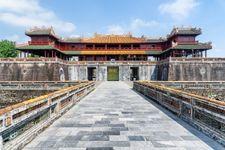
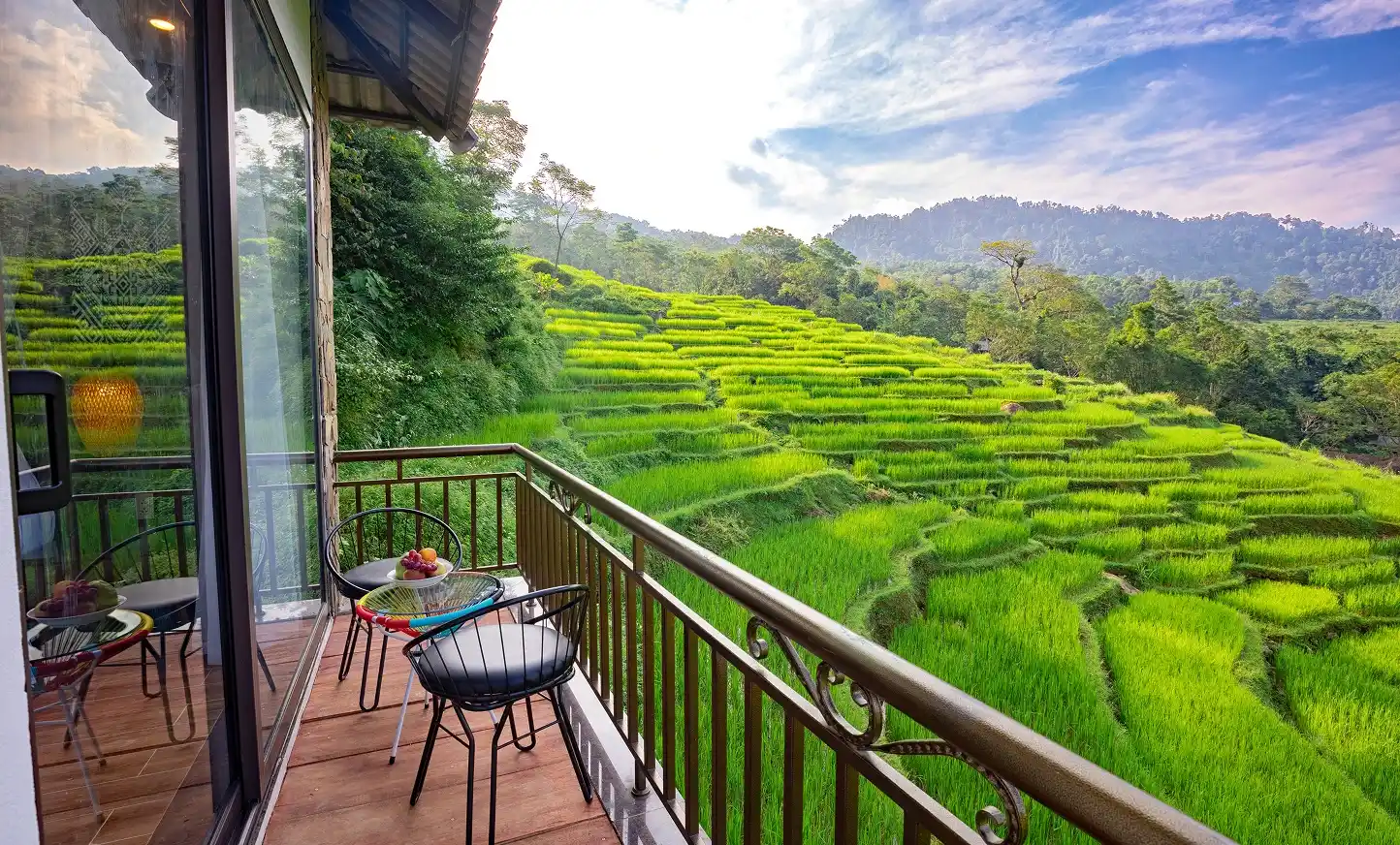

 Iconic place

Tet 2027 marks the start of the Year of the Goat according to the Vietnamese lunar calendar.
Tet 2027 at a Glance (in 30 Seconds)
- Lunar New Year’s Day (Mung 1): Saturday, February 6, 2027 (Year of the Fire Goat, Dinh Mui).
- Official National Holidays: Thursday, February 4 to Wednesday, February 10, 2027 (7 days).
- Peak Closures: Saturday, February 6 to Monday, February 8.
- Peak Transport Rush: February 3 to 5 (departures) and February 9 to 12 (returns).
- Best Booking Window: starting in November or December 2026.
Official Dates of Tet 2027 in Vietnam (Year of the Fire Goat)
Tet is not just a single night of celebration; it is a cultural season stretching across nearly three weeks, from household preparations to the first full moon of the lunar year. To plan your itinerary accurately, here are the exact milestones for 2027:
| Traditional Milestone | Date in 2027 | What Actually Happens on the Ground |
|---|---|---|
| Ong Tao Day (23rd day of the 12th lunar month) | Saturday, January 30, 2027 | Release of red carp for the Kitchen Gods, start of major house cleaning, and opening of the flower markets. |
| Start of Official Holidays (28th day) | Thursday, February 4, 2027 | Government offices and banks close; heavy rush at train stations, airports, and local markets. |
| New Year’s Eve (29th day) | Friday, February 5, 2027 | Last-minute shopping in the morning, cities empty out by late afternoon, family reunion dinners, and midnight fireworks. |
| Mung 1 (New Year’s Day) | Saturday, February 6, 2027 | Start of the Year of Dinh Mui (Fire Goat). Remarkably quiet cities, family visits, and lively pagodas. |
| Mung 2 and Mung 3 | Sunday, February 7 and Monday, February 8, 2027 | Most neighborhood shops remain closed, with a gradual reopening starting on the evening of February 8. |
| End of Official Holidays (Mung 5) | Wednesday, February 10, 2027 | Residents return to major cities; offices and public administrations reopen on Thursday, February 11. |
| Tet Nguyen Tieu (First Full Moon) | Saturday, February 20, 2027 | Symbolic close of the Tet season, with vibrant crowds at temples and pagodas. |
Why 2027 Falls 11 Days Earlier Than 2026 (and What the Fire Goat Symbolizes)
The traditional Vietnamese calendar follows a lunisolar cycle, so Tet shifts each year between late January and mid-February. In 2026, Lunar New Year fell on February 17 with nine official days off. In 2027, it moves eleven days earlier to February 6, with a more compact official break of seven days (February 4 to 10). For travelers, that is welcome news: everyday life and local businesses bounce back to their normal pace faster.
The year 2027 is governed by the sign Dinh Mui, the Fire Goat. In Vietnamese tradition, the Goat represents family harmony, creativity, and gentle grace, energized by the warmth of the Fire element. Even if you are not into astrology, you will see this emblem everywhere in the streets, on floral displays, and on red lucky-money envelopes starting in late January.
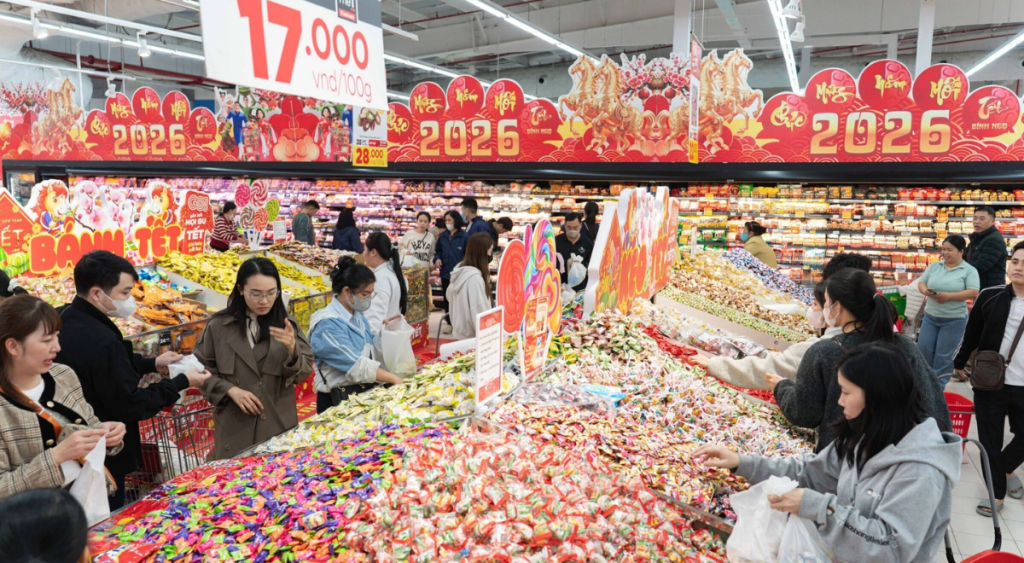
Vietnamese locals bustle through streets and markets preparing for Tet celebrations.
Tet 2027 and 2027 Winter School Holidays in France (and Francophone Countries): Planning by Zone
This is a detail most general travel guides overlook, yet it completely shapes your trip. In 2027, Tet directly intersects with the French winter school holidays published on Service-Public.gouv.fr. Depending on your school zone, your experience in Vietnam will feel very different:
| Zone and Main Cities | 2027 Winter Holidays | Overlap with Tet 2027 | Recommended Strategy |
|---|---|---|---|
| Zone C (Paris, Creteil, Versailles, Toulouse, Montpellier) | Saturday, February 6 to Monday, February 22, 2027 | Direct overlap: the first day of holidays lands right on Mung 1 (February 6). | Fly on February 5 or 6 (arriving February 6 or 7) and settle for 2 to 3 nights in an easy-going hub (Hoi An, Ho Chi Minh City, or a cruise), or arrive by February 3 if you have flexibility. |
| Zone A (Lyon, Bordeaux, Grenoble, Clermont-Ferrand, Dijon, Poitiers) | Saturday, February 13 to Monday, March 1, 2027 | Ideal post-Tet window: official holidays have just wrapped up (February 10). | The best of both worlds: everything is open again, domestic fares normalize, streets keep their floral decorations, and village spring festivals are in full swing. |
| Zone B (Lille, Marseille, Nantes, Strasbourg, Rennes, Nice) | Saturday, February 20 to Monday, March 8, 2027 | After Tet: arrival coincides with Tet Nguyen Tieu (February 20). | Zero Tet logistics constraints, dry sunny weather in the South and Center, and a wonderful atmosphere at pagodas on the full moon evening. |
If you travel during Zone C dates, there is no need to skip Vietnam. Simply keep in mind that your first two days on the ground coincide with the tail end of peak closures (Mung 1 and Mung 2), after which the rest of your trip unfolds in a wide-open country still dressed in festive colors.
Travelers from France, Belgium, Switzerland, Luxembourg, and Canada: Visa Check Before Tet
Before booking flights, check your visa requirements carefully, as Vietnamese immigration offices also close from February 4 to 10, 2027:
- France: French citizens enjoy unilateral visa-free entry for tourist stays of up to 45 days, extended through March 2028.
- Belgium, Switzerland, and Luxembourg: citizens also qualify for a 45-day tourist visa exemption through August 14, 2028 (Resolution 229/NQ-CP, detailed on eVisas Vietnam).
- Canada (and European stays longer than 45 days): an e-Visa (valid up to 90 days) is mandatory. Because applications are not processed during the official February 4 to 10 holiday break, submit your request by mid-January 2027 at the latest to avoid any airport stress.
What Actually Closes (and What Stays Open) from February 6 to 8, 2027
| Closed or Heavily Reduced (February 6 to 8) | Open and Accessible (Even on February 6) |
|---|---|
| Small family-run eateries, neighborhood street-food stalls (pho, bun cha), and independent cafes | Hotels, resorts, hotel restaurants, and many dining spots in tourist districts |
| Public museums, Ho Chi Minh Mausoleum, select historical sites and palaces | Temples, pagodas, and communal houses (very lively and accessible) |
| Banks, post offices, government agencies, and immigration services | 24/7 convenience stores (Circle K, WinMart+, GS25) and ATMs (withdraw cash before February 3) |
| Local shops, traditional indoor markets, and small local bus operators | Major shopping malls (often from the afternoon of February 6 or February 7) and ride-hailing apps (Grab, Xanh SM, with holiday surcharges) |
The detail most guidebooks leave out: from February 5 to 8, many open restaurants add a 10% to 20% holiday service surcharge to the bill (usually stated on the menu or at the entrance). This is not a tourist scam; it is standard local practice to fairly compensate staff working through the biggest family holiday of the year.
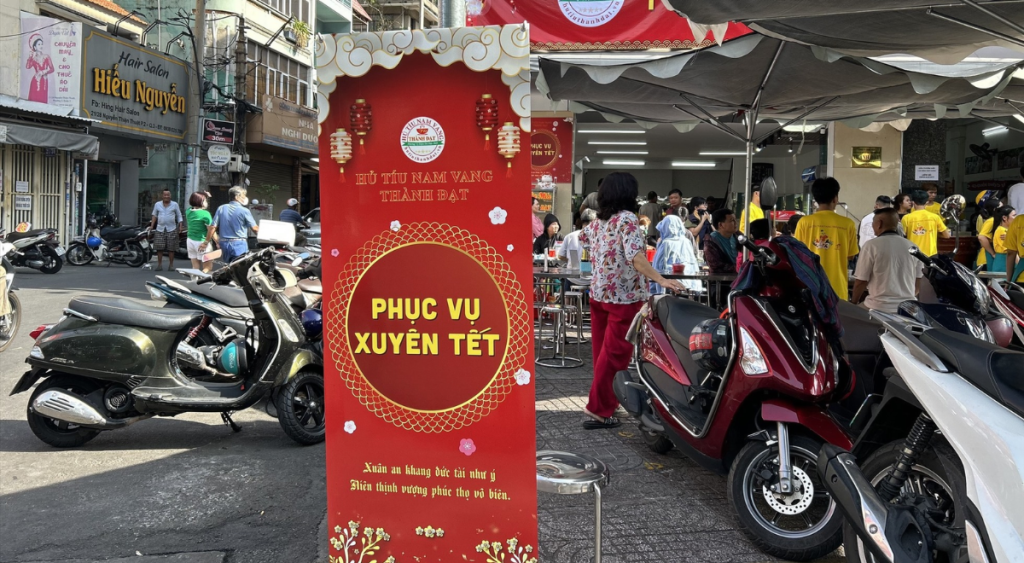
Some restaurants stay open throughout Tet and display a “Phuc vu xuyen Tet” sign to inform guests.
Experiencing Tet 2027 Day by Day, from January 30 to February 12
To understand what makes Tet so endearing, set aside the clichés and watch how the rhythm of the country transforms from one day to the next.
Pre-Tet Week (January 30 to February 4): The Buzz of the Flower Markets
This is arguably the most photogenic week of the year. Starting on Ong Tao Day (Saturday, January 30), the entire country springs into motion. Flower markets turn into open-air theaters: the night market at Quang Ba and Hang Luoc Street in Hanoi, plus Ho Thi Ky Market and the flower boats along Ben Binh Dong Wharf in Ho Chi Minh City.
The botanical contrast between North and South is unmistakable. In the North, families choose pink peach blossom branches (hoa dao) and kumquat trees heavy with bright orange fruit symbolizing prosperity. In the South, vivid yellow apricot blossoms (hoa mai) brighten the sidewalks. You will also witness a non-Olympic national sport: watching a Hanoian balance a two-meter peach tree or a thirty-kilogram kumquat pot on the back of a scooter, weaving through traffic with total composure.
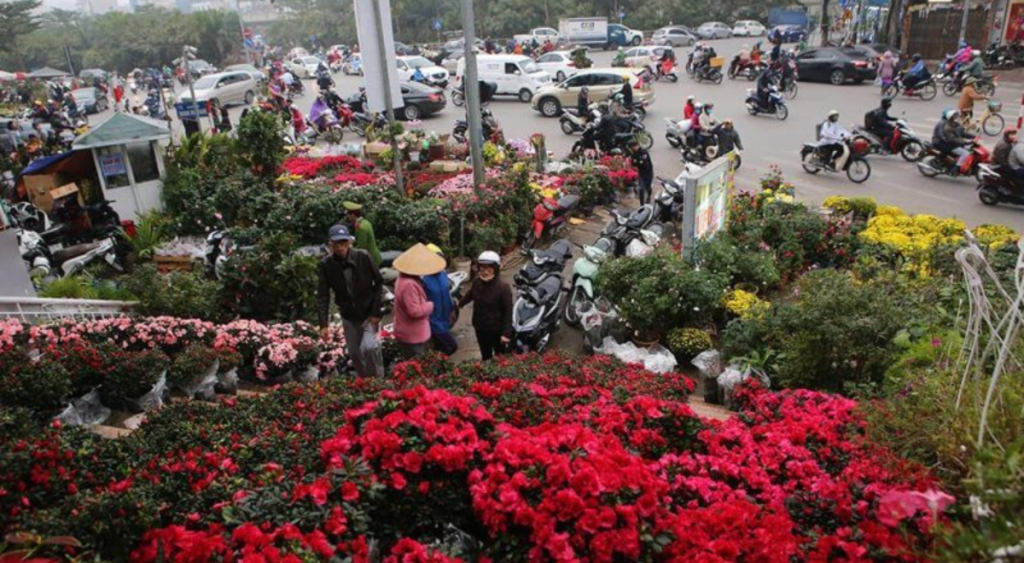
Lac Long Quan flower market in Hanoi bursts with color in the days leading up to Lunar New Year.
New Year’s Eve, Giao Thua (Friday, February 5)
On the morning of February 5, markets experience one last flurry of activity for fresh herbs, offerings for the five-fruit tray, and bundles of incense. By 4:00 PM, boulevards empty out almost instantaneously as everyone heads home for the family year-end dinner. If you plan to dine out that evening, book your table at least several days ahead.
As midnight nears, streets come alive again around major fireworks viewing areas, especially Hoan Kiem Lake in Hanoi and Bach Dang Wharf in Ho Chi Minh City. Right after the stroke of twelve, many families walk to nearby pagodas to light incense and pray for health and peace.
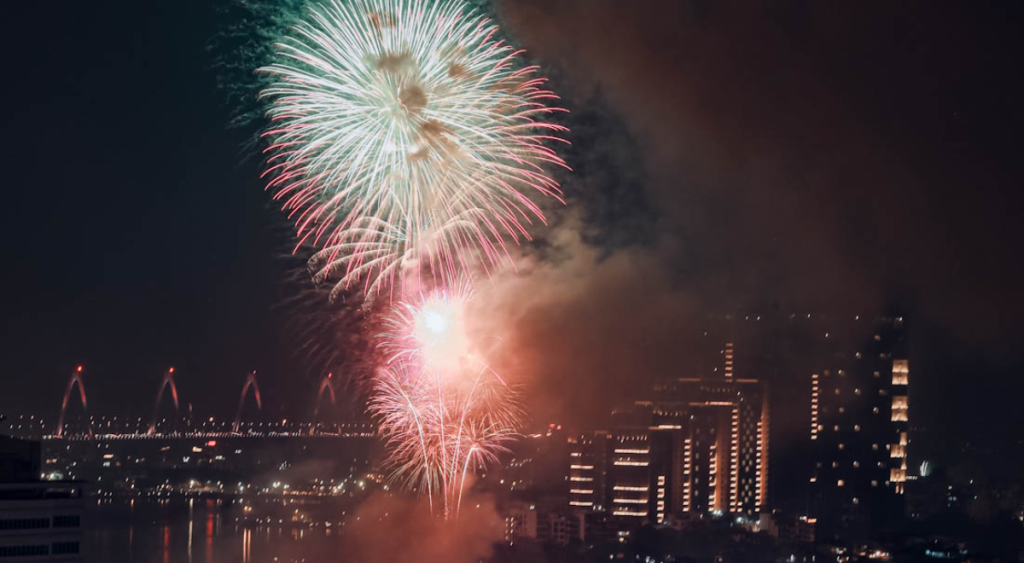
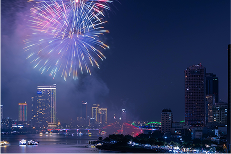
Fireworks illuminate the night sky across several Vietnamese cities to welcome the Lunar New Year.
Day 1, Mung 1 (Saturday, February 6): The Almost Surreal Silence of Major Cities
If you know Vietnamese cities for their nonstop soundtrack, the morning of Mung 1 will catch you by surprise. In both Hanoi and Saigon, the chorus of horns fades away. You can hear birds singing in the Old Quarter trees and cross an intersection without negotiating right of way with twenty scooters. It is a dream morning for strolling on foot, camera in hand, watching locals dressed in their finest ao dai head to the pagoda.
This morning also follows a deeply respected custom: xong dat. According to traditional belief, the very first person to step across a household’s threshold after midnight shapes the family’s fortune for the entire year. Families therefore intentionally invite a relative or friend with a compatible zodiac sign and a cheerful nature. As a traveler, avoid dropping by a Vietnamese acquaintance’s home unannounced on the morning of February 6 unless you were specifically invited.
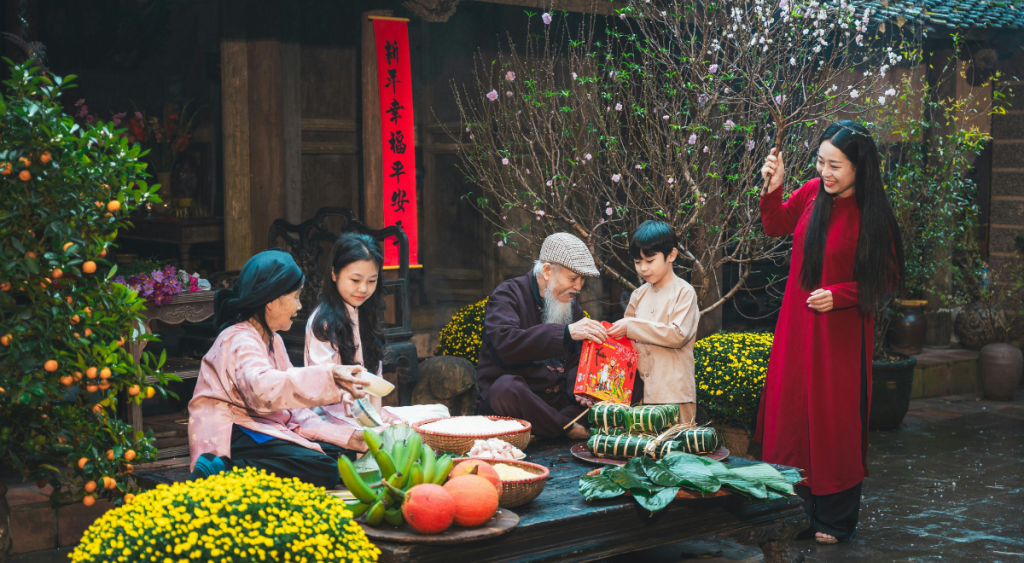
On the first day of Tet, Vietnamese families gather to share warm moments and celebrate the new year.
Mung 2, Mung 3, and the Return to Normal (February 7 to 12)
Sunday, February 7 and Monday, February 8 are dedicated to visiting in-laws, teachers, and close friends. Parks, scenic cafes, and temples fill with smiling groups posing in traditional attire. Across the Red River Delta and the northern mountains, the first village spring festivals kick off as early as Mung 2 or Mung 3 with folk games, unicorn dances, and processions. From February 9 and 10 onward, shops reopen one by one and the country returns to its usual beat.
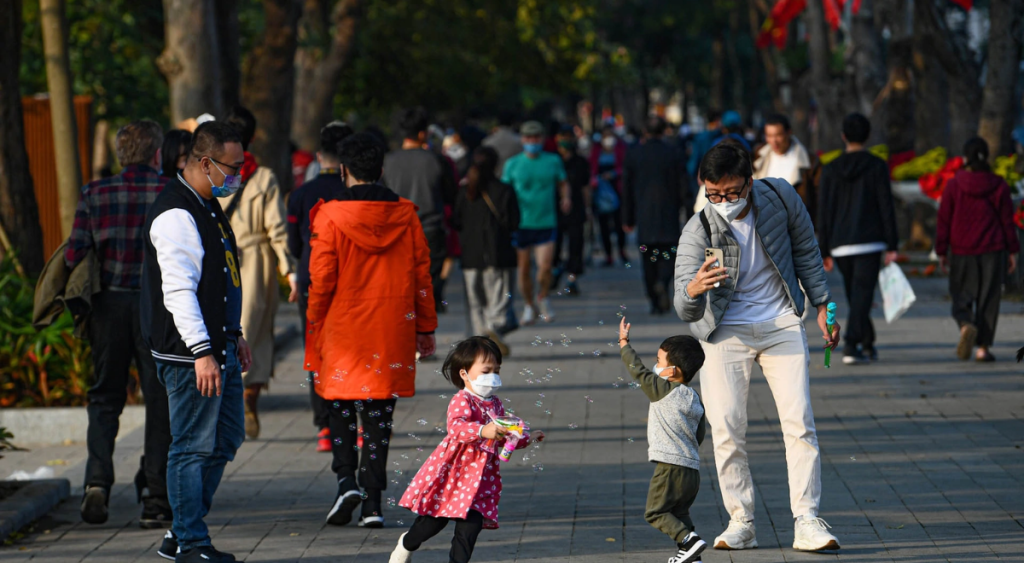
Locals enjoy lively streets and festive decorations while strolling during Tet.
Where to Spend Tet 2027 in Vietnam: Comparing 5 Regions in February
In February, weather varies sharply from North to South, and so does the impact of holiday closures. This table helps you pick the right base for your travel style:
| Region | Average February Weather | Tet Atmosphere | Closures (Feb 6 to 8) | Best For… |
|---|---|---|---|---|
| Hanoi and Red River Delta | 10 to 18 °C, cool and occasionally misty | Most traditional and poetic (peach blossoms, pagodas, Mung 1 calm) | High on Feb 6 and 7 | Culture lovers, history buffs, and photographers |
| Ho Chi Minh City and Mekong Delta | 25 to 30 °C, dry and sunny | Festive, warm, and bright; spectacular Nguyen Hue Flower Street | Moderate | Travelers seeking sunshine, urban energy, and easy dining |
| Hoi An and Hue (Central Vietnam) | 20 to 25 °C, mild and pleasant | Enchanting in Hoi An (lanterns, pedestrian old town), dignified in Hue | Low in Hoi An, moderate in Hue | Families, first-time visitors, and a relaxed pace |
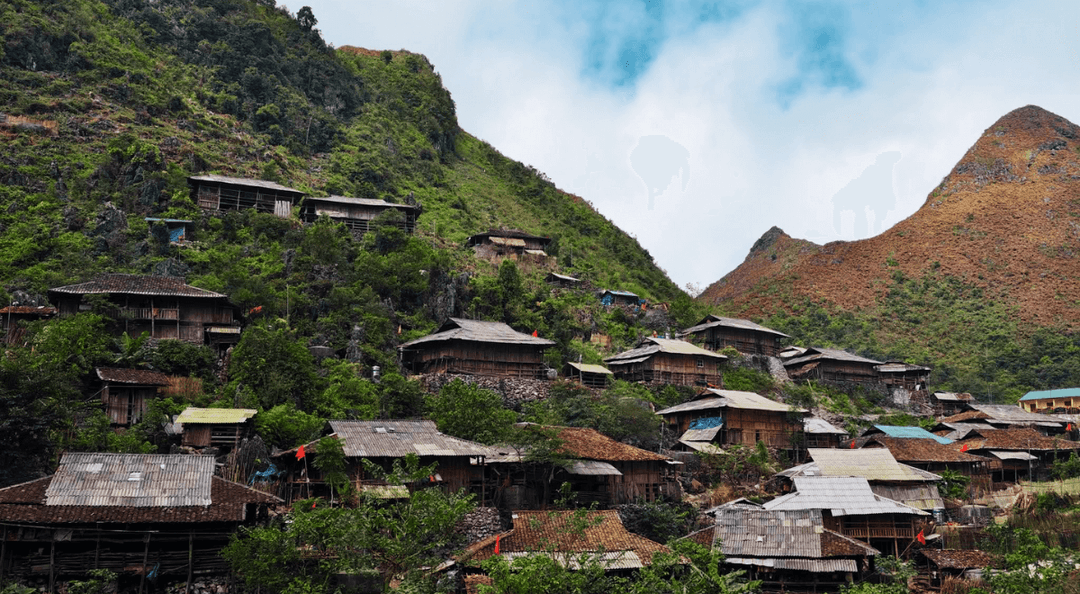
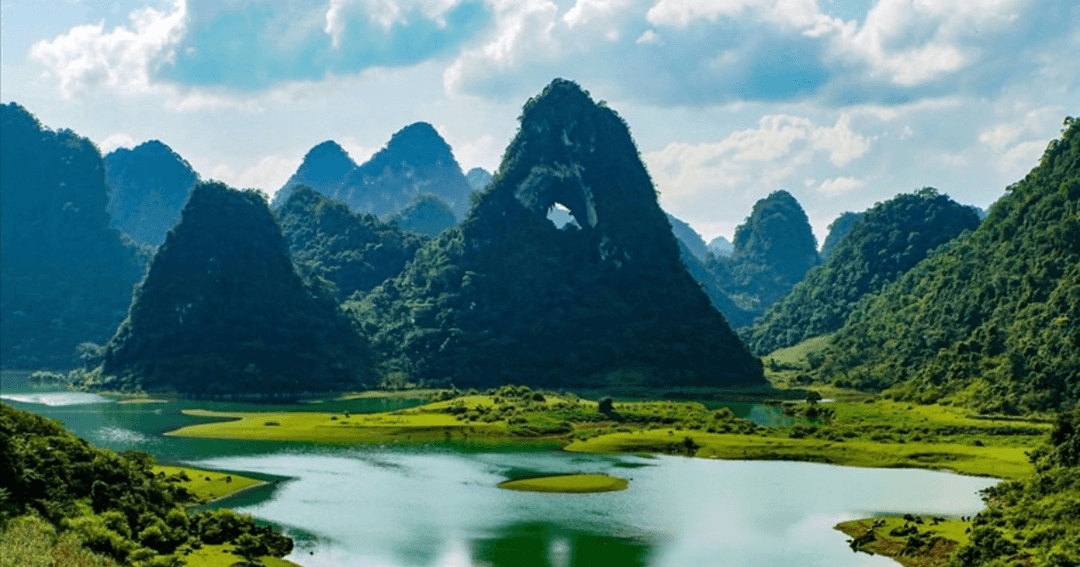
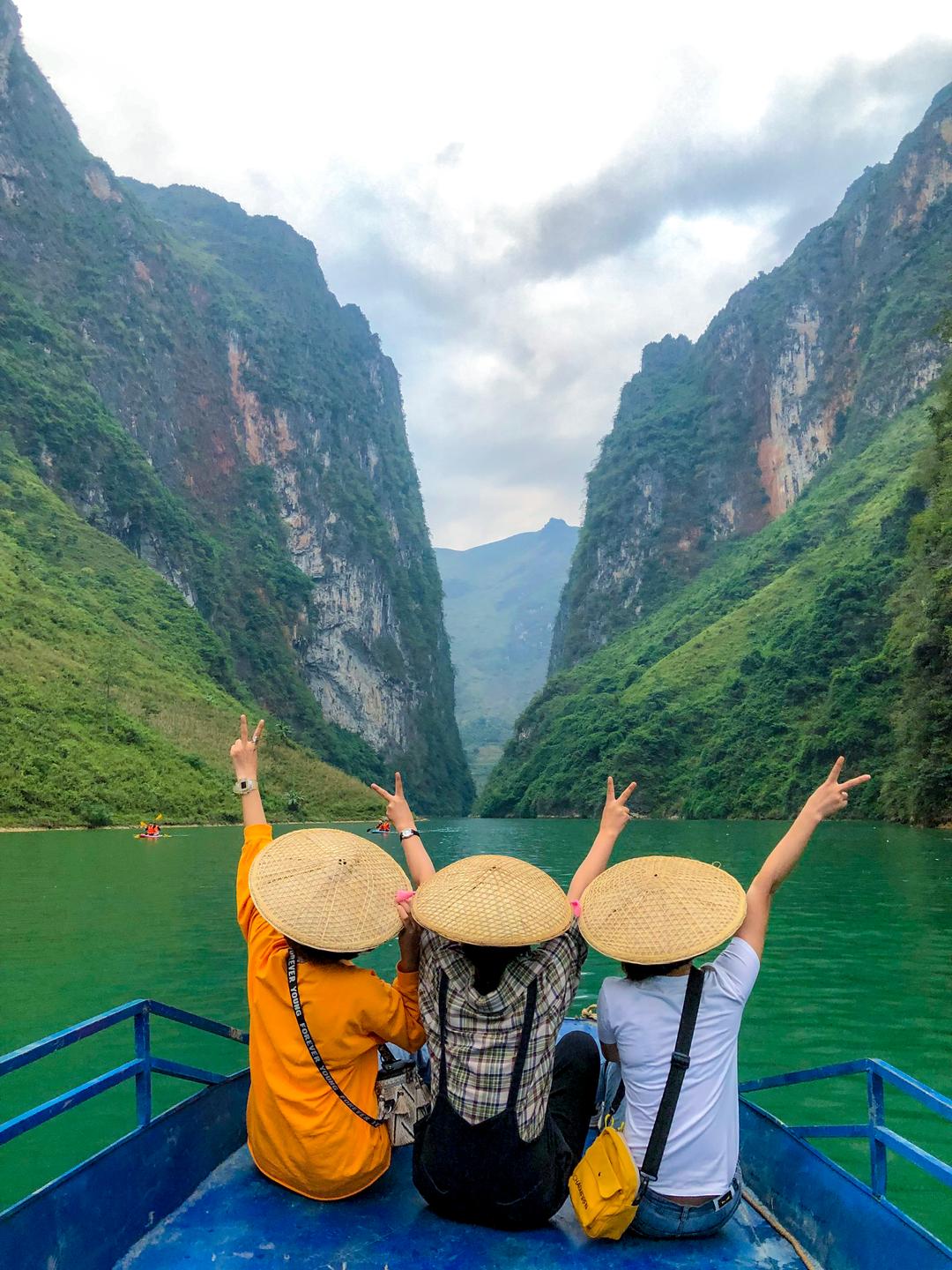
| Northern Highlands (Ha Giang, Cao Bang, Ba Be Lake) | 8 to 16 °C (cooler at higher altitudes) | Ethnic spring festivals (traditional attire, markets, games) from Mung 2-3 | High for independent services | Guided travelers with private vehicle and guide booked ahead |
| Coast and Cruises (Ha Long Bay, Phu Quoc, Con Dao) | Cool and mild in the North, 28 to 30 °C in the South | Peaceful escape, full-board meals on cruises, zero dining hassle | Virtually none on cruises and resorts | Families and couples wanting to bypass peak closure days |
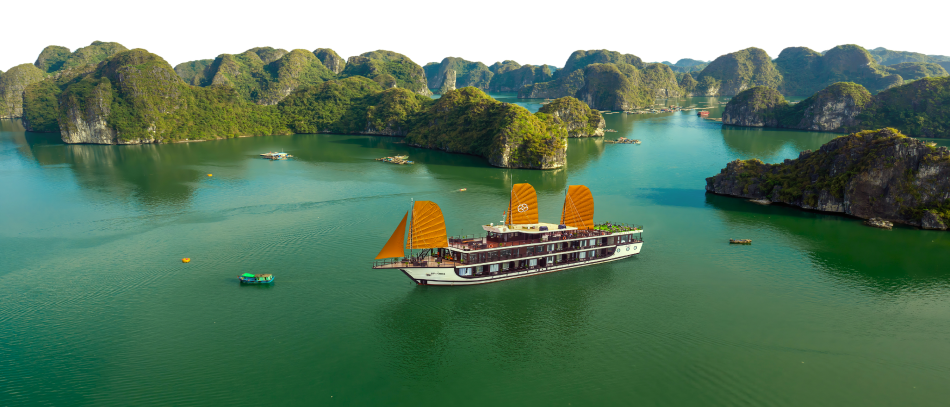
The smartest approach is to combine two atmospheres. For example, soak up the lively Hanoi flower markets from February 2 to 4, spend Mung 1 and Mung 2 on a cruise in Lan Ha Bay (where meals and activities are seamlessly handled onboard) or in easy-going Hoi An, then continue your journey as the country wakes back up.
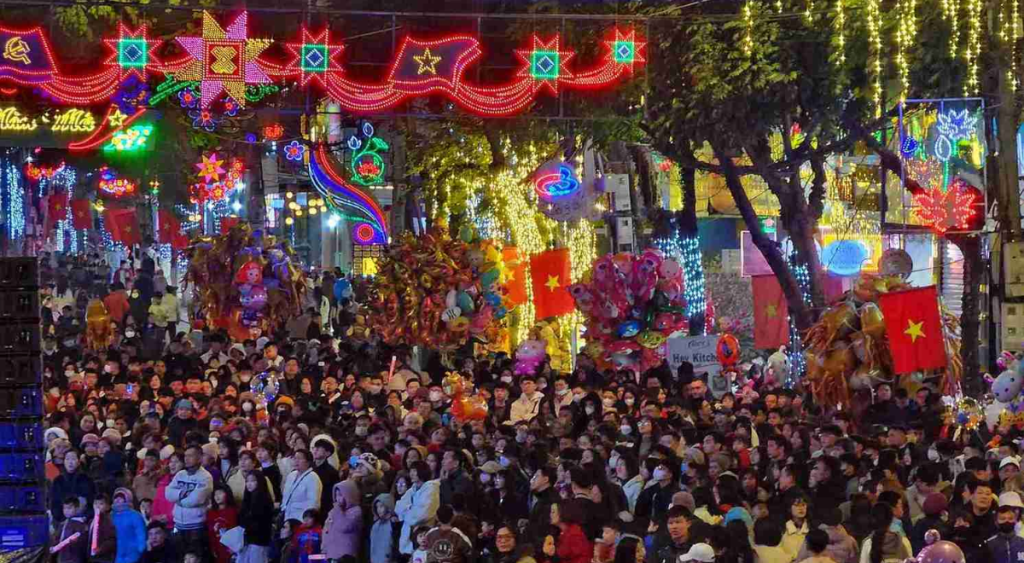
Cao Bang during Tet, blending dramatic mountain landscapes with Lunar New Year traditions.
Transport, Budget, and Bookings: Why Planning in November 2026 Pays Off
If Tet requires a bit of foresight, it is not because of food: it is first and foremost because of transportation. Millions of Vietnamese travel across the country simultaneously to return to their hometowns.
Peak Domestic Travel Dates
Two waves concentrate most of the pressure:
- The big exodus (Wednesday, February 3 to Friday, February 5, 2027): domestic flights between Ho Chi Minh City, Da Nang, and Hanoi, soft-sleeper trains, and long-distance buses sell out weeks ahead. Fares can easily double or even triple on high-demand routes.
- The big return (Tuesday, February 9 to Friday, February 12, 2027): the exact same surge in reverse, as families and students head back to major cities for work and school.
4 Golden Logistics Rules to Avoid Headaches
- Do not schedule any long transfer on Saturday, February 6 (Mung 1). Stay put in the same city, hotel, or cruise boat. Available drivers are scarce and expensive that day, and it is precisely the best morning to explore calmly on foot.
- Withdraw Vietnamese dong (VND) cash before Wednesday, February 3. Banks close during the holidays and some central ATMs run low quickly. Carrying cash in advance (especially small bills for taxis, temples, or li xi envelopes) saves unnecessary detours.
- Book flights, trains, and hotels by November or December 2026. This is especially important if you travel during Zone C winter holidays or want boutique properties in Hanoi, Hoi An, or Lan Ha Bay.
- Sort out your e-Visa early if you are not visa-exempt. As noted above, Canadian travelers and stays over 45 days should finalize applications by mid-January.
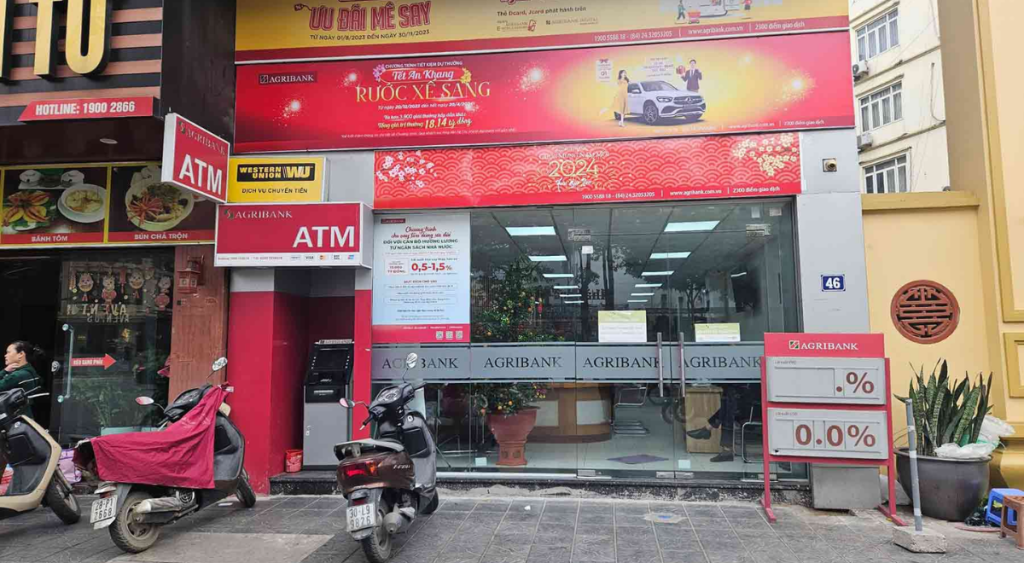
Bank branches in Vietnam generally close during the official Tet public holidays.
An Honest Word on Budget: Tet Holiday Surcharges
Let us be straightforward about something some agencies tuck into fine print: traveling during Tet week costs more than during the rest of the year. Under Vietnamese labor law, staff working during official public holidays receive significantly higher holiday pay. Hotels, cruise boats, drivers, and guides therefore apply a legitimate holiday supplement during this window (typically concentrated from February 5 to 9).
Working with a local Hanoi-based agency like Villages Vietnam does not erase those realities, but it removes the guesswork: your drivers and guides are confirmed well in advance, meals are booked at places we know are open, and your itinerary is paced so you enjoy the magic of the holiday without getting caught in logistical bottlenecks.
Etiquette, Red Envelopes (Li Xi), and the Tet Table
Vietnamese people are wonderfully warm toward visitors who take an interest in their customs. A few simple gestures go a long way toward sparking genuine smiles everywhere you go.
A Simple Guide to Li Xi (Lucky Red Envelopes)
During Tet, people gift a small sum of money tucked inside a red (or gold) envelope, called li xi, to wish good luck and health. As a traveler, you have zero obligation to hand them out to everyone, though it is a thoughtful touch if you stay at a homestay (for the host family’s children) or want to thank your driver, guide, or hotel staff on Mung 1.
- Suggested amount: between 20,000 and 100,000 VND (roughly 0.75 to 3.70 EUR / 0.80 to 4.00 USD), depending on your relationship. The symbol matters far more than the figure.
- Condition of bills: use crisp, clean, flat banknotes whenever possible, never crumpled or torn ones.
- Number to avoid: skip amounts containing the number 4 (such as 40,000 VND), which is phonetically linked to bad luck. Round or even figures like 20,000, 50,000, or 100,000 VND work great.
- The gesture: offer the envelope with both hands while saying “Chuc mung nam moi!” (Happy New Year!).
4 Small Cultural Faux Pas to Avoid (Without Stressing)
- Do not call it “Chinese New Year”: even though the lunar date is shared, Tet has its own history, dishes, and rituals. Simply call it Tet or Vietnamese Lunar New Year.
- Wear bright colors on Mung 1: avoid wearing all-black or all-white outfits on February 6 (traditionally associated with mourning). A touch of red, yellow, green, or cheerful colors is considered auspicious.
- Do not sweep the floor on Day 1 at a homestay: tradition holds that sweeping on Mung 1 sweeps good fortune out of the house. Your host will gladly let the dust wait until the next day.
- Keep your cool and your smile: losing your temper or raising your voice during the first days of the year is viewed as a bad omen. A bit of patience at stations or restaurants works wonders.
At the Table: 4 Classic Tet Dishes to Try at Least Once
Tet cuisine is hearty and generous, originally designed to keep well for several days without needing a trip to the market:
- Banh chung (North) and banh tet (South): sticky rice cakes filled with mung beans and pepper-marinated pork, wrapped in dong or banana leaves and simmered for up to ten hours. Banh chung is square (symbolizing the Earth), while banh tet is cylindrical. Lightly pan-fried and served with pickled shallots (dua hanh), they are irresistible.
- Thit kho tau: a southern favorite of pork belly slowly braised in caramelized coconut water with hard-boiled eggs. Tender, aromatic, and deeply comforting.
- Canh kho qua: the famous stuffed bitter-melon soup. In Vietnamese, kho qua also sounds like “hardships pass,” so eating it symbolically leaves the past year’s troubles behind. To be fair, its bitterness genuinely catches Western palates off guard on the first spoonful, but the symbolism alone is worth a taste.
- Mut Tet: an assortment of candied fruits, roots, and seeds (ginger, coconut, kumquat, lotus seeds) served in a compartmented tray alongside hot green tea to welcome guests.
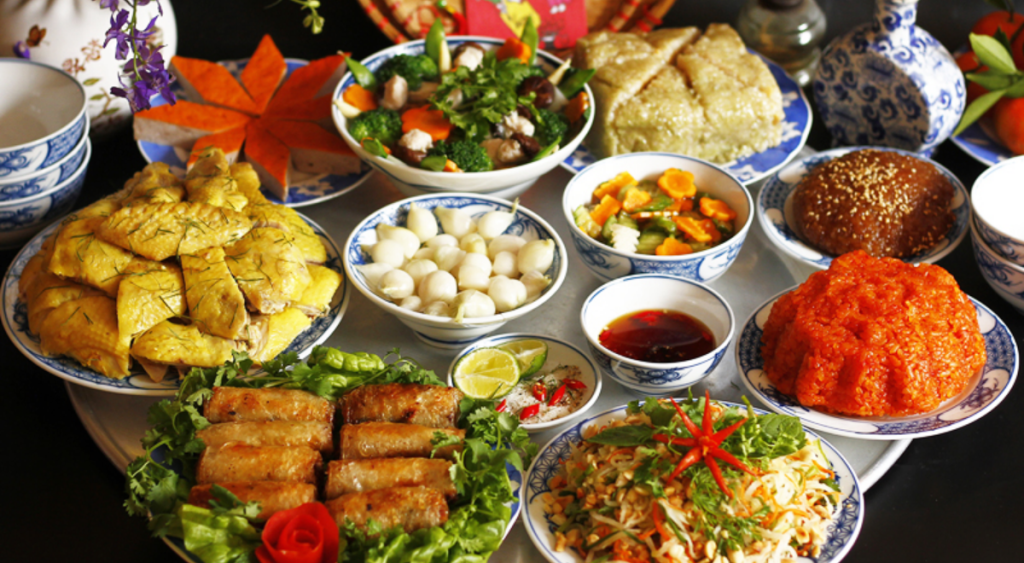
A traditional Tet meal bringing together classic Vietnamese specialties prepared for Lunar New Year.
Verdict: Good Idea or Bad Idea to Visit Vietnam During Tet 2027?
There is no single right answer, only a match between the season and your travel style.
It is a fantastic idea if:
- you want to experience a more intimate, poetic Vietnam deeply connected to its living traditions;
- you love flower markets, lively pagodas, and traditional spring festivals;
- you are happy to book key stops a few months ahead and slow your pace between February 6 and 8.
You are better off waiting until after February 10 if:
- you prefer total backpacker spontaneity, deciding your next train or bus each morning;
- you want to pack in public museums and neighborhood street-food stalls with zero closures;
- finding the absolute lowest prices of the year is your top priority.
3 Smart Itinerary Scenarios for February 2027
- Zone C Scenario (departing February 5 or 6): ease into Hanoi or Hoi An to soak up the serenity of Mung 1, slip in a 2-day cruise on Lan Ha Bay during peak closures, then explore Central and Southern Vietnam once everything reopens on February 9 or 10.
- “Pre-Tet + Celebration” Scenario (late January to February 10): immerse yourself in Hanoi’s flower markets between January 30 and February 4, celebrate Giao Thua Eve, then head south to Hoi An or the Mekong Delta for sunshine.
- Zone A or Zone B Scenario (from February 13 or 20 onward): enjoy post-Tet Vietnam with zero closures, combining spring village festivals in the northern mountains (Ha Giang, Cao Bang, Ba Be Lake) or a classic North-to-South itinerary.
Plan Your February 2027 Trip with Villages Vietnam
Whether you want to experience the magic of the flower markets and New Year’s Eve or savor the relaxed post-Tet weeks, Villages Vietnam designs tailor-made journeys aligned with the real rhythm of February 2027, with confirmed drivers, experienced guides, and handpicked stops that stay lively through the holidays.
If you prefer traveling in a small group to share costs while keeping a warm, personal atmosphere, take a look at our signature tours such as Rythm du Vietnam (10 days from Hanoi to Saigon), Splendors du Tonkin, or for a deeper northern journey. Reach out to us early to check exact availability and any high-season holiday supplements around Tet.
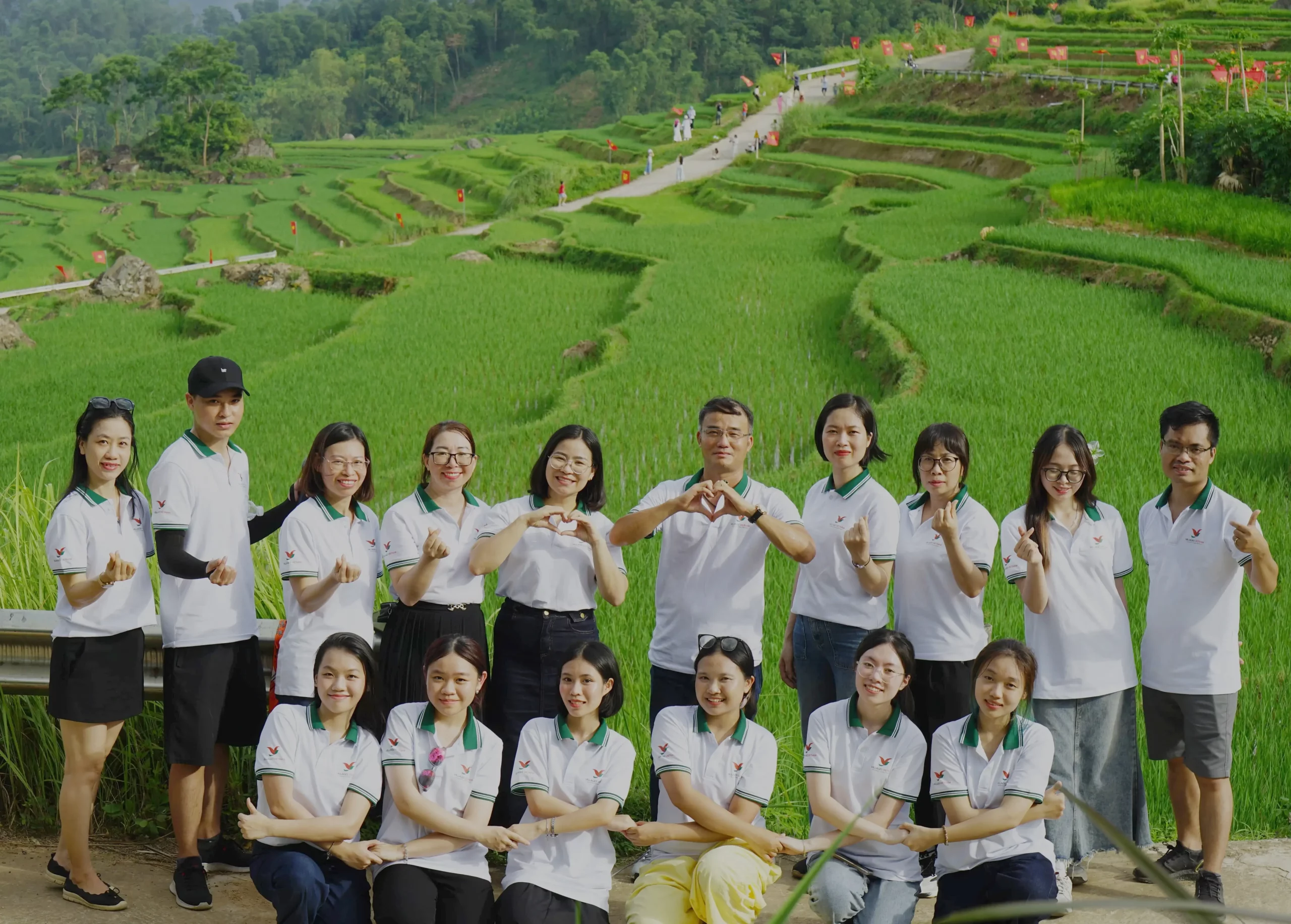
- Contact: Ms. Jade VU
- WhatsApp: +84 0986 527 836
- Email: info@villagesvietnam.com
- Vietnam Office: 7th Floor, 30 Tran Phu Boulevard, Ha Dong District, Hanoi, Vietnam
- France Office: 726 Chemin de la Croix du Sud, 83200 Toulon, France
- Thailand Office: Klang Muang Village, Soi Srinakarindra 24, Srinakarindra Road, Suan Luang District, Bangkok 10250, Thailand
Frequently Asked Questions About Tet 2027 in Vietnam
When is Tet 2027 in Vietnam?
Vietnamese Lunar New Year 2027 (Mung 1) falls on Saturday, February 6, 2027. It marks the start of the Year of the Fire Goat (Dinh Mui), eleven days earlier than Tet 2026.
How many days are the official Tet 2027 public holidays?
The Vietnamese government has approved 7 consecutive public holiday days, from Thursday, February 4 through Wednesday, February 10, 2027. Public offices, banks, and most businesses reopen on Thursday, February 11.
Is everything closed in Vietnam during Tet?
No. Closures mainly affect small family-run restaurants, public museums, banks, and government offices between February 6 and 8. Hotels, tourist-area restaurants, 24/7 convenience stores, cruises, and pagodas remain accessible.
What is the difference between Vietnamese Tet and Chinese New Year?
Both celebrations share the same lunisolar date, yet each has its own distinct cultural identity. The Vietnamese zodiac features the Cat instead of the Rabbit and the Water Buffalo instead of the Ox, and Tet includes unique traditions such as banh chung, peach blossoms (hoa dao), the xong dat first-visitor custom, and offerings to the Kitchen Gods (Ong Tao).
Can I get a Vietnam e-Visa during Tet week 2027?
Immigration offices close during the official February 4 to 10, 2027 holiday period. Citizens of France, Belgium, Switzerland, and Luxembourg enjoy a 45-day visa exemption, while Canadian travelers (and Europeans staying more than 45 days) should submit their e-Visa application by mid-January 2027.
How much money should a traveler put in a red envelope (li xi)?
Between 20,000 and 100,000 VND (about 0.75 to 3.70 EUR / 0.80 to 4.00 USD) in crisp new bills is appropriate for a host family’s children or as a thank-you to a driver or guide. Avoid the number 4 and hand over the envelope with both hands and a smile.
Is Vietnam during Tet suitable for traveling with children (Zone C winter holidays)?
Yes, provided you book early and avoid long transfers on Saturday, February 6 (Mung 1). Children love the flower markets, Hoi An’s lanterns, unicorn dances, and full-board cruises on Lan Ha Bay.
When should I book my trip for Tet 2027?
Ideally by November or December 2026, especially if you are traveling during the Zone C winter holidays (February 6 to 22, 2027). Domestic flights, sleeper trains, and experienced guides book up very quickly during this window.